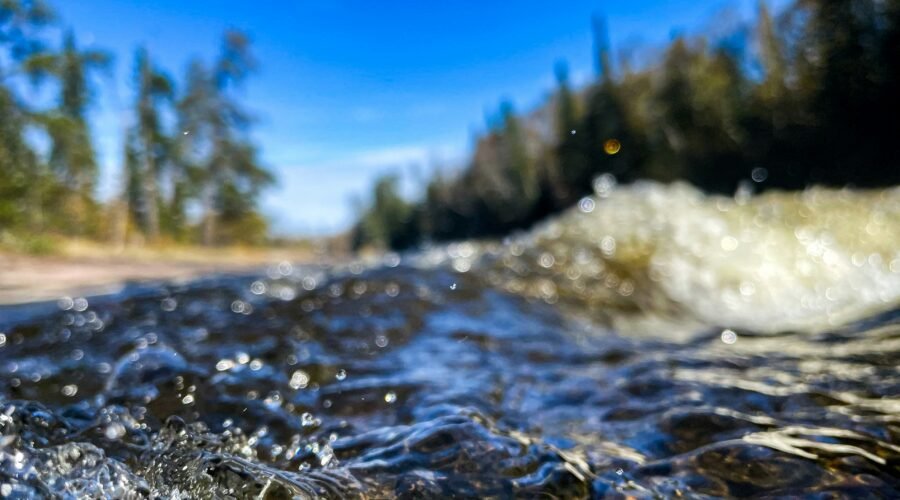
So, you’re wondering about the best time to visit Riding Mountain National Park? To cut straight to the chase, the sweet spot for most visitors is late May to early June, or late August to early September. This offers a great balance of decent weather, manageable crowds, and often better value than the peak summer months. However, your ideal time really depends on what you want to experience, so let’s dig into the details.
This is often an overlooked gem of a time to visit Riding Mountain, and honestly, it’s one of my personal favorites.
1.1 Weathering the Transition
The weather in May can be a bit of a mixed bag – think cool mornings, pleasant afternoons, and the occasional rain shower. By early June, things generally warm up nicely, with daytime temperatures often ranging from a comfortable 15-22°C (59-72°F). Nights can still be chilly, so packing layers is non-negotiable. While the risk of a late-season frost isn’t entirely out of the question in May, it’s rare by June. The key here is flexibility in your clothing.
1.2 Embracing the Quiet
This is where May and early June truly shine. The summer rush hasn’t quite started, meaning fewer crowds on trails, easier parking, and a generally more peaceful experience. You’ll find the townsite of Wasagaming is less bustling, making dining and shopping a more relaxed affair. If you’re someone who prefers solitude over a vibrant atmosphere, this is your prime window.
1.3 Wildlife Awakens
Spring is prime time for wildlife viewing. Bears are emerging from hibernation, and deer, elk, and moose are actively foraging. Birdwatchers, especially, will be thrilled as migratory birds return and begin nesting. The park’s wetlands and forests are alive with sound and movement. Just remember to give all wildlife ample space – especially mothers with young.
1.4 Cost Savings
Accommodation and activity providers haven’t yet escalated their prices for peak season. You can often find better deals on cabins, hotel rooms, or even camping spots compared to July and August. Some seasonal businesses in Wasagaming might still be in the process of fully opening, but the core services will be available.
If you’re planning a trip to Riding Mountain, Manitoba, it’s essential to consider not only the best time to visit but also the various factors that can enhance your experience, such as local events and activities. For more insights on travel planning, you might find this article on cookie policies and how they affect your online browsing experience helpful. Check it out here: Cookie Policy.
2. Summer’s Peak: Mid-June to Mid-August
This is, undeniably, the most popular time to visit. It’s vibrant, active, and offers the warmest weather, but comes with trade-offs.
2.1 Sunny Days (Mostly)
July and August are the warmest months in Riding Mountain, with average daytime temperatures typically between 20-27°C (68-81°F). This is perfect for swimming in Clear Lake, paddling, and enjoying all the water-based activities. While thunderstorms can pop up, they usually blow through quickly. The extended daylight hours mean more time for outdoor adventures.
2.2 Bustling Crowds
This is peak season, pure and simple. Expect campgrounds to be full, popular trails to be busy, and the townsite of Wasagaming to be buzzing with activity. If you enjoy a lively atmosphere, this is great. If you’re seeking tranquility, you’ll need to work harder to find it, perhaps by venturing onto less-trafficked trails or visiting popular spots earlier in the morning. Booking accommodations and campsites months in advance is absolutely essential.
2.3 Full-Swing Activities
Everything is open and running at full capacity – boat rentals, guided tours, interpretive programs, shops, and restaurants. There’s a constant buzz of activity, and the park’s visitor centre will be a hub of information and programming. If you want to experience the park with all its amenities and social energy, this is the time.
2.4 Higher Costs
As with any popular destination during its peak, prices for accommodation, some activities, and even dining can be at their highest. If you’re on a tighter budget, be prepared for this or consider visiting just outside this window.
3. Autumn’s Embrace: Late August to Early October

Much like spring, this is another fantastic window that offers a more serene experience than the peak summer. It’s often hailed as one of the most beautiful times.
3.1 Crisp Air & Colourful Views
Late August still offers pleasant, warm days, but by September, you’ll start to feel a distinct crispness in the air. Daytime temperatures can range from 10-20°C (50-68°F), with cooler nights. The main draw here is the spectacular fall foliage. The aspen, birch, and oak trees burst into vibrant shades of gold, orange, and red, transforming the landscape into a painter’s palette. Early to mid-October sees colder temperatures and the beginning of winter preparations.
3.2 Moderate Crowds
As school starts and summer vacations end, the crowds thin out significantly. You’ll still encounter visitors, particularly on warm weekends, but the intense summer rush is gone. This makes for a much more relaxed experience on trails and in Wasagaming. It’s an excellent time for hiking and cycling without constant interruptions.
3.3 Wildlife Activity Increases
Autumn is a crucial time for many animals. Elk bugling season usually kicks off in September, a truly unforgettable experience. Bears are actively foraging to bulk up for winter, and other animals are also preparing. This can make for some fantastic wildlife viewing opportunities, especially around dawn and dusk. Always maintain a safe distance.
3.4 Reasonable Costs
Similar to the spring, as the peak season winds down, some prices for accommodation and activities may start to decrease. Many businesses in Wasagaming will remain open through September, some into October, but with reduced hours as the season progresses. It’s a good balance of availability and value.
4. Winter Wonderland: November to April

Riding Mountain in winter is a completely different beast – quiet, serene, and incredibly beautiful for those who embrace the cold.
4.1 Embracing the Chill
Winter in Manitoba is, well, winter. Expect consistently cold temperatures, often well below freezing, with significant snowfall. Average daytime temperatures can range from -5°C to -25°C (23°F to -13°F), and sometimes even colder with wind chill. This is not for the faint of heart, but for those prepared, it offers a dramatic transformation of the park.
4.2 Fewest Crowds
This is the season of solitude. You’ll have the park almost entirely to yourself, particularly on weekdays. The popular trails become pristine, snow-covered paths, and the silence is profound. If you genuinely want to escape the hustle and bustle, winter is your answer.
4.3 Unique Activities
| Month | Weather | Crowds | Costs |
|---|---|---|---|
| June | Mild temperatures, low chance of rain | Low | Moderate |
| July | Warm temperatures, occasional rain | Medium | High |
| August | Warm temperatures, occasional rain | High | High |
| September | Cooler temperatures, increasing chance of rain | Low | Low |
While many summer activities are off the table, winter opens up a whole new set of adventures. Cross-country skiing, snowshoeing, ice skating on Clear Lake, winter hiking, and fat biking are popular. Some trails are specifically groomed for these activities. The park even has a few heated shelters along some ski trails. Wasagaming becomes a quiet winter village, with a limited number of businesses open.
4.4 Budget-Friendly, with Caveats
Accommodation options are more limited, but prices are generally lower. However, you’ll need to factor in specialized winter gear if you don’t already own it, which can be an upfront cost. Some facilities and services will be closed for the season, so plan accordingly. It’s important to note that many roads within the park might not be plowed regularly, or at all, limiting access to certain areas.
If you’re planning a trip to Riding Mountain, Manitoba, you might find it helpful to read about the best times to visit based on weather, crowds, and costs. For more insights on travel planning, check out this informative article on affiliate disclosures that can guide you in making the most of your travel budget while ensuring a memorable experience.
5. Factors to Help You Decide
Beyond the general seasons, consider these specific aspects when planning your trip.
5.1 Your Activity Preferences
- Hiking & Cycling: Spring (late May/early June) and Fall (late August/September) offer excellent conditions with fewer bugs and comfortable temperatures. Summer is also great, but trails will be busier.
- Water Sports (swimming, kayaking, paddleboarding): Definitely summer (July/August) for the warmest water temperatures.
- Wildlife Viewing: Spring (bears emerging, migratory birds) and Fall (elk bugling, animals preparing for winter) are often the best. However, significant sightings can happen any time.
- Photography: Fall for stunning colours, winter for dramatic snowscapes, and spring for vibrant green rebirth.
- Winter Sports: December to March is optimal for skiing, snowshoeing, and ice skating.
5.2 Insect Levels
Insects, specifically mosquitoes and blackflies, can be a factor, especially in late spring and early summer (June). They tend to be most prevalent in wooded areas and near water. By late summer and fall, insect populations significantly decrease. If you are highly sensitive to bugs, late August to September is a safer bet. Always pack insect repellent, regardless of the season.
5.3 Park Facilities & Services
- Visitor Centre: Generally open year-round, with extended hours in summer.
- Campgrounds: Most operate from May long weekend to Thanksgiving (mid-October). Specific dates vary, so check the Parks Canada website. Winter camping is available in designated areas.
- Wasagaming Townsite: Most shops, restaurants, and services are fully operational from mid-June to early September. Many have reduced hours or close entirely outside this window, especially in winter.
- Road Closures: Some secondary roads and interpretive trails within the park may be closed seasonally due to weather (mud in spring, snow in winter). The main park roads are typically open year-round, but always check conditions before you go.
5.4 Special Events
Riding Mountain hosts various events throughout the year, from interpretive programs in summer to guided walks and special festivals. Check the Parks Canada website closer to your travel dates to see if any events align with your interests.
Ultimately, there’s no single “best” time for everyone – it’s all about matching the park’s offerings with your personal preferences and priorities. Happy planning!
FAQs
1. What is the best time to visit Riding Mountain, Manitoba?
The best time to visit Riding Mountain, Manitoba is during the summer months of June to August when the weather is warm and the park is bustling with outdoor activities.
2. What is the weather like in Riding Mountain, Manitoba throughout the year?
Riding Mountain, Manitoba experiences a typical Canadian prairie climate with cold, snowy winters and warm, humid summers. Spring and fall can be unpredictable with fluctuating temperatures.
3. When are the crowds at Riding Mountain, Manitoba the busiest?
The park sees the highest number of visitors during the summer months, especially in July and August. Weekends and holidays also tend to be busier.
4. When is the off-peak season in Riding Mountain, Manitoba?
The off-peak season in Riding Mountain, Manitoba is during the winter months from November to March when the park experiences colder temperatures and fewer visitors.
5. How does the cost of visiting Riding Mountain, Manitoba vary throughout the year?
Accommodation and activity costs in Riding Mountain, Manitoba tend to be higher during the peak summer months, while off-peak seasons may offer more affordable options. It’s best to check specific pricing and availability closer to your planned visit.