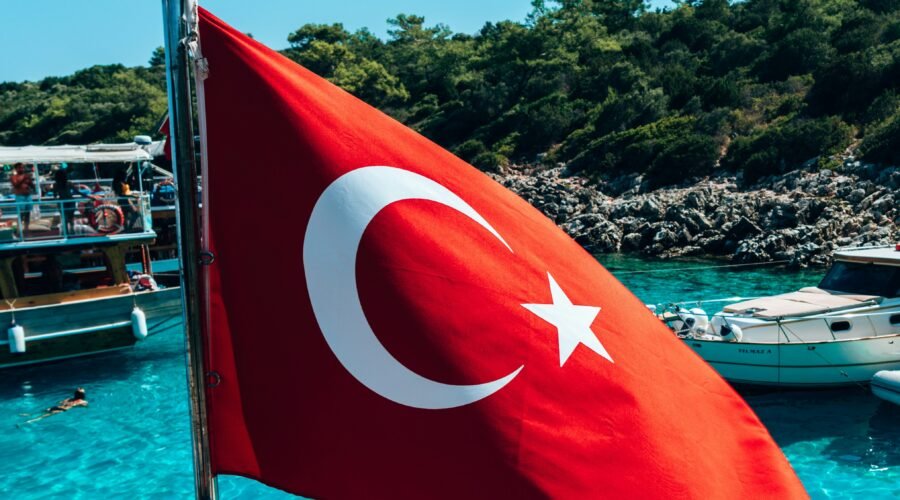
Planning a trip to Bodrum along Turkey’s southwestern Aegean coast requires balancing warm sunshine, sea temperatures, crowd levels, and accommodation costs. While the Bodrum Peninsula attracts visitors throughout the year, the sweet spot for an optimal holiday falls within the shoulder seasons of late spring (May to June) and early autumn (September to October).
Quick Answer
The best time to visit Bodrum is from May to June and September to October. These shoulder months provide ideal weather (24°C–30°C / 75°F–86°F), warm Aegean waters for swimming, lower hotel rates, and significantly smaller crowds than the peak summer months of July and August.
Key Takeaways
- Peak Summer (July–August): Best for lively nightlife, bustling beach clubs, and hot weather (34°C+ / 93°F+), but brings peak prices and heavy crowds.
- Autumn Shoulder (September–October): Excellent for warm sea swimming (23°C–25°C), historical exploration, and lower accommodation costs.
- Spring Shoulder (May–June): Lush landscapes, comfortable temperatures for hiking ancient ruins, and fewer tourists, though the sea remains brisk in May.
- Low Season (November–April): Quiet local life and budget-friendly stays, though many beach resorts, ferry routes, and seaside venues close.
Bodrum Monthly Weather & Climate Guide
Bodrum experiences a classic Mediterranean climate characterized by hot, dry summers and mild, wet winters. Understanding average temperatures and sea conditions helps pinpoint the exact month that suits your travel plans.
| Month | Avg High (°C / °F) | Sea Temp (°C / °F) | Rainy Days | Season Type |
|---|---|---|---|---|
| January | 15°C / 59°F | 17°C / 63°F | 12 days | Low Season |
| February | 15°C / 59°F | 16°C / 61°F | 10 days | Low Season |
| March | 18°C / 64°F | 16°C / 61°F | 8 days | Low Season |
| April | 21°C / 70°F | 17°C / 63°F | 6 days | Spring Shoulder |
| May | 26°C / 79°F | 19°C / 66°F | 4 days | Spring Shoulder (Prime) |
| June | 31°C / 88°F | 22°C / 72°F | 2 days | Early Peak / Shoulder |
| July | 35°C / 95°F | 25°C / 77°F | 0 days | Peak Season |
| August | 35°C / 95°F | 26°C / 79°F | 0 days | Peak Season |
| September | 30°C / 86°F | 25°C / 77°F | 2 days | Autumn Shoulder (Prime) |
| October | 25°C / 77°F | 23°C / 73°F | 5 days | Autumn Shoulder |
| November | 20°C / 68°F | 20°C / 68°F | 8 days | Low Season |
| December | 16°C / 61°F | 18°C / 64°F | 12 days | Low Season |
Understanding Bodrum’s Seasons
Every season in Bodrum caters to a distinct travel style. The peninsula shifts from a quiet Aegean maritime retreat in winter to an international beach haven in the peak summer heat.
Summer (June to August): The High Season
Summer is when the peninsula operates at full throttle, attracting yacht owners, international vacationers, and domestic travelers.
- Weather: Daily high temperatures consistently exceed 32°C (90°F) and regularly hit 38°C (100°F) in July and August. Rain is almost non-existent. Sea temperatures reach a warm 25°C–26°C (77°F–79°F).
- Crowds: Expect high foot traffic in Bodrum Town, marina promenades, and beach hubs like Yalıkavak, Türkbükü, and Gümbet. Beach clubs and fine-dining venues require reservations days or weeks in advance.
- Costs: Accommodation rates and luxury services reach peak annual pricing. Direct charter flights operate at premium fares.
- Activities: Swimming, yacht charters (Blue Cruises), water sports, and enjoying the world-renowned open-air nightlife and beach clubs.
Pro Tip: June offers the best compromise within summer. It delivers long daylight hours and warm swimming temperatures before the extreme heat and peak crowds of late July and August arrive.
Autumn (September to October): The Connoisseur’s Season
As international school holidays conclude, autumn ushers in comfortable weather alongside tranquil beaches and harbors.
- Weather: September maintains average highs near 30°C (86°F), while October hovers around 25°C (77°F). The Aegean Sea holds its accumulated summer warmth, making autumn swimming noticeably warmer than in spring.
- Crowds: Tourist volumes drop considerably. Walking through historical sites and securing tables at harbor-side fish restaurants becomes effortless.
- Costs: Boutique hotels and resort properties offer discounted rates starting in mid-September, with substantial savings available throughout October.
- Activities: Ideal for visiting Bodrum Castle (Castle of St. Peter) and the Bodrum Museum of Underwater Archaeology, embarking on coastal day cruises, and attending the annual Bodrum Cup International Wooden Yacht Regatta in October.
Winter (November to March): The Off-Season
Winter reveals Bodrum’s authentic coastal rhythm, shifting attention away from tourism toward local daily life.
- Weather: Temperatures average 10°C–16°C (50°F–61°F). December and January bring the highest annual rainfall, though crisp, clear sunny days remain frequent.
- Crowds: Minimal tourism. While coastal resort hotels, seasonal restaurants, and beach clubs close until spring, Bodrum Town center, Marina yacht clubs, and local markets operate normally.
- Costs: The most economical time to visit. Long-stay villa rentals and open hotels offer their lowest rates.
- Activities: Walking peaceful coastal promenades, exploring local weekly bazaars, and discovering ancient ruins without crowds. Winter is not suitable for beach bathing.
Spring (April to May): The Blooming Season
Spring enlivens the peninsula with mild sunshine, blooming citrus orchards, and vibrant wildflowers across the surrounding hills.
- Weather: April brings comfortable highs around 21°C (70°F), rising to 26°C (79°F) in May. Rainfall decreases rapidly. The sea remains brisk, warming to around 19°C (66°F) by late May.
- Crowds: Visitor numbers build gradually through May as seasonal businesses reopen and daily boat excursions resume regular operations.
- Costs: Spring pricing remains competitive, offering exceptional value at luxury properties ahead of the peak summer surge.
- Activities: Excellent for hiking the Carian Trail, visiting ancient Halicarnassus, photography, and exploring open-air cultural landmarks in temperate weather.
Note on Greek Island Ferries: Regular passenger catamaran ferries running between Bodrum and the Greek Dodecanese islands (such as Kos and Rhodes) operate primarily from late April through October. Schedules are sharply curtailed in winter.
Balancing Your Travel Priorities
Selecting your travel dates depends on your primary vacation goals:
For the Budget-Conscious Traveler
Target May or October for the optimal balance of fair rates and comfortable weather. For rock-bottom pricing on accommodations, consider late autumn (November) or early spring (March–April), keeping in mind that beach activities will be limited.
For Beach, Sea, and Nightlife Enthusiasts
Plan your holiday between late June and mid-September. This window delivers warm Aegean waters, vibrant beach clubs in Yalıkavak and Türkbükü, and active open-air nightlife.
For Culture and History Buffs
Visit during April, May, September, or October. Mild temperatures allow you to explore ancient Halicarnassus, the Myndos Gate, and the open-air courtyards of Bodrum Castle without the oppressive midday summer heat.
For Hikers and Outdoor Lovers
Choose April or May. Spring rains leave the hills lush and green, with wildflower blooms lining trails along the Bodrum segment of the historic Carian Trail.
For Those Seeking Quiet and Solitude
Travel between November and March to experience Bodrum like a local, or choose late October for tranquil seaside strolls while daytime temperatures remain pleasantly mild.
Practical Tips for Your Bodrum Visit
Ensure a smooth stay on the peninsula by preparing for local travel dynamics:
Booking in Advance
If visiting during July, August, or major Turkish national holidays, reserve flights, boutique hotels, and popular yacht charters at least 3 to 5 months ahead. For shoulder months, booking 4 to 8 weeks out provides solid flexibility and selection.
Transportation
Bodrum is served directly by Milas-Bodrum Airport (BJV), situated roughly 35 km (22 miles) northeast of Bodrum Town center. Seasonal international direct flights operate from May through October, with year-round domestic connections through Istanbul.
Locally, shared minibuses known as dolmuş connect Bodrum Town with surrounding peninsula villages (including Turgutreis, Gümüşlük, and Bitez) on regular, economical schedules. Taxis and car rentals offer added flexibility for secluded coves and hill villages.
Seasonal Packing Checklist
- Summer (June–August): Breathable linens, high-SPF sunscreen, polarized sunglasses, beachwear, and a sun hat.
- Shoulder Seasons (May, September, October): Versatile daytime layers, swimwear, plus a light jacket or sweater for cooler coastal evenings.
- Winter (November–March): Warm layers, a windproof and waterproof outer coat, and sturdy walking shoes for stone-paved streets.
Currency, Payment, and Etiquette
The local currency is the Turkish Lira (TRY). Credit and debit cards with contactless payment are accepted across hotels, supermarkets, and restaurants. Keep modest amounts of cash handy for local minibuses (dolmuş), market stalls, and tipping. Dress codes are casual throughout coastal resorts, though modest dress covering shoulders and knees is appropriate when visiting mosques.
Final Thoughts on Timing Your Trip
While peak summer delivers unmistakable energy and world-class marina nightlife, Bodrum’s shoulder seasons offer the most balanced experience. Visiting during May, June, September, or October pairs warm Aegean waters and sunny skies with relaxed dining, easy sightseeing, and manageable pricing. Align your itinerary with your priority—whether it is lively beach culture, tranquil history, or outdoor exploration—and Bodrum will deliver a memorable Aegean getaway.
Frequently Asked Questions
What is the best time to visit Bodrum in terms of weather?
The best weather occurs from May to October. For warm swimming without oppressive heat, May–June and September–October provide daily highs between 24°C and 30°C (75°F–86°F). Peak summer (July–August) frequently exceeds 35°C (95°F), which may feel intense for sightseeing.
When is the peak tourist season in Bodrum?
Peak tourist season spans July and August. During these months, domestic holidaymakers and international travelers arrive in high volumes, driving up accommodation costs and filling popular beaches, beach clubs, and harbor restaurants to capacity.
What is the off-peak season in Bodrum?
The off-peak season runs from November through March. Winter is characterized by cooler temperatures (10°C–16°C), intermittent rain, and a peaceful local atmosphere. While resort properties and beach clubs close, town-center restaurants and historical sites remain accessible.
When is the best time to visit Bodrum to avoid crowds?
To avoid crowds while still enjoying beach-friendly weather, visit in May, early June, late September, or October. For total solitude, the winter months from November to February offer empty promenades and quiet cultural sites.
How does the cost of visiting Bodrum vary throughout the year?
Prices peak in July and August when hotel rates, private boat charters, and flights command premium rates. Visiting in the shoulder months (May, June, September, October) can yield 25% to 40% savings on accommodation. Winter offers the lowest accommodation rates across the peninsula.
Sources
- Turkish State Meteorological Service (MGM) — Official historical climate, temperature, and sea temperature records for the Bodrum / Muğla region.
- GoTürkiye Official Tourism Portal — Destination travel guides, cultural heritage sites, and Aegean seasonal highlights.
- Muğla Provincial Directorate of Culture and Tourism — Official information on regional historical sites, museum hours, and cultural events.