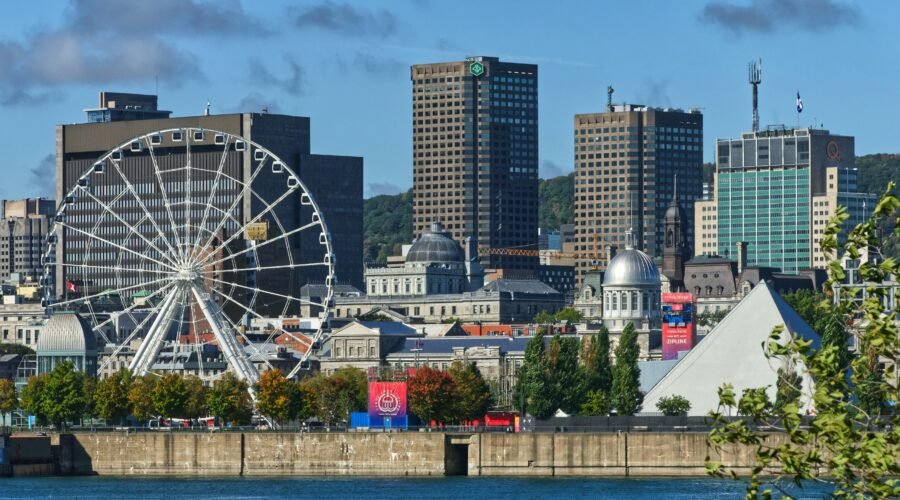
So, you’re thinking of heading to Montreal, eh? Great choice! When’s the best time to visit? Generally speaking, late spring (May to early June) and early fall (September to early October) are your sweet spots. This is when you’ll snag pleasant weather without the intense summer crowds and higher prices.
Let’s dive into the details so you can pick the perfect time for your trip.
1. Spring in Montreal (April, May, June)
Spring in Montreal is a bit of a mixed bag, starting cool and gradually warming up to absolutely lovely. It’s a fantastic shoulder season, offering a good balance of weather, crowds, and cost, especially as you get into May and June.
1.1. April: Still Shivering?
- Weather: April in Montreal can be a bit of a gamble. While the snow is generally gone, you’re still looking at average temperatures ranging from 0°C to 10°C (32°F to 50°F). Rain is common, and you might even see a late-season snowfall, so pack layers and waterproof gear.
- Crowds: Definitely on the lower side. The city is still shaking off winter, so you won’t find many tourists yet. This means more elbow room at attractions and easier restaurant reservations.
- Costs: Generally lower. Flights and accommodations haven’t hit their peak summer prices yet. You might find some excellent deals if you’re willing to brave the cooler temps.
- Things to Do: Indoor attractions are still popular (museums, underground city), but you’ll start to see some outdoor patios tentatively opening. Cherry blossoms might make a late appearance towards the end of the month.
1.2. May: Blooming Beautiful
- Weather: This is where spring really starts to shine. Average temperatures climb to a comfortable 10°C to 20°C (50°F to 68°F). The city starts to bloom, and the longer days are a welcome change. While some rain is still possible, it’s generally pleasant for walking around.
- Crowds: Moderate. Things are picking up, but it’s not yet the full-blown summer rush. You’ll encounter more tourists, but it won’t feel overwhelming.
- Costs: Moderate. Prices for flights and hotels will start to creep up from April lows but are still a bit more budget-friendly than peak summer.
- Things to Do: Outdoor activities become much more enjoyable. Biking, walking through parks (Parc La Fontaine, Mount Royal), and enjoying café terraces are all on the agenda. Festivals and outdoor events start to kick off.
1.3. June: Early Summer Vibes
- Weather: June often feels like early summer. Average temperatures range from 15°C to 25°C (59°F to 77°F). It’s generally warm and sunny, making it perfect for exploring. Humidity isn’t usually too oppressive yet.
- Crowds: Increasing significantly. Schools are out, and summer travel begins in full force. You’ll notice more people at popular attractions and in the Old Port area.
- Costs: Higher. As the weather improves and demand increases, so do prices for just about everything, especially accommodation. Book in advance if you plan to visit in June.
- Things to Do: All outdoor activities are in full swing. Jazz Fest often starts in late June, and many other festivals and street performances fill the city. Patios are bustling, and the city has a vibrant energy.
If you’re planning a trip to Montreal, understanding the best time to visit can greatly enhance your experience. For more insights on travel planning, including tips on weather, crowds, and costs, you might find this related article helpful: Travel Planning Tips. It offers valuable information that can assist you in making the most of your visit to this vibrant city.
2. Summer in Montreal (July, August)
Summer is Montreal at its most energetic, but also its most crowded and expensive. If you love a buzzing city and don’t mind the heat, this is your time.
2.1. July: Festival Frenzy
- Weather: Hot and often humid. Average temperatures are typically 20°C to 30°C (68°F to 86°F), sometimes even higher. Thunderstorms can happen, usually bringing a brief downpour that breaks the heat.
- Crowds: Peak season. Montreal is absolutely packed in July. The city is famous for its summer festivals (Jazz Fest, Just for Laughs, fireworks competition), drawing huge crowds from all over the world.
- Costs: Highest. Expect peak prices for flights, hotels, and sometimes even restaurant reservations. Booking well in advance is essential if you want decent options.
- Things to Do: This is THE prime festival month. Every weekend (and often weekdays) there’s something exciting going on. Outdoor music, street food, performances – the city truly comes alive. Be prepared for crowds at all major attractions.
2.2. August: Still Sizzling
- Weather: Still very warm and often humid, similar to July. Average temperatures remain in the 20°C to 30°C (68°F to 86°F) range. Towards the end of the month, you might notice a slight crispness in the air, hinting at autumn.
- Crowds: Remains high, though sometimes a tiny bit less hectic than early July. Many Europeans come for their summer holidays, and the festival calendar is still quite full.
- Costs: High. Prices remain elevated throughout August. You might find a tiny dip towards the very end of the month as people start to think about returning to school/work, but don’t count on major discounts.
- Things to Do: Continues the summer festival vibe, with smaller, localized events filling the gaps between the major ones. Enjoy the outdoor spaces, grab a BIXI bike, and explore the different neighborhoods. August is also lovely for day trips outside the city.
3. Fall in Montreal (September, October, November)
Fall is arguably the best time to visit Montreal for many. The weather is fantastic, the fall foliage is spectacular, and the summer crowds have mostly dissipated.
3.1. September: Golden Month
- Weather: Often perfect. Average temperatures range from 10°C to 20°C (50°F to 68°F). The heat and humidity of summer are gone, replaced by crisp, sunny days and cool evenings. Fall foliage starts appearing towards the end of the month, especially on Mount Royal.
- Crowds: Moderate. A significant (and welcome) drop from summer. There are still plenty of visitors, but it feels much more relaxed. You’ll find it easier to get into popular restaurants and attractions.
- Costs: Moderate. Prices generally come down from their summer highs, making travel more affordable. You can often snag good deals on accommodation.
- Things to Do: Explore the parks for early fall colors. Enjoy walking tours without sweating buckets. Many outdoor activities are still very enjoyable. It’s also a great month for foodies, as harvest season is in full swing.
3.2. October: Peak Foliage and Cozy Vibes
- Weather: Beautiful, but starting to get chilly. Average temperatures range from 5°C to 15°C (41°F to 59°F). This is peak fall foliage time, especially in the first half of the month. Expect sunny days, but be prepared for cool evenings and mornings. Rain is possible.
- Crowds: Lower. Aside from Thanksgiving weekend (Canadian Thanksgiving is in early October), crowds are quite manageable. You’ll find a more local feel to the city as tourism dips.
- Costs: Lower to moderate. Excellent time for budget-conscious travelers who still want good weather. Flights and hotels are usually quite reasonable.
- Things to Do: Mount Royal and the Botanical Garden are absolutely stunning with their fall colors. It’s a great time for cozy café visits, exploring museums, and enjoying the city’s culinary scene. Halloween events add a fun touch towards the end of the month.
3.3. November: Winter is Coming
- Weather: Definitely getting cold. Average temperatures typically hover around -5°C to 5°C (23°F to 41°F). The fall colors are gone, and the city starts to prepare for winter. The first snowfalls can happen, but usually don’t stick around too long early in the month.
- Crowds: Low. This is a very quiet month for tourism, sandwiched between the fall foliage seekers and the Christmas holiday rush.
- Costs: Lowest. If you’re looking for a bargain, November is a strong contender. You’ll find the best deals on flights and accommodation.
- Things to Do: Focus on indoor attractions: museums, historical tours of the underground city (RESO), shopping. The city starts to put up its holiday decorations towards the end of the month, which can be charming. Warm up with poutine and mulled wine!
4. Winter in Montreal (December, January, February, March)
Montreal truly embraces winter, turning into a festive wonderland. If you love snow and cold-weather activities, this can be a magical time, but be prepared for the chill.
4.1. December: Festive Freeze
- Weather: Cold and snowy. Average temperatures are typically -10°C to 0°C (14°F to 32°F). Expect regular snowfall, making the city look beautiful. Dress warmly in layers!
- Crowds: Moderate to High (around holidays). Early December is quieter, but leading up to Christmas and New Year’s, the city gets busy with holiday travelers and locals.
- Costs: Moderate to High (around holidays). Early December can offer good value, but Christmas week and New Year’s will see prices spike significantly.
- Things to Do: Christmas markets, ice skating, holiday window displays, and festive lights. The underground city (RESO) is a lifesaver for getting around warmly. Skiing and snowboarding day trips are also an option.
4.2. January: Deep Freeze
- Weather: Frequently very cold. Average temperatures are often -15°C to -5°C (5°F to 23°F), with wind chills making it feel even colder. Snow is abundant. This is the heart of winter.
- Crowds: Low. Post-holiday lull, making it one of the quietest months for tourism.
- Costs: Lowest. Excellent time for bargain hunters who aren’t afraid of the cold. You’ll find the best deals of the year on flights and hotels.
- Things to Do: Embrace winter sports! Ice skating (many outdoor rinks, including the Old Port), cross-country skiing on Mount Royal, tube sliding, and visiting the winter festivals that start to pop up later in the month (like Igloofest). Museums and warm, cozy restaurants are also key.
4.3. February: Still Chilly, But Lively
- Weather: Still cold, but temperatures generally start to climb very slightly from January’s lows. Average temperatures are around -10°C to -2°C (14°F to 28°F). Significant snowfall is still common.
- Crowds: Low to Moderate. There’s a slight uptick in visitors due to major winter festivals.
- Costs: Lower to Moderate. Still a good value month, though some prices might edge up slightly if popular festivals are in town.
- Things to Do: Montreal en Lumière (Montréal High Lights Festival) brings light installations, food events, and outdoor activities to the city, adding a lot of energy. Ice skating remains popular, and the city continues to offer many indoor and outdoor winter-themed activities.
4.4. March: Hint of Spring?
- Weather: A transitional month. Average temperatures range from -5°C to 5°C (23°F to 41°F). You’ll still see snow, and it can be quite cold, but the days are noticeably longer, and there are hints of spring in the air. The dreaded “slush season” can begin.
- Crowds: Low to Moderate. Spring break for students can bring a slight increase in some areas, but generally still quiet.
- Costs: Lower. Good deals can definitely be found in March before the true spring rush begins.
- Things to Do: Maple syrup season (Sugaring Off!) begins, so head to a Cabane à Sucre (sugar shack) for a truly Quebecois experience. Indoor attractions are still a safe bet, but some patios might briefly open on warmer, sunny days.
If you’re planning a trip to Montreal, you might also find it helpful to read about the best time to visit Quebec City, which offers insights into weather patterns, crowd sizes, and travel expenses. This information can complement your travel plans and ensure you make the most of your experience in the region. For more details, check out this related article on Quebec City.
5. Final Thoughts and Best Picks
So, to reiterate and break it down simply:
5.1. Best for Overall Experience (Weather & Activities):
- Early Fall (September to early October): This is often cited as the sweet spot. Comfortable temperatures, fewer crowds than summer, and the stunning fall foliage make for a truly picturesque and enjoyable visit.
- Late Spring (May to early June): Similar to early fall, you get pleasant weather, beautiful blooms, and the city is just starting to buzz without the full intensity of summer.
5.2. Best for Budget Travelers:
- November, January, and March (excluding holiday weekends/festivals): These months will offer you the best deals on flights and accommodation. You’ll need to be prepared for cold weather, but you’ll experience a different, quieter Montreal.
5.3. Best for Festivals & Bustling City Life:
- July & August: If you thrive on energy, crowds, and don’t mind the heat (or higher prices), summer is when Montreal truly explodes with events, street performances, and a vibrant atmosphere.
5.4. Best for Winter Lovers:
- December (early) & February: If you dream of a snowy, charming city with winter sports and festive lights, these months are fantastic. Embrace the cold and enjoy ice skating, winter festivals, and warm poutine.
No matter when you go, Montreal is a city with a unique charm. Just make sure to pack appropriately for the season, and you’re bound to have an amazing time!
FAQs
1. What is the best time to visit Montreal, Quebec in terms of weather?
The best time to visit Montreal, Quebec in terms of weather is during the summer months of June to August when the temperatures are warm and pleasant, ranging from 20°C to 30°C.
2. When is the peak tourist season in Montreal, Quebec?
The peak tourist season in Montreal, Quebec is during the summer months of June to August when the city experiences the highest number of visitors and the most crowded attractions.
3. What is the off-peak season in Montreal, Quebec?
The off-peak season in Montreal, Quebec is during the winter months of December to February when the temperatures are cold and the city experiences fewer tourists, making it a quieter time to visit.
4. When is the best time to visit Montreal, Quebec to avoid crowds?
The best time to visit Montreal, Quebec to avoid crowds is during the shoulder seasons of spring (April to May) and fall (September to October) when the weather is still pleasant but the tourist crowds are thinner.
5. When is the most affordable time to visit Montreal, Quebec?
The most affordable time to visit Montreal, Quebec is during the off-peak winter months of December to February when hotel rates and airfare prices are generally lower due to fewer tourists.