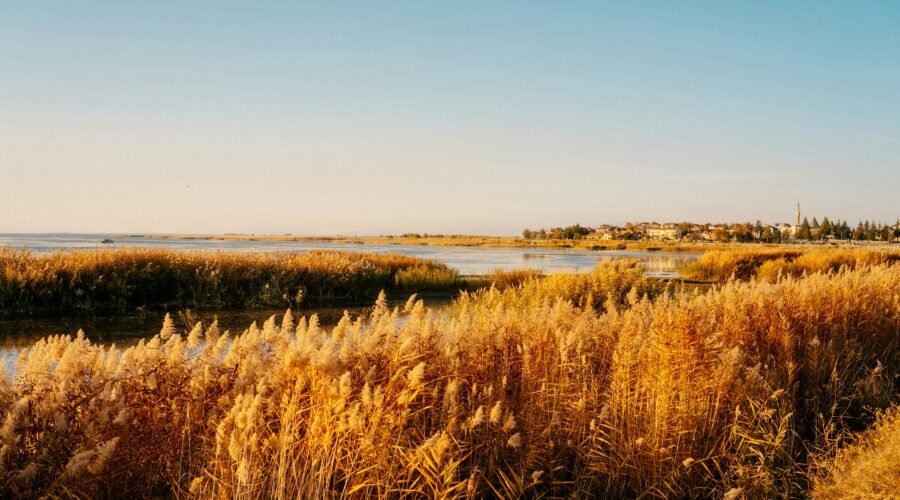
Beyşehir, nestled by its namesake lake in Konya, offers a captivating blend of history and nature. While you can visit year-round, the best time to experience Beyşehir’s unique charm, considering weather, crowds, and costs, is generally during the shoulder seasons: late spring (April-May) and early autumn (September-October). This period offers a sweet spot of pleasant temperatures, fewer tourists than peak summer, and more manageable prices.
Beyşehir experiences a continental climate, which means distinct seasons. Knowing what to expect weather-wise is key to planning your visit.
Summer (June-August): Hot, Sunny, and Bustling
If you love sunshine and aren’t bothered by heat, summer might appeal.
High Temperatures and Low Humidity
Expect average daily temperatures to hover between 28-35°C (82-95°F), sometimes spiking even higher. While it’s hot, the humidity is generally low, making it feel less oppressive than coastal areas. Early mornings and evenings are the most comfortable times for outdoor activities.
Ideal for Lake Activities
Summer is prime time for enjoying Lake Beyşehir. Swimming, boat trips (especially to Kızkulesi, the Maiden’s Tower), and waterside dining are popular. The lake acts as a natural cooler, and lakeside breezes can be a welcome relief from the midday heat.
Longer Daylight Hours
With long daylight hours, you have more time to explore, but remember to factor in midday heat for indoor or shaded activities.
Autumn (September-October): Mild, Pleasant, and Scenic
Autumn is arguably one of the best times to visit, striking a great balance.
Comfortable Temperatures
Temperatures cool down significantly, averaging 18-25°C (64-77°F). Days are still sunny, but evenings become delightfully crisp, perfect for a stroll by the lake or enjoying a traditional Turkish tea.
Beautiful Autumn Colors
The surrounding landscapes, especially around the lake and in the nearby mountains, begin to display beautiful autumn foliage. This offers stunning photographic opportunities and a more serene atmosphere for hiking or leisurely drives.
Less Crowded
As the summer holiday season concludes, tourist numbers generally decrease, leading to a more relaxed experience at attractions and restaurants.
Winter (November-March): Cold, Snowy, and Quiet
Winter in Beyşehir is a different experience entirely, offering a stark beauty for those who don’t mind the cold.
Chilly Temperatures and Potential Snowfall
Average temperatures range from -5°C to 5°C (23-41°F). Snowfall is common, especially in January and February, transforming the landscape into a winter wonderland. Roads are generally well-maintained, but always check conditions if planning to venture into higher elevations.
A Serene and Authentic Experience
If you’re seeking solitude and a glimpse of local life without the tourist crowds, winter can be incredibly rewarding. The Eşrefoğlu Mosque, particularly, looks stunning under a blanket of snow.
Limited Outdoor Activities
Many lake-based activities will be suspended or significantly reduced. Focus on indoor attractions, local cuisine, and perhaps some winter photography.
Spring (April-May): Fresh, Blooming, and Ideal
Spring is another excellent choice, similar to autumn in its appeal.
Pleasant and Warming Weather
Temperatures gradually rise from 10-20°C (50-68°F), making it very comfortable for sightseeing and outdoor exploration. The air is fresh, and the countryside bursts into bloom.
Lush Greenery
Melting snow and spring rains bring the landscape to life. The hillsides are vibrant green, and wildflowers dot the fields, creating a picturesque setting.
Migratory Birds Return
Lake Beyşehir is an important stopover for migratory birds. Spring offers fantastic opportunities for birdwatching enthusiasts as various species return to or pass through the area.
Navigating Crowd Levels: Peak vs. Off-Peak
The number of visitors can significantly impact your experience, from how quickly you can get into attractions to the general atmosphere.
Summer: The Busiest Time
Unsurprisingly, summer draws the largest crowds, particularly Turkish families on holiday.
Local Tourism Boom
Beyşehir is a popular domestic holiday destination. During June, July, and August, you’ll find hotels and guesthouses booking up, especially on weekends and public holidays. Restaurants can get busy, and popular spots like the Eşrefoğlu Mosque or boat tours might have small queues.
Lively Atmosphere
If you enjoy a lively atmosphere with plenty of people around, summer is great. The lakeside promenades are bustling in the evenings, and there’s a vibrant energy in the town.
Possible Price Hikes
With increased demand, you might notice slightly higher prices for accommodations and certain services during the peak summer months.
Shoulder Seasons (April-May & September-October): Just Right
The sweet spot for manageable crowds.
Fewer Tourists, More Space
You’ll find attractions are less crowded, giving you more time and space to appreciate them. It’s easier to find tables at popular restaurants, and the overall pace of the town is more relaxed.
Still Lively, But Not Overwhelming
The town still feels active, but without the intense rush of summer. You’ll encounter other travelers, but won’t feel like you’re constantly battling crowds.
Better Interaction Opportunities
With fewer tourists, locals often have more time and inclination for friendly conversations, offering a more authentic cultural exchange.
Winter: Quietest Time
If solitude is what you seek, winter delivers.
Virtually No Tourists
Beyond a few hardy travelers or those with specific interests like winter birdwatching, you’ll find very few tourists in Beyşehir during winter.
A Deeply Local Experience
This is the time to truly immerse yourself in the local way of life. Interact with shopkeepers, try seasonal dishes, and experience the town as residents do.
Some Establishments Might Close
Keep in mind that some seasonal businesses, particularly those catering exclusively to summer tourism (like certain lakeside cafes or boat tour operators), might be closed during the winter months. Always check in advance.
Cost Considerations: Making Your Budget Go Further

Your travel budget can stretch further depending on when you visit.
Peak Season (Summer) Expenses
While not overly expensive compared to major Turkish cities, Beyşehir can see slight price increases in summer.
Higher Accommodation Rates
Hotels and guesthouses are in higher demand, which can lead to slightly elevated prices. If traveling in summer, book your accommodation well in advance for the best rates and availability.
Potentially Pricier Tours and Activities
Some tour operators or boat rental services might have slightly higher rates during their busiest period. However, many basic costs like public transport and food remain relatively stable.
Increased Demand for Popular Restaurants
While food prices are generally reasonable, very popular spots might be harder to get into without reservations, and there’s less incentive for them to offer discounts.
Shoulder Season (Spring & Autumn) Value
This is often the best time for value.
More Competitive Accommodation Prices
As demand drops slightly from peak summer, you’ll often find better deals on hotels and guesthouses. You might even score a room with a lake view for a good price.
Stable or Slightly Reduced Activity Costs
Tours and activities maintain stable pricing, and you might even find some off-season promotions as providers look to fill spots.
Good Deals on Flights/Transport
If you’re flying into Konya from further afield, you might find more competitive airfare prices during the shoulder seasons compared to the peak summer. Same goes for intercity bus tickets.
Off-Season (Winter) Savings
Winter offers the most budget-friendly options, with some caveats.
Lowest Accommodation Costs
Hotels and guesthouses are at their least expensive as they compete for fewer guests. You might find significant discounts available.
Fewer Paid Activities
While individual activity prices remain low, fewer activities might be available overall, so factor that into your planning. If nature is your main draw, it’s free.
Local Transport is Unchanged
Public transport costs within Beyşehir and to Konya generally remain consistent year-round.
Why Beyşehir? Beyond the Seasons

No matter when you visit, Beyşehir offers unique attractions that make it a worthwhile destination.
Eşrefoğlu Mosque: A UNESCO Gem
This 13th-century wooden mosque is a masterpiece of Seljuk architecture and a UNESCO World Heritage site. Its intricate wood carvings, unique snow pit for cooling, and beautiful tile work are a must-see. It’s equally impressive whether under bright sun or a dusting of snow.
Lake Beyşehir: Turkey’s Third Largest
More than just a backdrop, the lake is central to Beyşehir’s identity.
Boat Trips and Island Exploration
Take a boat trip, especially to Kızkulesi (Maiden’s Tower), a small island with interesting historical ruins. Some tours might also visit other smaller islands.
Birdwatching Paradise
The lake and its shores are a vital ecosystem and a haven for various bird species, making it a key spot for birdwatchers throughout the year, especially during migration seasons.
Lakeside Promenade and Dining
Enjoy a leisurely stroll along the promenade, stopping at one of the many lakeside restaurants for fresh fish from the lake or traditional Turkish dishes.
Local Cuisine: A Taste of Anatolia
Beyşehir offers a delightful culinary experience, often focused on fresh local ingredients.
Beyşehir Güveç
Don’t leave without trying Beyşehir Güveç, a slow-cooked stew often prepared in a clay pot, featuring local meat and vegetables.
Lake Fish Freshness
Given its proximity to the lake, fresh fish is a staple here. Try roasted or grilled fish, often served simply with salads.
Traditional Turkish Breakfast
Experience a lavish Turkish breakfast, featuring regional cheeses, olives, fresh bread, and local honey, often enjoyed with views of the lake.
Historical Sites and Natural Beauty
Beyond the mosque, Beyşehir and its surroundings are rich in history and natural splendor.
Kubadabad Palace Ruins
Explore the ruins of Kubadabad Palace, a Seljuk summer residence on the lake’s southwestern shore, offering glimpses into medieval Anatolian royal life.
Trekking and Nature Walks
The surrounding Taurus Mountains offer opportunities for hiking and nature walks, providing stunning panoramic views of the lake and the plain. Spring and autumn are ideal for these activities due to comfortable temperatures.
Getting There and Around
Beyşehir is easily accessible by bus from Konya, which has good national bus connections and an airport. Once in Beyşehir, the town center is very walkable. Taxis are available for longer distances or trips to sites further afield.
Final Recommendation: Embrace the Shoulder Seasons
| Month | Weather | Crowds | Costs |
|---|---|---|---|
| April – May | Mild temperatures, little rainfall | Low to moderate | Moderate |
| June – August | Hot and dry | High | High |
| September – October | Mild temperatures, little rainfall | Low to moderate | Moderate |
| November – March | Cold temperatures, some rainfall | Low | Low |
To recap, if you’re looking for the sweet spot where pleasant weather, moderate crowds, and reasonable costs align, aim for late spring (April-May) or early autumn (September-October). You’ll get the best of Beyşehir without the intense summer heat or the quiet chill of winter. However, each season offers a unique lens through which to experience this charming Turkish town, so your “best time” will ultimately depend on your personal preferences and priorities.
FAQs
1. What is the best time to visit Beyşehir, Konya in terms of weather?
The best time to visit Beyşehir, Konya is during the spring (April to June) and autumn (September to November) when the weather is mild and pleasant. Summers can be hot and dry, while winters can be cold and snowy.
2. When is the peak tourist season in Beyşehir, Konya?
The peak tourist season in Beyşehir, Konya is during the summer months of July and August when the weather is hot and dry. This is also when the town experiences the highest number of visitors and crowds.
3. When is the off-peak season in Beyşehir, Konya?
The off-peak season in Beyşehir, Konya is during the winter months of December to February when the weather is cold and snowy. This is also when the town experiences fewer tourists and lower accommodation costs.
4. What are the average costs of visiting Beyşehir, Konya?
The average costs of visiting Beyşehir, Konya can vary depending on the season. During the peak tourist season, accommodation and activity costs may be higher, while during the off-peak season, costs may be lower.
5. Are there any annual events or festivals in Beyşehir, Konya that visitors should consider when planning their trip?
Beyşehir, Konya hosts the International Beyşehir Culture and Art Festival in July, which showcases traditional music, dance, and crafts. Visitors may want to consider this event when planning their trip to experience the local culture and traditions.