So, you’re thinking about a trip to Saskatoon? Great choice! It’s a city with a surprising amount to offer, from vibrant arts and culture to beautiful river valley trails. But like any trip, timing is everything. You want to hit it when the weather is nice, but maybe not when everyone else has the same idea and prices are through the roof.
Let’s break down the best times to make your Saskatoon adventure happen, looking at the good, the bad, and the budget-friendly for each season.
Summer in Saskatoon is generally considered the sweet spot for most visitors, and for good reason.
A. The Weather is Usually Amazing
- Temperatures: Think comfortable, not oppressive. July and August are the warmest months, with average daily temperatures hovering around 20-25°C (68-77°F). It’s perfect for exploring the city on foot or enjoying outdoor activities without breaking a sweat. Evenings are usually pleasant, ideal for patio drinks or a stroll along the river.
- Sunshine: Saskatoon gets a serious amount of sunshine in the summer. Long daylight hours mean you have ample time to pack in sightseeing and spontaneous adventures.
- Rainfall: While summer can bring thunderstorms, they are usually short-lived. You’re unlikely to have your entire trip washed out. Pack a light rain jacket, just in case.
B. What’s Happening During Summer?
- Festivals and Events Galore: This is when Saskatoon’s cultural scene truly comes alive. You’ll find everything from the Saskatoon Folk Fest to the Fringe Festival (one of the largest in North America!), farmers’ markets bursting with local produce, and outdoor concerts.
- Outdoor Recreation: With the beautiful Meewasin Valley Trail system and the South Saskatchewan River, summer is prime time for walking, cycling, kayaking, and picnicking. The parklands around the city offer great hiking opportunities too.
- Vibrant Patio Scene: Local restaurants and pubs really shine in the summer, offering fantastic outdoor seating options. It’s a great way to soak in the city’s atmosphere while enjoying a meal.
C. The Downside of Summer: Crowds and Costs
- Busiest Time: Because of the fantastic weather and packed event calendar, summer is peak tourist season. This means popular attractions, restaurants, and hotels can get quite busy.
- Higher Prices: Naturally, demand drives up prices. You’ll likely find the highest prices for flights and accommodation during July and August. Booking well in advance is your best bet to manage costs.
- Need for Planning: If you have specific must-do activities or restaurants in mind, it’s wise to book tickets or make reservations ahead of time, especially during major festival weekends.
If you’re planning a trip to Saskatoon, Saskatchewan, it’s essential to consider not only the best time to visit but also how to make the most of your experience. A related article that provides valuable insights into travel planning is available at Lele Tours, where you can find information on various travel tips, including weather patterns, local attractions, and budget-friendly options that can enhance your visit to this vibrant city.
2. Autumn: A Golden Transition
When the summer heat starts to fade, Saskatoon transforms into a different kind of gem. Autumn offers a compelling mix of pleasant weather and fewer crowds.
A. The Crisp Appeal of Fall Weather
- Temperatures: September is often a continuation of summer-like warmth, with average highs still in the mid-teens to low 20s°C (50s-70s°F). October sees a noticeable drop, with daytime highs closer to 7-15°C (40s-50s°F). November starts to feel distinctly chilly.
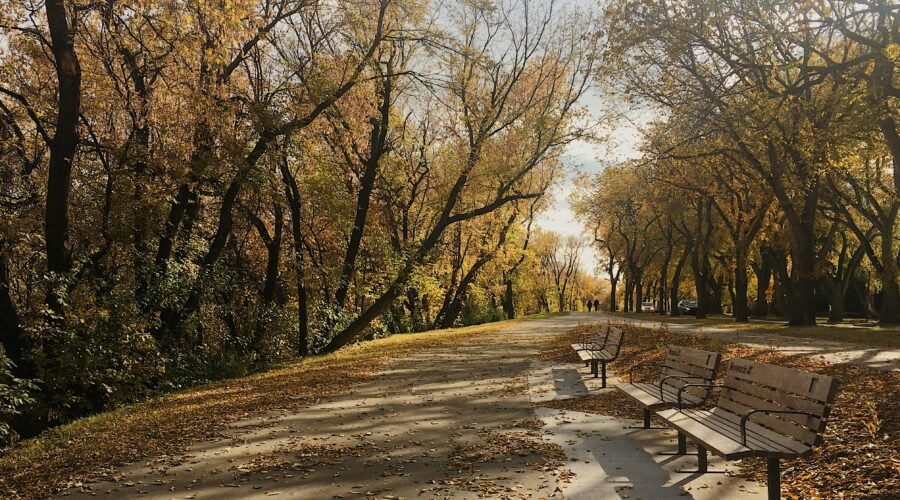
- Foliage: If you appreciate the beauty of changing leaves, this is your season. The river valley turns into a stunning display of reds, oranges, and yellows. It’s breathtaking for a walk or drive.
- Less Humidity: Compared to the summer, autumn air is often drier and crisper, which many people find very comfortable for outdoor activities.
B. What to Enjoy in the Fall
- Harvest Season Delights: Autumn is harvest time! Saskatoon’s farmers’ markets are still going strong, offering an abundance of fresh produce, pumpkins, and fall treats. There are also often harvest festivals and events celebrating local agriculture.
- Cozy City Exploration: With fewer crowds, it’s a more relaxed pace to explore the city’s galleries, museums, and independent shops. Enjoying a warm coffee or a hearty meal in a local café becomes a more intimate experience.
- Outdoor Adventures (with Layers): The cooler weather is still perfect for hiking and cycling, especially in the early fall. Just make sure to pack layers of clothing, as temperatures can fluctuate throughout the day.
C. The Trade-offs in Autumn
- Weather Variability: While early fall is often glorious, the weather can become unpredictable as you move into late October and November. Snow is not uncommon by then.
- Shorter Daylight Hours: The days get noticeably shorter as autumn progresses, meaning less time for outdoor exploration after work or in the afternoon.
- Some Attractions Wind Down: Certain outdoor-focused events or seasonal attractions might start to close down towards the end of September or October.
3. Winter: A Different Kind of Magic (If You Can Handle the Cold)

Saskatoon in winter is not for the faint of heart, but it offers a unique charm and, importantly, the lowest prices and fewest crowds.
A. The Realities of Saskatchewan Winters
- The Cold is Real: Saskatoon experiences a continental climate, which means cold winters. January is typically the coldest month, with average daily temperatures well below freezing, often -10°C to -20°C (14°F to -4°F) and wind chills can make it feel much colder.
- Snowfall: Snow is a given. The city is often covered in a blanket of white, creating picturesque scenes. However, it also means conditions can be slippery, and travel might be affected by blizzards.
- Short Days: Daylight hours are at their shortest in winter, with the sun setting early each afternoon.
B. Why Consider a Winter Visit?
- Unbeatable Prices: This is the absolute best time to visit if you’re on a tight budget. Flights and accommodation are significantly cheaper than in the summer.
- No Crowds: You’ll have many of Saskatoon’s attractions almost to yourself. Museums, galleries, and restaurants will be much quieter, offering a more relaxed experience.
- Winter Sports and Activities: If you love winter sports, Saskatoon offers opportunities for ice skating (often on outdoor rinks), cross-country skiing in the river valley, and snowshoeing. The city celebrates winter with events like WinterCity evenings.
- Cozy Indoor Pursuits: It’s the perfect excuse to embrace cozy indoor activities. Explore the art galleries, enjoy the city’s excellent restaurant scene, catch a theatre performance, or simply relax in a warm café.
C. The Challenges of a Winter Trip
- Extreme Cold: This is the biggest factor. You need to be prepared with appropriate winter clothing – think layers, insulated boots, hats, and gloves. Activities will likely be shorter and more focused on getting warm breaks.
- Limited Outdoor Exploration: While winter sports are an option, extended periods of outdoor sightseeing are challenging due to the cold.
- Driving Conditions: If you plan on driving, be prepared for potentially challenging road conditions due to snow and ice.
4. Spring: A Gradual Awakening

Spring in Saskatoon is a season of transition, moving from the harshness of winter to the bloom of summer. It can be a mixed bag, but with potential for good deals.
A. The Weather’s Unpredictability
- Fluctuating Temperatures: Early spring (March, April) can still be quite cold with late snowfalls. May usually starts to warm up, with average temperatures climbing into the 10-17°C (50-60s°F) range.
- Mud and Melting: As the snow melts, things can get muddy, especially in parks and along trails. The landscape is often brown and still awakening from winter.
- Variable Sunshine: While you’ll get sunny days, spring can also bring grey skies and rain.
B. What Spring Offers
- Fewer Crowds (Early Spring): If you visit in March or April, you’ll encounter very few tourists, meaning lower prices and a peaceful city.
- The Green Shoots of Rebirth: As May arrives, you’ll see the city coming back to life. Trees bud, flowers start to appear, and the river valley begins to regain its colour.
- Early Outdoor Season Kick-off: By late May, the weather is often pleasant enough for outdoor dining, and some early walking and biking trails become accessible.
C. The Downsides of Spring
- The “Messy” Season: As mentioned, the melting snow and mud can make for less aesthetically pleasing conditions in the early spring.
- Weather Lateness: It can take a while for the true warmth and comfort of spring to settle in, making it a gamble for those seeking guaranteed pleasant outdoor weather.
- Limited Major Events: While there might be smaller events, spring doesn’t typically host the large-scale festivals that draw big crowds in the summer.
If you’re planning a trip to Saskatoon, Saskatchewan, understanding the best time to visit can greatly enhance your experience. Factors such as weather, crowds, and costs play a significant role in determining the ideal time for your journey. For more insights on how to make the most of your travel plans, you might find this related article helpful. It offers valuable tips and suggestions that can help you navigate your visit more effectively. You can check it out here.
5. Shoulder Seasons: Your Secret Weapons for Value and Fewer People
| Month | Weather | Crowds | Costs |
|---|---|---|---|
| June | Mild and pleasant | Moderate | High |
| July | Warm and sunny | High | High |
| August | Warm and sunny | High | High |
| September | Cooling down | Moderate | Moderate |
The “shoulder seasons” are that sweet spot between the peak summer rush and the quiet winter lull, and they can be your best bet for a balanced trip.
A. Late Spring (May)
- The Sweet Spot: May offers a great compromise. The worst of the winter is over, the city is starting to look green, and the summer crowds haven’t descended yet.
- Pleasant Temperatures: You can expect comfortable daytime temperatures for exploring.
- Prices Start to Rise, But Still Reasonable: While not as cheap as winter, prices for flights and accommodation in May are generally lower than in June, July, and August.
B. Early Fall (September and Early October)
- Still Glorious: September is often a continuation of fantastic summer-like weather. The fall colours start to emerge, creating a beautiful backdrop.
- Events Continue: Many summer festivals extend into early September, and there are often fall-themed events.
- Crowds Thin Out: As families return to school and summer vacations end, the crowds noticeably diminish, making it easier to enjoy attractions.
- Great Value: You’ll find a better balance of good weather and reasonable prices. Accommodation and flight deals can often be found.
C. Making the Most of Shoulder Seasons
- Flexibility is Key: Be prepared for a bit more weather variability than in peak summer, especially in late spring or early fall.
- Book Ahead (Slightly): While not as critical as peak summer, booking your accommodation and flights a few months in advance will still secure you better rates.
- Enjoy the Local Vibe: Shoulder seasons are fantastic for experiencing Saskatoon like a local, with a more relaxed pace and less pressure to tick off every single tourist attraction.
If you’re planning a trip to Saskatoon, Saskatchewan, it’s essential to consider not only the best time to visit but also the various activities and attractions available throughout the year. For a deeper understanding of what to expect during your stay, you might find it helpful to read an article on the local culture and events that can enhance your experience. This will provide insights into the vibrant community and seasonal festivities that make Saskatoon a unique destination.
6. Specific Activity Considerations: What Do You Want to Do?
Ultimately, the “best” time to visit Saskatoon also depends on what you hope to get out of your trip.
A. For Festival Lovers
- Summer is King: If you’re all about live music, theatre, and vibrant outdoor events, then summer (especially July and August) is your unmissable window. The Saskatoon Folk Fest and Fringe Festival are major draws.
- Fall Festivals: Keep an eye out for harvest festivals and early fall art events.
B. For Outdoor Enthusiasts
- Summer and Early Fall: For hiking, biking, kayaking, and general exploration of the river valley and surrounding parks, the warmer months of summer and early fall (September) are ideal.
- Winter Sports: If cross-country skiing, ice skating, or snowshoeing are your thing, then winter is obviously your season.
C. For Budget Travellers
- Winter Wins: If your primary concern is saving money, the winter months (November to March) will offer the lowest prices for flights and accommodation.
- Late Spring and Early Fall: These shoulder seasons offer a good compromise between decent weather and more affordable travel options.
D. For a Quiet, Relaxed Pace
- Winter and Early Spring: If you want to avoid crowds entirely and enjoy a more introspective experience, then the winter months or very early spring (before the thaw fully kicks in) will be your best bet.
- Mid-Week Travel: Regardless of the season, traveling mid-week rather than on weekends can often lead to fewer crowds and potentially lower prices.
E. For Arguably the Best Overall Balance
- Late May to Early June: The city is blooming, the weather is generally pleasant, and the major summer crowds haven’t fully arrived yet.
- September: This month offers a fantastic continuation of good weather, beautiful fall colours, and a noticeable decrease in tourist numbers, making it ideal for a balanced experience.
In conclusion, while summer may offer the most consistently perfect weather and the most events, Saskatoon is a city that shines in different ways throughout the year. By considering the weather, potential crowds, and your budget, you can pinpoint the time that best suits your travel style and ensure a memorable visit to this prairie gem.
FAQs
1. What is the best time to visit Saskatoon, Saskatchewan for favorable weather?
The best time to visit Saskatoon for favorable weather is during the summer months of June, July, and August when temperatures are warm and precipitation is lower.
2. When is the peak tourist season in Saskatoon, Saskatchewan?
The peak tourist season in Saskatoon is during the summer months, particularly in July and August, when the weather is warm and many outdoor events and festivals take place.
3. What is the off-peak season in Saskatoon, Saskatchewan?
The off-peak season in Saskatoon is during the winter months of December, January, and February when temperatures are cold and snowfall is common.
4. When can visitors find lower costs for accommodations and attractions in Saskatoon, Saskatchewan?
Visitors can find lower costs for accommodations and attractions in Saskatoon during the off-peak seasons of winter and early spring, particularly in December, January, and February.
5. What are some popular events and festivals in Saskatoon, Saskatchewan throughout the year?
Some popular events and festivals in Saskatoon throughout the year include the Saskatoon Exhibition in August, the SaskTel Saskatchewan Jazz Festival in June, and the Nutrien Fireworks Festival in August.