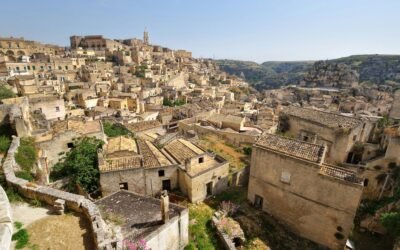
Planning a trip to Gaziantep means balancing weather, food festivals, busy travel dates, and the best conditions for exploring its historic streets. The best time to visit Gaziantep is usually April, May, or October, but each season offers something different. September attracts food lovers during pistachio harvest season, while winter suits travelers who prefer quieter sightseeing and hearty local meals.
Quick Answer
The best time to visit Gaziantep, Turkey, is April–May or October. April offers mild sightseeing weather, May brings warmer and generally drier days, and October combines pleasant temperatures with autumn food events. September is excellent for pistachio harvest experiences but remains hot. July and August are the least comfortable months for extended outdoor sightseeing.
Last checked: October 23, 2026. Dates and figures were verified against official sources.
Key Takeaways
- May and October have average daytime highs of 26°C and 25°C, respectively, making them especially attractive for walking tours.
- September averages 31.8°C during the day, so it is warmer than many visitors expect from autumn.
- Pistachio harvesting includes an early green harvest in August and a later harvest of mature nuts in September.
- GastroANTEP took place October 3–11 in 2026. Future festival dates should not be assumed to match older September schedules.
- Winter can be a quieter alternative, but rainfall, cold evenings, and shorter daylight hours require more indoor activities.
Best Time to Visit Gaziantep: Weather by Month
Gaziantep has hot, relatively dry summers and cool, wetter winters. April, May, and October offer the most useful balance for travelers who want to explore outdoor markets, historic neighborhoods, and museums without dealing with extreme heat.
The following temperatures and rainy-day averages come from the Turkish State Meteorological Service’s Gaziantep climate normals for 1991–2020. These are long-term averages, not predictions for a particular trip. Crowd descriptions are general planning expectations rather than measured monthly visitor counts.
| Month | Average High / Low | Rainy Days | Crowds and Travel Conditions |
|---|---|---|---|
| January | 8.4°C / 0.4°C | 13 | Cold, often wet; suitable for indoor attractions and potentially quieter travel. |
| February | 10.2°C / 0.9°C | 12 | Cold weather; a reasonable choice for museum-focused trips. |
| March | 15.0°C / 4.2°C | 12 | Early spring; Eid al-Fitr falls March 9–11 in 2027. |
| April | 20.3°C / 8.3°C | 11 | Excellent walking temperatures; spring showers remain possible. |
| May | 26.0°C / 13.0°C | 8 | Warm sightseeing weather; May festivals and the 2027 Eid holiday may increase demand. |
| June | 31.9°C / 18.1°C | 2 | Hotter afternoons; outdoor visits are easier early in the day. |
| July | 36.0°C / 22.1°C | 1 | Very hot and dry; school-holiday travel can affect demand. |
| August | 36.2°C / 22.1°C | Under 1 | Very hot; early pistachio harvesting and regional produce events. |
| September | 31.8°C / 17.5°C | 2 | Pistachio harvest; regional festivals may create busier weekends. |
| October | 25.0°C / 11.7°C | 7 | Excellent weather; GastroANTEP ran October 3–11 in 2026. |
| November | 16.5°C / 5.4°C | 9 | Cooler and wetter; potentially quieter outside event dates. |
| December | 10.4°C / 1.9°C | 13 | Cold and wet; December 25 marks Gaziantep’s liberation anniversary. |
Rainy days are rounded from the official monthly averages. For example, May typically has about eight rainy days, while October has about seven. July and August are much drier, but their heat makes outdoor sightseeing more demanding.
Spring in Gaziantep (March–May): Best for Comfortable Sightseeing
Spring is one of the most enjoyable times to explore Gaziantep. April is especially comfortable for long walks, while May offers warmer conditions and fewer rainy days. March is cooler and can still feel like winter in the evenings.
How Warm Is Gaziantep in April and May?
April averages a daytime high of 20.3°C (69°F), with nighttime lows around 8.3°C (47°F). You can usually enjoy the old city’s streets without the intense heat found later in the year. A light jacket is useful after sunset.
May is noticeably warmer, with average highs of 26°C (79°F) and lows of 13°C (55°F). It is a good choice if you like sunny outdoor lunches, comfortable evening walks, and exploring several attractions in one day.
Spring rainfall decreases as the season progresses. April averages 56.1 mm of precipitation, compared with 32.9 mm in May. A compact umbrella or lightweight rain jacket is still worth packing.
What Can You Do in Gaziantep During Spring?
Spring is excellent for exploring the Bakırcılar Çarşısı, the traditional coppersmiths’ bazaar, where artisans make and sell copper goods. The nearby Almacı Bazaar is another good stop for spices, dried produce, and local pistachios.
You can wander through the historic center, visit traditional neighborhoods, and enjoy the gardens and seasonal produce that begin appearing as temperatures rise. Walking through the public bazaar streets is free, although purchases and museum admission cost extra.
Gaziantep Castle remains an important landmark overlooking the city. However, the Ministry of Culture’s official castle listing currently shows the site as closed. Restoration announcements have described completed work, so visitors should not assume the castle interior is accessible without confirmation.
Are Spring Crowds and Hotel Prices Reasonable?
Spring attracts visitors who want comfortable sightseeing conditions. However, Gaziantep does not have a reliable public monthly ranking showing that April or May is always more crowded or expensive than other months.
Hotel prices vary by weekday, business travel, events, and public holidays. April and May can offer good value, but they are not guaranteed to be cheaper than summer.
Spring Festivals and Seasonal Food
Gaziantep has a lively spring cultural calendar. The provincial Culture and Tourism Directorate’s events calendar lists Tourism Week activities for April 15–22 and Hıdırellez celebrations on May 6.
Older references also mention a Gaziantep Culture and Art Festival associated with May, featuring concerts, exhibitions, and traditional performances. A confirmed upcoming edition with a fixed May date was not established in the current official calendar, so that festival should not be treated as guaranteed.
Spring is also a good time to sample local greens, vegetables, and fresh produce. Gaziantep’s famous pistachios are available throughout the year, although their main harvest period comes later.
Best for: First-time visitors, history enthusiasts, photographers, and travelers who want comfortable weather for long walks.
Summer in Gaziantep (June–August): Hot, Dry, and Challenging
Summer offers bright skies and very little rainfall, but heat becomes the main obstacle. June is already hot, while July and August have average highs above 36°C (97°F). Travelers who dislike extreme temperatures may find this the least comfortable season.
How Hot Does Gaziantep Get in Summer?
Gaziantep’s average daytime high rises from 31.9°C (89°F) in June to 36°C (97°F) in July and 36.2°C (97°F) in August. Individual days can climb considerably higher.
Summer is generally dry rather than consistently humid. Still, occasional muggy weather can make long walks feel more tiring. Hot evenings may also offer less relief than travelers expect.
Rainfall is very low. July averages only 10.6 mm of precipitation, while August averages 8.5 mm. Dry conditions are good for avoiding rain delays, but intense sunshine can make uncovered historic sites uncomfortable.
How Should You Plan a Summer Visit?
The most practical summer plan is to explore outdoor attractions early in the morning and after the strongest afternoon heat has passed. Reserve the middle of the day for shaded restaurants, covered bazaars, or air-conditioned museums.
The Zeugma Mosaic Museum is an excellent indoor option. It houses Roman and Eastern Roman mosaics, including the famous Gypsy Girl mosaic, along with sculptures and archaeological objects.
According to the official Zeugma Mosaic Museum listing, the museum is open daily, with its currently displayed schedule running from 8:30 a.m. to 5 p.m. and ticket sales ending at 4:30 p.m. Its international visitor listing shows a €12 admission price. Seasonal extensions and ticket conditions can change.
Warning: Gaziantep’s summer temperatures can make prolonged outdoor sightseeing unsafe, especially for young children, older visitors, and people sensitive to heat. Carry drinking water, use sun protection, and move indoors if you develop dizziness, weakness, or other symptoms of heat illness.
Lightweight clothing, comfortable walking shoes, and shaded meal breaks make summer travel easier. Restaurants serving kebabs, baklava, and other local specialties can become pleasant places to escape the strongest sunshine.
Is Summer the Busiest and Most Expensive Season?
Summer coincides with school holidays and domestic family travel, which can increase demand on some dates. Yet Gaziantep is not primarily a beach destination, and extreme heat may discourage other visitors.
Therefore, it is not accurate to assume that July and August always have the largest crowds or the highest hotel rates. A summer weekday may cost less than a major festival weekend in October. Air-conditioned accommodation is especially valuable during these months.
Are There Summer Festivals?
The provincial tourism calendar includes the İslahiye Grape, Pepper and Culture Festival, traditionally associated with late August. It reflects the region’s agricultural traditions and includes cultural activities.
Late summer also marks the beginning of pistachio harvesting. Early-harvest green pistachios are especially prized for desserts, although visiting farms is a separate activity from walking the city markets.
Best for: Travelers with fixed summer holidays, visitors prioritizing museums and restaurants, and people comfortable with substantial heat.
Autumn in Gaziantep (September–November): Best for Food and Festivals
Autumn is another excellent season to visit Gaziantep, especially if food is a major reason for your trip. September brings pistachio harvest activity, October offers milder sightseeing temperatures, and November provides cooler conditions with a greater chance of rain.
Is September or October Better for Weather?
October is the better choice for most travelers who prioritize comfortable walking conditions. Its average high is 25°C (77°F), compared with 31.8°C (89°F) in September.
September still feels like late summer on many afternoons. It is considerably drier than October, with an average of just 2.2 rainy days versus 6.9 rainy days.
October evenings can be cool, with average lows of 11.7°C (53°F). That makes the month especially pleasant for outdoor meals, relaxed market visits, and exploring the city’s historic streets.
November is cooler again, with an average daytime high of 16.5°C (62°F). It can work well for travelers who prefer crisp weather, although rainfall becomes more common.
When Is Pistachio Harvest Season in Gaziantep?
The Gaziantep pistachio harvest generally extends across late summer and early autumn, but there are two important stages.
- Early August onward: Farmers begin harvesting green, less mature pistachios known as boz fıstık. These are especially valuable for baklava and other sweets because of their rich green color and flavor.
- September: The harvest of more mature, red-shelled pistachios becomes prominent. These are commonly prepared for snacking and other food uses.
This distinction is supported by Anadolu Agency’s reporting on Gaziantep pistachio production, which describes early green harvesting beginning in August and red-shelled harvesting continuing through September.
Harvest timing varies with weather and growing conditions. Markets may feature newly harvested products during this period, but not every stall will sell pistachios directly from a local farm.
What Makes Autumn Good for Food Lovers?
Gaziantep has been part of the UNESCO Creative Cities Network in Gastronomy since 2015. Its food culture combines regional agriculture, historic trade routes, and generations of traditional cooking.
Autumn is an appealing time to try pistachio baklava, katmer, different types of kebab, beyran soup, and other regional dishes. Many foods are available all year, but harvest-related market activity adds interest during late summer and autumn.
You can also visit spice sellers, traditional bakeries, and copper workshops. The comfortable October temperatures make it easier to combine several food stops with sightseeing.
When Does GastroANTEP Take Place?
GastroANTEP is one of Gaziantep’s major food-focused events. While older travel guides commonly describe it as a September festival, its schedule has changed.
The Gaziantep Metropolitan Municipality’s official 2026 festival announcement confirms that GastroANTEP and the Türkiye Culture Route Festival ran from October 3 to October 11, 2026.
The 2026 program included concerts, culinary activities, local producers, and cultural events across the city. Festival Park served as a major activity center, with the international gastronomy program highlighting October 10–11.
Festival dates are not permanently fixed to one month. Travelers planning another year should use the confirmed edition dates for that year rather than assuming a September schedule.
Are Autumn Crowds and Prices Manageable?
Autumn can offer comfortable sightseeing without the difficulties of summer heat. However, major culinary events can create concentrated visitor demand, especially around festival venues and popular restaurants.
A festival weekend may be busier or more expensive than a regular weekday. For travelers who want Gaziantep’s food scene without large event crowds, October dates outside major festival programs may be preferable.
Best for: Food enthusiasts, cultural travelers, market shoppers, and anyone who enjoys combining comfortable weather with seasonal produce.
Winter in Gaziantep (December–February): Quiet, Cold, and Food-Focused
Winter offers a different side of Gaziantep. The weather is colder and wetter, but the city’s museums, traditional restaurants, and covered shopping areas remain appealing. This season may suit travelers who value a slower trip more than sunny outdoor sightseeing.
How Cold Is Gaziantep During Winter?
January is the coldest month, with an average high of 8.4°C (47°F) and an average low of 0.4°C (33°F). December and February are usually a little warmer during the day.
Snow is possible, especially during winter cold spells, although it does not fall consistently. Rain is a more regular concern, with December and January each averaging around 13 rainy days.
Shorter daylight hours also reduce the time available for outdoor attractions. Warm layers, a weather-resistant jacket, and suitable footwear are useful.
What Are the Best Indoor Activities in Winter?
Winter is well suited to exploring the Zeugma Mosaic Museum, the city’s Hamam Museum, and other cultural collections. These attractions offer an alternative to spending several hours outside in cold or wet weather.
Another worthwhile stop is Gaziantep Archaeology Museum. The official Turkish Museums listing confirms that it reopened with renewed displays in 2026.
Its listed winter hours are 8 a.m. to 5 p.m., with Mondays closed. Published admission prices are €4 for foreign visitors and 200 Turkish lira for Turkish adult visitors, subject to applicable exemptions and future changes.
Gaziantep’s food is another good reason to visit in winter. Warming dishes such as beyran, yuvalama, kebabs, fresh bread, and hot tea make the colder weather more enjoyable.
Does Winter Offer the Lowest Travel Costs?
Winter can be a good period to search for accommodation on dates with lower leisure demand. However, there is no verified fixed month when Gaziantep hotels or flights are always cheapest.
Hotel categories, local conferences, weekends, and holiday travel can change prices throughout the year. Lower visitor numbers at individual attractions do not automatically mean lower costs for every part of a trip.
Winter can still provide good value if you prioritize museums, restaurants, and shorter outdoor walks rather than full-day sightseeing.
Are There Winter Festivals or Special Events?
December 25 marks Gaziantep’s liberation anniversary, an important date in the city’s history. Public commemorations and local activities may take place around the anniversary.
The International Zeugma Film Festival is also associated with Gaziantep’s cultural calendar, with December mentioned in tourism descriptions. However, a confirmed upcoming edition date was not established during this review.
Travelers who enjoy cultural programs may find winter rewarding, even though it is not the main period for outdoor food festivals.
Best for: Budget-conscious travelers comparing off-season dates, museum lovers, food enthusiasts, and people who prefer a quieter atmosphere.
Gaziantep Festivals and Public Holidays That Affect Travel Plans
Festivals and holidays can matter as much as temperature when selecting travel dates. Major events may increase hotel demand and restaurant activity, while national holidays can affect transport and business operating hours.
Which Local Events Are Worth Considering?
Gaziantep and its surrounding districts have several cultural and agricultural celebrations. Some are long-established, while others change schedules or do not take place every year.
- April 15–22: Tourism Week activities are listed in the provincial calendar.
- May 6: Hıdırellez celebrations welcome the spring season through local traditions.
- Late August: The İslahiye Grape, Pepper and Culture Festival is traditionally associated with the agricultural calendar.
- Early September: The provincial calendar lists a pistachio festival in Nizip around September 4–5.
- Late September: Oğuzeli has traditionally hosted a pomegranate and culture festival.
- October: GastroANTEP and cultural programming can draw food enthusiasts and domestic visitors, depending on the year’s confirmed schedule.
- October 29: Republic Day is a national holiday, with ceremonies and celebrations across Türkiye.
- December 25: Gaziantep’s liberation anniversary is marked locally.
The International Gaziantep Pistachio Culture and Art Festival is another event found in older travel calendars. Historical editions included performances, cultural activities, and pistachio celebrations. However, it should not be treated as a guaranteed annual September event without a confirmed program.
The dates in older general festival calendars are useful for understanding traditional event periods, but they are not confirmation that every event will be held on those exact dates in a future year.
When Are Eid al-Fitr and Eid al-Adha in 2027?
Islamic holidays change dates each year because they follow the lunar calendar. In Türkiye, Eid al-Fitr is known as Ramazan Bayramı, while Eid al-Adha is called Kurban Bayramı.
According to the Presidency of Religious Affairs’ official 2027 religious calendar, the dates are:
- Eid al-Fitr: March 9–11, 2027, with the holiday eve on March 8.
- Eid al-Adha: May 16–19, 2027, with the holiday eve on May 15.
These holidays can bring heavier domestic travel as families visit relatives. Some local businesses may close or operate shorter hours, especially during the opening days.
For a trip focused on restaurants, markets, and museums, dates outside major holiday travel periods can make planning simpler.
How to Choose the Best Travel Dates for Your Trip
The ideal month depends on what matters most to you. Comfortable weather, seasonal food, quiet sightseeing, and accommodation value do not always peak at the same time.
- For first-time sightseeing: Choose April or October for moderate daytime temperatures and manageable walking conditions.
- For warmer spring weather: Choose May, when average rainfall is lower than in April.
- For pistachio harvesting: Choose August for early green pistachios or September for the later mature harvest.
- For culinary festivals: Match your trip to the confirmed GastroANTEP program rather than a fixed assumption about its month.
- For indoor attractions and quieter travel: Consider December through February, provided you are comfortable with colder weather.
- For a possible accommodation bargain: Compare ordinary weekdays outside major festivals and national holiday periods, regardless of the season.
For a balanced visit, May and October are particularly strong choices. You can explore the old bazaars, spend time in museums, enjoy traditional food, and walk between attractions without the extreme summer heat. April is an excellent alternative if you prefer cooler weather.
Frequently Asked Questions
What is the best month to visit Gaziantep for good weather?
May and October are excellent choices for Gaziantep sightseeing. Their average highs are 26°C and 25°C, respectively, compared with about 36°C in July and August. April is cooler but wetter.
Is September a good time to visit Gaziantep?
Yes, September suits food lovers and pistachio-harvest trips, but it is still hot. The long-term average daytime high is 31.8°C (89°F), so morning sightseeing is more comfortable than long midday walks.
When is the busiest tourist season in Gaziantep?
Gaziantep does not have one reliably documented citywide peak month. Festival dates, Turkish public holidays, school breaks, and weekends can create local surges. Expect extra demand around GastroANTEP rather than assuming every summer day is busiest.
When is the cheapest time to visit Gaziantep?
Winter may be a good time to compare lower-demand hotel dates, but there is no verified fixed cheapest month. Rates shift with flight schedules, conferences, holiday weekends, and individual properties. Compare your actual dates before booking.
Does it snow in Gaziantep in winter?
Yes, snow is possible in Gaziantep, particularly in the colder winter months, but it is not guaranteed. January averages a daytime high of 8.4°C (47°F) and a low of 0.4°C (33°F). Rain is much more frequent than in summer.
What are the main festivals in Gaziantep?
GastroANTEP and the Türkiye Culture Route Festival ran from October 3 to 11 in 2026. Other events include Hıdırellez celebrations in May and pistachio and produce festivals in nearby districts. Dates can change from year to year.
Are Gaziantep museums open in winter?
The Zeugma Mosaic Museum lists daily opening at 8:30 a.m. and closing at 5 p.m. on its official page. The Gaziantep Archaeology Museum also operates in winter but closes on Mondays. The Ministry of Culture’s listing currently marks Gaziantep Castle as closed.
When is Eid in Türkiye in 2027?
Türkiye’s religious calendar lists Eid al-Fitr for March 9–11, 2027, and Eid al-Adha for May 16–19, 2027. Transport and hotel demand can rise around these dates, while some businesses may reduce hours during the holidays.
Sources
- Turkish State Meteorological Service: Official Gaziantep monthly temperature, rainy-day, and precipitation averages for 1991–2020.
- UNESCO Creative Cities Network: Gaziantep’s gastronomy designation and culinary heritage.
- Gaziantep Provincial Culture and Tourism Directorate: Traditional festivals, local celebrations, and commemorative dates.
- Gaziantep Metropolitan Municipality: Confirmed October 3–11, 2026, GastroANTEP festival schedule and activities.
- Anadolu Agency: Early green pistachio harvesting and September red-shelled pistachio harvest.
- Republic of Türkiye Ministry of Culture and Tourism – Zeugma Mosaic Museum: Museum collection, visitor access, and operating hours.
- Republic of Türkiye Ministry of Culture and Tourism – Gaziantep Castle: Official attraction status and visitor information.
- Turkish Museums – Gaziantep Archaeology Museum: Reopening information, visiting hours, and admission prices.
- Presidency of Religious Affairs: Official 2027 Ramadan and Eid holiday dates.