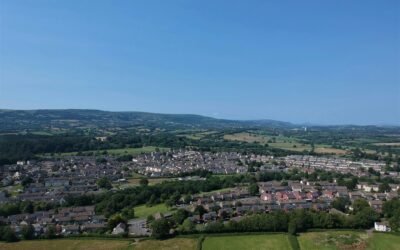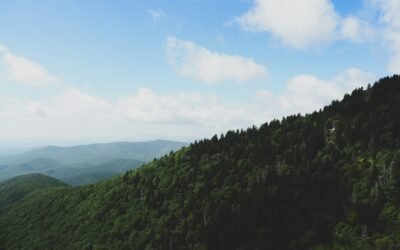
Giresun, on Turkey’s Black Sea coast, offers green mountains, historic landmarks, coastal scenery, and traditional highland villages. But the best time to visit Giresun, Turkey, depends on whether you prefer comfortable sightseeing, summer festivals, beach activities, or peaceful mountain scenery. Rain falls throughout the year, so choosing the right month makes a real difference.
Quick Answer
For most travelers, the best time to visit Giresun is May to June or September to early October. These months balance comfortable weather, green scenery, and manageable crowds. Choose July or August for swimming and mountain festivals. Winter is quieter but wetter, while the highland areas can become difficult to reach because of snow.
Last checked: October 23, 2026. Dates and figures were verified against official sources.
Key Takeaways
- May has the lowest average monthly rainfall total, at 68.5 mm, according to Turkish meteorological records.
- August is the warmest month, with an average daytime high of 26.7°C (80°F).
- May festival dates and summer highland celebrations can attract large local crowds, even outside the busiest beach weeks.
- September offers comfortable coastal sightseeing, but rainfall increases considerably compared with summer.
- Mountain plateaus are much cooler than the city, and early-season snow can limit access.
Best Time to Visit Giresun, Turkey, by Month
May, June, and September offer some of Giresun’s most comfortable conditions for sightseeing. July and August are warmer and suit coastal recreation, while winter is generally better for travelers who prioritize quiet city visits.
The following figures come from the Turkish State Meteorological Service’s Giresun climate statistics, covering observations through 2025. Temperatures represent average daily highs and lows in the coastal city, not mountain conditions. Crowd descriptions are practical seasonal estimates rather than official visitor counts.
| Month | Average High / Low | Average Rainfall | Typical Crowds | Travel Highlights |
|---|---|---|---|---|
| January | 10.7°C / 4.8°C | 128.3 mm | Low | Quiet city sightseeing |
| February | 10.7°C / 4.5°C | 100.9 mm | Low | Coastal walks between showers |
| March | 11.9°C / 5.4°C | 99.2 mm | Low | Early spring greenery |
| April | 15.1°C / 8.5°C | 75.7 mm | Low to moderate | Spring landscapes and castle visits |
| May | 19.0°C / 12.8°C | 68.5 mm | Moderate; festival peaks | Aksu Festival and green scenery |
| June | 23.6°C / 17.2°C | 77.3 mm | Moderate, increasing | Coastal trips and early highland visits |
| July | 26.2°C / 19.9°C | 81.4 mm | High | Beaches, highlands, local celebrations |
| August | 26.7°C / 20.4°C | 89.1 mm | High | Swimming, hazelnut harvest, Kümbet Festival |
| September | 23.7°C / 17.4°C | 130.4 mm | Moderate; event peaks | Comfortable sightseeing and cultural events |
| October | 20.0°C / 13.8°C | 162.9 mm | Low to moderate | Autumn colors and photography |
| November | 16.4°C / 10.2°C | 150.9 mm | Low | Quiet cultural visits and rainy scenery |
| December | 13.0°C / 7.0°C | 127.4 mm | Low | Quiet winter city trips |
These are long-term averages, not predictions for a particular trip. For example, May has Giresun’s lowest average monthly rainfall total, but it still averages about 14 days with measurable precipitation.
Likewise, October can feel pleasantly mild at 20°C (68°F), yet its average rainfall reaches 162.9 mm. If outdoor hiking is your priority, this matters as much as temperature.
Understanding Giresun’s Black Sea Climate
Giresun has a humid coastal climate shaped by the Black Sea. Unlike Turkey’s Mediterranean coast, it receives substantial rain in every season. That rainfall supports the region’s forests, hazelnut orchards, and green mountain slopes.
How Does the Black Sea Affect the Weather?
The Black Sea helps moderate Giresun’s temperatures. Summers are warm and humid, while coastal winters are relatively mild compared with Turkey’s colder inland areas.
Moist air from the sea also contributes to clouds and rainfall. A sunny morning can turn into an overcast afternoon, particularly when weather systems cross the coastline.
This creates two practical differences from southern Turkish destinations:
- Summer: Giresun is generally less intensely hot than Mediterranean resort areas, although humidity can make it feel warmer.
- Winter: Cold rain is common along the coast, while higher inland areas may receive significant snowfall.
The city and mountains do not share identical conditions. A comfortable day beside the sea can still be chilly on an exposed plateau.
Giresun’s Tourist Seasons and Major Events
Giresun’s tourism patterns depend on both weather and local celebrations. Summer brings the strongest demand for beaches and mountain destinations, but certain spring and autumn festivals also create busy periods.
Spring (March–May): Green Scenery and Cultural Celebrations
Spring is best for travelers who enjoy fresh greenery, flowering landscapes, and sightseeing before the main summer crowds. March can feel cold, April becomes more comfortable, and May is particularly attractive for walking and photography.
One important event is the International Giresun Aksu Festival. The municipality’s official 2026 festival program scheduled celebrations from May 17 through May 24, with major traditional ceremonies on May 20.
The festival features folk dancing, concerts, cultural displays, and local traditions. It also overlaps with Turkey’s May 19 national holiday celebrations, making parts of the city notably busier.
Best for: Nature photography, comfortable city exploration, cultural events, and travelers who do not need beach weather.
Planning consideration: The coast becomes pleasant before the mountain plateaus fully warm up. Some highland routes may still face lingering snow or difficult conditions.
Summer (June–August): Beaches, Highlands, and Festivals
Summer is Giresun’s busiest tourist period, especially in July and August. Warm coastal weather supports swimming, sightseeing, and boat excursions, while the mountains offer cooler air and traditional summer activities.
July’s average high is 26.2°C (79°F), increasing slightly to 26.7°C (80°F) in August. These are coastal averages, so occasional hotter days remain possible.
Summer is also the main season for yayla, or mountain pasture, tourism. Local families and visitors head to highland destinations such as Kümbet and Bektaş to enjoy green meadows, traditional music, and regional food.
Festival schedules can change between years. For example, the 32nd International Dereli Kümbet Culture and Art Festival took place at Aymaç on August 8–9, 2026, with concerts and traditional dancing.
The hazelnut harvest, which generally begins during August, is another distinctive part of summer life in Giresun’s rural areas.
Best for: Families, beaches, boat trips, summer festivals, and highland exploration.
Planning consideration: Accommodation and transportation demand can rise on summer weekends and festival dates. Popular plateau areas may feel especially busy during celebrations.
Autumn (September–November): Comfortable Days and Changing Colors
Early autumn offers a good balance for visitors who prefer fewer crowds and comfortable sightseeing weather. September remains relatively warm, while October brings cooler air and colorful woodland scenery.
However, autumn is not necessarily a dry season. September averages 130.4 mm of rainfall, and October receives considerably more.
There are also important cultural events beyond the main summer season. In 2026, the International Kuşdili Festival was scheduled for September 4–6 in Kuşköy, Çanakçı district.
This celebration promotes the region’s traditional whistled language, a communication practice developed in mountainous communities.
Best for: Historic sites, forests, photography, cultural experiences, and travelers who appreciate a calmer pace.
Planning consideration: Late October and November bring more frequent wet weather and shorter days. Highland conditions become less predictable as temperatures fall.
Winter (December–February): Quiet Streets and Snowy Highlands
Winter is the quietest period for general tourism in Giresun. It suits visitors interested in local daily life, traditional food, and the atmosphere of a Black Sea town outside the holiday season.
Average coastal highs remain around 10.7–13°C (51–55°F), but rain, wind, and damp air can make conditions feel colder. Snow is more likely in the mountains than in the city center.
Some guesthouses, seasonal tours, and highland facilities may reduce their services. Snow and ice can also affect mountain access.
Best for: Quiet travel, local culture, off-season accommodation opportunities, and winter scenery viewed from accessible locations.
Planning consideration: Winter is generally unsuitable for a beach-focused holiday or unrestricted exploration of the higher plateaus.
Rainfall, Temperature, and Day-to-Night Changes
Rainfall is one of the most important factors when planning a Giresun trip. Even the warmer months receive regular precipitation, and conditions can change over a short distance between the coast and the mountains.
Which Months Have the Least Rain?
May has the lowest average total rainfall, at 68.5 mm. However, July and August have fewer rainy days on average, at approximately 10.8 and 10.7 days respectively.
This distinction matters. A month can receive less total rain but still have showers on many days.
- Spring: March and April often bring showers, with conditions generally becoming warmer toward May.
- Summer: Rainfall remains possible, including heavier showers and occasional thunderstorms.
- Autumn: Rain increases, especially in September, October, and November.
- Winter: Cool, damp conditions dominate coastal travel, while snow becomes more likely at higher elevations.
October is the wettest month by average rainfall total in the official Giresun statistics, followed by November. This makes late autumn particularly important for waterproof clothing and flexible outdoor plans.
How Different Are Coastal and Highland Temperatures?
Giresun’s city temperatures are not reliable estimates for its mountain attractions. Places such as Kümbet and Bektaş sit much higher than the coastline and can remain cold even when the city feels comfortable.
The difference is especially noticeable in spring and autumn. You might wear a light shirt while exploring the waterfront but need a warm jacket and sturdier footwear in the mountains.
Early spring can also bring snow-covered roads in higher areas. In autumn, wet tracks and falling temperatures may limit longer walks.
Are Giresun’s Evenings Cold?
Evenings are generally cooler than daytime, particularly in spring and autumn. For example, May’s long-term averages are 19°C (66°F) for the daily high and 12.8°C (55°F) for the daily low.
Summer evenings are warmer, with August’s average daily low reaching 20.4°C (69°F). Mountain nights can still feel substantially cooler.
Light layers are useful even when the daytime forecast appears warm.
How Much Does the Season Affect Your Giresun Travel Budget?
Your travel dates can influence accommodation costs, transportation choices, and the availability of local activities. Giresun is generally a less internationally prominent tourist destination than Istanbul or Antalya, but peak-season demand still affects travel planning.
Accommodation Prices by Season
Hotel and guesthouse prices vary with location, demand, property type, and booking dates. Exact nightly rates cannot be reliably represented by a single fixed average.
- July–August: Summer is the main tourist season, so popular coastal and highland properties can be more expensive or fill earlier.
- May–June and September–October: Shoulder periods may offer better availability outside festivals and holiday weekends.
- November–February: Lower tourist demand can create cheaper lodging opportunities, although some smaller or seasonal establishments may not operate year-round.
Festival dates are an important exception. Accommodation near a major event can experience stronger demand even during an otherwise quieter month.
Food, Attractions, and Activity Costs
Eating at a local lokanta, a traditional Turkish restaurant serving everyday meals, is often a practical choice for budget-conscious visitors.
Regional meals, soups, vegetable dishes, and local specialties can provide an alternative to restaurants aimed mainly at tourists. Prices vary by establishment and are not fixed across seasons.
Some of Giresun’s most enjoyable activities involve spending time outdoors. Self-guided coastal walks and enjoying public viewpoints usually require little spending beyond transportation and personal expenses.
Boat excursions, organized sightseeing, hired guides, and certain managed recreation areas can carry separate fees. Admission policies and charges may change.
Transportation: Airport, Dolmuş, Taxis, and Rental Cars
Giresun can be explored using a combination of public transportation and private vehicles. Your best choice depends on whether you plan to remain in the city or visit remote highland destinations.
According to Türkiye’s State Airports Authority, Ordu-Giresun Airport is 28 km from Giresun city center. Airport transportation includes Havaş shuttle services, taxis, rental cars, and private vehicles.
Within the city, local buses and shared minibuses called dolmuş provide transportation along established routes. Taxis are useful when direct public transportation is inconvenient.
For more distant destinations, such as Kümbet Plateau and forest attractions around Dereli, a rental car or organized excursion may offer greater flexibility.
Pro Tip: If you want to visit several highland locations in one day, group attractions along the Giresun–Dereli route. This can reduce repeated mountain journeys and make better use of daylight.
Best Times to Visit Giresun’s Main Attractions
Different attractions have different ideal seasons. Giresun Castle and the coast are enjoyable during much of the year, while boat excursions and highland destinations depend more heavily on suitable weather.
Giresun Castle: Best in Spring and Early Autumn
Giresun Castle stands on a hill overlooking the city and the Black Sea. Its elevated setting makes it one of the area’s best-known places for panoramic views and photography.
The Turkish Ministry of Culture and Tourism’s castle description documents its historic fortifications, towers, cisterns, and archaeological importance.
Best months: April–June and September–early October.
These periods generally provide more comfortable walking temperatures than midsummer afternoons. The exposed hillside can feel warm during summer and slippery after heavy rainfall.
A clear day gives you better views across the coastline. Comfortable walking shoes are helpful on uneven ground.
Giresun Island: Best for Summer Boat Excursions
Giresun Island, also known as Aretias Island, is a protected archaeological destination off the city’s coast. It combines historic ruins, local legends, and natural scenery.
According to the Giresun Provincial Directorate of Culture and Tourism, the island lies approximately 1.6 km offshore and covers around 40,000 square meters.
The island contains remains associated with different historical periods, including defensive walls and religious structures. It is also associated with stories of the Amazons and the Argonauts.
Best months: June–August, with September also appealing when sea conditions allow.
Summer boat tours operate from Giresun harbor, although actual sailing availability depends on weather and operators. A calm day is preferable for sightseeing and photography.
Winter seas can be rougher, and island excursions should not be assumed available throughout the year.
Kümbet Plateau, Bektaş Plateau, and Dereli Highlands
Giresun’s highlands are among the region’s main natural attractions. These mountain pastures, called yaylas, feature green meadows, forested slopes, and traditional upland communities.
The Ministry of Culture and Tourism’s Kümbet Plateau information places the tourism center approximately 65 km from Giresun and highlights Aymaç and Salon Çayırı as nearby recreation areas.
Kümbet’s surroundings include mountain pastures, forests, picnic areas, and viewpoints. Bektaş is another established highland destination, while Dereli serves as a route toward several mountain attractions.
Best months: June–August.
Summer provides the most practical window for highland sightseeing, longer walks, and traditional celebrations. June is attractive for fresh greenery, while July and August usually offer more active local highland life.
In early spring, snow and wet conditions can make access difficult. Autumn offers striking scenery but also brings colder weather and less dependable conditions.
Kuzalan Waterfall, Mavi Göl, and Forest Walks
For forest scenery, Kuzalan Waterfall and Mavi Göl provide documented alternatives to less clearly identified woodland destinations. The area includes waterfalls, trees, rock formations, and natural walking opportunities.
The official Kuzalan and Mavi Göl Nature Park guide places Kuzalan Nature Park approximately 45 km from Giresun and describes its 482-hectare protected area.
The park supports walking, photography, birdwatching, and other outdoor activities. Mavi Göl is known for water that can take on a striking turquoise appearance, influenced by local mineral and limestone conditions.
Best months: May–June and September–early October for comfortable walks and green scenery.
Summer can be more humid and attract more visitors, while autumn offers changing forest colors. Winter and heavy-rain periods can make trails wet or slippery.
These forests also provide the kind of seasonal nature experience associated with the original article’s mention of Taflan Woods, although that specific destination name could not be confirmed.
What Should You Pack for Giresun in Each Season?
Packing for Giresun is mostly about handling changing weather. Waterproof clothing and suitable footwear are useful throughout the year, while warm layers become essential for cooler months and highland excursions.
Spring Packing List (March–May)
Spring can bring cool mornings, sunny afternoons, and frequent showers. Clothes that work in layers are more practical than one heavy outfit.
- Short- and long-sleeved shirts.
- A sweater or fleece for cooler periods.
- A waterproof jacket with a hood.
- Water-resistant walking shoes or boots.
- Comfortable trousers or jeans.
- A compact umbrella for town sightseeing.
- A light scarf for windy coastal evenings.
Summer Packing List (June–August)
Summer clothing should suit warm, humid coastal weather while still allowing for cooler mountain conditions.
- Lightweight cotton or breathable shirts.
- Shorts, light trousers, or comfortable dresses.
- Swimwear for suitable beaches or hotel pools.
- Sunscreen, sunglasses, and a sun hat.
- A light rain jacket for sudden showers.
- Comfortable walking shoes.
- Insect repellent for forested areas and evenings outdoors.
- A light sweater or fleece for highland visits.
Autumn Packing List (September–November)
Autumn requires more protection from rain and falling temperatures. Early September can still feel warm, but November is notably cooler.
- Long-sleeved shirts and comfortable base layers.
- A fleece, sweater, or lightweight insulated jacket.
- A reliable waterproof outer jacket.
- Waterproof walking shoes or hiking boots.
- Warmer trousers for outdoor sightseeing.
- An umbrella for city visits.
- A light scarf or shawl.
Winter Packing List (December–February)
Winter clothing should protect you from persistent dampness and cold wind. More insulation is necessary if your itinerary includes inland or elevated destinations.
- Thermal base layers and warm sweaters.
- A warm, waterproof winter coat.
- Waterproof and insulated footwear.
- A hat, gloves, and scarf.
- Warm wool or thermal socks.
- Waterproof trousers for extended outdoor activities.
- An umbrella for shorter city walks.
Footwear Tips for All Seasons
Comfortable walking footwear is essential for exploring Giresun. Historic areas, castle paths, forest trails, and mountain destinations can involve uneven or slippery surfaces.
If you plan to hike, choose sturdy footwear with reliable grip. Broken-in hiking boots are preferable to new shoes for longer mountain walks.
Note: Heavy rain, snowfall, or poor visibility can change outdoor conditions quickly, particularly in Giresun’s highlands. Check the local forecast and road conditions before traveling to remote plateau areas.
For a first trip, a practical approach is to spend time exploring Giresun’s coastal attractions and reserve a separate day for the mountains. This gives you more flexibility to enjoy the region’s changing scenery without rushing between very different environments.
Frequently Asked Questions
1. What is the best time to visit Giresun, Turkey, for favorable weather?
May, June, and September are among the best months to visit Giresun for comfortable sightseeing weather. May is relatively cool and has the lowest average monthly rainfall total. June is warmer and suits outdoor activities, while September remains pleasant but tends to receive more rain.
2. When is the peak tourist season in Giresun?
July and August are generally Giresun’s busiest tourist months. Warm coastal conditions, summer holidays, and highland festivals attract domestic and international visitors. Popular accommodation and mountain attractions can become busier, especially during weekends and local celebrations.
3. What is the off-peak season in Giresun?
December through February is Giresun’s main off-peak tourism period, with November also relatively quiet. These months offer a calmer atmosphere and may provide cheaper accommodation. However, rain, colder weather, limited seasonal services, and snow in the mountains can restrict outdoor activities.
4. How much does visiting Giresun cost during peak season?
The cost of visiting Giresun during peak season depends on accommodation, transport, meals, and activities. Hotel demand can increase in July and August, especially around festivals. There is no single verified average trip price, so your budget should reflect your travel dates, accommodation type, and planned excursions.
5. Which festivals are worth considering when visiting Giresun?
Major cultural events include the International Giresun Aksu Festival, the Kümbet highland celebrations, and the Kuşdili Festival. In 2026, their dates were May 17–24, August 8–9, and September 4–6 respectively. These dates describe the 2026 editions and should not be treated as fixed schedules for future years.
6. What is the warmest month in Giresun, and which month has the least rain?
August is Giresun’s warmest month, with an average daytime high of 26.7°C (80°F). May has the lowest average monthly rainfall total, at 68.5 mm. However, August averages fewer rainy days than May, so the best choice depends on whether you prioritize warmth or lower total rainfall.
7. Does it snow in Giresun during winter?
Yes, Giresun can receive snow during winter, especially in its higher inland areas. The coastal city usually experiences milder temperatures and more rain, although occasional snowfall is possible. Mountain destinations such as Kümbet and Bektaş are more likely to experience snow and difficult road conditions.
8. Can you swim in Giresun’s Black Sea during summer?
Yes, summer is the most suitable period for swimming along Giresun’s Black Sea coast, especially in July and August. Choose designated swimming areas and follow local beach warnings. Strong waves, changing currents, and unfavorable weather can make swimming unsafe even on warm days.
Sources
- Turkish State Meteorological Service: Giresun’s official long-term temperature, rainfall, and rainy-day statistics.
- Giresun Municipality: The official 2026 International Giresun Aksu Festival program and dates.
- Giresun Sonhaber: Confirmed dates and activities of the August 2026 Kümbet festival.
- Giresun İleri Gazetesi: September 2026 Kuşdili Festival dates and location.
- Giresun Provincial Directorate of Culture and Tourism — Giresun Castle: Historical features and archaeological information.
- Giresun Provincial Directorate of Culture and Tourism — Giresun Island: Island area, distance from shore, historical significance, and summer boat visits.
- Giresun Provincial Directorate of Culture and Tourism — Kümbet Plateau: Tourism-center information, distance, and nearby attractions.
- Giresun Provincial Directorate of Culture and Tourism — Kuzalan and Mavi Göl: Nature park features, location, and landscape information.
- State Airports Authority — Ordu-Giresun Airport: Airport distance and available ground transportation.