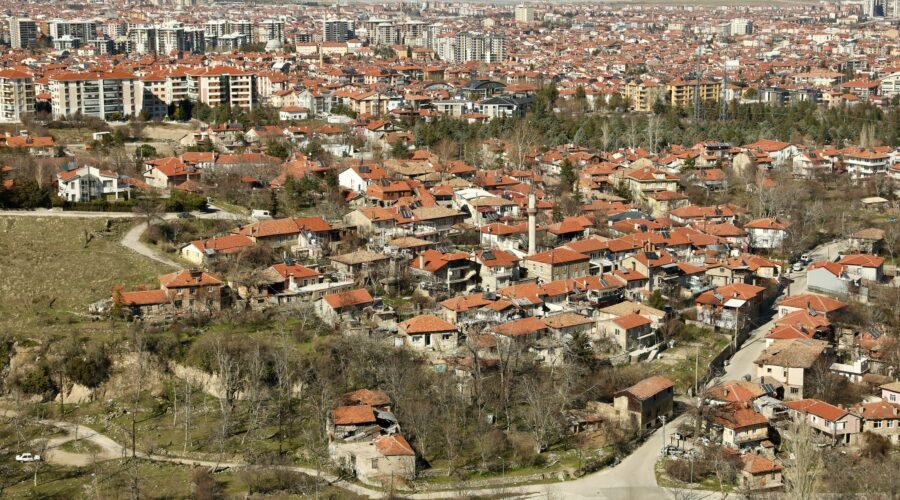
Planning a trip to Isparta, Turkey? The best time to visit Isparta depends on whether you want blooming rose fields, purple lavender, sunny lake days, or comfortable sightseeing weather. Each season offers a different experience, and choosing the right month can make a big difference to your trip.
Quick Answer
The best time to visit Isparta is late May to early June for the rose harvest or September to early October for pleasant sightseeing weather and fewer crowds. Visit from late June to mid-July for vibrant lavender fields, July or August for lake activities, and January or February for skiing when conditions allow.
Last checked: October 23, 2026. Dates and figures were verified against official sources.
Key Takeaways
- Isparta’s rose flowers generally bloom from mid-May to mid-June, while harvesting can continue later depending on weather.
- Lavender reaches its most attractive purple stage around late June and early to mid-July. August is mainly associated with harvesting.
- September brings apple harvesting, pleasant lake weather, and fewer visitors than the main summer holiday period.
- Winter is quieter in the city, but Davraz Ski Center can attract substantial crowds on snowy weekends.
- The climate figures below describe Isparta city. Mountain locations such as Davraz can be considerably colder.
Best Time to Visit Isparta by Month: Weather, Events, and Crowds
May, June, July, and September offer some of Isparta’s most distinctive travel experiences. May and early June are best for roses, July for lavender, and September for comfortable outdoor activities and apple harvesting.
The following figures come from the Turkish State Meteorological Service’s Isparta climate statistics, which report monthly averages over an observation period extending from 1929 through 2025. Temperatures are monthly averages, not daily forecasts. Crowd levels are general travel-planning estimates rather than official visitor counts.
| Month | Average High | Average Low | Main Attractions | Crowds |
|---|---|---|---|---|
| January | 6.4°C (44°F) | -1.8°C (29°F) | Potential Davraz ski season | Low in city; higher at ski resort |
| February | 7.9°C (46°F) | -1.2°C (30°F) | Skiing and winter scenery | Low in city; busy ski weekends |
| March | 11.7°C (53°F) | 1.0°C (34°F) | Early spring sightseeing; possible late skiing | Low |
| April | 16.8°C (62°F) | 4.9°C (41°F) | Apple blossoms and spring walks | Low to moderate |
| May | 21.9°C (71°F) | 8.7°C (48°F) | Rose blooming and early harvest | Moderate; rising late in month |
| June | 26.7°C (80°F) | 12.5°C (55°F) | Rose harvest and festival season | High near harvest attractions |
| July | 30.5°C (87°F) | 15.5°C (60°F) | Peak lavender color and lake activities | High at lavender fields |
| August | 30.8°C (87°F) | 15.4°C (60°F) | Lavender harvest and lake recreation | Moderate to high |
| September | 26.6°C (80°F) | 11.1°C (52°F) | Apple harvest and outdoor sightseeing | Low to moderate |
| October | 20.7°C (69°F) | 6.9°C (44°F) | Ancient sites and autumn scenery | Low |
| November | 14.1°C (57°F) | 2.8°C (37°F) | Quiet city visits and museums | Low |
| December | 8.3°C (47°F) | -0.1°C (32°F) | Winter landscapes; skiing if open | Low outside ski areas |
These averages show why late spring and early autumn work well for sightseeing. July and August are much hotter, while January and February can bring freezing nights. Rainfall also changes sharply through the year, with July and August usually among the driest months.
Spring in Isparta: March to June for Roses and Mild Weather
Spring is one of the most rewarding times to visit Isparta, especially from mid-May to early June. The countryside turns green, the famous oil roses begin flowering, and the weather is generally comfortable for outdoor activities.
Spring Weather and Crowd Levels
March is still cool, and April brings warmer afternoons and flowering fruit trees. By May, the average daytime high reaches 21.9°C (71°F), rising to 26.7°C (80°F) in June.
Spring is not completely dry. May averages around 11 days with measurable precipitation, compared with about seven in June. A light jacket, comfortable walking shoes, and a compact raincoat are useful.
Crowds are usually manageable in March and April. Visitor numbers increase around the rose-growing villages during the main flowering and harvest weeks.
When Is the Rose Harvest in Isparta?
Late May to early June is the best period for experiencing Isparta’s rose fields. The provincial tourism authority identifies May 15 to June 15 as the typical flowering window, although harvesting may continue into late June depending on the season.
Isparta’s official Eğirdir tourism guide also identifies rose gardens and nearby countryside attractions for spring visitors.
Important rose-growing areas include:
- Güneykent, Gönen: A well-known rose-growing community where visitors may find seasonal harvest experiences and rose products.
- Senir and Keçiborlu: Established rose-producing areas with agricultural landscapes and traditional processing activities.
- Sorkuncak village: A countryside destination associated with rose gardens, photography, and seasonal harvesting.
- Villages near Isparta city: Gölcük, Yakaören, and Gelincik are also associated with local rose cultivation.
Roses are traditionally picked early in the morning, often between approximately 5:00 and 10:00 a.m. This helps preserve the fragrant material used to produce rose oil.
If you want to join a harvest, arrange a visit with a participating farm or local guide. The fields are working agricultural properties, so entering or picking flowers requires permission.
The Isparta Rose Festival
The International Isparta Rose Festival adds cultural performances, music, harvest visits, and local celebrations to the flowering season.
The 2026 International Isparta Rose Festival took place June 5–7, 2026, according to the Isparta Municipality’s official festival announcement. Its program included concerts, cultural performances, and organized visits to the rose gardens.
Festival dates can change from year to year. The 2026 dates should not be assumed to apply to 2027 or later.
Spring Travel Costs and Activities
Spring accommodation costs are generally moderate, but hotels and guesthouses can become more expensive around the main rose-harvest period. Early June is a particularly important time to reserve a room if you want to attend festival activities.
Domestic flights to Isparta Süleyman Demirel Airport or nearby Antalya may offer several travel options, depending on available routes. Intercity buses are another choice and may be more affordable than flights.
Besides the rose fields, spring is suitable for:
- Photography with flowering roses and the Taurus Mountains in the background.
- Hiking and cycling around Lake Eğirdir.
- Visiting the city center, local museums, and historical buildings.
- Exploring fruit-growing countryside, including spring apple blossoms.
Best for: Rose enthusiasts, photographers, couples, and travelers who prefer pleasant weather to midsummer heat.
Summer in Isparta: July and August for Lavender and Lake Activities
Summer brings Isparta’s lavender season, long sunny days, and popular lakeside activities. July is the main month for photographing the purple fields, while August is better known for lavender harvesting and warm-weather recreation.
When Do the Lavender Fields Bloom?
Late June to mid-July is the most reliable period for seeing vibrant purple lavender in Isparta. The most famous destination is Kuyucak village in the Keçiborlu district.
According to Türkiye’s official Culture Portal guide to Kuyucak, lavender flowering generally begins in late June and continues into mid-July. August is primarily a harvest period.
The exact appearance changes with weather and farm harvesting schedules. Some fields can remain colorful longer than others.
Popular lavender-growing areas include:
- Kuyucak village: The best-known destination for extensive lavender fields, countryside views, photography, and local lavender products.
- Kuşçular village: Another lavender-growing community within Keçiborlu’s agricultural region.
- Other Keçiborlu farms: Smaller working fields where flowering and harvesting times may differ.
For the best photographs, visit during the cooler morning hours or toward sunset. The warm light makes the purple flowers particularly attractive.
Lavender products such as oils, soaps, dried bundles, and scented goods are available in the area. These are useful souvenirs even after the main blooming period has ended.
Summer Weather and Crowds
July and August are Isparta’s hottest months. Average daytime highs are about 30–31°C (86–88°F), although individual days can be considerably hotter.
Rain is limited, with August averaging only about 14 mm of precipitation. The city also receives around 10–11 hours of sunshine per day during the height of summer.
July can be particularly busy around Kuyucak because of lavender photography trips and organized tours. Turkish summer school holidays also increase demand for family accommodation and recreation.
August remains popular for lakeside travel, but visitors focused on lavender photography should understand that many fields may already be harvested.
Lake Eğirdir and Summer Activities
Lake Eğirdir is one of Isparta’s main summer attractions, offering scenic shores, beaches, lakeside restaurants, and opportunities for water-based recreation.
Popular places include Altınkum Beach, Bedre Beach, Yeşilada, and Can Ada. Depending on local conditions and service availability, visitors may enjoy swimming, boat trips, paddleboarding, or other water activities.
Swimming should be limited to suitable, permitted areas with acceptable current water conditions.
Other summer experiences include:
- Boat excursions and lakeside sightseeing.
- Hiking and photography during cooler parts of the day.
- Exploring nearby natural areas and mountain scenery.
- Enjoying seasonal cherries, peaches, and other local produce.
Summer Travel Costs
July and August can bring higher demand for accommodation, particularly near lavender villages and popular lakeside areas. Rooms with desirable locations may sell out earlier during busy weekends.
Flights may also become more expensive around major summer travel periods. Bus journeys are often a lower-cost alternative, although popular departures can fill up.
Lavender tours, boat trips, and equipment rentals are paid activities where charges depend on the operator. General sightseeing and enjoying accessible public viewpoints need not involve guided-tour costs.
Best for: Lavender photographers, families, summer holidaymakers, and travelers who enjoy sunny weather and water activities.
Autumn in Isparta: September and October for Sightseeing and Better Value
Early autumn is one of the best periods for exploring Isparta without the intense summer heat. September offers warm days and seasonal apple harvesting, while October is cooler and often more peaceful.
Autumn Weather and Crowd Levels
September has an average high of 26.6°C (80°F) and an average low of 11.1°C (52°F). October cools to an average high of 20.7°C (69°F), with nights dropping to around 6.9°C (44°F).
Rainfall gradually increases as autumn progresses. September is relatively dry, while October brings more frequent showers and noticeably cooler evenings.
Summer holiday crowds generally decline after the main vacation period. Popular places such as Lake Eğirdir and countryside viewpoints often feel more relaxed, particularly on weekdays.
What Can You See in Autumn?
Autumn is ideal for combining natural scenery with historical attractions. Although rose and lavender flowering has ended, apple harvesting, forest colors, and archaeological sites give visitors plenty to explore.
- Lake Eğirdir: Enjoy waterfront walks, photography, and the quieter lakeside atmosphere.
- Kovada Lake National Park: Explore forested landscapes and photograph seasonal colors as autumn develops.
- Gelendost apple orchards: September is a major apple-harvest period. The official apple-orchard cycling guide describes routes and rural scenery around Gelendost and Lake Eğirdir.
- Pisidian Antioch: Explore the ancient city’s Roman and Byzantine remains near Yalvaç.
- Sagalassos: Visit a major archaeological site in neighboring Burdur province.
Pisidian Antioch, also known as Antioch of Pisidia or Pisidia Antiokheia, lies near Yalvaç in Isparta province. Its remains include monumental entrances, streets, and important Roman-era structures. More information appears in the Isparta provincial guide to archaeological sites.
Sagalassos is sometimes included in wider Isparta itineraries, but it is actually located near Ağlasun in Burdur province. Its Roman fountains, theater, and other preserved structures make it a worthwhile regional excursion. The official Sagalassos archaeological site information identifies its location and visitor facilities.
Autumn is also a good period for observing everyday life in Isparta, trying traditional regional food, and visiting local markets. Apples and walnuts are among the agricultural products associated with the season.
Autumn Travel Costs
Accommodation prices may decrease after the busiest summer holiday and lavender periods. September and October can therefore offer better value for travelers who are flexible about their exact dates.
Domestic flights may also become more reasonably priced outside peak travel periods. Bus services remain an option for travelers comparing transportation costs.
Rose and lavender harvest tours are generally no longer operating as seasonal experiences, but museums, archaeological sites, and ordinary sightseeing activities remain available according to their operating schedules.
Best for: History lovers, hikers, couples, budget-conscious travelers, and visitors who prioritize relaxed sightseeing over flower festivals.
Winter in Isparta: November to February for Quiet Travel and Skiing
Late autumn and winter bring colder weather, fewer general sightseeing visitors, and the possibility of snow. This is a good time for travelers interested in local culture, quiet city visits, or skiing at Davraz when snow conditions are suitable.
Winter Weather and Snowfall
November is cool, with an average daytime high of 14.1°C (57°F). December becomes considerably colder, while January and February regularly bring freezing nighttime temperatures.
Average daytime highs in January are only about 6.4°C (44°F). Snowfall is possible in Isparta city, and the surrounding mountains can develop extensive snow cover.
Rainfall and snowfall make the winter landscape different from the dry summer countryside. Days are also much shorter, with December averaging around 3.3 hours of sunshine per day.
Travelers should bring warm clothing, a weather-resistant outer layer, and suitable footwear, particularly for mountain excursions.
When Is Davraz Ski Season?
Davraz Ski Center is Isparta’s main winter sports destination. Its official tourism description identifies a potential skiing season from December through April, but actual opening dates depend on snowfall and operating conditions.
Located about 26 km from Isparta city center, Davraz Ski Center offers designated slopes for different skill levels, ski lifts, accommodation, and services for winter sports visitors.
The mountain reaches 2,635 meters in elevation, and skiing takes place at lower elevations on its developed slopes. Visitors can enjoy views toward Lake Eğirdir when conditions are clear.
January and February are generally the strongest months to consider for skiing, although snow quality and lift operations cannot be guaranteed.
The resort can become crowded during weekends and school holidays. Strong wind, inadequate snow, or other weather conditions can also interrupt skiing operations.
Winter Crowds and Travel Costs
General sightseeing crowds are usually at their lowest during winter. City hotels and guesthouses may offer attractive rates outside holiday periods.
However, skiing creates a separate seasonal demand. Accommodation close to Davraz can be busier and more expensive on popular snow weekends.
Flights to regional airports may sometimes be less expensive than in summer, although holiday dates and route availability still affect fares.
Some outdoor tours and seasonal businesses may operate on limited schedules or close temporarily during winter.
Visitors who do not ski can still enjoy:
- Quiet cafes and traditional restaurants in Isparta city.
- Local museums and cultural attractions.
- Snow-covered mountain scenery and photography.
- Regional food and everyday local life away from major tourist crowds.
Best for: Skiers, winter photographers, travelers seeking quieter city accommodation, and visitors interested in local culture.
Which Time of Year Should You Choose for Your Isparta Trip?
For most first-time visitors, the choice comes down to late spring or early autumn. However, a trip focused on flowers, water activities, or skiing needs a more specific travel window.
Choose Mid-May to Early June for Roses
This is the strongest choice if you want flowering rose gardens, traditional harvesting, photography, and festival activities.
The main advantages are mild weather and a distinctive local experience. The disadvantages are larger crowds at popular rose farms and occasional spring rain.
Choose Late June to Mid-July for Lavender
This is the most attractive period for photographing Kuyucak’s purple lavender fields.
Expect sunny weather and busy tourist areas. The main drawback is increasing heat, especially during July afternoons.
A visit in August can still be rewarding if you are interested in harvesting and lavender products rather than full purple fields.
Choose September to Early October for General Sightseeing
This is the most balanced option if your priorities are comfortable weather, outdoor exploration, historical attractions, and fewer crowds.
Accommodation may also offer better value than in the busiest flower-tourism and summer holiday periods.
The main disadvantage is that the famous rose and lavender fields are no longer in their primary flowering seasons.
Choose January or February for Winter Sports
Davraz is the main reason to plan a dedicated winter trip. Snowy mountains, skiing, and regional winter scenery make this season appealing to cold-weather travelers.
The drawback is that skiing depends on sufficient snow and safe operating conditions. Winter visitors should allow some flexibility in their plans.
For a first visit without a specific seasonal activity, September to early October offers the best overall balance. If Isparta’s famous flowers are the reason for your trip, choose the relevant bloom period instead.
Frequently Asked Questions
What is the best time to visit Isparta, Turkey, for good weather?
The best time to visit Isparta for comfortable weather is late spring or early autumn. May, September, and early October offer pleasant daytime temperatures for outdoor activities. Summers are hotter and drier, while winters bring cold nights and possible snowfall.
When is the peak tourist season in Isparta?
Isparta has several busy tourism periods rather than one continuous peak. Rose-growing areas attract visitors in late May and early June, while lavender villages are especially popular in July. Lakeside attractions also become busier during the July and August school holidays.
When is the off-peak tourist season in Isparta?
November through February is generally the quietest period for ordinary sightseeing in Isparta city. However, Davraz Ski Center can attract large crowds when snow conditions are good. Travelers seeking peace and lower accommodation demand may prefer city stays outside winter holiday weekends.
Are travel costs higher during Isparta’s peak tourist season?
Travel costs can be higher during the rose festival, peak lavender season, and popular summer holiday periods. Hotels, guided tours, and transportation may face greater demand. Exact prices depend on booking dates, accommodation type, and availability, so the busiest seasonal dates do not always produce the same price increases.
Is Isparta cheaper to visit during winter?
Winter can be a less expensive time to stay in Isparta city because general sightseeing demand is lower. However, accommodation near Davraz Ski Center may cost more during popular ski weekends. March, April, and November may also offer good value for flexible travelers.
When do the rose fields bloom in Isparta?
Isparta’s rose fields generally bloom from mid-May to mid-June, with late May and early June especially suitable for harvest experiences. The exact timing changes with seasonal weather. Early-morning visits are popular because roses are traditionally harvested before the day becomes hot.
What month is best for seeing lavender in Isparta?
July is generally the best month for seeing purple lavender fields around Kuyucak village. Flowering often begins in late June and is especially attractive in early to mid-July. Harvesting takes place later in the season, so August visitors may find fewer uncut purple fields.
Does Isparta get snow, and when can you ski?
Yes, Isparta can receive winter snowfall, especially in its surrounding mountains. Davraz Ski Center has a potential season extending from December into spring, but actual operations depend on snow and weather. January and February are generally the better months to consider for a ski trip.
Sources
- Turkish State Meteorological Service: Official Isparta monthly temperature, rainfall, and sunshine statistics.
- Isparta Provincial Directorate of Culture and Tourism, Eğirdir Guide: Rose and lavender flowering periods, attractions, and regional tourism activities.
- Isparta Municipality: International Isparta Rose Festival dates and the 2026 event program.
- Türkiye Culture Portal, Kuyucak Lavender Route: Lavender flowering, harvesting, and visitor activities.
- Türkiye Culture Portal, Apple Orchard Cycling Route: Apple flowering and harvesting seasons around Gelendost.
- Isparta Provincial Directorate of Culture and Tourism, Archaeological Sites: Pisidian Antioch and other historical attractions in Isparta province.
- Turkish Museums, Sagalassos Archaeological Site: Location, historical significance, and visitor information.
- Isparta Provincial Directorate of Culture and Tourism, Davraz Ski Center: Ski season, slopes, location, and winter facilities.