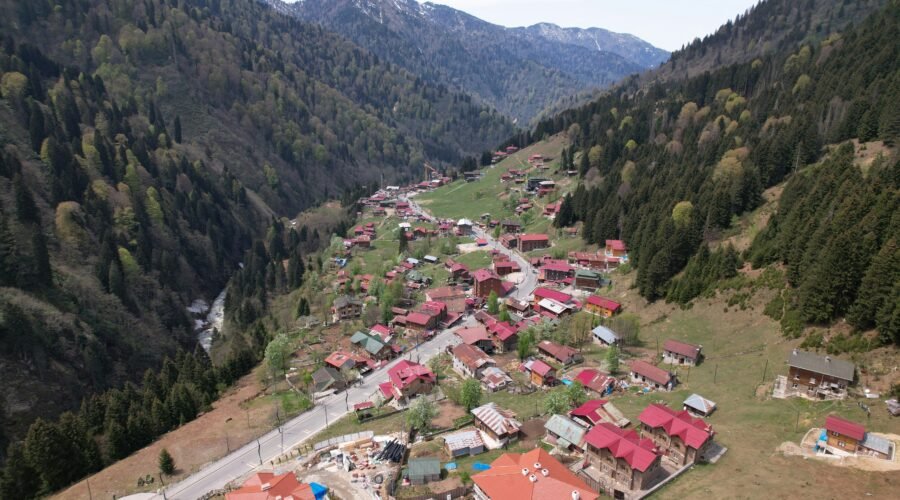
Planning a trip to Türkiye’s lush Black Sea coast? The best time to visit Rize depends on whether you want green tea plantations, mountain hikes, summer festivals, or peaceful autumn scenery. Rain is part of life here, but choosing the right month can make your trip much easier and more enjoyable.
Quick Answer
May and June are the best months to visit Rize for green scenery, comfortable temperatures, and generally lower rainfall. July and August are better for high-altitude hiking and summer festivals but bring bigger crowds. September offers pleasant temperatures with heavier rain, while October suits autumn photography if you can accept frequent wet weather.
Last checked: October 23, 2026. Dates and figures were verified against official sources.
Key Takeaways
- April and May are among Rize’s least rainy months by total precipitation, although showers remain common.
- July and August offer the most dependable access to high mountain pastures, but popular destinations such as Ayder become busy.
- September and October are significantly wetter than summer, despite their comfortable temperatures and beautiful scenery.
- Tea harvesting takes place in several rounds, making late spring, summer, and early autumn interesting for agricultural tourism.
- Winter is suitable for quieter coastal sightseeing and specialized snow activities, not ordinary high-altitude trekking.
Best Time to Visit Rize: Weather by Month
Rize has a humid Black Sea climate with rainfall throughout the year. The city stays relatively mild in winter, while the nearby Kaçkar Mountains experience much colder conditions and heavy snow.
The most useful way to compare months is through actual climate records rather than general descriptions such as “sunny summer” or “dry autumn.”
The following figures come from the Turkish State Meteorological Service’s official Rize climate statistics. They describe conditions at the Rize weather station, not the much colder high mountain plateaus.
| Month | Average Temperature | Average High | Monthly Rainfall | Travel Conditions |
|---|---|---|---|---|
| January | 6.9°C | 11.0°C | 223.1 mm | Wet coast; snow in the mountains |
| February | 6.8°C | 11.1°C | 170.5 mm | Cool, quiet, limited highland access |
| March | 8.7°C | 12.9°C | 154.0 mm | Early spring; mountains still snowy |
| April | 11.8°C | 15.9°C | 90.5 mm | Cool spring scenery; lower rainfall |
| May | 16.6°C | 20.2°C | 96.6 mm | Excellent for green scenery and lowland sightseeing |
| June | 21.2°C | 24.9°C | 148.4 mm | Warm; highland season begins |
| July | 23.8°C | 27.4°C | 163.4 mm | Warm, humid, popular with tourists |
| August | 24.5°C | 28.1°C | 192.5 mm | Warmest month; busy highlands |
| September | 21.2°C | 25.4°C | 265.1 mm | Pleasant temperatures; substantially wetter |
| October | 17.2°C | 21.4°C | 307.3 mm | Autumn colors; wettest month on average |
| November | 12.1°C | 16.7°C | 246.0 mm | Cool and quiet; mountain access becomes limited |
| December | 8.7°C | 13.0°C | 252.1 mm | Wet winter; snowy higher elevations |
Source: Turkish State Meteorological Service, official Rize climate statistics. Monthly averages describe the city climate and are not daily forecasts. Rainfall is monthly precipitation, not the number of rainy days.
The biggest surprise is October. Despite its beautiful autumn landscapes, it receives about three times as much monthly rainfall as May.
Even the relatively drier months have frequent rainy days. Pack for changing weather regardless of your travel dates.
Rize Weather and Travel Conditions by Season
Each season offers a different experience. Spring is best for fresh greenery, summer for mountain access, autumn for colorful forests, and winter for quiet coastal visits or specialized snow adventures.
Spring (March–May): Green Landscapes and Comfortable Weather
Spring brings new growth to the tea-covered hillsides. As temperatures rise, waterfalls become attractive, forests turn bright green, and low-elevation walks become more comfortable.
March: Rize remains cool, with an average temperature of 8.7°C (47.7°F). Rain is common, and snow can remain across the higher Kaçkar Mountains. It is better for coastal sightseeing than ambitious mountain treks.
April: Conditions improve for nature photography and exploring lower valleys. Average rainfall is 90.5 mm, the lowest monthly total in the official climate table. However, cool mornings and occasional showers still call for warm, waterproof clothing.
May: This is one of the strongest choices for first-time visitors. Average temperatures reach 16.6°C (61.9°F), and the tea fields are especially attractive as the growing season develops.
May works well for Rize city, Çayeli’s tea-growing landscapes, the Fırtına Valley, waterfalls, and accessible forest walks.
High-elevation trails may still hold snow. Do not assume that comfortable coastal temperatures mean the main mountain trekking routes are open.
Summer (June–August): Warm Weather and Highland Adventures
Summer offers the best overall window for experiencing Rize’s high mountain pastures, known locally as yaylas. Roads and services become more active as seasonal residents and travelers return.
June: Average temperatures reach 21.2°C (70.2°F), making it suitable for walking and exploring the valleys. Traditional highland life begins to return, although some remote routes may still have snow early in the month.
July: This is one of the busiest travel months. The coast becomes warm and humid, but higher elevations offer cooler conditions, green meadows, and more opportunities for trekking.
August: Rize reaches an average temperature of 24.5°C (76.1°F). Summer festivals, mountain trips, and longer daylight hours make it attractive, although accommodation demand can be high.
Summer is not rain-free. July averages 163.4 mm of precipitation and August averages 192.5 mm, so sudden showers remain possible.
For highland travel, the Rize Provincial Directorate of Culture and Tourism’s plateau guide identifies Ayder, Yukarı Kavron, Hacivanak, Verçenik, and other mountain destinations.
Ayder sits at approximately 1,218 meters above sea level, while Yukarı Kavron is much higher at approximately 2,267 meters. Their weather and access conditions can differ considerably.
Autumn (September–November): Colorful Forests and Heavy Rain
Autumn can be beautiful in Rize, especially when deciduous trees change color in the mountain valleys. The trade-off is heavier rainfall and less reliable highland travel.
September: Temperatures remain pleasant, averaging 21.2°C (70.2°F). Visitor numbers often decline after summer holidays, but rainfall rises sharply to an average of 265.1 mm.
Early September can still support mountain activities when conditions are suitable. Later in the month, prolonged rain and changing temperatures can complicate longer treks.
October: This is a favorite period for photographing colorful forests, mist, and waterfalls. However, it is Rize’s wettest month on average, with 307.3 mm of precipitation.
Plan October around flexible sightseeing rather than expecting several consecutive dry hiking days.
November: Temperatures fall to an average of 12.1°C (53.8°F). Visitor traffic decreases, many seasonal mountain businesses reduce operations, and higher roads become more exposed to snow and poor weather.
For autumn photography, forested lower valleys can be a more practical choice than remote mountain summits.
Winter (December–February): Quiet Towns and Snowy Mountains
Winter is the quietest general tourism season, but it creates two very different landscapes. Rize city remains comparatively mild and rainy, while higher mountain areas can experience deep snow.
December: Expect wet coastal weather, cooler days, and growing restrictions on remote mountain access.
January: This is a good month for travelers interested in dramatic snowy scenery, local food, tea houses, and a quieter atmosphere. Ordinary highland trekking is usually unsuitable.
February: Winter conditions continue in the mountains. Some lower areas may experience milder days, but snow, ice, and rapidly changing weather remain important concerns.
Specialized winter activities can be possible with experienced operators. However, remote guesthouses, seasonal restaurants, and mountain transport may have reduced availability.
Warning: Mountain conditions in Rize can change quickly. Snow, fog, heavy rain, slippery roads, and river flooding can make remote routes dangerous. Never treat a summer hiking route as a safe winter route without proper local guidance and equipment.
When Is Rize Most Crowded?
July and August are generally the busiest months for Rize’s famous mountain destinations. The shoulder seasons offer a calmer experience, although major events and public holidays can still attract large numbers of visitors.
Peak Season: July and August
Summer attracts domestic tourists escaping hotter parts of Türkiye, along with international visitors interested in the Black Sea region.
Ayder Yaylası, the Fırtına Valley, Zil Kale, and popular viewpoints can be especially busy during weekends and holidays.
Expect:
- Accommodation: Greater demand for boutique hotels, cabins, bungalows, and popular plateau guesthouses.
- Restaurants: Longer waits at well-known locations, especially around Ayder.
- Roads: More traffic on narrow mountain routes and roads leading toward popular sightseeing stops.
- Attractions: Busier viewpoints, waterfalls, tea gardens, and photography spots.
In 2026, Türkiye’s summer school holiday followed the June 26 end of the academic year. The Ministry of National Education’s school calendar confirmed that classes resumed on September 14, 2026.
These dates help explain why late June through early September is an important domestic travel period. School dates in future years will differ.
Shoulder Season: May–June and September–October
These months can offer a more relaxed travel experience, particularly on weekdays. However, the advantages differ by season.
May and early June generally offer the better combination of lower rainfall and fewer summer tourists.
September and October can feel quieter after schools reopen, but both months have significantly higher average rainfall.
Festival weekends, national holidays, and organized mountain events can produce temporary spikes in visitor numbers.
Off-Season: November–April
Rize’s general tourism traffic is lower during late autumn, winter, and early spring. It is a useful period for travelers seeking solitude in the city or accessible coastal districts.
However, fewer visitors do not guarantee that every attraction is accessible.
Some highland restaurants, accommodations, and transport services operate seasonally. Popular developed areas may remain accessible in suitable conditions, while more remote plateaus can be cut off by snow.
How Much Does a Trip to Rize Cost in Each Season?
Accommodation and transportation are often the biggest variable expenses in Rize. The amount you spend depends on the month, where you stay, and whether you use public transportation, a rental car, or private tours.
Hotels near popular mountain attractions can cost more during summer, while city accommodations may offer better value during quieter periods.
| Travel Period | Accommodation Demand | Transport and Tours | Budget Outlook |
|---|---|---|---|
| Spring (March–May) | Usually lower than peak summer | Some highland tours may not yet operate | Good for flexible travelers |
| Summer (June–August) | Highest around popular holiday dates | Greater demand for cars, guides, and organized trips | Plan for higher costs |
| Autumn (September–November) | Often improves after summer demand falls | Weather can limit mountain activities | Potentially good value |
| Winter (December–February) | Lower general demand; fewer mountain properties open | Limited outdoor tours; specialized winter trips cost more | Good for simple coastal stays |
Accommodation: When Are Hotels Cheapest?
For travelers who want an ordinary hotel or guesthouse stay, November through April can offer lower prices. However, the selection becomes smaller in mountain communities.
May, June, September, and October may provide a useful balance between availability and cost, especially outside major events.
In July and August, hotels and guesthouses can charge noticeably higher rates. The original estimate of a 20–50% increase over shoulder-season prices should be treated as a property-dependent possibility, not an established regional average.
Boutique mountain hotels and popular bungalows can show particularly large differences between busy weekends and quieter dates.
Transportation: Flights, Rental Cars, and Local Buses
Car rental prices can rise during the summer travel season as demand increases. Private transfers and guided excursions also contribute to the total cost of a mountain-focused itinerary.
Public buses and shared minibuses, called dolmuş, are usually better suited to main towns than remote highland destinations.
Rize has its own regional airport connection. According to the official Rize–Artvin Airport transport information, the airport is about 34 km from Rize city center, with access by shuttle, minibus, taxi, rental car, or private vehicle.
Trabzon Airport is another option for reaching the region, but Rize–Artvin Airport should not be overlooked when comparing flight routes.
Attraction Fees and Free Experiences
Many of Rize’s scenic experiences involve exploring public streets, viewpoints, local villages, and tea-growing landscapes. These can be enjoyed without booking a guided tour, provided the area is publicly accessible.
Private tea plantations, commercial viewpoints, national parks, and organized activities may have restrictions or fees.
For a verified cost example, the 2026 protected-area vehicle-entry tariff lists the following Category I motor-vehicle charges for the Rize regional tariff:
- Motorcycle: 130 Turkish lira.
- Car or pickup: 195 Turkish lira.
- Minibus: 585 Turkish lira.
- Midibus: 975 Turkish lira.
- Bus: 1,950 Turkish lira.
These charges are relevant to fee-controlled protected-area entrances, including the commonly used Ayder route. They are not blanket admission prices for every place in Rize.
Food, thermal facilities, rafting, guided hikes, accommodation, and equipment rental have separate costs.
Rize Festivals and Special Events by Season
Rize’s cultural calendar is closely connected to village life, traditional music, tea cultivation, and the mountain pastures. Summer has the strongest concentration of outdoor festivals, while autumn and winter offer different experiences.
Spring: Tea Harvesting and Local Culture
Late spring is an important period for Rize’s tea industry. Visiting during the growing season offers an opportunity to see the tea-covered hillsides and, when harvesting is underway, workers collecting fresh leaves.
Tea harvesting does not begin on exactly the same date every year. Weather, growth, and agricultural conditions affect the schedule.
In 2026, the state tea producer ÇAYKUR began its first purchasing round on May 20 and completed that round on June 28, according to its first-harvest announcement.
Late May and June are therefore particularly interesting for visitors hoping to experience active tea cultivation.
Summer: Yayla Festivals, Folk Music, and Mountain Gatherings
Summer is the main season for festivals associated with Rize’s yayla culture. Communities gather in mountain areas for music, dancing, traditional food, and social events.
Horon, a traditional Black Sea folk dance, is often accompanied by instruments such as the tulum, a regional bagpipe, and the kemençe, a bowed string instrument.
Events connected to Ayder, Ovit, and other highland communities can attract visitors from outside the region.
The Çamlıhemşin Ayder Culture, Art and Nature Festival is one of the area’s established celebrations. Traditional activities have included gatherings at Galerdüzü and regional bull competitions.
Tea cultivation also continues during summer. In 2026, ÇAYKUR’s second harvest-purchasing round began on July 8, making July and August active months for tea production.
Because festival schedules can change, a named event should not be assumed to take place on the same date every year.
Autumn: Trail Running, Tea Harvests, and Photography
Early autumn combines late-season agricultural activity with mountain sporting events and changing forest colors.
For 2026, the ÇAYKUR third-harvest announcement confirmed that the final purchasing round began on September 1.
Another important event was Kaçkar by UTMB, an organized mountain trail-running event based around Ayder.
The official Kaçkar by UTMB 2026 announcement confirmed September 11–13, 2026, as the event dates, including the Ayder 4K activity on September 12.
Major sporting events can increase demand for rooms, transportation, and restaurants even during otherwise quieter months.
October’s forests provide strong photographic opportunities, although rainfall can interrupt outdoor plans.
Winter: Highland Snow Events and Specialized Mountain Sports
Winter tourism in Rize is more specialized than summer tourism. Snow activities attract adventurous visitors, but they depend heavily on mountain conditions and suitable access.
Ayder has hosted winter celebrations, including the Ayder Snowman Festival. Event scheduling varies and should not be assumed for an unannounced season.
The Kaçkar Mountains also have a history of helicopter-assisted skiing, commonly called heli-skiing.
Türkiye’s official culture portal describes heli-skiing in the Kaçkar Mountains as a specialized activity traditionally associated with the January–April snow season.
Heli-skiing is for skilled participants using professional guides and dedicated equipment. It is not a casual alternative to ordinary sightseeing.
Guided snowshoeing and winter walking may also be arranged where conditions allow, but avalanche risk and difficult access must be taken seriously.
Best Time for Hiking, Rafting, Tea Plantations, and Photography
There is no single month that is ideal for every activity. The best travel dates change with elevation, river conditions, agricultural schedules, and your preferred scenery.
Hiking and Trekking: May–June for Lower Routes, July–September for Higher Trails
Lower-elevation walking routes are often most comfortable in late spring and early summer. Temperatures are moderate, forests are green, and wildflowers begin to appear in suitable areas.
May and June are good for accessible valley walks and trails that are free of lingering snow.
For higher mountain routes in the Kaçkar range, July and August are generally more suitable. Early September can also work when weather and trail conditions cooperate.
Popular areas include:
- Ayder Yaylası: A developed mountain tourism area with accommodation, forest scenery, and access to nearby walking routes.
- Aşağı and Yukarı Kavron: High mountain settlements associated with trekking routes toward the Kaçkar Mountains.
- Hacivanak Yaylası: A high-elevation plateau known for natural scenery and walking opportunities.
- Verçenik Yaylası: A more remote mountain area suited to travelers prepared for challenging access and highland conditions.
Long, strenuous walks at low elevation can feel uncomfortable during humid July and August afternoons. At higher elevations, the cooler temperatures may be welcome, although strong sun, fog, and sudden weather changes remain concerns.
Rafting on the Fırtına River: Late Spring Through Early Autumn
The Fırtına River is one of Rize’s best-known locations for whitewater activities. Late spring through early autumn offers opportunities for organized rafting, subject to current river levels and operator decisions.
The river receives water from mountain streams draining the Kaçkar range. Snowmelt and rainfall can affect its speed and difficulty.
During May, June, and July, higher flows can make some sections more demanding. August and September may offer different conditions, but lower difficulty cannot be guaranteed simply by choosing a later month.
According to the Turkish Ministry of Culture and Tourism’s Fırtına River guide, the river is approximately 57 km long. Its described river-sports course covers about 23 km, with sections rated at difficulty levels 3, 4, and 5 depending on water flow.
That makes the river unsuitable for treating every rafting route as beginner-friendly.
Organized trips may use different sections, distances, and departure points based on conditions and participant ability.
Warning: Heavy rain can raise the Fırtına River’s water level quickly. Use a qualified rafting operator, wear properly fitted safety equipment, and follow the guide’s assessment of river conditions. Winter rafting should not be assumed available or safe simply because the river flows year-round.
Exploring Tea Plantations: May–September
Rize’s tea-growing hillsides are attractive for much of the year, but active harvesting makes late spring and summer especially interesting.
The growing season normally includes multiple harvest rounds, rather than one continuous period of picking at every plantation.
May and June are particularly appealing for seeing fresh growth and the first major harvest activity.
July and August can offer further chances to observe harvesting and tea processing, while September may bring another round of activity.
October can still offer attractive tea-field scenery, but active harvest work may have declined or finished depending on the season.
Tea plantations around Çayeli and other districts provide memorable views of cultivated hillsides against the Black Sea mountains.
For the best experience, view plantations from public roads or designated visitor areas unless a landowner or business has granted access.
Photography: Spring Greenery, Summer Highlands, and Autumn Colors
Photographers can find rewarding subjects throughout the year. The best month depends on the colors, light, and atmosphere you want.
- April–May: Fresh tea growth, spring flowers, misty hillsides, and lush waterfalls.
- June–August: Green mountain meadows, highland settlements, wider trail access, and summer village life.
- September–October: Mist, dramatic clouds, colorful forests, and quieter landscapes.
- November–February: Moody coastal scenes, snow-covered mountains, and winter village scenery.
Ayder, the Fırtına Valley, Zil Kale, and the region’s waterfalls are useful locations for landscape photography.
Morning mist can produce beautiful atmospheric photographs, but thick fog may completely hide the mountains. Autumn colors also vary with elevation and yearly weather conditions.
Black Sea Coast and Swimming: July–August
July and August are generally the most suitable months for travelers interested in enjoying Rize’s Black Sea coastline in warmer weather.
Sea temperatures rise during summer, although the water may still feel cooler than at Türkiye’s Mediterranean resorts.
Beach activities depend on local conditions, including waves, currents, and the availability of designated swimming areas.
Rize is primarily known for its green landscapes and mountains rather than conventional beach resort tourism. The coastline is best treated as one part of a wider nature-focused trip.
Practical Tips for Planning Your Rize Trip
Rize is easier to explore when you match your itinerary to the weather and the places you actually want to visit. A trip focused on the city and tea plantations requires less complicated planning than one that includes several remote mountain plateaus.
Choose Your Base Carefully
Rize city: A practical base for coastal sightseeing, restaurants, local culture, and travel connections.
Çamlıhemşin: A useful base for exploring the Fırtına Valley, historic stone bridges, waterfalls, Zil Kale, and mountain routes.
Ayder Yaylası: A good choice when you want to spend time in mountain surroundings rather than drive up and down from the coast every day.
The higher and more remote your accommodation, the more important access conditions become outside summer.
Bring Clothing for More Than One Type of Weather
Waterproof outerwear and comfortable walking shoes are useful throughout the year. For higher-elevation destinations, bring additional warm layers even if the coast feels hot.
Summer visitors may need light, breathable clothing for humid lowland weather and warmer clothing for cool mountain evenings.
Autumn visitors should allow extra flexibility for rain, while winter visitors need suitable cold-weather equipment for snow-covered areas.
Allow Time for Mountain Roads
Driving distances can be misleading in Rize. Narrow roads, steep gradients, winding valleys, poor visibility, and traffic can make some mountain journeys slower than expected.
Rental cars provide flexibility, but not every ordinary vehicle is suitable for rough highland tracks.
Remote roads toward places such as Pokut, Sal, and other mountain settlements may require a suitable vehicle or local transportation, depending on road conditions.
For travelers who prefer not to drive, organized day trips can simplify access to popular mountain destinations.
Make Room for Indoor and Lower-Elevation Activities
A rainy day does not have to ruin the trip. Rize offers tea houses, local restaurants, cultural sights, and city experiences that do not depend on reaching the highest mountains.
Traditional Black Sea dishes, local tea culture, and historic sites can provide alternatives when the weather makes hiking impractical.
Keeping a flexible day in your itinerary is especially useful during September and October, when average precipitation is high.
Which Month Should You Choose for Your Rize Vacation?
For most first-time visitors, late May through June is a strong overall choice. However, travelers interested in serious mountain trekking, summer festivals, or autumn photography may prefer different dates.
For the Best Overall Balance: May and June
Choose May or June if your priority is green scenery, comfortable temperatures, and a less crowded experience than peak summer.
These months work particularly well for tea plantations, accessible nature walks, waterfalls, and exploring the lower valleys.
May has lower average rainfall, while June brings warmer temperatures and the start of the main highland travel season.
For Summer Festivals and Mountain Access: July and August
Choose July or August if you want to experience the region’s highland culture and have better seasonal access to mountain destinations.
This is the strongest period for many high-altitude treks, traditional gatherings, and outdoor experiences.
The main disadvantages are higher humidity on the coast, more visitors at popular sites, and potentially higher accommodation costs.
For Pleasant Temperatures After Summer: September
September suits travelers who prefer milder conditions after the busiest holiday period.
Early September may still offer worthwhile mountain experiences, while tea harvest activity and outdoor events can add interest.
However, average rainfall is much higher than during May and June. September is not a dependable dry-weather alternative to summer.
For Autumn Colors and Solitude: October
October is attractive if you enjoy misty landscapes, forest photography, and quieter surroundings.
Temperatures remain relatively mild in Rize city, but heavy rainfall can restrict mountain travel and outdoor activities.
It is best for flexible travelers who are comfortable spending some time indoors or visiting accessible lower valleys.
For Budget Travel and Quiet Days: November Through April
Choose the colder months if your main priorities are solitude, city sightseeing, and potentially lower accommodation costs.
This period is less suitable for a conventional highland vacation because weather and seasonal closures limit access.
Specialized winter adventures can be rewarding for experienced participants, but they need more planning than an ordinary sightseeing trip.
If you are planning your first visit and want a little of everything, start by comparing May and June. If the Kaçkar Mountains are your main reason for traveling, July or August will usually give you more suitable seasonal access.
Frequently Asked Questions
What is the best time to visit Rize, Turkey, for good weather?
May and June are excellent months for visiting Rize because temperatures are comfortable and rainfall is generally lower than in autumn. July and August are warmer and better for high mountain trips, but they are more humid. Rain remains possible throughout the year.
When is the peak tourist season in Rize?
July and August are generally Rize’s busiest tourist months, especially around Ayder and the popular mountain plateaus. Domestic school holidays and summer festivals increase demand for accommodation and transport. Major public holidays and special events can also create busy periods outside these months.
What is the off-peak season in Rize?
November through April is generally the quieter travel period in Rize. Winter months have fewer general tourists, but highland accommodation and activities become more limited. Rize city remains a practical option for sightseeing, local food, and tea culture throughout the year.
When should I visit Rize to avoid crowds?
May, early June, and autumn weekdays can offer a quieter experience than July and August. November through April is generally even less crowded, although mountain access becomes limited. For comfortable sightseeing with fewer people, May is one of the best choices.
Is Rize expensive during peak tourist season?
Rize can be more expensive during July and August because demand for popular hotels, mountain bungalows, rental cars, and tours is higher. Prices vary significantly by property and location. Traveling outside major holiday periods usually offers more accommodation choices and better opportunities for savings.
Does it snow in Rize during winter?
Yes, snow is common in Rize’s higher mountain areas during winter, while the coastal city has milder conditions and frequent rain. Some remote roads and mountain accommodations become inaccessible. Snow-related activities require suitable weather, proper equipment, and experienced local guidance.
Is September or October a good time to visit Rize?
September and October can be beautiful months for visiting Rize, especially for forest scenery and photography. However, both are wetter than summer, with October receiving the highest average monthly rainfall. They are better for flexible sightseeing than trips requiring several clear mountain hiking days.
When is the tea harvest season in Rize?
Rize’s tea harvest usually takes place in several rounds from late spring through early autumn. In 2026, official purchasing rounds began on May 20, July 8, and September 1. Exact dates vary each year with weather and crop conditions.
Sources
- Turkish State Meteorological Service: Official Rize monthly temperature and precipitation statistics used in the climate table and seasonal analysis.
- Rize Provincial Directorate of Culture and Tourism — Plateau Tourism: Highland locations, elevations, accommodation options, and mountain tourism characteristics.
- Republic of Türkiye Ministry of National Education: Official 2026–2027 school calendar and September school reopening date.
- ÇAYKUR — First Harvest Round, 2026: Confirmed first tea purchasing period beginning May 20 and ending June 28.
- State Airports Authority — Rize–Artvin Airport: Airport distance from Rize city center and available transport methods.
- General Directorate of Nature Conservation and National Parks — 2026 Vehicle Entry Tariff: Official vehicle-entry fees for protected areas.
- ÇAYKUR — Third Harvest Round, 2026: Confirmed second and third tea harvesting dates.
- Kaçkar by UTMB — Official 2026 Announcement: September 11–13 event dates and the Ayder 4K activity.
- Türkiye Culture Portal — Kaçkar Heli-Skiing: Winter heli-skiing activities and typical seasonal timing.
- Turkish Ministry of Culture and Tourism — Fırtına River: River length, rafting route characteristics, difficulty levels, and heavy-rain precautions.