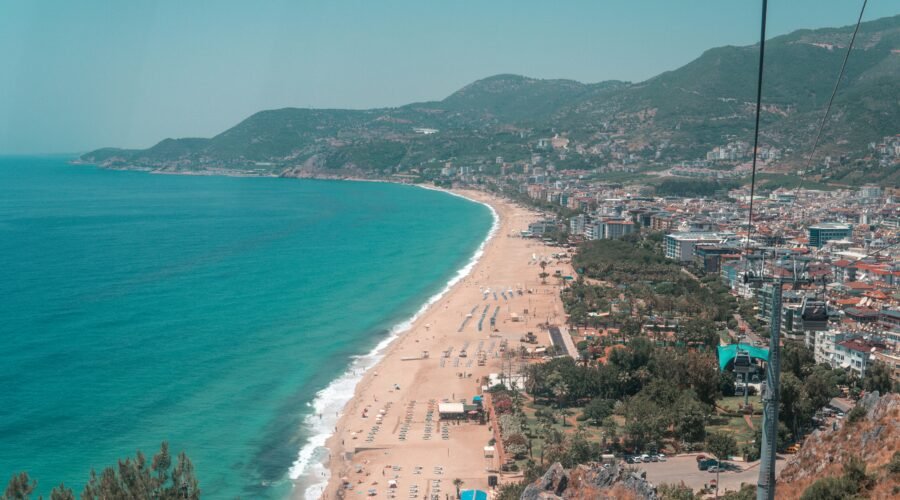
Choosing the best time to visit Alanya, Antalya, can make a big difference to your holiday. This Mediterranean resort is sunny and lively in summer, pleasantly warm in spring and autumn, and much quieter in winter. The right month depends on whether you want swimming, sightseeing, nightlife, or a more affordable trip.
Quick Answer
The best time to visit Alanya is generally April to May or September to October. These months offer a good balance of warm weather, fewer crowds, and reasonable accommodation costs. Choose September for warm swimming conditions, April or May for sightseeing, July or August for lively beach holidays, and winter for a quieter, budget-friendly escape.
Last checked: October 23, 2026. Key climate figures and 2026 event dates were checked against official sources.
Key Takeaways
- Spring is excellent for visiting Alanya Castle, walking along the coast, and exploring the town before the strongest summer heat arrives.
- July and August have the hottest weather, busiest beaches, most active nightlife, and generally higher hotel prices.
- September offers especially appealing swimming conditions because the Mediterranean remains warm after summer.
- October is comfortable for sightseeing, but rain becomes more likely as the month progresses.
- Winter brings lower tourist demand and potentially cheaper accommodation, although seasonal facilities and excursions may be limited.
- Major festivals, Turkish public holidays, and school breaks can create busy periods even outside the main summer season.
Best Time to Visit Alanya: Month-by-Month Comparison
Alanya has a Mediterranean climate, with hot, dry summers and mild, wetter winters. The following table compares the whole year so you can choose a month that fits your travel plans.
Average daytime highs are rounded from the Turkish State Meteorological Service’s Antalya city climate records, covering observations through 2025. These are useful regional reference figures, not temperatures measured specifically in Alanya. Event examples come from the Alanya Municipality’s official 2026 calendar. Event dates can change in other years.
| Month | Weather and 2026 Event Highlight | Crowds | Costs |
|---|---|---|---|
| January | 15°C average high; cool and rainy. International Cartoon Competition activities in 2026. | Low | Low |
| February | 16°C average high; mild days and cool evenings. Alanya Atatürk Public Run on February 15, 2026. | Low | Low |
| March | 18°C average high; spring starts. Alanya Ultra Trail on March 27–28, 2026. | Low to moderate | Low to moderate |
| April | 21°C average high; mild and increasingly sunny. International Children’s Festival, April 25–26, 2026. | Low to moderate | Moderate |
| May | 26°C average high; warm and mostly sunny. Culture, Art and Tourism Festival, May 22–24, 2026. | Moderate; busier during events and holidays | Moderate |
| June | 31°C average high; hot and dry. Volleyball World Beach Pro Tour Challenge, June 10–14, 2026. | Moderate to high | High |
| July | 34°C average high; very hot and dry. Gökbel Oil Wrestling Festival begins July 30, 2026. | High | High |
| August | 34°C average high; very hot with warm seas. Victory Day celebrations, August 30, 2026. | High | High |
| September | 31°C average high; warm sea and mostly dry weather. International Jazz Festival, September 17–20, 2026. | Moderate; higher around events | Moderate to high |
| October | 27°C average high; warm with more rain possible. International Alanya Triathlon, October 23–25, 2026. | Low to moderate; event peaks | Moderate |
| November | 21°C average high; mild but wetter. International Stone Sculpture Symposium throughout November 2026. | Low | Low |
| December | 17°C average high; mild and rainy. International Alanya Noel Bazaar, December 12–13, 2026. | Low; occasional event crowds | Low |
Weather figures are long-term Antalya city averages rounded to whole degrees, not daily forecasts or Alanya-specific station readings. Crowd and cost levels are general seasonal comparisons, not measured rankings or live prices. The events listed are specific to the 2026 calendar.
Spring in Alanya: April and May
Spring is one of Alanya’s most comfortable times for sightseeing and outdoor activities. The weather warms up, the landscape becomes greener, and the intense summer heat has not yet arrived. It’s a particularly good season if you want to explore more than the beaches.
Weather in April and May
April is usually mild, while May feels much closer to summer. Both months are suitable for walking, sightseeing, and spending time outdoors.
- April: Daytime highs in the wider Antalya region average about 21°C (70°F). Alanya’s sea temperature is commonly around 18–19°C (64–66°F), which can feel cold for swimming. Expect a mixture of sunny days and occasional showers.
- May: Regional daytime highs rise to about 26°C (79°F). The sea generally warms toward 20–22°C (68–72°F), making swimming more appealing. Rainfall becomes less frequent, and sunshine hours increase.
The Turkish meteorological records show about six rainy days in Antalya city during April and five during May, on average. Actual conditions in Alanya will vary.
April is particularly appealing for visiting Alanya Castle, exploring the harbor, and taking longer walks. May is better if you want a mix of sightseeing, swimming, and relaxing beside the Mediterranean.
Crowds in April and May
Spring is usually quieter than the main summer season, especially in April. However, May can become noticeably busier during local festivals, public holidays, and weekends.
- April: Beaches and popular attractions generally feel less crowded than in July or August. The comfortable weather makes exploring easier.
- May: Visitor numbers increase as summer approaches. Hotels and restaurants become busier, especially later in the month.
For example, Alanya’s 2026 calendar included the International Children’s Festival on April 25–26 and the International Culture, Art and Tourism Festival on May 22–24.
Turkish public holidays can also change the usual crowd pattern. According to the official 2026 Turkish holiday calendar, the Eid al-Adha holiday fell on May 27–30, following a half-day holiday on May 26. Travel demand can rise around such dates, so late May is not always quiet.
Travel Costs in April and May
April and early May often provide better value than midsummer. Accommodation demand is lower, and visitors can sometimes find more appealing rates on hotels and holiday apartments.
- Flights: Airfares may be lower than during the main school-holiday travel period, although departure cities and holidays make a difference.
- Accommodation: Early spring can bring competitive rates. Prices generally rise as popular hotels fill toward summer.
- Tours: Sightseeing excursions are usually easier to arrange, but some seasonal boat and beach services may still be preparing for peak demand.
If you want the best spring balance, choose late April or the first half of May. You get warmer weather than winter without committing to Alanya’s busiest travel season.
Autumn in Alanya: September and October
September and October are excellent alternatives to midsummer, especially if swimming is part of your plans. The sea retains much of its summer warmth while daytime temperatures gradually become more comfortable. October also brings quieter beaches, although autumn rain becomes more likely.
Weather in September and October
The biggest advantage of autumn is the warm Mediterranean water. The sea cools more slowly than the air, so swimming can remain pleasant well after the hottest months have passed.
- September: Average regional daytime highs are around 31°C (88°F). The sea often remains around 26–28°C (79–82°F), making September a strong choice for swimming, boat trips, and sunbathing.
- October: Regional daytime highs average about 27°C (81°F). Sea temperatures are often around 23–25°C (73–77°F), though they vary. The weather remains appealing for outdoor activities, with a greater chance of rain as winter approaches.
September is still a genuinely hot month, particularly early in the month. October is generally better for exploring the town on foot without feeling overheated.
The regional rainfall pattern also changes noticeably. Antalya city averages about two rainy days in September and five in October. Short showers are possible, but autumn can also bring heavier rain and thunderstorms.
Crowds in September and October
Tourist activity usually starts easing after the height of summer. However, September does not immediately become quiet, and October has several events that can attract visitors.
- September: Beaches, hotels, and restaurants can remain busy early in the month. Later September often feels more relaxed.
- October: General tourist demand usually declines further. Popular areas tend to feel less crowded outside weekends and special events.
Alanya’s 2026 calendar featured the International Jazz Festival on September 17–20. October included the Tropical Fruit Festival on October 9–11, the International Triathlon on October 23–25, and Republic Day celebrations on October 29.
These events give autumn visitors more to enjoy beyond the beach. They also mean that particular streets, hotels, and event areas may become busy even when overall tourist numbers are lower.
Travel Costs in September and October
Accommodation prices often begin easing as peak summer demand fades. October is especially attractive for travelers who want warm conditions without the highest-season hotel rates.
- Flights: Fares can become more competitive after the summer holiday rush, depending on the route.
- Accommodation: Hotels and apartments often have more availability in October than in July or August.
- Tours: Many sightseeing and boat excursions can still operate in suitable weather, although services may begin reducing frequency late in the season.
If swimming is your priority, September is usually the stronger choice. If you prefer sightseeing, relaxed meals, and quieter beaches, October may suit you better.
Summer in Alanya: June, July and August

Summer is Alanya’s main beach-holiday season. Visitors come for hot weather, warm water, active resorts, and a lively nightlife scene. The trade-off is stronger heat, heavier crowds, and generally higher travel costs.
Weather in June, July and August
June is hot but often more manageable than July and August. By midsummer, temperatures can become uncomfortable for long periods of sightseeing, especially during the afternoon.
- June: Regional average daytime highs reach about 31°C (88°F). The sea is commonly around 23–25°C (73–77°F), making swimming and water sports appealing. Rain is relatively uncommon.
- July: Regional average daytime highs reach about 34°C (93°F). The sea is very warm, generally around 26–28°C (79–82°F). Strong sunshine and humidity can make outdoor sightseeing tiring.
- August: Similar daytime heat continues, while the sea can reach roughly 28–29°C (82–84°F). It is an excellent month for warm-water swimming but can feel especially hot away from the coast.
Temperatures can rise above these monthly averages during heatwaves. Coastal breezes sometimes provide relief, but they do not remove the need for sun protection and regular hydration.
Warning: July and August can bring intense heat. Plan outdoor sightseeing for cooler hours, use shade and sunscreen, and drink water regularly. Take particular care with babies, young children, and anyone sensitive to heat.
Crowds in June, July and August
Summer brings the largest concentration of beach visitors, family holidaymakers, and resort guests. Crowds usually increase through June and remain high during July and August.
- June: Tourist activity increases, especially as school holiday travel begins.
- July: Popular beaches, restaurants, and sightseeing spots become very busy. Nightlife is particularly lively.
- August: High demand continues, with crowded beaches and active tourist facilities across the resort.
The summer calendar also includes cultural and sporting events. In 2026, Alanya hosted a beach volleyball tournament on June 10–14 and the traditional Gökbel Oil Wrestling Festival from July 30 to August 2.
For beach lovers, two well-known choices are Cleopatra Beach and Damlataş Beach. The official GoTürkiye Antalya tourism guide identifies both as Blue Flag-certified beaches west of Alanya Castle.
Walking along public beachfront areas and enjoying the coastal views need not cost anything. Extras such as loungers, parasols, organized excursions, and some beach facilities may carry charges.
Travel Costs in June, July and August
Summer is generally Alanya’s most expensive period for tourist accommodation. High demand can also make flights and popular activities more costly.
- Flights: School holidays and popular travel dates can push fares higher, particularly for late bookings.
- Accommodation: Hotels and resort packages often charge their strongest seasonal rates. Popular family properties may have limited availability.
- Activities: Excursions, water sports, and beach services are widely available, but discounts may be harder to find during busy periods.
One advantage is that Alanya’s tourist services are generally at their fullest in summer. Beach clubs, restaurants, boat trips, and entertainment venues are most active.
June can be a useful compromise if you want a traditional summer holiday with somewhat less intense heat and fewer crowds than the peak months.
Winter in Alanya: November to March

Winter shows you a quieter side of Alanya. The town remains inhabited and active, but many seasonal tourist businesses reduce their services. This period is best for relaxed sightseeing, longer stays, and enjoying mild days rather than a typical beach resort holiday.
Weather from November to March
Winters in Alanya are generally mild compared with many northern European destinations. However, this is also the wettest part of the year, with cooler evenings and less reliable beach weather.
- November: Regional average daytime highs are around 21°C (70°F). The sea may still feel comfortable to some swimmers early in the month, but rainfall increases.
- December: Daytime highs average about 17°C (63°F). Rain becomes more frequent, and evenings can feel chilly.
- January: Average daytime highs fall to about 15°C (59°F). This is one of the coolest and wettest months in the region.
- February: Daytime highs remain near 16°C (61°F), with a mix of sunny periods and rainy days.
- March: Temperatures begin rising again, with average daytime highs near 18°C (64°F). Spring conditions gradually return, although the sea remains cool.
For context, Antalya city averages around 12 rainy days in January and December. Winter rain can sometimes be heavy, rather than consisting only of brief showers.
Sea temperatures in the coldest months are often around 16–18°C (61–64°F), which is too cold for comfortable swimming for many people.
Crowds from November to March
Winter is generally Alanya’s quietest tourism season. You can often explore the old town, harbor, and historical areas without the large crowds associated with summer.
- Visitor numbers: Tourist demand falls, although long-stay visitors and residents remain active throughout the year.
- Hotels and restaurants: Some seasonal properties and businesses close temporarily or reduce their opening hours.
- Excursions: Water sports and boat trips become more dependent on weather, demand, and operator schedules.
Winter is not completely without events. Alanya’s 2026 calendar included the International Stone Sculpture Symposium throughout November and the International Noel Bazaar on December 12–13. The wider winter calendar also included community activities and sporting events.
Travel Costs from November to March
Winter can offer some of the year’s lowest accommodation rates, particularly at hotels that remain open outside the main resort season.
- Flights: Some routes may offer lower fares, but reduced seasonal flight schedules can limit choices.
- Accommodation: Year-round hotels and apartments may offer attractive rates or longer-stay arrangements.
- Activities: There may be fewer organized tours, but walking and exploring public areas remain inexpensive options.
Before booking a winter holiday, make sure the hotel facilities you care about will be operating. A low room rate may be less appealing if the pool, restaurant, or other services are closed.
For winter sightseeing, Alanya Castle, the historic harbor, and local caves offer alternatives to swimming. The Antalya Provincial Directorate of Culture and Tourism identifies Damlataş Cave and Dim Cave as visitor attractions in the Alanya area.
Winter is best if you enjoy a slow pace, local restaurants, photography, and exploring without the summer rush.
Which Time of Year Is Best for Your Travel Style?
The best month for one traveler may not be the best for another. A family with young children might prefer gentler temperatures, while someone planning a beach holiday may prioritize hot weather and warm sea temperatures.
For Beach Lovers and Sun Seekers
Best months: June, July, August and September.
These months offer Alanya’s strongest combination of beach weather, warm sea temperatures, and resort activity. July and August are particularly lively, while September often provides a more comfortable balance for swimming.
- Choose June for warm weather and an active summer atmosphere.
- Choose July or August for hot beach days and nightlife.
- Choose September for warm Mediterranean water with gradually easing crowds.
For Explorers and Culture Enthusiasts
Best months: April, May, September and October.
Spring and autumn are better for exploring historical sites, taking coastal walks, and enjoying outdoor attractions without the strongest summer heat.
Alanya Castle is a highlight. Its historic walls, old streets, and viewpoints make it worth visiting in comfortable weather.
The official Alanya Castle Museum information lists the İç Kale museum area as open daily, with published visiting hours of 08:00–18:30 and ticket sales closing at 18:00. Hours can change for special seasonal arrangements.
You can also explore the harbor, visit Damlataş Cave, and take trips toward the Taurus Mountains. Walking around public streets and viewpoints is generally free, while museum admission, cave entrance, cable-car rides, and organized tours are paid activities.
For Budget-Conscious Travelers
Best months: March, April, early May, late October and November.
These months can provide better accommodation value than midsummer. They also give you more flexibility to choose a holiday based on sightseeing rather than relying on the full beach-resort experience.
- March and November are better for travelers who value lower demand over reliable swimming weather.
- April and early May provide a good mix of comfort and potential savings.
- Late October can offer warm days and better hotel availability after the main summer rush.
Compare the total holiday cost, including flights, airport transfers, accommodation, and activities. A cheaper hotel is not always the cheaper overall trip if transport choices are limited.
For Peace and Quiet
Best months: November to March, with October as a warmer alternative.
Winter is usually the quietest season, making it appealing for longer stays and travelers who prefer relaxed days. You can enjoy local neighborhoods and historical areas without the constant activity of the peak tourist season.
The main drawback is reduced access to seasonal beach facilities and organized water activities. If you want tranquility but still hope to swim, October is generally a better compromise.
For Families with Young Children
Best months: May, early June and late September.
These periods offer warm weather without the same level of extreme heat associated with July and August. They can be a practical choice for families planning swimming, short sightseeing trips, and relaxed beach days.
- May: Pleasant for walks and outdoor attractions, although the sea may still feel cool.
- Early June: Better for swimming and a full beach holiday, with rising daytime temperatures.
- Late September: Often combines warm sea temperatures with a gradually calmer resort atmosphere.
Families with very young children may find July and August less comfortable because of high temperatures and crowded beaches.
How to Choose Your Alanya Travel Dates
A good travel date balances the weather you want with the services you plan to use. Instead of choosing only by temperature, consider swimming conditions, local events, and the overall holiday budget.
- Choose your main activity. For swimming, favor the warmer months. For historical sightseeing, select spring or autumn.
- Consider the sea temperature. Warm air in April does not mean the Mediterranean has reached its summer warmth. September often has a warmer sea than May.
- Allow for local events and holidays. Festival dates, national holidays, and school breaks can increase demand even during quieter seasons.
- Compare complete travel packages. Look at flight schedules, transfer costs, hotel facilities, and what is included in your accommodation rate.
- Match your accommodation to the season. A beachfront resort may make sense in summer, while a centrally located hotel can be more convenient for winter sightseeing.
Pro Tip: If you want a beach holiday without the strongest summer heat, compare late May with late September. Late May offers fresh spring weather, while late September usually provides warmer sea water after the summer season.
For most first-time visitors, April–May and September–October remain the strongest all-round choices. Pick September if swimming matters most, or April and May if you want to spend more time exploring Alanya’s historical and natural attractions.
Frequently Asked Questions
What is the best time to visit Alanya for good weather?
April, May, September and October generally offer the best balance of pleasant weather and comfortable sightseeing conditions. May and September are warmer, while April and October are often easier for walking and outdoor activities. July and August are better if you specifically want intense summer heat.
When is the peak tourist season in Alanya?
July and August are generally the peak tourist months in Alanya. These months bring hot weather, busy beaches, lively nightlife, and strong demand for hotels. June and early September can also be busy, especially during school holidays and major events.
What is the cheapest time to visit Alanya?
The winter months, particularly November through February, often offer lower accommodation prices because tourist demand is reduced. March, April and late October can also provide good value. Actual costs depend on flights, public holidays, hotel availability, and the services included in your booking.
Can you swim in Alanya in October?
Yes, swimming in Alanya is often possible in October because the Mediterranean retains heat from summer. Sea temperatures commonly remain around 23–25°C, although actual conditions vary. October is generally more comfortable for swimming than early spring, but rain and rough seas can occasionally disrupt beach plans.
Is Alanya worth visiting in winter?
Yes, Alanya is worth visiting in winter if you enjoy mild coastal weather, sightseeing, and a quieter atmosphere. Historical attractions and local neighborhoods remain appealing, but rain is more frequent and many seasonal tourist businesses reduce their services. Winter is less suitable for a traditional swimming-focused holiday.
What are the best activities in Alanya during spring and autumn?
Spring and autumn are excellent for exploring Alanya Castle, visiting Damlataş Cave, walking around the harbor, and taking scenic trips toward the Taurus Mountains. Beach visits and boat trips are also appealing when conditions are suitable. These seasons make it easier to combine cultural sightseeing with time beside the Mediterranean.
Sources
- Turkish State Meteorological Service: Long-term Antalya city temperature, sunshine, and rainfall statistics used as regional climate references.
- Alanya Municipality — 2026 Event Calendar: Official dates for Alanya’s cultural festivals, sporting events, concerts, and seasonal activities.
- Presidency of Religious Affairs — 2026 Official Holidays: Public holiday dates that may affect travel demand.
- GoTürkiye — Antalya Tourism: Information about Cleopatra Beach, Damlataş Beach, and regional attractions.
- Turkish Ministry of Culture and Tourism — Alanya Castle Museum: Historical information and published visitor hours.
- Antalya Provincial Directorate of Culture and Tourism — Cave Tourism: Information about Damlataş Cave, Dim Cave, and other regional cave attractions.