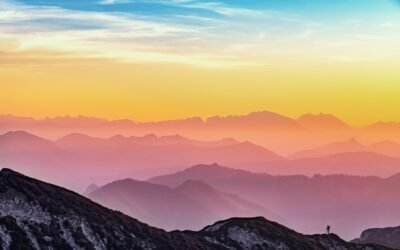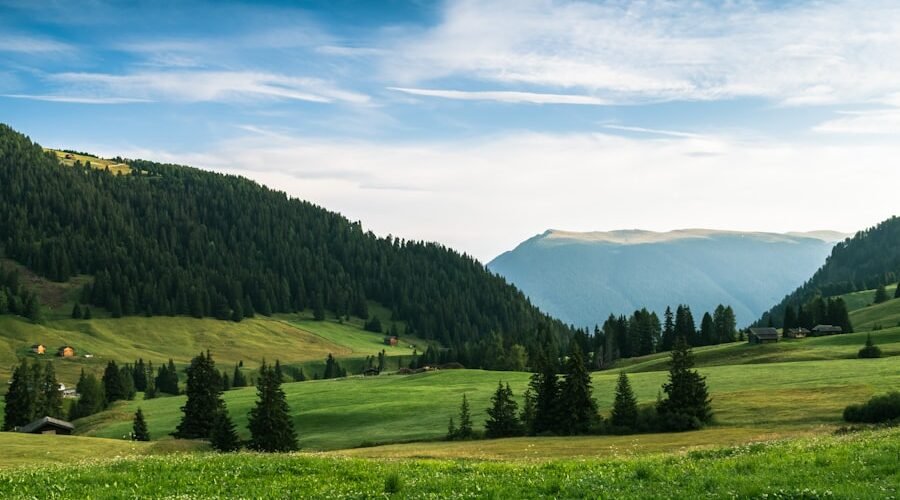
For most travelers, the best time to visit Loei, Thailand, is November through February. Rainfall is low, mornings are cooler, and the province’s mountain parks, viewpoints, and riverside towns are easier to explore. If you prefer fewer visitors or want to attend Loei’s famous Phi Ta Khon Festival, other months can still be worth considering.
Quick Answer
Visit Loei from November to February for the best overall mix of cooler weather, low rainfall, hiking conditions, and mountain scenery. March and April are much hotter, while May through October is wetter. Phu Kradueng’s summit tourism area normally closes from June 1 through September 30 each year.
Key Takeaways
- Best overall: November-February for drier weather and comfortable outdoor sightseeing.
- Best for hiking: November-January is especially pleasant, while Phu Kradueng’s normal visitor season runs October-May.
- Hottest period: March-April, when average daytime maximums in Loei are about 35-36°C.
- Wettest stretch: The rainy pattern strengthens from May, with August-September particularly wet.
- Best for a major local festival: June for Phi Ta Khon in Dan Sai.
- Best chance of quieter travel: Try weekdays or periods outside major festivals and Thai holiday weekends.
Loei Weather and Seasons at a Glance
Loei sits in northeastern Thailand but has mountains and high plateaus that make its weather feel different from many lower-lying parts of Isan. Conditions also vary sharply between Loei town, Chiang Khan, and higher places such as Phu Ruea and Phu Kradueng.
Official Thai Meteorological Department 1991-2020 climate normals show that Loei’s average daily maximum rises from 29.3°C in December to 36.0°C in April. Rainfall is very low in the coolest months and increases sharply from May, with September recording the highest monthly rainfall normal in the Loei station table.
| Period | Typical pattern | Best for | Watch for |
| November-February | Drier, cooler mornings and warm afternoons | Hiking, viewpoints, Chiang Khan, photography | Busy weekends, New Year demand, cold mountain mornings |
| March-April | Hottest part of the year; April average maximum about 36°C in Loei | Songkran, towns, temples, short outings | Heat, strong sun, haze and reduced mountain visibility |
| May | Hot with a sharp increase in rainfall | Green landscapes before the wettest months | Thunderstorms and changing conditions |
| June-September | Humid and rainy with lush scenery | Phi Ta Khon, green landscapes, quieter trips | Phu Kradueng summit closure, slippery trails, heavy rain |
| October | Transition toward drier weather, but rain is still possible | Green scenery and the start of the Phu Kradueng visitor season | Variable weather and wet trails |
At the Loei weather station, April’s 1991-2020 average daily maximum is 36.0°C, while September averages 239.8 mm of rainfall.
The Hot Season: March to May
If you handle heat well, March through May can still work, especially for cultural activities, towns, markets, and shorter sightseeing days. The trade-off is that midday outdoor activity becomes less comfortable.
Weather in the Hot Season
March and April are the hottest months. TMD climate normals put the average daily maximum at about 35.2°C in March and 36.0°C in April. Extreme temperatures can exceed 40°C, but those extremes should not be confused with a normal day’s high.
May remains hot but rainfall increases sharply as the wetter part of the year develops. Late in the dry season, haze can also reduce visibility, so check current weather and air-quality conditions if clear mountain views are important to you.
Crowds in the Hot Season
Outside major holidays and events, many outdoor attractions can feel less busy than during the cool-season peak. April is different because Songkran brings holiday travel and celebrations across Thailand.
Costs in the Hot Season
You may find better accommodation availability outside holiday dates, but lower prices are not guaranteed. Rates depend on the property, weekend demand, festivals, and how early you book. Compare live accommodation and transport prices for your exact dates.
The Wet Season: June to October
The wetter months transform Loei’s fields, forests, and mountains into deep shades of green. This can be a rewarding period if you are comfortable changing plans around the weather.
Weather in the Wet Season
Rain becomes frequent during this period, but conditions vary from day to day. TMD normals show substantial monthly rainfall from June through October, with September the wettest month in the Loei station data. Temperatures stay warm, while humidity is much higher than during the cool season.
Do not assume every wet-season day will be washed out, but also do not count on rain always being brief. Thunderstorms and heavier downpours can affect roads, trails, viewpoints, and waterfalls.
Warning: Phu Kradueng National Park normally closes tourism and overnight stays on the summit from June 1 through September 30 each year for ecosystem recovery and seasonal management. Check the Department of National Parks for current access before building your trip around a specific trail or campsite.
Crowds in the Wet Season
Many dates outside festivals and long weekends can feel quieter than the cool season. That can make Chiang Khan, Loei town, and other accessible attractions appealing if you prefer a slower pace.
Costs in the Wet Season
Some hotels may run promotions during lower-demand periods, but do not assume every flight, room, or tour will be cheaper. Festival dates, weekends, and limited local inventory can change rates quickly.
The Cool Season: November to February
For most first-time visitors, this is the easiest period to recommend. Rainfall drops, humidity is more manageable, and outdoor sightseeing becomes much more comfortable.
Weather in the Cool Season
Loei’s lowlands are still pleasantly warm during the day. At the Loei weather station, average daily maximums range from about 29.3°C to 32.9°C from November through February, while average minimums range from roughly 15.6°C to 18.9°C.
Mountain parks can feel significantly colder, particularly around sunrise, exposed viewpoints, and campsites. Pack layers even if the forecast in Loei town looks warm.
Fog and mist can occur around mountain valleys and viewpoints, particularly during cooler and post-monsoon conditions, but a dramatic “sea of mist” is never guaranteed on a specific morning.
Crowds in the Cool Season
This is a popular period for domestic mountain travel. Expect more demand around New Year, Thai holiday weekends, and cool-season weekends, particularly at Phu Ruea, Phu Kradueng, and Chiang Khan.
Pro Tip: If you want cool-season weather without the strongest weekend demand, stay midweek and avoid New Year and major Thai holiday periods.
Costs in the Cool Season
Popular hotels can have less availability during high-demand winter weekends and holidays, so early booking is sensible. Do not assume the entire November-February period has one fixed “peak” price; compare your exact dates before deciding.
Loei’s Seasonal Highlights and Activities
Each part of the year has a different advantage. Your ideal month depends on whether you care most about hiking, festivals, scenery, photography, quiet travel, or lower accommodation demand.
Cool Season: The Outdoor Adventurer’s Dream
November through February is particularly well suited to long outdoor days because conditions are generally drier and less humid.
National Parks and Trekking
Phu Kradueng National Park is one of Loei’s major hiking destinations. The Tourism Authority of Thailand lists October-May as its recommended hiking period, while the Department of National Parks states that summit tourism normally closes June-September each year.
Phu Ruea National Park is another major mountain destination and is easier to access than the long climb at Phu Kradueng. TAT highlights both parks among Loei’s principal attractions in its official Loei destination guide.
Experiencing the Morning Fog
Cool mornings can produce striking mist and fog around Loei’s valleys and mountain viewpoints. Phu Ruea and the Chiang Khan area are popular places to look for atmospheric sunrise conditions, but cloud and fog depend on the weather that morning.
Hot Season: Cultural Immersion and Local Life
The heat makes long hikes harder, but March through May can work for travelers who plan shorter outdoor periods and spend more time exploring towns, temples, cafes, and local celebrations.
Songkran Festival
If you visit around mid-April, Songkran adds a lively cultural experience. Expect water celebrations, holiday travel, and greater transport demand around the festival period. Be prepared for both heat and getting wet.
Exploring Temples and Towns
Use the morning and late afternoon for outdoor sightseeing, then slow down during the hottest part of the day. Loei town and Chiang Khan work better for this style of trip than an all-day mountain trek in peak heat.
Wet Season: Lush Landscapes, Festivals, and Tranquil Exploration
Rain brings greener rice fields, fuller streams, dramatic clouds, and a different side of Loei. Flexibility matters because trails and roads can change quickly after heavy rainfall.
Waterfalls and Rice Paddies
Rain-fed waterfalls can become more impressive during the wetter months, but always confirm that an attraction is officially open and safe before visiting. Loei options include places such as Namtok Tat Hueang and waterfalls within parks that are open to visitors.
A common geographic mix-up is Nam Nao National Park. It is associated with neighboring Phetchabun rather than Loei, so Pha Hong Waterfall there should not be presented as a Loei attraction.
Phi Ta Khon Festival
For cultural travelers, June can be one of the most interesting times to visit. The Tourism Authority of Thailand identifies the colorful Phi Ta Khon Festival in Dan Sai District as one of Loei’s signature traditions.
The festival is part of the Bun Luang tradition and draws visitors for elaborate masks, processions, music, and community celebrations. Check the current year’s official festival schedule before booking because event programming and exact dates can change.
Fewer Crowds, More Flexibility
Outside Phi Ta Khon, holidays, and busy weekends, many wet-season dates can feel calmer. Build spare time into your itinerary so you can swap an exposed viewpoint for a town, temple, cafe, or covered attraction if heavy rain arrives.
Best Time for Specific Interests
Your ideal dates depend on what you want to do rather than on one universal “best” month.
For Hiking and Trekking Enthusiasts
November through February is the strongest general choice for comfortable hiking. October and parts of the spring season can also work, but check current trail conditions and park access. For Phu Kradueng specifically, remember that its summit visitor season normally runs October through May.
For Photography Buffs
November through February combines lower rainfall with cool-season mountain scenery and the possibility of morning mist. The rainy months provide greener fields, waterfalls, and dramatic cloud formations, but visibility can change quickly.
If mountain clarity matters, also watch for haze during the late dry season, particularly around February-April.
For Budget Travelers
Instead of choosing a month solely because it is labeled “low season,” compare hotel and transport prices across several dates. Midweek stays and dates outside festivals or long weekends often give you more choices than peak-demand periods.
For Avoiding Crowds
Choose weekdays outside New Year, Songkran, Phi Ta Khon, and other major holiday periods. Hotter and wetter months can be quieter at some attractions, but there is no single crowd pattern across the entire province.
For Cultural Immersion
Two periods stand out. April brings Songkran, while June is associated with Dan Sai’s Phi Ta Khon Festival. For everyday local life rather than festival crowds, choose ordinary weekdays in Chiang Khan, Dan Sai, or Loei town.
Practical Tips for Your Loei Visit
A few planning details make a large difference in Loei because attractions are spread across towns, mountains, parks, and rural roads.
What to Pack
Cool Season Essentials
Pack normal lightweight clothing for warm afternoons plus a light jacket, fleece, or warmer layer for mornings and evenings. If you are camping or visiting high mountain viewpoints around sunrise, bring warmer layers than you would need in Loei town.
Hot Season Essentials
Wear lightweight, breathable clothing and carry a hat, sunglasses, sunscreen, and enough drinking water. Schedule strenuous activity early and avoid unnecessary exposure during the hottest part of the afternoon.
Wet Season Essentials
Bring a light rain jacket or compact umbrella, quick-drying clothing, insect repellent, and shoes with reliable grip. A waterproof pouch for your phone, passport, and electronics is also useful.
Note: Official climate figures for Loei town do not tell you exactly what conditions will be like on a mountain summit. Elevation, wind, cloud, and exposure can make Phu Ruea or Phu Kradueng feel much colder.
Getting Around Loei
Loei’s major sights are spread out, so a rental car or private driver gives you the most flexibility. Local transport such as songthaews and tuk-tuks is more useful for shorter trips around towns.
If you ride a motorbike, use a helmet, make sure you are legally licensed and insured for the vehicle, and be cautious on mountain roads. Wet leaves, mud, poor visibility, and heavy rain can make rainy-season riding much harder.
Booking Accommodation and Tours
Peak-Demand Bookings
For November-February weekends, New Year, and major festival dates, book earlier if you need a particular hotel or location. Chiang Khan and mountain areas have less inventory than major Thai resort cities, so popular properties can fill before the rest of the province feels busy.
Off-Peak Season Flexibility
During hotter and wetter periods you may have more accommodation choice, but advance booking is still useful when traveling to smaller towns, during a festival, or on a Thai holiday weekend.
Check Park Access Before You Leave
National-park opening dates, trail access, camping arrangements, and temporary weather closures can change. Check current information from Thailand’s Department of National Parks shortly before your visit rather than relying only on an old itinerary.
Ultimately, the best time to visit Loei depends on your priorities. Choose November-February for the easiest combination of weather and outdoor activities, March-April for Songkran and hot-season travel, June if Phi Ta Khon is a priority, and the wetter months if you value green landscapes and can stay flexible around rain.
Related seasonal travel: You can also compare seasonal conditions in Van Van and Ermenek, Karaman.
Frequently Asked Questions
What is the best time to visit Loei, Thailand?
November through February is the best period for most travelers. Rainfall is relatively low, mornings are cooler, and conditions suit hiking, viewpoints, Chiang Khan, and other outdoor attractions.
How cold does Loei get in the cool season?
At the Loei weather station, average minimum temperatures from November through February are roughly 16-19°C, while afternoons remain much warmer. Mountain viewpoints and campsites can feel significantly colder, especially before sunrise.
When is Phu Kradueng National Park open for hiking?
The summit tourism and camping area normally operates from October 1 through May 31 and closes from June 1 through September 30. Always confirm current park information before traveling because temporary closures can occur.
Is the rainy season a bad time to visit Loei?
Not necessarily. The countryside is greener and some dates are quieter, but rain can affect roads, trails, waterfalls, and viewpoints. Phu Kradueng’s summit is also normally closed from June through September.
When is the Phi Ta Khon Festival in Loei?
Phi Ta Khon is held in Dan Sai District and is associated with the Bun Luang celebrations. Tourism Authority of Thailand information places the festival in June, but check the current year’s official schedule before booking because exact programming can vary.
When is Loei hottest?
March and April are the hottest months. Official 1991-2020 climate normals show average daily maximums of about 35.2°C in March and 36.0°C in April, with occasional extreme temperatures above 40°C.
What are the shoulder months for visiting Loei?
October and February can work well as transition months. October is greener and Phu Kradueng normally reopens, although rain is still possible. February is dry but warmer than December or January and may also bring late-dry-season haze.
Sources
- Thai Meteorological Department — Climatological Data for 1991-2020 — temperature, rainfall, humidity, haze, and fog normals for Loei.
- Tourism Authority of Thailand — Loei — official destination information for Phu Kradueng, Phu Ruea, Chiang Khan, and Loei attractions.
- Department of National Parks — Phu Kradueng seasonal closure — annual June 1-September 30 summit tourism closure and October-May visitor season.
- Tourism Authority of Thailand — Hiking Trails — recommended October-May travel period for Phu Kradueng.
- Tourism Authority of Thailand — Phi Ta Khon Festival — Dan Sai’s signature festival, traditions, and seasonal timing.