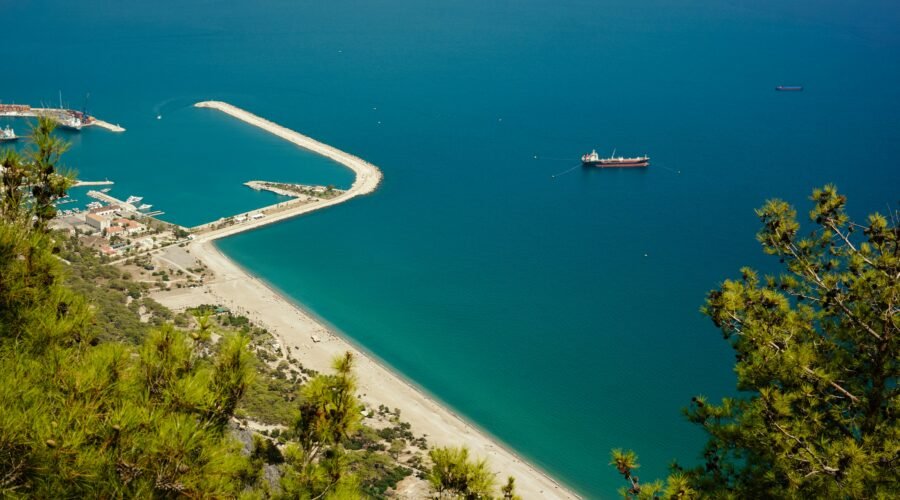
So, you’re wondering when’s the sweet spot to visit Lara, Antalya? The short answer: late spring (May to early June) and early autumn (September to October) are generally your best bets. This is when you strike a great balance between pleasant weather, manageable crowds, and reasonable prices.
Now, let’s unpack that a bit and look at the specifics so you can plan your perfect trip.
1. Understanding Lara’s Climate: A Year-Round Overview
Lara, like much of Antalya, enjoys a Mediterranean climate. This means hot, dry summers and mild, wet winters. Knowing this general pattern helps pinpoint those ideal travel windows.
1.1. Summer (June, July, August)
- Weather: This is prime beach weather, no doubt. Expect consistently hot temperatures, often soaring into the mid to high 30s°C (late 90s°F). Sunshine is practically guaranteed daily. Humidity can be quite high, especially in July and August.
- Sea Temperature: The Mediterranean Sea is wonderfully warm during these months, usually hovering around 25-28°C (77-82°F). Perfect for swimming, snorkeling, and all water sports.
- Best For: Sun worshipers, families with school-aged children (due to summer holidays), and those who love a vibrant, lively atmosphere. If you only care about baking on the beach and don’t mind the heat or the crowds, this is your time.
- Considerations: The intensity of the sun can be quite brutal, so meticulous sun protection is a must. Staying hydrated is also crucial. Outdoor activities during midday can be challenging due to the heat.
1.2. Autumn (September, October, November)
- Weather: September still feels very much like summer, with temperatures typically in the high 20s to low 30s°C (high 70s to low 90s°F). October provides a lovely transition, cooling down to the mid-20s°C (mid-70s°F), making it incredibly pleasant. November sees a noticeable drop, with average temperatures in the high teens to low 20s°C (mid-60s to low 70s°F), and an increased chance of rain.
- Sea Temperature: Remains very inviting through September and well into October, often staying above 22°C (72°F). By November, it starts to cool down for swimming, but still possible for the more adventurous.
- Best For: Those seeking a more relaxed beach experience, couples, and travelers interested in exploring beyond the beach. September and October are often cited as the best months by many locals and seasoned travelers.
- Considerations: Towards late October and November, some outdoor attractions might start to wind down their peak season hours. Rain becomes more likely in November.
1.3. Winter (December, January, February)
- Weather: Mild compared to many European destinations, but definitely not beach weather. Temperatures typically range from 10-15°C (50-60°F). It’s also the wettest period, with occasional heavy downpours. Sunny days are still frequent but interspersed with cloudier, damp days.
- Sea Temperature: Too cold for swimming for most people, usually around 16-18°C (61-64°F).
- Best For: Budget travelers, those looking for a quiet escape, and visitors interested in cultural exploration rather than beach activities. It’s a great time to visit historical sites without the heat or crowds.
- Considerations: Many resort amenities might be closed or operating on reduced hours. The focus shifts from beach holidays to exploring the region’s history and natural beauty.
1.4. Spring (March, April, May)
- Weather: March is still cool, with average temperatures in the mid-teens°C (low 60s°F), gradually warming up. April is delightful, reaching the low 20s°C (low 70s°F), with plenty of sunshine and vibrant wildflowers. May is essentially early summer, with temperatures climbing into the mid to high 20s°C (high 70s to low 80s°F).
- Sea Temperature: Starts to warm up in April (around 18-20°C / 64-68°F) and becomes comfortable for swimming by late May (around 22°C / 72°F).
- Best For: Active travelers, nature lovers, those who enjoy slightly cooler temperatures for sightseeing, and anyone wanting to beat the summer rush. May is another strong contender for the “best time” overall.
- Considerations: Early spring evenings can still be cool, so pack layers. Some resorts might still be ramping up their full operations in March.
2. Navigating the Crowds: When Lara Gets Busy (and When It Doesn’t)
The number of tourists significantly impacts your experience. Fewer people often mean shorter lines, more space, and a more relaxed vibe.
2.1. Peak Season: Summer Buzz (Late June to Early September)
- Crowd Levels: This is when Lara Beach, and Antalya in general, is absolutely bustling. Expect full resorts, busy restaurants, crowded beaches, and lively nightlife. Finding a prime spot by the pool or on the beach can require an early start.
- Why it’s Busy: School holidays across Europe, combined with the guarantee of hot weather, drive this influx.
- Impact on Experience: While fun and energetic, if you’re not a fan of crowds, this period can feel overwhelming. Traffic can be heavier, and popular excursions might sell out quickly.
2.2. Shoulder Seasons: The Sweet Spot (May-Early June & September-October)
- Crowd Levels: Significant reduction compared to peak summer. Resorts are still busy, but not completely packed. Beaches have more space, and popular attractions are more comfortable to visit. You’ll still find atmosphere and plenty of open businesses, but without the intense crush.
- Why it’s Less Busy: These periods fall outside most major school breaks, attracting more couples, retirees, and travelers without fixed holiday dates.
- Impact on Experience: This is often the ideal time for many. You get lovely weather without feeling like you’re constantly jostling for space. It’s a good balance of activity and relaxation.
2.3. Off-Season: Peace and Quiet (November to April)
- Crowd Levels: Very low. Many resorts operate on reduced capacity or close entirely for maintenance. Main tourist areas will be noticeably quieter. You’ll mostly encounter locals, residents, and a smattering of intrepid travelers.
- Why it’s Quiet: Cooler weather and the end of the traditional beach holiday season.
- Impact on Experience: If solitude is what you crave, this is your time. You’ll have most places to yourself. However, the downside is that some tourist-centric businesses might be closed, and the atmosphere can be distinctly calmer.
3. Cost Considerations: Making Your Budget Go Further
Your wallet will definitely feel the difference depending on when you choose to visit Lara.
3.1. Peak Season Prices (Late June to Early September)
- Accommodation: This is when hotels and all-inclusive resorts charge their highest rates. Deals are rare, and booking well in advance is essential, especially for specific room types or popular resorts.
- Flights: Airfares typically peak during this period, particularly for direct flights from major European cities.
- Activities & Tours: While prices for excursions might remain somewhat stable, demand is high, so booking ahead is advised to secure your spot, and you’re unlikely to find discounts.
- Overall: Expect to pay a premium for everything. Your holiday budget will stretch least during these months.
3.2. Shoulder Season Value (May-Early June & September-October)
- Accommodation: Prices are noticeably lower than peak summer, but still higher than the off-season. You’ll find good deals, especially if you book a few months out. Last-minute discounts might appear, but aren’t guaranteed.
- Flights: Airfares begin to drop compared to summer highs. You can often find better value flights, particularly if you’re flexible with your travel dates.
- Activities & Tours: Prices are generally stable, but with less demand, some operators might be more open to negotiating for group bookings, though don’t expect huge discounts.
- Overall: This is the sweet spot for value. You get fantastic weather and fewer crowds without completely breaking the bank. Your money will go further than in summer.
3.3. Off-Season Bargains (November to April)
- Accommodation: This is when you’ll find the absolute cheapest rates. Many luxury resorts offer incredible deals to attract guests during the quieter months. Some might even offer long-stay packages.
- Flights: Airfares are at their lowest point, especially if flying mid-week or outside of major holidays like Christmas and Easter.
- Activities & Tours: Some tour operators might reduce prices, especially for larger groups. However, some seasonal attractions might be closed, limiting your options.
- Overall: If saving money is your top priority and you don’t mind cooler weather or potentially fewer resort facilities, this is your time to bag a bargain. You can experience luxury for a fraction of the summer price.
4. Special Considerations for Your Trip
Beyond the weather, crowds, and costs, a few other factors might influence your decision.
4.1. Religious Holidays and Festivals
Turkey observes several public and religious holidays which can impact travel. Eid al-Fitr (Ramazan Bayramı) and Eid al-Adha (Kurban Bayramı) vary each year as they follow the lunar calendar. During these times, domestic travel within Turkey skyrockets, meaning crowded airports, bus stations, and potentially fully booked resorts, especially those popular with Turkish families. It’s worth checking the dates for these if your trip aligns, as prices might increase, and some businesses might operate on reduced hours. Generally, these take place across a few days and add a unique cultural flavor if you’re there for them.
4.2. Local Events and Sporting Activities
Throughout the year, Antalya hosts various events. From the Antalya Golden Orange Film Festival (usually October) to international golf tournaments or major conferences, these can temporarily increase demand for accommodation and local services. If you have a specific interest in attending or avoiding such events, a quick online search for “Antalya events [your travel month]” can be very helpful.
4.3. Specific Interests (Golf, Culture, Pampering)
- Golfers: The shoulder seasons (spring and autumn) are perfect. The weather is ideal for a round without the extreme summer heat, and courses are less crowded.
- Culture Vultures: Winter and early spring are fantastic for exploring ancient sites like Perge, Aspendos, and Termessos without breaking a sweat or facing swarms of tourists.
- Spa & Wellness: Many resorts offer excellent spa facilities that are enjoyable year-round. In the off-season, you might find better deals on treatments and a more tranquil atmosphere.
- Family with Young Kids: Early June or mid-September can be wonderful. The weather is still excellent, but resorts are not at their absolute peak capacity, making it easier to manage little ones.
5. Final Recommendations: Summarizing the Best Times
Let’s break it down one last time based on what kind of trip you’re after.
5.1. For the Best All-Round Experience (Weather, Crowds, Cost Balance)
- May – Early June: Gorgeous weather, warm enough for swimming, lush landscapes, and manageable crowds. Prices are higher than off-season but offer good value.
- September – October: Still boasts fantastic, warm weather for the beach, comfortable evening temperatures, and significantly fewer people than high summer. Prices dip from their summer peak.
5.2. For Sun Seekers and Vibrant Atmosphere (Don’t Mind Heat or Crowds)
- July – August: This is your prime time. Guaranteed intense heat, wall-to-wall sunshine, super warm sea, and an undeniable buzz. Be prepared for full resorts and higher costs.
5.3. For Budget Travelers and Culture Enthusiasts (Seeking Quiet & Savings)
- November – April (excluding major holidays): Embrace the cooler, sometimes wetter weather for significantly lower prices. Enjoy historical sites with minimal crowds. Many luxury resorts offer incredible off-season deals. Just remember that beach activities will be limited, and some amenities might be closed.
5.4. For Active Explorers and Nature Lovers
- March – April: Perfect for hiking, exploring national parks, and sightseeing. The temperatures are mild, and the countryside is green and blooming. The sea will be too cool for most swimming earlier in this period, but it’s great for other outdoor pursuits.
Ultimately, Lara offers something year-round, but choosing your travel window strategically can significantly enhance your experience. Consider what matters most to you – be it scorching sun, peaceful relaxation, or stretching your budget – and pick the season that aligns best with your ideal vacation goals. Happy planning!
FAQs
1. What is the best time to visit Lara, Antalya in terms of weather?
The best time to visit Lara, Antalya in terms of weather is during the spring (April to June) and autumn (September to November) when the temperatures are mild and the weather is generally pleasant.
2. When is the peak tourist season in Lara, Antalya?
The peak tourist season in Lara, Antalya is during the summer months of July and August when the weather is hot and the beaches are crowded.
3. When is the off-peak season in Lara, Antalya?
The off-peak season in Lara, Antalya is during the winter months of December to February when the weather is cooler and the tourist crowds are minimal.
4. What are the costs like during the peak tourist season in Lara, Antalya?
During the peak tourist season in Lara, Antalya, costs for accommodation, dining, and activities are generally higher due to the high demand.
5. Are there any major events or festivals in Lara, Antalya that visitors should consider when planning their trip?
Lara, Antalya hosts the International Sand Sculpture Festival in May, which is a major event that attracts visitors from around the world. Additionally, the Antalya Film Festival in October is another popular event that visitors may want to consider when planning their trip.