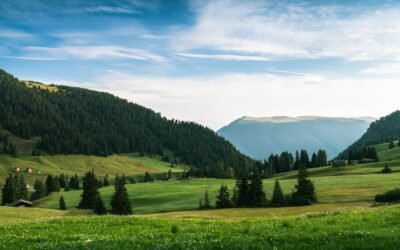
If you’re wondering about the best time to visit Osmancık, Çorum, the short answer is late spring (May-early June) or early autumn (September-October). These periods offer a sweet spot of pleasant weather, manageable crowds, and often more budget-friendly options compared to the peak summer. But let’s dive into the details so you can plan your perfect trip.
Osmancık, nestled in Turkey’s Black Sea region, experiences a transitional climate. It’s not quite the perpetually damp Black Sea coast, nor is it the arid Anatolian interior. This makes understanding its weather patterns key to a comfortable visit.
1.1. Summers: Warm and Lively
Osmancık summers, particularly July and August, are generally warm to hot, with average temperatures often hovering around 25-30°C (77-86°F) and occasionally climbing higher. Humidity can be a factor, especially when coupled with higher temperatures.
- Pros: Long daylight hours, ideal for outdoor activities, swimming in the Kızılırmak River (if conditions allow), and experiencing local festivals like the Osmancık Pirinç Festivali (Rice Festival).
- Cons: Can be uncomfortably hot for some, most crowded time of the year, higher prices for accommodation and some activities.
- Rainfall: While not the wettest part of the year, summer can still see occasional short, intense thunderstorms. Don’t expect bone-dry conditions every day.
1.2. Winters: Cold and Snowy
Winter in Osmancık, from December to February, is distinctly cold. Temperatures frequently drop below freezing, and snowfall is common, sometimes quite heavy.
- Pros: Beautiful snowy landscapes, a quiet and serene atmosphere, potentially very low prices for accommodation.
- Cons: Very cold weather, many outdoor activities are impossible, some businesses might have reduced hours or be closed. Travel can be impacted by snowy roads.
- Rainfall: Precipitation is often in the form of snow, making the region picturesque but challenging for travelers not accustomed to winter conditions.
1.3. Spring: Mild and Floral
Spring, especially May and early June, is a truly delightful time. Temperatures are comfortably mild, ranging from 15-25°C (59-77°F). The countryside bursts into bloom, and the air feels fresh.
- Pros: Excellent weather for exploring, hiking, sightseeing; nature is at its most vibrant; fewer crowds than summer; good value for money.
- Cons: Early spring (March-April) can still be somewhat unpredictable with cooler temperatures and more rain.
1.4. Autumn: Crisp and Colorful
Early autumn (September-October) mirrors spring in its appeal. Temperatures are pleasantly cool, typically between 10-20°C (50-68°F), and the autumn foliage paints the landscape in beautiful hues.
- Pros: Comfortable weather for outdoor activities, stunning fall colors, tourist crowds have thinned out, good deals on travel.
- Cons: Later autumn (November) can become quite chilly and rainy quickly, signaling the onset of winter.
2. Navigating the Crowds
The number of visitors can significantly impact your experience in Osmancık, from the availability of accommodation to the quietness of attractions.
2.1. Peak Season: Summer Buzz
July and August are Osmancık’s peak tourist months, largely due to school holidays and the appeal of summer weather, despite the heat.
- Impact: Main attractions like the Osmancık Castle, İmaret Mosque, and the Kızılırmak riverside parks will see more visitors. Local eateries and shops can be busier. Accommodation prices are at their highest, and booking in advance is strongly recommended.
- Experience: Expect a lively atmosphere, but if you prefer solitude, these months might be less ideal.
2.2. Shoulder Seasons: The Sweet Spot
Late spring (May-early June) and early autumn (September-October) constitute the shoulder seasons.
- Impact: Visitor numbers are significantly lower than in summer but still sufficient for most businesses to be fully operational. You’ll find attractions less crowded, and it’s easier to get a table at popular restaurants.
- Experience: This is arguably the best time for a balanced experience – good weather and enough fellow travelers to create a pleasant buzz, without feeling overwhelmed.
2.3. Off-Season: Tranquility and Charm
Winter (December-February) and early spring (March-April) are the quietest times in Osmancık.
- Impact: Many tourist-focused businesses might operate on reduced hours or close entirely. Some outdoor attractions might be inaccessible due to snow. Accommodation options might be limited but extremely affordable.
- Experience: If you’re a fan of peaceful, uncrowded travel and don’t mind the cold, this can be a magical time, especially with fresh snowfall. You’ll get a more authentic, local feel.
3. Considering Your Budget
Travel costs can fluctuate wildly depending on the time of year. Being flexible with your dates can save you a significant amount.
3.1. Accommodation: Seasonal Swings
- Peak Season (July-August): Expect to pay the highest rates for hotels, guesthouses, and other forms of accommodation. Availability can also be a challenge, so booking well in advance is crucial.
- Shoulder Seasons (May-June, Sept-Oct): Prices are generally more reasonable during these periods. You’ll find a better selection of rooms and potentially some good deals, especially if you book a few months out.
- Off-Season (Nov-Apr): This is when you’ll find the lowest prices. Many establishments offer significant discounts to attract visitors during the quieter months. If budget is your primary concern and you can handle the weather, this is your time.
3.2. Flights and Transport: Planning Ahead
While Osmancık doesn’t have its own airport, you’d typically fly into Amasya Merzifon Airport (MZF) or Samsun Çarşamba Airport (SZF) and then travel by bus or rental car.
- Peak Season: Airfares to Turkey and domestic flights to nearby airports will be at their highest. Bus tickets might also be slightly more expensive, and seats fill up faster.
- Shoulder Seasons: Airfares and bus tickets are usually more competitive. Booking a few months in advance can yield good savings.
- Off-Season: Generally the cheapest time to fly, though fewer flight options might be available on some routes. Bus travel often remains affordable year-round.
3.3. Local Activities and Food: Generally Stable
For the most part, the cost of food at local restaurants (lokantas), entrance fees to historical sites (if applicable, many in Osmancık are free), and general shopping tend to remain fairly consistent throughout the year.
- Exceptions: Special events or festivals during peak season might lead to slightly inflated prices for street food or specific souvenirs. However, this impact is usually minimal on your overall budget.
- Overall: Osmancık is generally a very affordable destination compared to Turkey’s major tourist hubs, regardless of the season.
4. Activities and Local Events by Season
What you plan to do in Osmancık should also guide your timing. The town offers different experiences depending on the season.
4.1. Spring Adventures (May-early June)
This season is perfect for exploring the natural beauty and historical sites without discomfort.
- Hiking and Nature Walks: The surrounding hills and the Kızılırmak riverside are beautiful for gentle walks. The flora is vibrant.
- Castle Exploration: Osmancık Castle is a must-see, and the pleasant temperatures make the climb to its ruins enjoyable.
- Riverside Picnics: Enjoying a traditional Turkish picnic along the Kızılırmak is a delightful experience.
- Photography: The blooming landscapes offer fantastic photo opportunities.
4.2. Summer Fun (July-August)
Despite the heat, special events and extended daylight make summer appealing for some.
- Osmancık Pirinç Festivali (Rice Festival): Typically held in September, but sometimes events related to the harvest might spill into late August. This is a significant cultural event celebrating Osmancık’s famous rice. Check local calendars closer to your travel date.
- Riverside Relaxation: Even if swimming isn’t an option, enjoying tea or a meal at a riverside cafe is popular.
- Historical Sites: İmaret Mosque, Koyun Baba Bridge, and other historical sites are still accessible, though you might prefer early morning or late afternoon visits to avoid the peak heat.
4.3. Autumn Charm (September-October)
Similar to spring, autumn provides ideal conditions for sightseeing and enjoying the local culture.
- Harvest Activities: If the Pirinç Festivali is in September, this is the prime time to experience it. You might also see local farming activities.
- Foliage Viewing: The changing leaves in the surrounding countryside offer stunning scenery.
- Cultural Exploration: Visiting local museums (if available) or simply wandering through the historic streets is very pleasant.
4.4. Winter Wonderland (December-February)
For those who appreciate quiet and cold, winter has its own unique allure.
- Snowy Scenery: The view of Osmancık Castle dusted with snow is quite magical.
- Cozy Cafes: Enjoy hot Turkish tea or sahlep in a warm local cafe.
- Traditional Meals: Savor hearty Turkish dishes, especially warming stews, which are perfect for cold weather.
- Photography: Winter landscapes offer a different, dramatic visual appeal.
5. Practical Considerations for Your Trip
| Month | Weather | Crowds | Costs |
|---|---|---|---|
| April – May | Mild temperatures, blooming flowers | Low to moderate | Moderate |
| June – August | Hot and dry | High | High |
| September – October | Mild temperatures, autumn foliage | Low to moderate | Moderate |
Beyond weather and crowds, a few other things can influence the “best” time for you.
5.1. Personal Preferences: What Do You Want?
Ultimately, the best time to visit ties back to what you personally value most in a trip.
- Heat Tolerance: If you wilt in the heat, summer is definitely out.
- Crowd Aversion: If you despise crowds, avoid July and August.
- Budget Focus: If saving money is paramount, consider the shoulder or off-seasons.
- Activity Type: Hikers and explorers will prefer spring/autumn. Festival-goers might aim for specific summer or early autumn dates.
- Photography Interest: Blooming spring, colorful autumn, or snowy winter each offer distinct photographic opportunities.
5.2. Ramadan and Public Holidays: Cultural Impact
Turkey observes Islamic holidays, with Ramadan being the most significant. Its dates shift annually as it follows the lunar calendar.
- During Ramadan: Many restaurants might close during daylight hours, and the atmosphere becomes quieter. However, evenings come alive with special fasting-breaking meals (iftar). This can be a unique cultural experience if you’re prepared for it.
- Eid al-Fitr (Şeker Bayramı) and Eid al-Adha (Kurban Bayramı): These two major holidays often lead to nationwide travel. Expect very crowded buses, trains, and airports, higher prices, and many businesses (especially official ones) closed for several days. If possible, avoid traveling during these specific holiday periods unless you’re visiting family in Turkey.
- National Holidays: Turkish national holidays can also impact travel, though usually to a lesser extent than the Eids. Banks and government offices will be closed.
5.3. Checking Local Events Calendar: Beyond the Festival
While the Rice Festival is notable, Osmancık and the surrounding Çorum province might host other smaller, local festivals, cultural events, or markets throughout the year.
- Before you go: A quick online search for “Osmancık events [month of travel]” or checking local municipality websites (often in Turkish, but Google Translate helps) can reveal hidden gems. Participating in a local village market or a less-known folklore festival can add depth to your trip.
In conclusion, for a comfortable and complete experience in Osmancık that balances good weather, manageable crowds, and reasonable costs, aim for late spring (May-early June) or early autumn (September-October). However, if you have specific interests like festival attendance, budget travel, or a love for winter landscapes, adjusting your timing accordingly can still lead to a fantastic and memorable visit.
FAQs
1. What is the best time to visit Osmancık, Çorum in terms of weather?
The best time to visit Osmancık, Çorum is during the spring and autumn months, specifically from April to June and September to October. During these times, the weather is mild and pleasant, making it ideal for outdoor activities and sightseeing.
2. When is the peak tourist season in Osmancık, Çorum?
The peak tourist season in Osmancık, Çorum is during the summer months, from July to August. During this time, the town experiences an influx of tourists, leading to crowded attractions and higher accommodation costs.
3. What is the off-peak season in Osmancık, Çorum?
The off-peak season in Osmancık, Çorum is during the winter months, from December to February. During this time, the town experiences fewer tourists, making it a quieter and more affordable time to visit.
4. What are the average costs of visiting Osmancık, Çorum?
The average costs of visiting Osmancık, Çorum can vary depending on the season. During the peak tourist season, accommodation and dining costs may be higher, while off-peak seasons may offer more affordable options.
5. Are there any annual events or festivals that are worth considering when planning a visit to Osmancık, Çorum?
Yes, Osmancık, Çorum hosts the Osmancık Cherry Festival in June, which is a popular event that celebrates the town’s cherry harvest. The festival features cultural performances, music, and of course, an abundance of delicious cherries. This event is worth considering when planning a visit to Osmancık, Çorum.