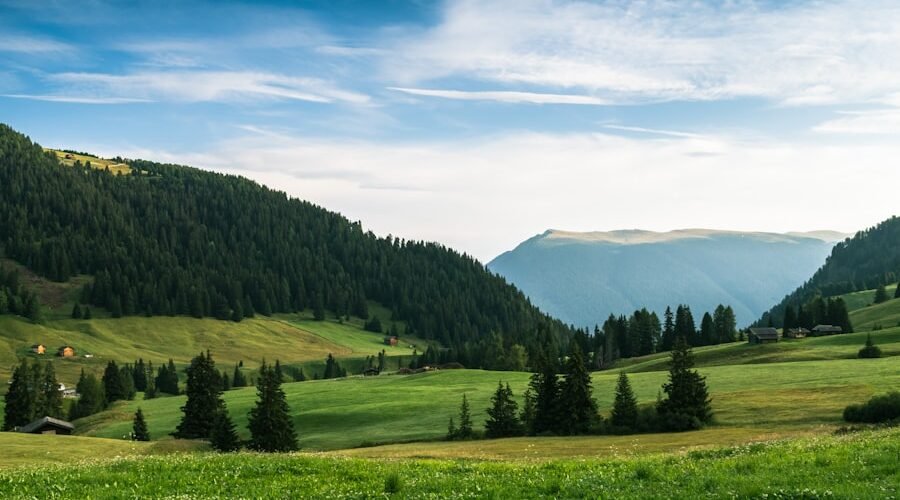
The best time to visit Varto, Muş depends on whether you want comfortable hiking weather, green landscapes, autumn scenery, or a snowy winter trip. This mountain district in eastern Türkiye has warm, relatively dry summers and long, cold winters. Choosing the right month can make a big difference to your outdoor plans, road access, and travel costs.
Quick Answer
June to September is generally the best time to visit Varto, Muş. June offers green landscapes, July and August bring the warmest and driest weather, and September combines pleasant conditions with fewer visitors. Choose May for spring scenery or October for autumn photography. Winter is better suited to travelers prepared for snow and difficult road conditions.
Last checked: September 25, 2026. Dates and key facts were checked against official sources.
Key Takeaways
- July and August are the driest months, but afternoon temperatures can become uncomfortable for long walks.
- April and May offer fresh greenery, although spring rain and melting snow can affect outdoor routes.
- September offers a useful balance of comfortable weather and easier sightseeing.
- Winter travel requires preparation for freezing temperatures, snow, and possible road closures.
- Not every natural attraction is open to visitors. Protected areas and archaeological sites may have access restrictions.
Best Time to Visit Varto, Muş: Seasonal Weather Guide
Varto has a continental climate, with strong differences between summer and winter. Its mountain setting also means that weather in the town can differ from conditions on higher roads and surrounding hills.
The following figures are based on 1991–2020 local climate estimates published in the Varto climate report. They are long-term averages, not a forecast for your travel dates.
The Turkish State Meteorological Service’s Varto climate classification also identifies cold winters and substantial summer water shortages.
| Season | Typical Average Daytime Highs | Travel Conditions | Best For |
|---|---|---|---|
| Spring: April–May | 11–17°C | Green landscapes, rain, and possible remaining snow at higher elevations. | Spring photography and relaxed sightseeing. |
| Summer: June–August | 23–29°C | Long days, low rainfall, and generally easier outdoor travel. | Hiking, nature walks, and exploring the district. |
| Autumn: September–October | 16–24°C | Comfortable early autumn weather, followed by cooler nights and increasing rain. | Photography, cultural exploration, and quieter travel. |
| Winter: November–March | Approximately -3°C to 8°C, depending on the month. | Freezing nights, snowfall, and possible travel disruption. | Winter landscapes and snow photography. |
These ranges summarize the average highs for the months within each season. Individual days can be much hotter or colder, especially in mountainous areas.
Spring in Varto: April and May
Spring is a good choice if you enjoy green landscapes and cooler weather. However, April can still feel like winter, particularly at night and on higher ground.
- Weather: April’s estimated average high is about 11°C (52°F), rising to around 17°C (63°F) in May. Average nighttime lows are approximately 1°C (34°F) and 5°C (41°F), respectively.
- Rainfall: April is one of the wettest months, with estimated monthly precipitation of about 102 mm. May receives around 79 mm.
- Crowds: Spring generally attracts fewer leisure travelers than summer, making it suitable for a quieter trip.
- Costs: Lower seasonal demand may help you find accommodation deals, although rates vary by property.
- Activities: Photograph green hills, enjoy the countryside, explore the town, and take short nature walks when conditions permit.
Late May is a better choice than early April for outdoor exploration. Melting snow and spring rain can leave unpaved routes muddy, so allow flexibility in your plans.
Summer in Varto: June to August
Summer offers the most dependable conditions for outdoor sightseeing. The days are long, rainfall is relatively low, and access to rural areas is generally easier than in winter.
- Weather: Average daytime highs rise from about 23°C (73°F) in June to 28°C (82°F) in July and 29°C (84°F) in August.
- Rainfall: Estimated monthly rainfall falls from around 33 mm in June to 15 mm in July and 12 mm in August.
- Crowds: Summer is the main leisure-travel period. Domestic visitors and people returning to the region can increase activity, although Varto is not a major mass-tourism destination.
- Costs: Accommodation demand can rise during summer holidays. Booking ahead is sensible if you have limited lodging options.
- Activities: Hiking, countryside photography, picnics, nature walks, and cultural sightseeing are particularly suitable.
June offers greener scenery after the spring rains. July and August are drier, but strong afternoon sunshine can make long walks tiring.
For comfortable outdoor activities, start early in the morning or explore again later in the afternoon. Carry drinking water and sun protection.
Autumn in Varto: September and October
September is one of the most comfortable months for visiting Varto. October can also be rewarding, especially for photography, but the weather becomes less predictable.
- Weather: September has an estimated average daytime high of about 24°C (75°F), falling to around 16°C (61°F) in October.
- Rainfall: September averages approximately 18 mm of precipitation, while October receives around 62 mm.
- Crowds: Visitor activity generally declines after the summer holiday period.
- Costs: Some accommodation prices may ease as demand falls, although this is not guaranteed.
- Activities: Photography, town exploration, countryside walks, and viewing autumn colors where deciduous trees grow.
September is especially suitable for travelers who want outdoor weather without the hottest part of summer.
October brings cooler mornings and evenings. Pack a warm layer and a waterproof jacket if you plan to explore outside the town.
Winter in Varto: November to March
Winter changes Varto into a snowy mountain destination. It can be beautiful for photography, but freezing temperatures and difficult roads make travel more demanding.
- Weather: January and February have estimated average daytime highs of approximately -3°C (27°F) and -1°C (30°F). Average nighttime lows fall to around -12°C (10°F) and -11°C (12°F).
- Snow: Snowfall is common, and higher areas may remain snow-covered for extended periods.
- Crowds: General leisure tourism is limited, particularly outside holiday periods.
- Costs: Lower demand can mean cheaper accommodation, but winter transport and heating needs may offset some savings.
- Activities: Snow photography, experiencing the winter landscape, and limited outdoor exploration when conditions are safe.
Varto itself is not a major ski resort. If skiing is your main reason for traveling, arrange access to an established facility rather than assuming slopes or equipment rentals are available locally.
November and March are transitional months. Both can still bring cold weather, while December through February is the main period for deep winter conditions.
Factors to Consider When Planning Your Trip
Weather is only one part of choosing your travel dates. Your preferred activities, road access, available accommodation, and Turkish holiday periods also matter.
Your Interests and Activities
The right season depends on what you want to do. A summer hiking trip requires different planning from a winter photography visit.
- Hiking and outdoor exploration: June to September offers the most favorable combination of daylight, temperature, and generally drier conditions. Late May and early October can also work with more flexible plans.
- Cultural immersion: May, September, and early October are comfortable choices for exploring the town and nearby historical places.
- Photography: Spring offers fresh greenery, summer provides long daylight hours, autumn brings changing colors, and winter offers snow-covered scenery.
- Budget travel: April, November, and the winter months may offer lower accommodation rates. However, verify that your chosen property is open before treating a low advertised price as a practical saving.
- Avoiding crowds: May, late September, and October provide a useful balance between quieter travel and relatively manageable weather.
Varto’s outdoor appeal extends beyond the town center, but some natural locations have visitor restrictions.
For example, the Ministry of Culture and Tourism describes Hamurpet, also called Akdoğan Lake, as a protected wetland and states that the area is not open to visitors. Do not plan an independent visit based only on older travel photographs or descriptions.
Road Conditions and Accessibility
Varto’s mountainous location makes road conditions particularly important outside summer. Main roads and smaller rural routes can have very different conditions on the same day.
- Summer: Roads are generally easier to navigate, although construction, damaged surfaces, and local closures can still occur.
- Spring: Snowmelt, mud, and remaining ice may affect higher or unpaved roads.
- Autumn: September usually provides easier driving conditions than late October, when rain and early snow become more likely.
- Winter: Snow and ice can cause delays or closures. Winter tires, suitable vehicle equipment, and a flexible schedule are essential for self-driving.
Warning: Do not assume that a four-wheel-drive vehicle makes a snowy mountain road safe. Ice, poor visibility, and temporary closures can affect any vehicle. Check official road information before leaving the main routes.
Türkiye’s General Directorate of Highways publishes official road closure information, including affected routes and reported closure reasons.
Local buses and shared taxis, known as dolmuş, may offer alternatives to driving. However, services can be less frequent in bad weather, and rural destinations may not have convenient connections.
Local Amenities and Services
Varto is a year-round residential town, but tourism-related services may vary by season. Smaller accommodation providers and seasonal businesses can have limited availability outside summer.
- Summer: The warmer months generally offer the broadest choice of travel services and outdoor activities.
- Spring and autumn: Essential businesses continue operating, while some tourism-focused services may have shorter hours.
- Winter: Grocery stores and general town services remain important to residents, but some smaller guesthouses and seasonal operations may close.
If you travel in winter, confirm that your accommodation provides heating and that food and transport will be available during your stay.
Public Holidays and School Breaks
Turkish holidays can affect domestic travel demand, accommodation availability, and transport schedules. Varto-specific visitor counts are not available, so these dates should be treated as planning considerations rather than confirmed local peak periods.
According to Türkiye’s official 2027 religious calendar, Ramadan Bayramı falls on March 9–11, while Kurban Bayramı falls on May 16–19.
The Ministry of National Education’s 2026–2027 calendar lists the following school breaks:
- November 16–20, 2026: First midterm break.
- January 25–February 5, 2027: Semester holiday.
- March 8–12, 2027: Second midterm break.
- June 25, 2027: End of the school year.
These dates matter if you need intercity transport or have limited flexibility with accommodation. Holiday travel may also affect the availability of local services.
Best Time for Specific Experiences in Varto
Varto offers different experiences throughout the year. Choosing your travel dates around one main activity can help you make better use of your time.
For Outdoor Adventures and Nature Walks
Ideal season: June to September, with late May and early October as alternatives.
These months offer longer daylight hours and generally more manageable conditions for hiking, walking, and countryside exploration.
- June: Choose this month for greener scenery and comfortable daytime temperatures.
- July and August: Choose these months for the driest conditions, while avoiding strenuous walks during the hottest hours.
- September: Enjoy pleasant temperatures and the beginning of autumn changes.
Always consider elevation when planning a route. A comfortable day in town does not guarantee snow-free trails or suitable conditions in the surrounding mountains.
For Cultural Exploration and Relaxation
Ideal season: May, September, and early October.
These months are well suited to relaxed sightseeing and visits to historical places. One notable example is Varto Kayalıdere Ancient City, also known as Kale Şehri.
The Ministry of Culture and Tourism’s Kayalıdere guide places this Urartian settlement approximately 20 km from Varto, beside the Alpaslan-2 reservoir.
The site contains remains of a fortress, temple, wine cellar, and tombs. It is associated with the reign of Urartian King Sarduri II.
Visitor access deserves special attention. The Ministry of National Education’s Kayalıdere visitor information describes the site as a protected security area requiring an advance appointment. It also lists free entry.
Arrange access before making the journey, particularly if you are traveling independently.
Summer may also provide opportunities to encounter local celebrations and community events. However, no fixed annual Varto festival schedule was confirmed, so avoid planning a trip around an assumed event.
For Photography
Ideal season: May, September, and October for changing landscapes; winter for snow scenes.
Each season offers a distinct appearance. Spring brings green hills, summer provides clear skies and long days, and autumn introduces warmer landscape colors.
Winter offers a very different atmosphere. Snow-covered roads, hills, and buildings can create striking compositions, but access and personal safety should take priority over reaching a particular viewpoint.
For landscape photography, morning and late-afternoon light often gives the terrain more depth than direct midday sunshine.
For Budget Travelers
Ideal season: April, November, and December to March, depending on weather tolerance and available accommodation.
Travel demand is generally lower outside the warmer months, which may help reduce accommodation costs. However, Varto has a limited tourism market, and published seasonal price comparisons are not available.
- April: A possible balance between lower demand and improving weather, although mud and remaining snow can restrict activities.
- November: A quieter period before the deepest winter conditions develop.
- December to March: Suitable for travelers who prioritize winter scenery and can manage cold-weather transport.
A cheaper room does not always mean a cheaper trip. Extra heating, winter equipment, transport delays, or the need for a suitable vehicle can increase your total expenses.
Final Recommendation
For a first visit, aim for late June to early September. This period offers the best overall combination of outdoor conditions, daylight, and easier access around Varto.
If you prefer milder weather and a quieter atmosphere, September is an especially attractive option. May and October are also worth considering when photography and relaxed sightseeing matter more than consistently dry weather.
Winter provides a different experience, but it requires more preparation. Choose it for the snowy landscape rather than expecting the same access and activities available during summer.
Frequently Asked Questions
What is the best time to visit Varto, Muş for good weather?
June to September generally offers the best weather for visiting Varto. June and September provide comfortable conditions for sightseeing, while July and August are warmer and drier. September is particularly appealing if you want to avoid the hottest summer afternoons.
When is the peak tourist season in Varto, Muş?
Summer, from June to August, is the main leisure-travel period in Varto. The warmer weather makes outdoor activities easier, and domestic travel can increase during school holidays. Varto is not a major mass-tourism destination, and reliable district-level visitor figures are not available.
What is the off-peak season in Varto, Muş?
Winter is generally the off-peak season for leisure tourism in Varto. December through February brings particularly cold conditions, while November and March are transitional months. The quieter atmosphere can appeal to photographers, but snow and limited services may affect travel plans.
How does the cost of visiting Varto vary throughout the year?
Accommodation may cost more during summer and holiday periods because of increased demand. Spring, late autumn, and winter may offer lower prices, although reliable local seasonal rate data is unavailable. Compare the full trip cost, including transport and winter-related expenses.
What is the weather like in Varto during winter?
Varto experiences freezing temperatures and frequent snow during winter. January has an estimated average daytime high of approximately -3°C (27°F), with nighttime lows near -12°C (10°F). Snow and ice can affect travel, especially on smaller mountain roads.
Can you visit Hamurpet Lake near Varto?
Hamurpet, also known as Akdoğan Lake, is a protected wetland in Varto district. The Ministry of Culture and Tourism currently describes the area as not open to visitors. Do not assume that older travel guides or photographs reflect current access permissions.
Sources
- StatsClimat: Varto Climate Report: Modeled local temperature and precipitation estimates for the 1991–2020 reference period.
- Turkish State Meteorological Service: Official climate classification for Varto.
- Ministry of Culture and Tourism: Kayalıdere Ancient City: Location, historical background, and archaeological features.
- Ministry of Culture and Tourism: Hamurpet Lake: Protected status and visitor access information.
- Ministry of National Education: Kayalıdere Visitor Information: Listed opening hours, appointment requirements, and entry conditions.
- General Directorate of Highways: Official road closure information.
- Presidency of Religious Affairs: 2027 Calendar: Ramadan Bayramı and Kurban Bayramı dates.
- Ministry of National Education: 2026–2027 School Calendar: School term dates and holiday periods.