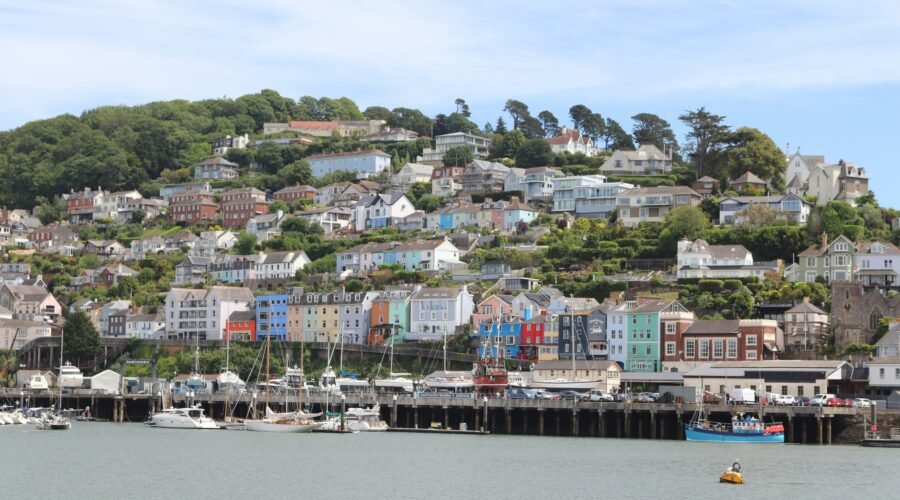
Thinking about when to visit Dartmouth, Nova Scotia? The best time, hands down, is late spring to early autumn (May to September). This window offers the most pleasant weather for exploring, a good balance of activity and crowd levels, and reasonable costs if you plan ahead. While there are charms to every season, this period truly shines for making the most of your trip.
1. Spring (May-June): Awakening & Blossoming
Spring in Dartmouth is a lovely shoulder season, offering a refreshing start after winter and a glimpse into the vibrant summer ahead. It’s a fantastic choice if you prefer slightly cooler temperatures and fewer crowds.
1.1 Weather: Mild & Refreshing
Expect average daily temperatures ranging from 10°C to 20°C (50°F to 68°F). May can still have some cooler days, especially evenings, but June starts to feel distinctly summery. You’ll encounter a mix of sunshine and occasional rain showers, so packing layers and a waterproof jacket is always a good idea. The air is crisp and clean, perfect for walking or cycling.
1.2 Crowds: Before the Rush
This is a sweet spot for avoiding the peak summer tourist crush. While local attractions and restaurants will be open and ready for business, you won’t typically experience long lines or fully booked tours. Accommodation might also be a bit easier to secure, and competitive pricing is more common. It’s a great time to enjoy the local pace without feeling overwhelmed.
1.3 Costs: Moderate & Value-Oriented
Flights and accommodations generally fall into a moderate price range during spring. You’re likely to find better deals than in July or August, especially if you book a few months in advance. Many local businesses might offer early-season specials to attract visitors. Dining out and activity prices remain fairly consistent throughout the year, but the overall trip cost can be lower due to cheaper travel and lodging.
1.4 Activities: Outdoor Exploration & Local Freshness
Spring is ideal for exploring Dartmouth’s numerous parks and trails. Shubie Park, with its lakes and historical canal system, is beautiful as the foliage returns. The Dartmouth Waterfront Trail is perfect for a leisurely stroll or bike ride, and you might even catch some early market vendors popping up with local produce (though full farmers’ markets tend to get into full swing a bit later). It’s also a great time to visit historical sites like the Quaker House without feeling rushed.
If you’re planning a trip to Dartmouth, Nova Scotia, it’s essential to consider not only the best time to visit but also the various factors that can enhance your experience. For more insights on travel planning, including how to navigate local regulations and understand cookie policies when booking accommodations, check out this informative article on cookie policies. Understanding these details can help ensure a smoother and more enjoyable visit to this charming coastal town.
2. Summer (July-August): Peak Season & Sunny Days
Summer is undoubtedly the most popular time to visit Dartmouth, and for good reason. The weather is at its finest, and the city buzzes with events and activities. Be prepared for higher prices and more people, but the trade-off is often worth it for the vibrant atmosphere.
2.1 Weather: Warm & Sunny
These months offer the warmest temperatures, averaging 20°C to 27°C (68°F to 81°F), sometimes pushing into the low 30s°C (90s°F) during heatwaves. Humidity can be a factor, but cooling breezes from the harbour often provide relief. Plenty of sunshine is typical, making it perfect for water-based activities and outdoor adventures. Expect occasional thunderstorms, which usually pass quickly.
2.2 Crowds: Bustling & Energetic
Dartmouth, and Halifax across the harbour, are at their busiest. Tourist attractions, restaurants, and ferry services will be operating at full capacity. Expect more people on trails, busier streets, and potentially longer wait times for popular spots. If you thrive on a lively atmosphere and don’t mind sharing the experience with others, this is your time. If you prefer solitude, this might not be your top pick.
2.3 Costs: Highest of the Year
As the peak season, expect the highest prices for flights and accommodations. Booking well in advance (6-12 months for prime dates and sought-after lodging) is highly recommended, as availability can be limited. Rental cars also command premium rates. While local attractions and dining costs remain relatively stable, the overall cost of a summer trip will likely be the highest. Look for package deals or consider staying slightly outside the main tourist hubs to save a bit.
2.4 Activities: Festivals, Waterfront Fun & Beach Days
Summer is packed with events. From music festivals and cultural celebrations to outdoor concerts and street performers, there’s always something happening. The Dartmouth Natal Day Festival (early August) is a major highlight, with parades, fireworks, and family-friendly activities. Ferry rides across to Halifax are popular, as are kayaking and paddleboarding on Lake Banook or the harbour. This is also prime time for heading to nearby beaches like Rainbow Haven or Lawrencetown for a swim or surf. Farmers’ markets are in full swing, brimming with local produce.
3. Autumn (September-October): Colours & Calm
Autumn in Dartmouth is often considered a hidden gem. The weather remains pleasant, the summer crowds begin to dissipate, and the fall foliage paints the landscape in spectacular colours. It’s a fantastic time for a more relaxed but still outdoors-focused trip.
3.1 Weather: Crisp & Colourful
September feels like an extension of summer, with average temperatures around 15°C to 20°C (59°F to 68°F). October sees a definite drop, averaging 7°C to 12°C (45°F to 54°F), bringing a crispness to the air. These months offer plenty of sunny days, interspersed with occasional rain. The major draw is, of course, the vibrant fall colours, which typically peak in mid-to-late October in the Halifax-Dartmouth area.
3.2 Crowds: Declining & Relaxed
With schools back in session and many summer vacationers having left, the crowds thin out considerably. You’ll find a much more relaxed atmosphere at attractions and restaurants. While popular spots will still see visitors, you generally won’t encounter the long waits of summer. This allows for a more leisurely exploration of the city and its natural surroundings.
3.3 Costs: Moderate & Excellent Value
Autumn presents excellent value. Flight and accommodation prices generally drop from their summer peak, settling into a moderate range similar to, or even slightly lower than, spring. You can often find good deals on hotels and car rentals. Many businesses still operate at full capacity but with fewer customers, leading to a more personal experience.
3.4 Activities: Leaf Peeping, Hiking & Harvest Flavours
This is prime time for nature lovers. Explore Shubie Park or venture further afield to places like Peggy’s Cove or the Annapolis Valley (a bit of a drive, but stunning) to witness the breathtaking fall foliage. Hiking and cycling are incredibly rewarding during this period. Local farmers’ markets are still abundant with harvest-season produce like apples, pumpkins, and root vegetables. It’s also a great time for cozy meals in local pubs and restaurants, enjoying the warmth and comforting flavours.
4. Winter (November-April): Quiet Charm & Holiday Glow
Winter in Dartmouth is definitely the off-season, offering a quiet, often snowy, experience. If you enjoy cold weather activities, fewer people, and a chance to see the city in a different light, it can be a rewarding visit, especially around the holidays.
4.1 Weather: Cold & Snowy
Temperatures range from -5°C to 5°C (23°F to 41°F) on average, but can frequently drop lower, sometimes well below freezing. Snowfall is common, and you can expect several significant snowstorms throughout the winter. While there are often clear, sunny, crisp days, grey skies and drizzle are also part of the package. Dress warmly in layers, including a good winter coat, hat, gloves, and waterproof boots.
4.2 Crowds: Minimal & Local Focus
Except for the bustling holiday season (mid-November to early January), crowds are very minimal. You’ll mostly encounter locals going about their daily lives. Tourist attractions might have reduced hours or be closed for the season, so it’s essential to check ahead. If you crave peace and quiet and want to experience Dartmouth like a local, this is your chance.
4.3 Costs: Lowest of the Year (Excluding Holidays)
Winter typically offers the lowest prices for flights and accommodations, outside of the Christmas and New Year’s period. You can often find fantastic deals on hotels, sometimes significantly cheaper than in summer. Car rentals are also more affordable. Keep in mind that some seasonal businesses might be closed, limiting certain activity options. However, for budget-conscious travelers, winter can be very attractive.
4.4 Activities: Holiday Cheer, Indoor Exploring & Winter Sports
Around late November and December, Dartmouth lights up with festive decorations. The Evergreen Festival (across the harbour in Halifax, but easily accessible by ferry) offers lights, markets, and events. Indoor attractions like the Art Gallery of Nova Scotia (in Halifax) or local museums provide a warm escape. If there’s enough snow, cross-country skiing or snowshoeing in Shubie Park can be delightful. Skating at the Emera Oval (Halifax Common) is a popular free activity. Cozy pubs and coffee shops become even more inviting.
If you’re planning a trip to Dartmouth, Nova Scotia, understanding the best time to visit can greatly enhance your experience. To further assist you in your travel planning, you might find it helpful to read a related article that discusses important factors such as weather patterns, crowd levels, and cost considerations. For more detailed insights, check out this informative piece on travel tips that can help you make the most of your visit to this charming coastal town.
5. Best Month Breakdown: A Quick Reference
While the seasonal categories give a good overview, sometimes you need to pinpoint a specific month. Here’s a quick look at what each month generally offers in Dartmouth.
5.1 May: Blooming & Budget-Friendly
Generally mild weather, trees and flowers coming into bloom. Lower crowds and good prices overall. A great shoulder month for outdoor activities before the heat arrives.
5.2 June: Warming Up & Lively
Definitely feeling like summer, with warmer temperatures and longer days. Crowds start to pick up, but not at their peak. Good balance of weather, activity, and still decent pricing.
5.3 July: Peak Summer & Festivities
Warmest weather, prime time for swimming and water sports. Highest crowd levels and prices. Lots of festivals and events. Book everything well in advance.
5.4 August: Summer’s End & Natal Day
Still very warm, but perhaps a slight hint of autumn approaching by the end of the month. Very busy, especially around Natal Day. Similar crowd and cost levels to July.
5.5 September: Indian Summer & Foliage Begins
Often sunny and mild, making it one of the most pleasant months. Crowds significantly thin out post-Labour Day. Excellent value and the beginning of fall colours.
5.6 October: Fall Colours & Crisp Air
Cooler temperatures, spectacular fall foliage at its peak. Fewer tourists, ideal for hiking and appreciating nature. Great deals on accommodation.
5.7 November: Transition & Quiet
Gets notably colder and rainier. Fewer tourists, and some seasonal businesses might close. An affordable month, but be prepared for variable weather.
5.8 December: Festive & Snowy Potential
Cold, with a good chance of snow. Holiday events and decorations brighten the city, but tourist numbers (outside of holiday travel) are low. Prices can spike around Christmas/New Year’s.
5.9 January-February: Deep Winter & Calm
Coldest months, most snow. Very quiet for tourism. Best for those seeking winter activities or a peaceful, budget-friendly break. Many attractions scaled back.
5.10 March-April: Thawing & Reawakening
Still cold, but signs of spring emerge in April. Less snow, more rain. Tourism remains low. A good time for budget travel if you’re prepared for unpredictable weather and want to avoid crowds.
Ultimately, the best time to visit Dartmouth depends on your priorities. For glorious outdoor weather and a bustling atmosphere, summer is your pick. If you prefer pleasant temperatures, fewer crowds, and stunning scenery, spring and autumn are excellent choices. And for a unique, quiet, and budget-friendly experience, winter has its own charm. No matter when you choose to visit, Dartmouth offers a warm welcome and plenty to explore.
FAQs
1. What is the best time to visit Dartmouth, Nova Scotia for favorable weather?
The best time to visit Dartmouth, Nova Scotia for favorable weather is during the summer months of June to August when temperatures are mild and pleasant, ranging from 15°C to 25°C.
2. When is the best time to visit Dartmouth, Nova Scotia to avoid crowds?
To avoid crowds, it is best to visit Dartmouth, Nova Scotia during the shoulder seasons of spring (April to May) and fall (September to October) when the tourist crowds are thinner compared to the peak summer months.
3. What is the most cost-effective time to visit Dartmouth, Nova Scotia?
The most cost-effective time to visit Dartmouth, Nova Scotia is during the shoulder seasons of spring and fall when accommodation and attraction prices are generally lower compared to the peak summer months.
4. What is the peak tourist season in Dartmouth, Nova Scotia?
The peak tourist season in Dartmouth, Nova Scotia is during the summer months of June to August when the weather is favorable, and various outdoor activities and events are in full swing, attracting a larger number of tourists.
5. What are the main factors to consider when planning a visit to Dartmouth, Nova Scotia?
When planning a visit to Dartmouth, Nova Scotia, it is important to consider the weather, crowd levels, and costs. Additionally, researching local events and festivals can enhance the overall experience of the visit.