

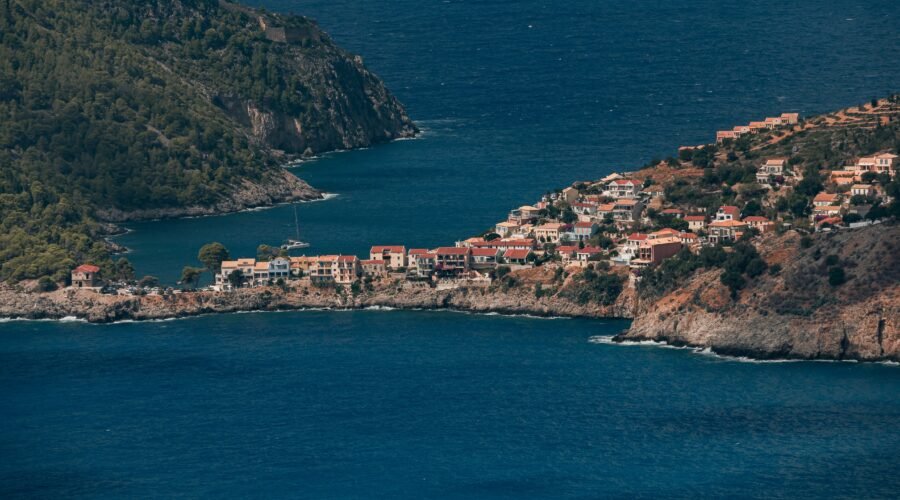
The best time to visit Assos, Çanakkale is usually May to early June or mid-September to mid-October. These periods offer comfortable weather for exploring ancient ruins, smaller crowds, and better accommodation value than peak summer. However, the ideal month depends on whether you prefer historical sightseeing, swimming, nature walks, or a quiet coastal escape. Knowing the best time to visit Assos Çanakkale helps you plan around weather, crowds, and budget.
Quick Answer
Visit Assos in May or September for the best balance of weather, sightseeing, and manageable crowds. May is excellent for wildflowers and exploring the ruins. September is generally better for combining sightseeing with swimming. July and August suit beach holidays, while November through March offers a quieter experience with fewer tourist services.
Also compare nearby guides: Çanakkale, Turkey · Ayvacık, Çanakkale · Troy, Çanakkale.
Key Takeaways
- April and May are ideal for nature walks, photography, and exploring the ancient city without intense summer heat.
- July and August offer the most reliable beach weather but bring the largest holiday crowds.
- September usually provides the best combination of warm sea conditions and comfortable sightseeing temperatures.
- October brings cooler weather, quieter streets, and a greater chance of rain, especially later in the month.
- Winter can offer lower accommodation prices, although seasonal hotels, restaurants, and activities may be unavailable.
Best Time to Visit Assos, Çanakkale by Season
Assos has warm, dry summers and cooler, wetter winters. Spring and autumn are generally the easiest seasons for walking around the archaeological site and Behramkale village.
If swimming is your main goal, summer and early autumn are better choices. The following comparison will help you decide which period matches your travel plans.
| Season | Best For | Main Trade-Off |
|---|---|---|
| Spring (April-May) | Ancient ruins, hiking, wildflowers, photography | Cool sea and occasional rain |
| Summer (June-August) | Beaches, swimming, outdoor dining | Heat, crowds, higher hotel demand |
| Autumn (September-October) | Sightseeing, early-autumn swimming, relaxed travel | Increasing rain and cooler evenings |
| Winter (November-March) | Quiet sightseeing, village life, possible hotel savings | Rain, wind, limited seasonal services |
Spring (April-May): Pleasant Weather and Green Landscapes
Spring is one of the most comfortable periods for exploring Assos on foot. The surrounding hills become greener, wildflowers appear, and the archaeological site is easier to explore without strong summer heat.
April can still feel cool, particularly on windy days. By May, daytime temperatures become noticeably warmer.
- Weather: April is mild with occasional rain. May brings warmer, sunnier days, although evenings can remain cool.
- Crowds: Visitor numbers are generally lower than in July and August. Weekends and public holidays can still be busy.
- Costs: Accommodation may offer better value than during the main summer holiday period.
- Best activities: Visiting the Temple of Athena, exploring Behramkale, walking through the countryside, and photographing spring scenery.
- Swimming: Sea temperatures are still cool for many visitors, especially in April and early May.
May is particularly attractive if you want a combination of history, nature, and comfortable outdoor temperatures. Bring a light jacket for the evenings.
Summer (June-August): Hot Weather and Busy Beaches
Summer is the best season for travellers who prioritise swimming, sunshine, and lively waterfront restaurants. June usually provides a more comfortable balance, while July and August are the hottest and busiest months.
The sunny weather is ideal for spending time along the coast. However, the exposed hilltop ruins can become uncomfortable during the middle of the day.
- Weather: Hot, mostly dry conditions dominate. July and August can regularly reach around 30°C or higher during the day.
- Crowds: Domestic holidaymakers and international visitors increase demand for accommodation, restaurants, and beach facilities.
- Costs: Popular waterfront hotels and summer accommodation often charge their highest rates.
- Best activities: Swimming at Kadırga Beach or Sokakağzı, enjoying the historic harbour, and spending warm evenings outdoors.
- Sightseeing: Early morning visits are more comfortable than walking around the archaeological site during peak afternoon heat.
June can be especially appealing if you want beach weather without the full intensity of July and August.
Autumn (September-October): Comfortable Sightseeing and Warm Sea
September is arguably the best single month for a balanced Assos holiday. The most intense summer heat begins to fade, while the sea retains warmth from the previous months.
October is generally quieter and cooler. It remains a good sightseeing month, but swimming becomes less dependable as autumn progresses.
- Weather: September is usually warm, with comfortable evenings. October brings cooler days and more frequent rainfall.
- Crowds: Visitor numbers generally decline after the summer holiday period, although early September can remain busy.
- Costs: Hotel rates often become more competitive as peak summer demand decreases.
- Best activities: Exploring the ancient theatre, visiting the Temple of Athena, enjoying the harbour, and walking through Behramkale.
- Swimming: September is generally a better choice than October. Swimming may remain enjoyable in early October when conditions are favourable.
If you want to enjoy the historical attractions and spend time in the sea, September is a particularly strong choice.
Winter (November-March): Quiet Streets and Lower Tourist Demand
Winter offers a much quieter experience in Assos. You can explore the village and ancient surroundings without the usual summer crowds, although wet and windy weather can limit outdoor activities.
This period suits travellers who value peaceful surroundings more than swimming or nightlife.
- Weather: Days are generally cool, with more rain and occasional strong coastal winds. Snow is uncommon near the coast but remains possible.
- Crowds: Tourist numbers are low, giving the village and archaeological area a more peaceful atmosphere.
- Costs: Some accommodation can be cheaper, although fewer hotels remain open.
- Best activities: Exploring the village, photographing quiet coastal scenery, enjoying local food, and visiting nearby museums in Çanakkale.
- Limitations: Seasonal restaurants, beach facilities, and some accommodation may close or reduce their services.
Winter is worth considering for a relaxed cultural trip. However, arrange accommodation and transport before travelling because the available choices may be limited.
Seasonal Highlights: What to See and Do When
Assos combines archaeological ruins, a traditional village, coastal scenery, and nearby beaches. The best activities change throughout the year, so it helps to match your interests with the season.
Spring (April-May): Wildflowers, History, and Nature Walks
Spring is ideal for exploring the ancient landscape around Behramkale. Green hillsides and wildflowers make the historic setting particularly attractive for photography and walking.
- Temple of Athena: Enjoy the hilltop ruins in comfortable temperatures, with broad views across the Aegean coast.
- Behramkale Village: Explore the traditional stone streets and local shops without the full summer crowds.
- Nature Walks: Take advantage of the greener countryside and relatively mild weather.
- Early Swimming: Late May may suit visitors comfortable with cooler water, but sightseeing remains the stronger reason to visit.
The ancient city is especially rewarding if you enjoy history. According to the Çanakkale Provincial Directorate of Culture and Tourism, Assos lies about 87 km south of Çanakkale city and includes the Temple of Athena, ancient theatre, and other important archaeological remains.
Summer (June-August): Beaches and Harbour Evenings
Summer is the strongest season for enjoying the coastal side of Assos. Warm weather supports swimming, sunbathing, and outdoor dining, while long evenings make the historic harbour especially attractive.
- Kadırga Beach: One of the area’s best-known coastal destinations for swimming and relaxing by the sea.
- Sokakağzı: Another beach area worth considering if you want time away from the archaeological attractions.
- Assos Harbour: Enjoy waterfront cafes, seafood restaurants, fishing boats, and the evening atmosphere.
- Water Activities: Swimming, kayaking, and paddleboarding may be available depending on local operators and sea conditions.
- Local Events: Small cultural activities may take place during summer, but a fixed annual Assos festival should not be assumed.
For a balanced summer day, visit the archaeological site in the morning and spend the hotter afternoon near the water.
Warning: The hilltop archaeological site has exposed areas with limited shade. Summer heat can make walking difficult, especially around midday. Carry drinking water, wear suitable footwear, and use sun protection when exploring the ruins.
Autumn (September-October): Archaeology, Swimming, and Local Traditions
Autumn is excellent for travellers who want to experience several sides of Assos in one trip. The weather is generally more comfortable for sightseeing, while early autumn can still provide suitable swimming conditions.
- Temple of Athena: Enjoy the historic ruins and sea views without the strongest summer heat.
- Ancient Theatre: Explore one of the important remains of ancient Assos when walking conditions are more pleasant.
- Behramkale Village: Spend time in its stone streets, cafes, and traditional surroundings.
- Swimming: September is generally favourable. Early October may also work, depending on weather and sea temperature.
- Olive Harvest: Late autumn may offer opportunities to observe olive-related agricultural activity in the surrounding region, depending on harvest timing.
September is especially suitable if you want to combine archaeological sightseeing with a relaxing beach holiday.
Winter (November-March): Peaceful Ruins and Village Life
Winter changes the atmosphere of Assos. The busy summer waterfront becomes quieter, and the surrounding landscape offers a more peaceful setting for photography and cultural exploration.
- Quiet Archaeological Visits: Explore the ancient surroundings with fewer visitors when the weather allows.
- Local Life: Spend time in village cafes and observe everyday life away from the summer tourist season.
- Coastal Photography: Capture the harbour, stone architecture, and changing winter skies.
- Nearby Museums: Consider visiting museums and historical attractions in Çanakkale city on rainy days.
A winter visit is better suited to flexible sightseeing than a tightly scheduled beach holiday. Allow room in your plans for rain and reduced seasonal services.
Navigating Costs: When to Visit for Your Wallet

Accommodation is usually the biggest seasonal cost difference in Assos. Hotels and waterfront properties tend to become more expensive during summer, while spring, autumn, and winter can provide better value.
However, flights, restaurant prices, and archaeological-site admission do not necessarily follow the same seasonal pattern.
Summer (June-August): Highest Accommodation Demand
July and August are generally the most expensive months for popular accommodation in Assos. Demand rises as holidaymakers visit the coast for swimming and summer breaks.
- Accommodation: Popular harbour hotels, guesthouses, and coastal rentals may charge premium summer rates.
- Flights: Prices for flights to nearby airports, including Edremit Koca Seyit Airport (EDO) and Çanakkale Airport (CKZ), depend on the route, flight availability, and travel dates.
- Dining: Popular waterfront restaurants can be busy, particularly during evenings and weekends.
- Activities: Private tours, beach services, and water activities may add to your total holiday costs.
If you plan to visit in July or August, booking accommodation early can improve your choice of location and room type.
Shoulder Seasons (April-May and September-October): Better Overall Value
Spring and autumn often provide the best balance between travel costs and comfortable weather. Accommodation demand is usually lower than during peak summer, particularly outside public holidays.
- Accommodation: Hotels and guesthouses may offer more competitive prices than during July and August.
- Flights: Savings are possible, but prices still depend on the route and available flights.
- Dining: Restaurants may be less crowded, making it easier to find a suitable place to eat.
- Activities: The milder weather makes independent sightseeing and walking especially practical.
May and the second half of September are particularly attractive periods for travellers seeking value without sacrificing pleasant weather.
Winter (November-March): Potential Savings With Fewer Options
Winter may offer the lowest accommodation rates of the year at properties that remain open. However, fewer available hotels and restaurants can reduce your choices.
- Accommodation: Some year-round properties may offer off-season discounts.
- Flights: Lower tourist demand does not guarantee cheaper airfare, especially when routes or schedules are limited.
- Restaurants: You may have fewer options, particularly around the seasonal harbour area.
- Activities: Independent village walks and coastal sightseeing can be inexpensive, but wet weather may restrict outdoor plans.
Winter can be economical if your main goals are peace, history, and local atmosphere rather than beach activities.
Beyond the Seasons: Practical Considerations for Your Visit

Choosing the right season is only part of planning a visit to Assos. Archaeological-site opening hours, admission fees, school holidays, and local weather conditions can also affect your experience.
Assos Archaeological Site: Opening Hours and Admission Fees
The Temple of Athena and other major ruins form part of the Assos Archaeological Site in Behramkale. The archaeological area is a paid attraction, while exploring the surrounding village and harbour does not require the same site admission ticket.
According to the official Assos Archaeological Site information, the following visiting arrangements were listed on October 28, 2026:
- Opening time: 08:30.
- Closing time: 17:30.
- Last ticket entry: 17:00.
- Closed days: The site is listed as open every day.
- Location: Behramkale Village, Ayvacık, Çanakkale.
- Audio guidance: The official listing indicates that an audio guide service is available.
The Turkish Ministry of Culture and Tourism’s admission-fee list gives an entrance price of €11 for foreign visitors. Eligible Turkish citizens can use Müzekart under the applicable rules.
These are the published arrangements checked in October 2026. Opening hours may change between summer and winter, and admission prices can be revised.
For a visit focused on history, allow enough time to explore the Temple of Athena, the ancient theatre, the agora, and other accessible remains without rushing.
Which Dates Are Busiest in 2026?
Summer holidays and public holidays can make Assos busier than the usual seasonal pattern suggests. This matters especially during late spring and early autumn, when travellers may otherwise expect consistently quiet conditions.
According to Türkiye’s official 2026 public-holiday calendar, dates that may increase domestic travel demand include:
- April 23, 2026: National Sovereignty and Children’s Day.
- May 1, 2026: Labour and Solidarity Day.
- May 19, 2026: Commemoration of Atatürk, Youth and Sports Day.
- May 27-30, 2026: Eid al-Adha holiday, preceded by a half-day holiday on May 26.
- July 15, 2026: Democracy and National Unity Day.
- August 30, 2026: Victory Day.
- October 29, 2026: Republic Day, with a half-day holiday on October 28.
These are nationwide holidays rather than Assos-specific festivals. They can increase domestic travel, but they do not guarantee that every attraction or hotel will be crowded.
School holidays also affect summer demand. The Turkish Ministry of National Education’s 2025-2026 calendar set the end of the school year for June 26, 2026.
The Ministry’s 2026-2027 education calendar scheduled the next school term to begin on September 14, 2026. This helps explain why the first part of September may still be relatively busy.
If avoiding crowds matters most, ordinary weekdays outside school breaks and major public holidays are usually a better choice.
Weather Details: Wind, Rain, and Sea Temperature
Assos sits on the Aegean coast, so the weather can feel different from inland locations. Coastal winds are an important consideration when planning outdoor activities or swimming.
- Wind: Sea breezes can provide welcome relief during summer. In spring and autumn, wind may make mornings and evenings feel cooler.
- Rain: Summer is generally dry, while late autumn and winter bring more frequent rainfall.
- Sea Temperature: Swimming is generally most appealing from summer into early autumn. September is usually more dependable than October.
- Evening Temperatures: A light jacket is useful during spring and autumn. Winter requires warmer layers and rain protection.
- Outdoor Conditions: Strong winds or rough seas can affect kayaking, paddleboarding, swimming, and other coastal activities.
For a beach-focused holiday, consider July through September. For walking, history, and photography, May and October may offer a more comfortable experience.
Where Should You Spend Your Time?
The best places to visit in Assos depend on your interests. The ancient city, village, and coastal areas offer different experiences, and you can combine several of them during a short stay.
- Temple of Athena: Best for archaeology, ancient history, and panoramic coastal views. Spring and autumn are particularly comfortable.
- Ancient Theatre: Ideal for travellers interested in the city’s Greek and Roman history. Visit when temperatures are suitable for walking.
- Assos Harbour: Best for waterfront dining, harbour scenery, and relaxing evenings. Summer is the liveliest season.
- Behramkale Village: Excellent for exploring traditional streets and local architecture. Spring and autumn offer a relaxed atmosphere.
- Kadırga Beach: Best for swimming, sunbathing, and beach holidays during warmer months.
- Sokakağzı: Another coastal option for travellers who want to spend more time by the Aegean Sea.
The hilltop village and waterfront sit at different elevations, so getting between them involves steep roads or paths. Comfortable walking shoes are useful, and transport may be preferable if you want to avoid the climb.
What About Local Festivals and Cultural Events?
Assos is smaller than many major Turkish holiday destinations. Visitors may find local cultural activities, village celebrations, or seasonal events, but the article does not identify a verified annual festival with fixed dates.
For a cultural experience that does not depend on an event schedule, explore the village, visit historical landmarks, enjoy regional food, and observe everyday life around the harbour.
Autumn may also provide opportunities to learn about the area’s olive-growing traditions, although harvest activities depend on the season and individual producers.
Making Your Choice: A Month-by-Month Weather and Crowd Guide
May and September offer two of the strongest combinations of comfortable temperatures and manageable crowds. However, looking at individual months helps you choose more precisely.
The temperature figures below come from the Turkish State Meteorological Service’s official 1991-2020 climate normals for Çanakkale. They show average daily maximum temperatures and average numbers of rainy days at the Çanakkale climate station.
These figures provide regional guidance rather than exact measurements for Assos. Weather at Behramkale and along the nearby coast can differ.
| Month | Weather | Crowds | Costs |
|---|---|---|---|
| January | 9.8°C average high; about 11 rainy days | Very low | Often low |
| February | 10.5°C average high; about 11 rainy days | Very low | Often low |
| March | 13.1°C average high; about 10 rainy days | Low | Low to moderate |
| April | 17.4°C average high; about 9 rainy days | Low, except holidays | Moderate |
| May | 23.0°C average high; about 6 rainy days | Low to moderate; holiday peaks | Moderate |
| June | 28.4°C average high; about 5 rainy days | Moderate to high | Moderate to high |
| July | 31.4°C average high; about 2 rainy days | High | High |
| August | 31.5°C average high; about 1 rainy day | High | High |
| September | 26.7°C average high; about 4 rainy days | Moderate early; lower later | Moderate |
| October | 21.1°C average high; about 7 rainy days | Low, except holidays | Low to moderate |
| November | 16.1°C average high; about 9 rainy days | Low | Often low |
| December | 11.5°C average high; about 12 rainy days | Very low | Often low |
Climate figures are historical averages from the Çanakkale station, not forecasts for Assos. Crowd and accommodation-cost levels are general seasonal expectations rather than measured statistics.
The All-Rounder: September to October
September and early October are excellent choices for combining comfortable sightseeing with quieter surroundings. September is better for swimming, while October is more suitable if you prefer cool-weather exploration.
- Why Visit: Pleasant temperatures, fewer peak-summer crowds, and potentially better accommodation value.
- Ideal For: Couples, independent travellers, history enthusiasts, and visitors who want a mix of coastal relaxation and sightseeing.
The Blooming Beauty: May to Early June
May to early June is the strongest alternative to autumn. The greener landscape, warmer spring days, and comfortable walking conditions make Assos especially attractive for outdoor exploration.
- Why Visit: Wildflowers, nature walks, pleasant sightseeing weather, and less intense heat.
- Ideal For: Photographers, nature lovers, hikers, and travellers interested in archaeological sites.
The Sun-Soaked Seeker: July to August
July and August suit visitors who want a traditional summer beach holiday. The weather is generally hot and sunny, and the harbour offers a lively evening atmosphere.
- Why Visit: Reliable summer sunshine, warm sea conditions, and an active coastal holiday scene.
- Ideal For: Beach enthusiasts, families travelling during school holidays, and visitors who enjoy busy summer destinations.
The Budget Explorer and Peace Seeker: November to March
Winter is worth considering if your main priorities are quiet surroundings and possible accommodation savings. You will need greater flexibility because weather conditions and seasonal closures can affect the experience.
- Why Visit: Peaceful streets, fewer visitors, and a chance to explore local life away from the summer season.
- Ideal For: Solo travellers, couples seeking a quiet retreat, and budget-conscious visitors who do not need beach weather.
For most first-time visitors, May or September offers the most practical balance. Choose May for spring scenery and archaeological walks, or September if you also want to spend time swimming in the Aegean Sea.
Best Time To Visit Assos Çanakkale: Frequently Asked Questions
What is the best time to visit Assos, Çanakkale for good weather?
May and September are generally the best months for comfortable weather in Assos. May is ideal for sightseeing, walking, and enjoying spring landscapes. September remains warm enough for many beach activities while offering more comfortable conditions for exploring historical attractions than the hottest summer months.
When is the peak tourist season in Assos, Çanakkale?
July and August are the main peak tourist months in Assos. Hot weather and summer holidays bring more visitors to the beaches, harbour, and archaeological attractions. Late June and early September can also be busy because they overlap with the broader summer holiday period.
What is the off-peak season in Assos, Çanakkale?
November through March is generally the quietest period in Assos. Visitor numbers are lower, and some accommodation may be more affordable. However, the weather is cooler and wetter, and seasonal hotels, restaurants, and beach facilities may be closed or operating with limited services.
How does the cost of visiting Assos change throughout the year?
Accommodation in Assos is generally most expensive during the busy summer months, particularly July and August. Spring and autumn may offer better hotel value, while winter can provide additional savings at properties that remain open. Flights and archaeological-site admission do not necessarily follow the same seasonal pricing pattern.
What are the crowds like in Assos during summer?
Assos is generally busiest in July and August, especially around popular beaches, the historic harbour, and well-known archaeological attractions. Weekends and public holidays may be particularly busy. Booking accommodation in advance and visiting the ruins early in the day can make the experience more comfortable.
Can you swim in Assos in October?
Yes, swimming in Assos may still be enjoyable in early October, depending on the weather, sea temperature, and your tolerance for cooler water. September is generally a more reliable choice for swimming. Later in October, cooler air, wind, and rain can make beach activities less appealing.
Is the Assos Archaeological Site free to enter?
No, the Assos Archaeological Site charges admission for foreign visitors. The official fee checked in October 2026 was €11, while eligible Turkish citizens could use Müzekart. The official visiting schedule listed opening at 08:30, closing at 17:30, and last ticket entry at 17:00. Prices and seasonal hours may change.
Is one day enough to visit Assos, Çanakkale?
One day can be enough to see the main archaeological attractions, explore Behramkale village, and visit the historic harbour. However, staying overnight gives you more time for relaxed dining and coastal scenery. Consider a longer stay if swimming, beach activities, or nearby excursions are important parts of your trip.
Sources
- Turkish State Meteorological Service: Official 1991-2020 climate normals for Çanakkale, including monthly temperatures and rainy days.
- Çanakkale Provincial Directorate of Culture and Tourism: Official information about Assos, its location, historical attractions, and nearby coastal areas.
- Turkish Ministry of Culture and Tourism, Assos Archaeological Site: Official opening hours, last admission time, visitor information, and site details.
- Turkish Ministry of Culture and Tourism, Museum and Archaeological Site Fees: Official foreign visitor admission price and Müzekart information.
- Borsa İstanbul Official Holidays: Confirmed Turkish public-holiday dates for 2026.
- Turkish Ministry of National Education, 2025-2026 Calendar: Official end date of the 2025-2026 school year.
- Turkish Ministry of National Education, 2026-2027 Calendar: Official school reopening date and academic calendar information.


[…] Assos, Çanakkale […]