Emilia-Romagna is a rewarding region to visit throughout the year, but the best timing depends on whether you want historic cities, food and wine, Adriatic beaches, outdoor activities, or the lowest possible crowds. For most travelers, late spring and early autumn offer the best overall balance of comfortable weather, manageable crowds, and reasonable accommodation prices.
Quick Answer
For most travelers, the best time to visit Emilia-Romagna is April to May or September to October. These shoulder-season months usually bring comfortable sightseeing weather and fewer visitors than midsummer. Choose July or August for a beach-focused Riviera trip, while winter works well for quieter cities, museums, food experiences, and Apennine snow sports.
Key Takeaways
- Best overall: April-May and September-October.
- Best for beaches: June-August, especially July and August along the Riviera Romagnola.
- Best for food and wine: September-November, when harvests, mushrooms, chestnuts and truffle events become major attractions.
- Best for low crowds: November-March outside Christmas, New Year, ski weekends and major city events.
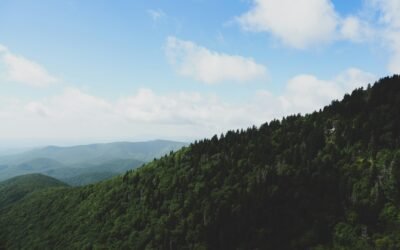
- Important: Conditions differ considerably between the Po Valley, Adriatic coast and Apennines, so there is no single temperature range that accurately represents the whole region.
Why the Shoulder Seasons Usually Win
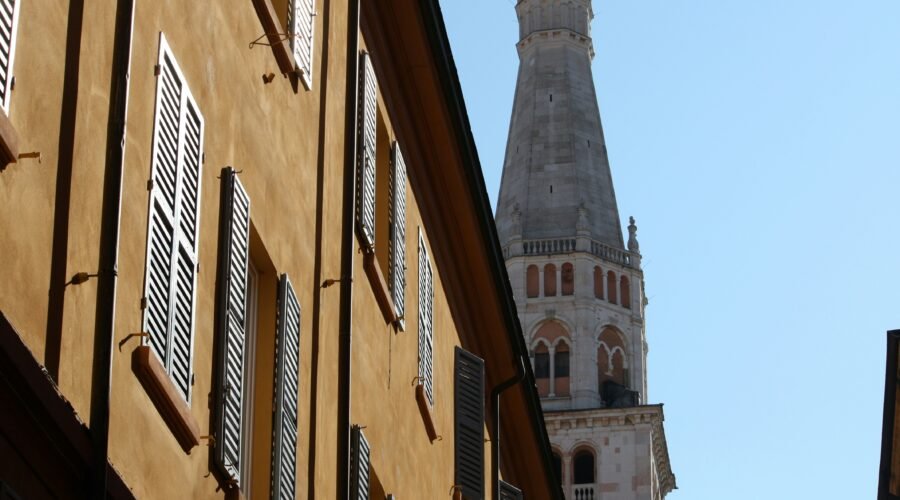
April, May, September and October are particularly useful months for travelers who want to combine Bologna, Parma, Modena, Ferrara, Ravenna and smaller towns without dealing with the most intense summer heat or the busiest coastal holiday period.
Spring brings longer days, greenery and good conditions for walking and cycling. Emilia-Romagna’s official tourism site specifically promotes spring for exploring its cities, parks, countryside and cycle routes outside the biggest summer visitor flows. Emilia-Romagna Tourism’s spring guidance also highlights cities such as Bologna, Ravenna, Ferrara and Parma for this period.
Early autumn offers a different advantage: summer heat normally starts to ease while the region moves into one of its most interesting food seasons. Vineyards, truffles, mushrooms, chestnuts, local festivals and autumn landscapes all become part of the experience.
Note: Emilia-Romagna is not climatically uniform. The inland Po Valley can be hot, humid and foggy depending on the season; the Adriatic coast is moderated by the sea; and the Apennines are cooler and receive winter snow at higher elevations. For location-specific averages, use ARPAE’s official climatological tables.
Best Time to Visit Emilia-Romagna at a Glance
| Period | Typical Conditions | Crowds | Typical Value | Best For |
| March-May | Cool to comfortably warm; changeable spring weather | Low to moderate, with holiday spikes | Good | Cities, walking, cycling, countryside |
| June-August | Warm to very hot inland; classic beach season | High on the coast and around major attractions | Usually lowest value on the coast | Rimini, Riccione, Cesenatico, events, mountains |
| September-October | Warm to mild; increasingly autumnal | Moderate | Very good | Food, wine, cities, photography, countryside |
| November-February | Cool, damp or foggy in lowlands; snow possible in mountains | Generally low outside holidays and events | Often good | Museums, food trips, quieter cities, skiing |
Weather in Emilia-Romagna by Season
Spring: March to May
Spring is one of Emilia-Romagna’s most versatile seasons. Expect improving temperatures but also periods of rain and fast-changing conditions, particularly in March and April.
March: The Awakening
March is transitional. Some days can feel distinctly springlike, while others remain chilly or wet. Tourist numbers are generally modest, making it useful for travelers who prioritize quiet museums, historic centers and lower accommodation demand over reliably warm weather.
April: Excellent for Exploring
April usually brings milder days, greener landscapes and longer daylight. It is well suited to city sightseeing, food tours, cycling and countryside trips. However, demand can increase around Easter and Italy’s April 25 Liberation Day holiday, so individual weekends may be busier than the broader “shoulder season” label suggests.
May: Warm, Green and Popular
May is one of the strongest all-round months. Days are generally warmer and outdoor dining becomes easier, while the countryside remains lush. Visitor numbers increase, particularly around festivals and weekends, but conditions are usually more comfortable for city sightseeing than during peak summer heat.
Summer: June to August
Summer can be hot and humid in inland Emilia-Romagna, especially across the Po Valley. The Adriatic Riviera is in full beach-season mode, while the Apennines provide a cooler alternative for hiking and mountain escapes.
June: Summer Begins
June brings long days, warm evenings and a growing programme of outdoor events. It can work very well for travelers who want summer atmosphere without committing to the busiest part of the July-August coastal season. Inland heat can still become intense during hot spells, so midday sightseeing is not always comfortable.
July: Peak Heat and Beach Demand
July is a major summer month, particularly along the Riviera Romagnola. Inland cities can experience very hot afternoons and warm nights, so early-morning sightseeing, shaded porticoes, museums and later dinners make more sense than a packed midday itinerary.
ARPAE reported a regional mean daily maximum temperature of 32.02°C in July 2026, making it the third-highest July value in its series since 1961.
This does not mean every July will match 2026, but it shows why travelers should treat heat waves as a genuine planning factor rather than relying only on historical averages. See ARPAE’s July 2026 climate report.
Warning: During summer heat waves, plan strenuous walking or cycling for the cooler parts of the day, carry water, use sun protection and build indoor or shaded stops into your itinerary.
August: Ferragosto and Different City/Coast Patterns
August remains hot, and the Adriatic coast is busy with Italian and international holidaymakers. August 15 is Ferragosto, one of Italy’s major summer holidays. Around this period, beach destinations can be extremely lively while some independently run shops and restaurants in inland cities may close for annual holidays.
This makes August more complicated than simply calling it “peak everywhere.” Coastal demand can be very high, while individual city neighborhoods may feel quieter because residents are away.
Autumn: September to November
Autumn combines milder sightseeing conditions with some of Emilia-Romagna’s most distinctive food experiences.
September: Warm Days and Harvest Season
September often retains summer warmth without the same midsummer intensity. The grape harvest and other agricultural activity make it particularly attractive for travelers interested in wine, rural landscapes and food-focused itineraries. Beach areas also become calmer as the main holiday season winds down.
October: Food, Wine and Autumn Landscapes
October is a strong month for city trips, countryside drives and culinary travel. Hills and mountain areas develop autumn color, while mushrooms, chestnuts and truffles feature prominently in regional food events.
Official Emilia-Romagna Tourism itineraries highlight September through November for autumn landscapes and specialties including truffles, chestnuts and mushrooms. See its autumn food and Apennines guide.
November: Cooler and Quieter
November shifts toward colder, damper conditions and shorter days, particularly in the plains. It can still be rewarding for museums, food experiences, truffle events, covered markets and long meals in traditional trattorias. Accommodation demand is often lower than in summer, although major events can still push city prices higher.
Winter: December to February
Winter is generally cool and can be foggy in the Po Valley, while snow becomes a major attraction in suitable parts of the Apennines.
December: Festive Cities
December suits travelers interested in Christmas lights, seasonal markets, museums, galleries and Emilia-Romagna’s rich indoor food culture. Accommodation can be good value on quieter dates, but Christmas and New Year should be treated separately because demand and opening hours change.
January: Quiet Cities and Mountain Snow
January is one of the quietest periods for city tourism after the holiday season. Cold weather and short daylight hours make outdoor sightseeing less appealing for some visitors, but museums and food-focused itineraries can be enjoyable with far fewer tourists.
In the Apennines, winter sports can be a reason to travel rather than a drawback. Emilia-Romagna Tourism lists multiple ski areas across the region, including Mount Cimone, Corno alle Scale and Cerreto Laghi. Snow and lift operations are weather-dependent, so check resort conditions before traveling.
February: Late-Winter Travel
February remains a winter month, but daylight slowly increases and there can be early signs of spring at lower elevations toward the end of the month. It can be a budget-friendly period for city breaks, while the Apennines may still offer skiing and other snow activities when conditions allow.
If you’re comparing how weather, crowds and costs affect destinations in very different climates, you can also see this guide to the Best Time to Visit Rhode Island.
Crowds and Atmosphere
The number of visitors can shape your experience, including restaurant availability, museum entry, traffic and the feel of historic centers.
Peak Season: June to August
Summer is the busiest broad travel period, but crowd patterns vary by location. The Riviera is most strongly affected by beach tourism, while major art cities can also become busy during festivals, weekends and holiday periods.
- More visitors: Expect heavier pedestrian traffic at popular museums, central squares and coastal resorts.
- Advance booking helps: Reserve important museums, restaurants and popular experiences earlier than you would in winter.
- Lively evenings: Outdoor dining, concerts and festivals create a strong summer atmosphere.
- Busy coast: Rimini, Riccione, Cesenatico and other Riviera destinations attract large numbers of summer holidaymakers.
- Check attraction access: Do not assume every landmark is open just because it is peak season.
Current Bologna update: As of September 2026, Bologna Welcome lists the Asinelli Tower as closed to the public and the Garisenda Tower as inaccessible. Check Bologna Welcome’s Two Towers page before planning a visit around climbing the towers.
Shoulder Seasons: April-May and September-October
These months usually offer the best balance for travelers who dislike heavy crowds.
- Moderate visitor levels: Cities remain lively without the same concentration of summer beach traffic.
- Easier restaurant planning: Reservations are still smart, but availability is often better than during high-demand weekends.
- Comfortable sightseeing: Walking between historic centers, museums and food markets is usually easier than during midsummer heat.
- Important exceptions: Easter, April 25, May 1 and major festivals can create short spikes in demand.
Off-Peak Season: November to March
If quiet streets and uncrowded museums matter most to you, late autumn and winter can work very well, but the trade-offs are colder weather, shorter daylight hours and occasional reduced seasonal opening times.
- Lower visitor numbers: Many city attractions feel noticeably calmer.
- More spontaneous travel: Reservations may be easier outside holidays and major events.
- Seasonal closures: Some tourism-focused businesses, especially in resort areas, operate reduced schedules.
- Different mountain pattern: Ski areas can be busy on snowy winter weekends even while lowland cities are quiet.
Cost Considerations

Your travel budget can change significantly with location, exact dates and major events. Instead of assuming one price pattern applies everywhere, compare accommodation for your actual city and dates before booking.
Peak Summer: June to August
- Coastal accommodation can be expensive: Riviera demand is strongest during the summer beach season.
- Popular weekends sell earlier: Booking ahead gives you more accommodation choice.
- City patterns can differ: August does not always behave like July in inland cities because many residents take annual holidays.
Shoulder Seasons: April-May and September-October
- Good overall value: These periods often combine desirable weather with less intense demand than peak summer.
- More accommodation choice: You may have a wider selection of hotels and apartments than during major summer weekends.
- Event exceptions matter: Trade fairs, festivals and public holidays can sharply raise rates in a specific city even during shoulder season.
Off-Peak Season: November to March
- Often cheaper: City accommodation can be good value outside major events and holidays.
- Watch Christmas and New Year: Festive dates do not behave like ordinary winter weekdays.
- Ski destinations are different: Snowy weekends and school-holiday periods can increase demand in the Apennines.
Pro Tip: Compare the same hotel across several nearby dates before booking. In Emilia-Romagna, moving a trip by only a few days can avoid a trade fair, holiday weekend, festival or major sporting event that has temporarily pushed local room rates higher.
Specific Experiences and Activities by Season

Certain experiences are much better suited to particular parts of the year.
Spring Highlights: March-May
- City sightseeing: Walk Bologna’s porticoes, explore Ravenna’s mosaics and wander Parma or Ferrara without midsummer heat.
- Cycling: Mild conditions and green countryside make spring one of the better seasons for bike trips.
- Food festivals: Spring brings village events, markets and seasonal products.
- Gardens and parks: Blossoms and fresh greenery make outdoor attractions more appealing.
Summer Highlights: June-August
- Adriatic coast: Rimini, Riccione, Cesenatico and other Riviera towns are at their liveliest.
- Outdoor concerts and festivals: Long evenings support open-air cultural events.
- Late-night aperitivo: Evening dining becomes more comfortable after the daytime heat eases.
- Mountain escapes: The Apennines offer cooler conditions for hiking and nature trips.
Autumn Highlights: September-November
- Harvest season: Grapes, mushrooms, chestnuts and other seasonal ingredients shape autumn menus.
- Truffles: Truffle fairs and food events become an important reason to explore inland towns and Apennine areas.
- Wine tasting: Harvest season gives vineyard trips extra interest.
- Autumn colors: Hills, forests and mountain landscapes become increasingly scenic.
- Hearty cuisine: Cooler evenings suit Emilia-Romagna’s rich pasta, cured meats and traditional comfort food.
Winter Highlights: December-February
- Christmas markets and decorations: December adds a festive atmosphere to many historic centers.
- Museums and galleries: Winter is a good time to prioritize indoor culture.
- Skiing and snow sports: The Apennines include established winter-sport areas. See Emilia-Romagna Tourism’s official snow guide.
- Cozy trattorias: Cold weather suits long lunches and traditional dishes.
- Potential savings: Quieter city dates can deliver better accommodation value than peak summer.
If you’d like to compare this seasonal-planning approach with another destination guide, the same weather, crowd and cost factors are discussed in this ultimate guide to visiting Tampa.
Best Time by Type of Trip
Best for Bologna, Parma, Modena, Ravenna and Ferrara
April-May and September-October are the strongest general choices because walking conditions are usually more comfortable than midsummer and cultural attractions remain active.
Best for the Adriatic Riviera
June-August is the classic beach season. July and August provide the fullest resort atmosphere, while June can be a useful compromise if you want summer conditions with somewhat less peak-season pressure.
Best for Food and Wine
September-November is particularly rewarding because harvests, wine activity, truffles, mushrooms and chestnuts overlap with comfortable sightseeing conditions.
Best for Cycling and Hiking
April-May and September-October usually provide a better temperature balance than midsummer. Mountain routes require separate weather and trail-condition checks.
Best for Skiing
Winter is the obvious choice, but snow conditions vary. Check lift operations and snow reports immediately before committing to a ski-focused trip.
Best for the Lowest Crowds
November through February, outside festive dates and ski weekends, generally provides the quietest experience in the major art cities.
Major Holidays and Events to Consider
Season labels only tell part of the story. A major festival or national holiday can transform the crowds, hotel prices and opening hours in one city for several days.
- Easter: Dates change annually and can increase spring travel demand.
- April 25: Liberation Day is a national holiday.
- May 1: Labour Day creates another popular spring long-weekend period.
- Ferragosto, August 15: A major Italian summer holiday that strongly affects the coast and business opening patterns.
- Palio of Ferrara: In 2026, official events ran from May 9 to May 30, culminating in the Palio races. See the official Emilia-Romagna Tourism event page.
- Bologna Jazz Festival: The 2026 edition runs from October 13 to November 8. See the official Bologna Jazz Festival announcement.
Annual festival dates can move, so verify the current calendar before booking non-refundable accommodation.
Final Recommendation
For most travelers seeking a balanced Emilia-Romagna trip, May and September-October are the strongest overall choices. They offer a useful combination of comfortable sightseeing weather, active cities, countryside experiences and less intense summer demand.
April is also excellent if you do not mind more variable spring weather. June works well if you want long summer days but are prepared for increasing heat. July and August are best when the Riviera and beach atmosphere are central to your trip rather than something you want to avoid.
If budget and low crowds matter more than warm weather, consider late autumn or winter outside Christmas, New Year, ski weekends and major events. You will trade long sunny days for quieter museums, easier restaurant reservations and a more local city atmosphere.
Ultimately, Emilia-Romagna’s variety is its advantage: you can choose spring cities and cycle routes, summer beaches, autumn food and wine, or winter museums and mountain snow. Matching the season to the experience you actually want is more useful than looking for a single “perfect” month.
Frequently Asked Questions
What is the best time to visit Emilia-Romagna for good weather?
For most sightseeing trips, April-May and September-October offer the best balance. Weather is generally more comfortable for walking than in midsummer, although rain and short hot or cool spells are always possible.
When is peak tourist season in Emilia-Romagna?
July and August are the strongest peak months for the Adriatic Riviera and summer holiday travel. Major cities can also become busy around festivals, weekends and major events, although August crowd patterns differ between the coast and inland business-oriented cities.
What is the quietest time to visit Emilia-Romagna?
November through February is generally quietest in the major art cities, particularly outside Christmas, New Year and major events. Ski resorts in the Apennines can follow the opposite pattern on good snow weekends.
When is Emilia-Romagna cheapest to visit?
Late autumn and winter often provide good hotel value in the major cities, but there is no universal cheapest month. Christmas, New Year, ski weekends, trade fairs and major festivals can temporarily raise prices, so compare rates for your exact destination and dates.
What is the best time to visit Emilia-Romagna for food and wine?
September through November is particularly strong for food-focused travel because grape harvests, truffles, mushrooms, chestnuts and autumn festivals overlap. Spring is also rewarding for markets, fresh produce and food events.
Is August a good month to visit Bologna?
August can work, but expect heat and check businesses individually because some independent restaurants and shops close for annual holidays around Ferragosto. Also check current attraction access: as of September 2026, the Asinelli Tower is closed and Garisenda is inaccessible.
Which major Emilia-Romagna events should travelers consider?
Dates change annually. Verified 2026 examples include the Palio of Ferrara from May 9-30 and the Bologna Jazz Festival from October 13-November 8. Always check official event calendars before booking because dates, programmes and venues can change.
Sources
- ARPAE Emilia-Romagna Climatological Tables — official location-specific temperature and precipitation climatology.
- ARPAE: July 2026 climate report — recent regional heat and temperature data.
- Emilia-Romagna Tourism: Spring Bank Holidays — official spring travel, walking, cycling and city guidance.
- Emilia-Romagna Tourism: Snow and Skiing — official overview of winter sports in the Apennines.
- Bologna Welcome: The Two Towers — current access information for Asinelli and Garisenda.
- Emilia-Romagna Tourism: Palio of Ferrara — verified 2026 Palio programme and dates.