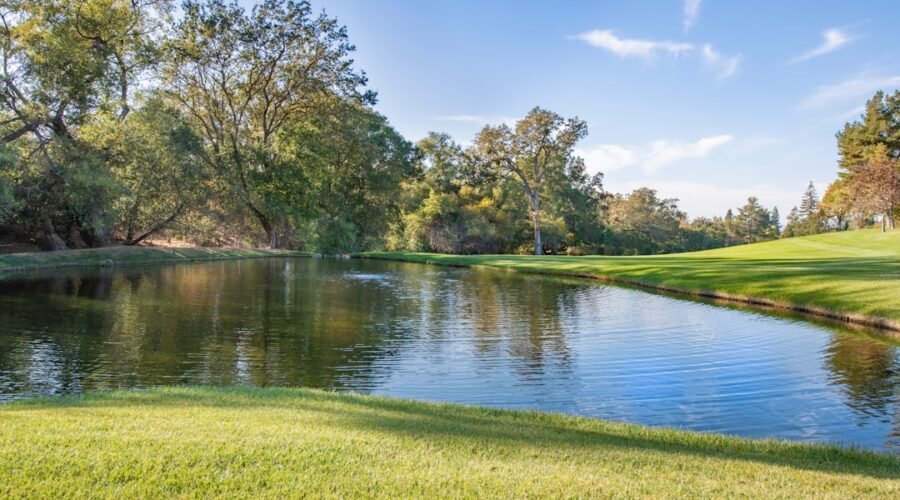
Planning a trip to Campbell Town in Tasmania? The best time depends on whether you care most about mild weather, quiet streets, long daylight hours, or keeping accommodation costs under control. For many travellers, autumn and spring offer the easiest balance, while summer is warmer and busier and winter is colder, quieter, and often easier on the budget.
Quick Answer
For the best overall balance, visit Campbell Town in March-April or October-November. These months usually avoid the busiest summer-holiday period while still offering comfortable conditions for heritage walks and scenic drives. Choose January-February for the warmest weather, or June-August if low demand and quiet streets matter more than warmth.
Key Takeaways
- Best overall: March-April and October-November offer a useful balance of weather and lower demand.
- Warmest: January and February have historical mean maximum temperatures of about 24-25°C.
- Quietest: Winter is generally the lowest-demand season, although frost and short daylight hours are important considerations.
- Plan ahead: Christmas/New Year, Tasmanian school holidays, major events, and limited local accommodation can increase booking pressure even outside midsummer.
Campbell Town sits in Tasmania’s Northern Midlands on the Heritage Highway between Hobart and Launceston. Discover Tasmania places it about 68 km south of Launceston and 133 km north of Hobart, making it a natural stop on a north-south road trip. The town is known for colonial architecture, the convict-built Red Bridge, the Elizabeth River, and its long connection with Tasmania’s pastoral history.
Campbell Town Weather by Season
Campbell Town has four distinct seasons, with relatively warm summers, cool autumns and springs, and cold winter nights. The most useful long-term Bureau of Meteorology station for Campbell Town is historical: station 093036 closed in 1988. Its averages are still useful for understanding the local climate, but they should not replace a current forecast.
Note: The Campbell Town Bureau of Meteorology climate station used for the averages below closed in 1988. Treat the figures as long-term historical guidance and check the Bureau of Meteorology for the current forecast before travelling.
Historical BOM data show mean summer maximums of about 22.2-24.6°C, while winter mean maximums are about 11.1-12.6°C. Winter nights are much colder, with historical mean minimums close to 0°C in June and July.
Summer (December-February): Warm Days and Long Daylight
Summer is Campbell Town’s warmest season, but the climate is milder than the original article suggested. Historical Bureau of Meteorology data show mean maximum temperatures of about 22.2°C in December, 24.4°C in January, and 24.6°C in February. Mean minimums are only about 7.6-8.8°C, so mornings and evenings can still feel cool.
Sunshine and Rainfall in Summer
Summer generally provides the most comfortable conditions for long days outdoors, although rain remains possible. Historical mean rainfall ranges from about 24 mm in February to about 60 mm in December. Tasmania’s weather can change quickly, so a warm day does not guarantee a warm evening.
Activities Suited for Summer
Summer works well for walking through Campbell Town, picnicking near the Elizabeth River, exploring heritage buildings, cycling suitable local roads, and using Campbell Town as part of a longer Midlands road trip. Longer daylight also makes it easier to combine the town with nearby destinations.
Summer is also the season when advance planning matters most. Christmas, New Year and the government-school summer break can increase travel demand across Tasmania. For the 2026-27 school year, Tasmania’s government-school Term 4 ends on December 18, 2026, and Term 1 begins on February 4, 2027. Check current dates on the Department for Education, Children and Young People website when planning a future trip.
Autumn (March-May): Crisp Air and Changing Colours
Autumn is one of the strongest choices if you want comfortable sightseeing conditions without relying on peak-summer weather. March can still feel mild, while April and May become progressively cooler.
The Golden Hues of Autumn
Deciduous trees around heritage properties and parts of the Midlands can develop autumn colour, making this a photogenic season for heritage walks and countryside drives. The effect varies by location and year, so it is better treated as a seasonal bonus than a guaranteed spectacle.
Average Temperatures and Rainfall
Historical mean maximum temperatures fall from about 22.0°C in March to 18.0°C in April and 14.9°C in May. Mean minimums fall from 7.8°C to 3.5°C over the same period. A waterproof outer layer and something warm for mornings and evenings become increasingly useful later in autumn.
Winter (June-August): Cold Nights, Frost and Quiet Streets
Winter is distinctly cold by Tasmanian lowland standards. Historical mean maximum temperatures are about 11.4°C in June, 11.1°C in July, and 12.6°C in August. Mean minimums are about 0.4°C, 0.1°C and 1.3°C respectively.
Embracing the Winter Charm
Winter suits travellers who value a slower atmosphere, heritage attractions and quieter roads more than warm weather. It can be a pleasant time for museums, cafes, historic buildings and short walks when conditions cooperate.
Frosty Mornings and Shorter Days
Frost is a genuine winter consideration. The historical Campbell Town record shows many nights at or below freezing, so drivers should be cautious on cold mornings and anyone heading toward higher ground should check conditions before leaving town.
Winter does not simply mean “constant rain.” Historical Campbell Town rainfall figures vary through the year and do not show a simple winter maximum. Cold temperatures, frost, shorter daylight and rapidly changing weather are more useful planning considerations than assuming every winter day will be wet.
Spring (September-November): Mild Weather with Fast Changes
Spring brings gradually warmer afternoons but remains highly variable. It is a good season for travellers who prefer moderate temperatures and are comfortable carrying layers.
Gardens, Countryside and Wildlife
Gardens, farmland and roadside vegetation become greener as the season progresses. Wildlife activity also changes with the season, although sightings vary and should not be treated as guaranteed.
Pleasant Temperatures and Variable Conditions
Historical mean maximum temperatures rise from about 14.8°C in September to 17.1°C in October and 20.0°C in November. Mean minimums remain much cooler at about 3.1-6.1°C, so a sunny afternoon can still be followed by a cold evening.
If spring is your preferred season, check the school-holiday calendar as well as the weather forecast. In 2026, Tasmania’s Term 3 holiday ran from October 3-18, which could increase travel demand compared with surrounding weeks.
Navigating Campbell Town’s Crowds: When to Find Peace and Quiet
There is no reliable public monthly visitor-count series for Campbell Town itself, so crowd levels should be treated as planning patterns rather than precise measurements. School holidays, Christmas/New Year, special events, weekends and broader Tasmania travel demand can all affect how busy the town feels.
Peak Season: Summer Holidays and School Breaks
Late December and January are the most sensible periods to treat as peak travel season. Tasmania receives substantial summer road-trip traffic, and Campbell Town’s position on the main Hobart-Launceston route means it can become noticeably busier even when travellers are only stopping for food, fuel or sightseeing.
Summer Surge
During Christmas, New Year and the summer school break, book accommodation and rental vehicles early if your itinerary depends on exact dates. Campbell Town is small, so limited room inventory can matter as much as statewide demand.
Post-Summer and Early Autumn Lull
After the main summer holiday period, travel pressure generally eases. Late February through March can therefore be attractive if you want relatively warm weather with less holiday-driven demand.
Shoulder Seasons: The Sweet Spot for Crowd-Conscious Travellers
Spring and autumn remain the best compromise for many visitors, but school-holiday weeks and event dates can create temporary spikes.
Spring Awakening
September and November are useful months to consider if you want milder weather without midsummer demand. October can also work well, but check Tasmanian school-holiday dates before booking.
Autumn’s Tranquil Appeal
March and April combine cooler conditions with generally less holiday pressure than late December and January. May becomes colder but can still suit heritage-focused trips.
Off-Season: Winter’s Solitude
June through August is generally the lowest-demand period for leisure travel through Campbell Town. That can mean easier parking, quieter streets and more flexibility, although exact conditions depend on weekends and events.
Embrace the Serenity
Winter is especially suitable if your main interests are Campbell Town’s history, architecture, cafes and short local walks rather than long outdoor days.
Considerations for Off-Season Travel
Some tourism businesses can operate shorter seasonal hours, while frost and bad weather may affect excursions into higher country. Check opening hours and road conditions shortly before travelling rather than assuming every attraction follows the same schedule year-round.
Budgeting Your Campbell Town Adventure: When to Save and When to Splurge
Your travel dates can affect accommodation and transport costs, but there is no authoritative public Campbell Town index that proves a fixed percentage difference between seasons. Treat seasonal cost advice as a demand guide and compare live prices for your exact dates.
Peak Season Prices: Summer and Holiday Periods
Accommodation and rental-car demand is generally strongest around Christmas, New Year and the summer school break. Limited local inventory can make specific nights expensive even when Campbell Town is not experiencing large crowds.
Summer Premium
Hotels, motels and holiday rentals can cost more when more travellers are competing for the same rooms. The amount varies by property, booking lead time, weekend, cancellation policy and statewide demand.
Booking Ahead for Peak Season
If you must travel during late December or January, compare rates early and choose refundable bookings when practical. Rental vehicles can also become expensive or scarce during major Tasmania travel periods.
Shoulder Season Savings: Spring and Autumn Value
Outside school holidays and special events, spring and autumn can provide a useful mix of accommodation availability and comfortable sightseeing weather.
Spring Deals
September, October and November may offer better availability than the Christmas/New Year period, although October school holidays and warmer November weekends can increase demand.
Autumn’s Affordability
March through May can be attractive for budget-conscious travellers, particularly after the late-summer rush. Compare Campbell Town with nearby Ross or other Midlands stops if your preferred property is unavailable.
Off-Season Bargains: Winter’s Financial Advantage
Winter often brings lower leisure demand, making it worth checking for cheaper accommodation. However, “winter is always cheapest” would be too absolute: individual properties, events and weekends can still produce higher rates.
Winter Warmers for Your Wallet
If your schedule is flexible, compare several nights and weekdays rather than checking only Friday and Saturday. A small change in date can matter more than the season itself.
Balancing Cost with Experience
A cheaper room is not automatically better value if cold weather prevents the activities you travelled for. Balance accommodation savings against daylight, road conditions and the places you want to visit.
Weather Considerations: Packing for Campbell Town’s Climate
Campbell Town’s climate rewards flexible packing. Even in summer, cool mornings and evenings are normal, while winter travellers should prepare for frost and temperatures near freezing overnight.
Layers Are Useful in Every Season
Layering makes it easier to adapt as temperatures change through the day. This is especially useful if Campbell Town is only one stop on a Tasmania road trip and you will also be visiting the coast or higher country.
Base Layers for Warmth
Thermal tops and bottoms are most useful in winter and for cold-weather trips into the highlands. They can also be helpful on unusually cold autumn or spring mornings.
Mid-Layers for Insulation
A fleece, wool jumper or lightweight insulated jacket provides warmth without taking up as much space as a heavy coat.
Outer Layers for Protection
Carry a wind-resistant, waterproof outer layer whenever your plans involve extended time outside. Tasmania Parks and Wildlife Service advises visitors to prepare for rapidly changing conditions and notes that rain, wind, hail, snow and sunshine can occur unexpectedly, particularly in mountain areas.
Warning: If you plan to leave Campbell Town for remote or high-country walks, check weather and track conditions first. Parks Tasmania recommends appropriate clothing, navigation preparation, adequate water and letting someone know your plans. See the official safety guidance.
Footwear for Comfort and Practicality
Choose footwear based on what you will actually do rather than the season alone. Campbell Town’s main heritage areas do not require technical hiking footwear, while surrounding bush and highland trips may.
Sturdy Walking Shoes
Comfortable sneakers or walking shoes are normally enough for town sightseeing and short, established walks.
Hiking Boots for Trails
If you are heading onto rougher trails outside town, use footwear with suitable grip and support. Break new boots in before a long walk to reduce the risk of blisters.
Sun Protection, Even on Cool Days
Cool air can make strong sunlight easy to underestimate. Carry sun protection whenever you expect to spend substantial time outdoors.
Sunscreen and Hat
Pack broad-spectrum sunscreen and a sun-protective hat, particularly for long walks, picnics, cycling or exposed sightseeing.
Sunglasses
Sunglasses are useful for glare and general eye protection during long outdoor days and driving.
Specific Seasonal Packing Tips
Summer: Light Layers Plus a Jumper
Bring breathable daytime clothing, sun protection, a light waterproof layer and a jumper or fleece for cooler mornings and evenings. Do not pack as though every summer night will stay warm.
Autumn: Warm and Weather-Ready
Long trousers, a warm mid-layer and waterproof outer layer are sensible. Gloves or a beanie can become useful toward May, particularly early in the morning.
Winter: Prepare for Frost
Pack warm base layers, insulated clothing, a waterproof outer layer, a beanie and gloves. Drivers should allow time for frost to clear and check conditions before heading toward higher elevations.
Spring: Adaptable and Prepared
Combine lighter daytime layers with something warm enough for cold mornings. A waterproof jacket is useful because spring conditions can change quickly.
If Campbell Town is part of a longer Tasmania itinerary, pack for the most exposed or elevated destination on your route rather than for Campbell Town alone. Conditions can differ substantially between the Midlands, east coast and central highlands on the same day.
Activities and Attractions: What to Do When
The table below combines historical Campbell Town Bureau of Meteorology averages with practical travel-demand guidance. Weather figures come from the former Campbell Town station and should be used as climate context, not a forecast. “Booking pressure” is a planning estimate based on holidays, events and normal seasonal demand rather than an official visitor-count or price series.
| Month | Mean Max | Mean Min | Mean Rainfall | Booking Pressure |
|---|---|---|---|---|
| January | 24.4°C | 8.7°C | 38.3 mm | Higher — summer holidays |
| February | 24.6°C | 8.8°C | 24.0 mm | Moderate after school resumes |
| March | 22.0°C | 7.8°C | 50.0 mm | Moderate |
| April | 18.0°C | 5.0°C | 49.0 mm | Usually moderate; holidays can raise demand |
| May | 14.9°C | 3.5°C | 52.7 mm | Generally lower; event weekends can rise |
| June | 11.4°C | 0.4°C | 37.9 mm | Lower |
| July | 11.1°C | 0.1°C | 45.8 mm | Lower overall; school-holiday bump possible |
| August | 12.6°C | 1.3°C | 52.2 mm | Lower |
| September | 14.8°C | 3.1°C | 45.3 mm | Low to moderate |
| October | 17.1°C | 4.1°C | 49.8 mm | Moderate; school holidays can raise demand |
| November | 20.0°C | 6.1°C | 53.7 mm | Moderate and rising |
| December | 22.2°C | 7.6°C | 59.8 mm | Higher after school finishes |
Campbell Town itself is a compact heritage stop and a gateway to the wider Midlands. The best season therefore depends partly on whether you plan to stay in town, continue between Hobart and Launceston, or make side trips into more exposed countryside.
Exploring Campbell Town’s Heritage
Campbell Town has a strong convict and colonial history, and several of its main heritage sights are close to High Street and the Elizabeth River.
The Red Bridge
The Red Bridge is Campbell Town’s best-known landmark. According to Discover Tasmania, convict-engineer James Blackburn designed the bridge, which was built from about 1.5 million red-clay bricks made on site. Completed in 1838, it is described as Australia’s oldest surviving brick arch bridge.
Convict Architecture and the Convict Brick Trail
Walk along High Street to see historic buildings and the Convict Brick Trail, which records stories connected with people transported to Australia during the convict era.
2026 Access Note: Northern Midlands Council announced in May 2026 that the Convict Brick Trail was being reinstated as part of Campbell Town streetscape works, with construction continuing over the following months. Check the Council project update before relying on the full trail being continuously accessible.
Campbell Town Museum and Visitor Information Centre
For local history, visit the Campbell Town Museum and Visitor Information Centre at 75 High Street. Displays cover Campbell Town and the wider Midlands, and the centre can also provide useful local information. Opening arrangements can vary, so confirm them before making a special trip.
The Tasmanian Wool Centre in Nearby Ross
The Tasmanian Wool Centre is relevant to the region’s wool history, but it is not in Campbell Town. It is at 48 Church Street in nearby Ross. If wool heritage interests you, it can be combined with Campbell Town as part of a Midlands drive rather than treated as an in-town attraction.
The Book Cellar
The Book Cellar at 132 High Street occupies cellars associated with the historic Foxhunters Return near Red Bridge. It is a particularly atmospheric stop for travellers interested in Tasmanian books and heritage.
Pro Tip: Red Bridge, the Book Cellar, the Convict Brick Trail and central heritage buildings are close enough to combine into one Campbell Town stop instead of treating each as a separate drive.
Day Trips and Scenic Drives
Campbell Town’s central position makes it useful as part of a wider Midlands itinerary, but travel times increase quickly once you leave the main highway.
The East Coast Drive
You can turn east from the Midlands toward Tasmania’s east coast, but destinations on the coast require additional driving. If the east coast is your main priority, treat Campbell Town as a stop or inland connection rather than assuming every coastal attraction is a short local excursion.
The Highlands and National Parks
Routes toward Tasmania’s central highlands can lead to fishing, walking and dramatic scenery. Late spring through early autumn generally offers longer daylight and milder temperatures, but alpine weather can change at any time of year. Winter may bring snow or ice to higher elevations.
Historic Estates and Vineyards
The wider Midlands contains heritage properties, farms and wine-related stops. Availability, opening hours and tour schedules vary, so check individual venues before planning a route around them.
Seasonal Events and Festivals
Events can be more important to crowd levels than the season itself, especially in a small town. Check Northern Midlands Council and local organisers close to your travel date.
Campbell Town Show
The Campbell Town Show is one of the town’s major rural events. In 2026 it was held on May 29-30 and included sheep and agricultural displays, entertainment, animal events, wood chopping and other country-show activities. Those dates have now passed, so use the Northern Midlands Council event listing as confirmation of the 2026 event and check for newly announced dates before a future visit.
Markets and Community Events
Local markets and community gatherings may take place at different times of year. Because schedules can change, verify current listings instead of choosing a travel month on the assumption that a particular market will be operating.
Autumn and Winter Events
Regional agricultural, food and community events can also affect weekend demand outside summer. A quieter season does not guarantee that every individual weekend will be quiet.
Planning Your Visit: Putting It All Together
The best time to visit Campbell Town comes down to what you want from the trip. Weather, daylight, school holidays, accommodation availability and any side trips into the highlands can matter more than choosing a season by name alone.
The Ideal Balance: Spring and Autumn
For many travellers, March-April and October-November provide the most practical overall balance. Daytime temperatures are generally milder than winter, while demand is often easier than during the main Christmas and January holiday period.
Spring’s Gentle Start
Choose spring if you prefer lengthening daylight, green countryside and gradually warming temperatures. Carry layers because mornings can remain cold and conditions can shift quickly.
Autumn’s Golden Charm
Choose autumn if you prefer cooler walking weather and a quieter post-summer atmosphere. March is the warmest autumn option, while April generally provides crisper conditions.
For the Sun Seekers: Summer Adventures
If warm afternoons and long daylight are your priority, December-February is the strongest choice. January and February have the highest historical mean maximum temperatures, around 24-25°C. Remember that nights are considerably cooler than the daytime figures suggest.
For the Solitude Seekers: Winter’s Peace
If you prefer quiet streets and do not mind cold mornings, June-August can work well. Pack for temperatures near freezing overnight, allow for shorter daylight hours, and check road and weather conditions before heading to higher country.
The Ultimate Tip: Check Local Conditions Before You Go
Before leaving, check the current Bureau of Meteorology forecast, school-holiday calendar, attraction opening hours, road conditions and Northern Midlands Council updates. This is particularly important during the 2026 Campbell Town streetscape and Convict Brick Trail works.
By balancing weather, holiday demand, current events and your planned activities, you can choose a Campbell Town travel window that fits your priorities rather than relying on a single “perfect” month.
Frequently Asked Questions
What is the best time to visit Campbell Town, Tasmania?
March-April and October-November are strong all-round choices because they combine relatively mild sightseeing weather with generally less summer-holiday pressure. January-February is better if your priority is warmth.
When does Campbell Town have the warmest weather?
January and February are historically the warmest months. The former Campbell Town Bureau of Meteorology station recorded mean maximum temperatures of about 24.4°C in January and 24.6°C in February, with much cooler mean minimums below 9°C.
When is Campbell Town busiest?
Late December and January are the safest periods to treat as peak travel season because of Christmas, New Year and Tasmania’s summer school holidays. Individual event weekends can also increase demand at other times of year.
What is the cheapest time to visit Campbell Town?
Winter often has lower leisure demand, but there is no official local price index proving that every winter date is cheapest. Compare live accommodation and rental-car rates for your exact dates, including nearby Midlands towns if necessary.
Does Campbell Town get frost in winter?
Yes. Historical BOM figures show winter mean minimum temperatures close to 0°C, and sub-zero mornings occurred regularly in the old Campbell Town station record. Allow extra time on cold mornings and check conditions before driving toward higher elevations.
Can you see Campbell Town’s main attractions in one day?
Yes. Campbell Town is compact enough to combine Red Bridge, High Street heritage buildings, the Book Cellar, the Convict Brick Trail and the Campbell Town Museum during a short stop, subject to current opening hours and streetscape works.
Is the Convict Brick Trail open during the 2026 streetscape works?
Northern Midlands Council announced in May 2026 that the trail was being reinstated during Campbell Town streetscape construction, with works continuing over following months. Check the latest Council project information shortly before visiting because access can change as construction progresses.
Sources
- Bureau of Meteorology — Campbell Town climate statistics — historical monthly maximum and minimum temperatures, rainfall and frost-related data.
- Discover Tasmania — Campbell Town — Red Bridge history, Campbell Town location and official destination information.
- Tasmania Department for Education, Children and Young People — School terms and holidays — 2026 and 2027 government-school dates.
- Northern Midlands Council — Convict Brick Trail streetscape update — current 2026 reinstatement and construction information.
- Northern Midlands Council — Campbell Town Show 2026 — verified 2026 event dates and activities.
- Parks & Wildlife Service Tasmania — Safety in parks — changeable weather, walking preparation and outdoor-safety guidance.