

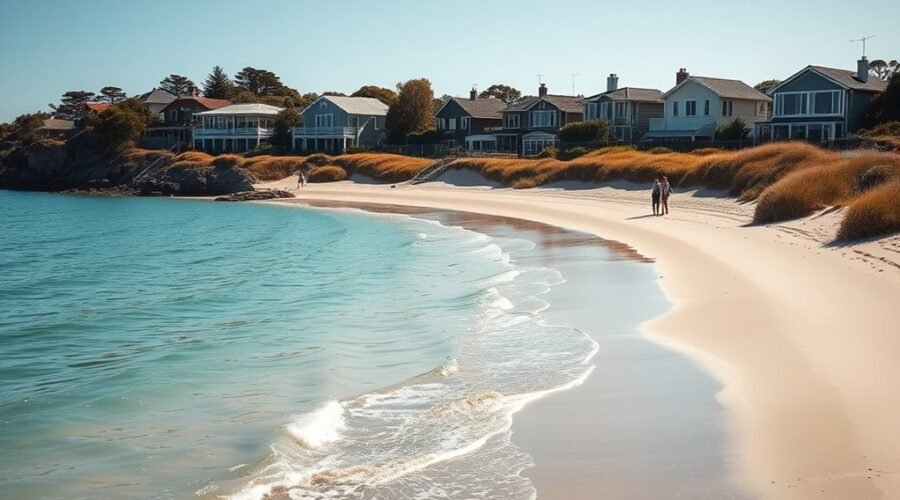
You’ll find Portsea best when you balance weather, crowds and cost rather than chase peak summer. Mild, breezy days in late spring or early autumn make walks and short swims pleasant, while beaches and cafés are quieter and prices ease off. If you want warmer water or lively summer energy, that’s an option too—but there’s a sweet spot worth timing your trip for, depending on whether calm or convenience matters more.
Compare our seasonal guides to Victoria, Australia and Torquay, Victoria when choosing other stops in Victoria.
Key Takeaways
- Late summer to early autumn (Feb–Apr) offers the warmest water, clear skies, and best swimming conditions.
- Autumn weekdays (Mar–May) balance pleasant weather with fewer crowds and lower accommodation rates.
- Summer (Dec–Feb) has peak crowds, higher prices, and lively markets but full lifeguard services and activities.
- Shoulder months (May, Sep) provide cheaper stays, quieter beaches, and flexible weekday perks.
- Winter (Jun–Aug) is budget‑friendly with dramatic storm‑watching, cooler temps, and isolated coastal experiences.
Best Time to Visit Portsea : Quick Answer
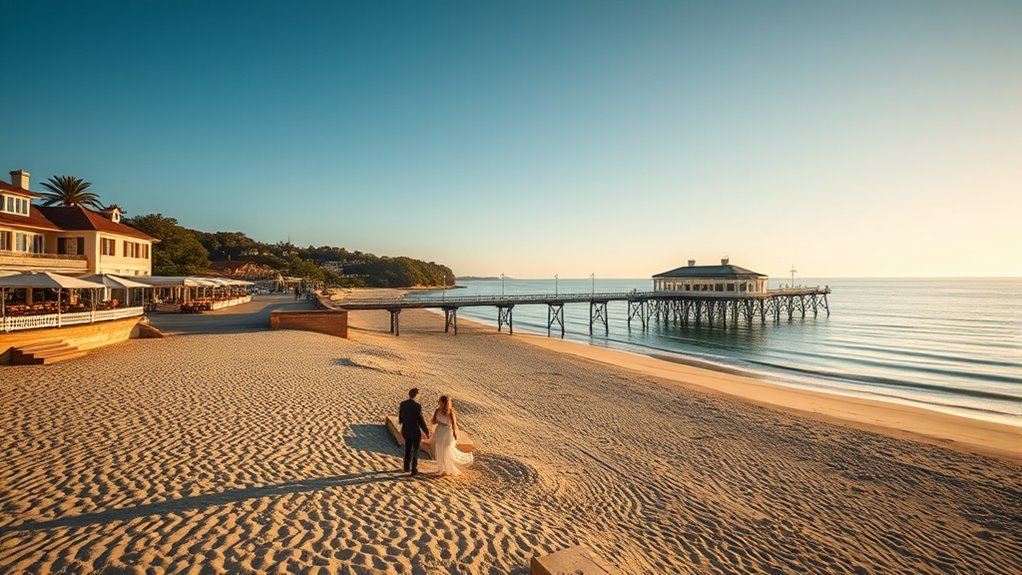
If you want mild weather, fewer crowds, and clear skies for beach walks or scenic drives, plan your trip to Portsea between late spring and early autumn—roughly October to April.
You’ll find days that invite barefoot freedom along the shore, afternoons spent chasing light across cliff-top vistas, and evenings drifting between intimate art galleries and sea-salted air.
Visit during shoulder periods and you’ll catch local festivals and cultural festivals that brim with community energy without the crush, letting you move through stalls, performances, and conversations on your own terms.
Taste the region’s local cuisine at relaxed taverns and pop-ups, where producers showcase oysters, crisp whites, and rustic fare that feel earned after a day outside.
Travel then, and you’ll enjoy clearer skies for photography, quieter paths for reflection, and better value on stays.
It’s the season that lets you reclaim time—slow down, feast, explore, and leave on your own liberated rhythm.
Portsea Climate by Season: Temps & Rainfall
Because Portsea sits on the Mornington Peninsula’s exposed tip, its seasons feel immediate and clean: summers bring warm, often breezy days averaging around 20–25°C with long sunny stretches, while winters are cool and damp with daytime highs near 10–13°C and frequent southwesterly winds.
Spring and autumn are restless change months — you’ll get sudden sunny windows, cool mornings, and brisk sea airs that clear your head.
Rainfall peaks in winter; showers can be persistent but brief, washing salt and sand from clifftops and revealing raw coastline.
Light storms and storm surge events can accelerate coastal erosion along fragile dunes, so tread lightly and respect signs where land slips.
Water temperatures stay chilly year-round, making ocean swims invigorating rather than languid.
You’ll notice abundant marine biodiversity in rock pools and kelp beds at low tide; it rewards slow exploration and quiet observation.
Seasonal shifts are sharp but honest, inviting you to choose days that match your urge for solitude or spirited coastal freedom.
Portsea in Summer: Beach Weather, Crowds & Costs
When summer rolls in, Portsea fills with sun-warmed beaches, brisk sea breezes and a lively crowd that turns the village into a weekend hub.
You’ll wake to golden light, slip into salt and sand, and feel freedom in wide horizons.
Surf safety matters here: lifeguards patrol main beaches, flags mark safer zones, and rips can pull unwary swimmers fast — respect signs and ask locals if unsure.
You’ll find days of swimming, kayaking and cliffside walks, then evenings where a Night market or pop-up stalls hum with music and local food.
Costs climb: expect premium accommodation and busy cafes, but you can still snag picnic spots and free coastal trails.
- Time your swim between flagged hours for Surf safety.
- Book stays early to avoid peak premiums.
- Pack a picnic to reclaim budget freedom.
- Explore the Night market for local eats and art.
Autumn in Portsea: Mild Weather and Quieter Beaches
As the crowds thin and the heat softens, Portsea in autumn offers mild days, cool evenings and beaches that feel almost private; you’ll stroll wind-swept sands, watch low-angle light gild rock platforms, and find cafe tables easier to claim.
You’ll move at your own pace, shed the summer rush, and follow paths where seaastal art installations punctuate headlands — provocative sculptures that invite touch and thought against the ocean backdrop.
Mornings bring glassy surf and a crisp salt tang; afternoons warm just enough for barefoot walks.
Evenings cool and you’ll gravitate to small eateries serving produce from hinterland farms, often celebrated at local harvest festivals that pulse with community and fresh food.
You’ll feel freer here: room to breathe, to read on a dune, to swim solo at a quiet cove.
Accommodation rates dip, parking’s simpler, and the village hums gently rather than clamors.
Autumn gives you Portsea with space to move and moments to claim as your own.
Winter in Portsea: Storm-Watching and Bargain Stays
Though the beaches empty and the wind sharpens, Portsea in winter draws you out to watch the sea put on its most theatrical shows.
Though beaches empty and wind sharpens, winter Portsea lures you to cliffside theatrics as the sea performs.
You stand on blustery cliffs, camera ready, feeling freed by raw weather as waves collide with rock.
Storm photography lights up; shutters click, long exposures smear foam into silver ribbons.
After the show, you retreat to cozy cafés or hunt budget lodging—simple rooms with big windows and hot showers that let you sleep like you’ve earned the salt on your skin.
- Dress in layers: windproof shell, wool mid-layer, sturdy boots.
- Scout vantage points at low tide; respect safety ropes and tides.
- Use a tripod, remote release, and neutral density filters for dramatic shots.
- Book midweek stays for cheapest rates and quieter vistas.
You’ll move through wind and rain feeling unburdened, trading crowded summer constraints for a fierce, solitary freedom that only winter Portsea delivers.
Spring in Portsea: Blooms, Events and Rising Crowds
Winter’s raw drama gives way to softer days and a fresh palette: spring in Portsea wakes the headlands with flowering coastal heath, brighter sunlight, and a tide of visitors arriving for weekend escapes and events.
You’ll feel the urge to roam — wander cliff-top trails strewn with pale waxflowers and hakeas, breathe salt and resin, and let the sea reset your pace.
Mornings invite sunrise photography; light slices across basalt, gilds whitecaps, and rewards early risers with empty beaches before the day fills.
Localing festivals pop up in nearby towns, offering music, food stalls, and craft markets that let you mingle, taste, and move freely without schedules.
Accommodation fills quicker, so book simple stays that keep you mobile.
Days are warmer but still crisp at dusk, perfect for barefoot walks and spontaneous swims.
You’ll leave invigorated, carrying small wild bouquets and the sense that spring here loosens whatever’s been holding you back.
School Holidays & Events: How Crowds and Rates Change
When school holidays roll around, Portsea fills fast and you’ll feel it in the streets, on the beaches, and on accommodation booking pages.
You’ll notice school holiday pricing climb and event driven surges push nightly rates and dining waits higher.
Walk the headland and you’ll hear laughter and kayaks; duck into a quiet cove and reclaim calm.
- Book early — reserve lodging and activities weeks ahead to dodge last-minute premiums.
- Time your days — wake before crowds for empty sand and softer light.
- Seek alternatives — explore nearby bays and less-known trails when events pack the main spots.
- Embrace flexibility — shift meals, ferry rides, or markets to off-peak hours to save and breathe.
You want freedom, not frenzy; plan with intent and you’ll bend the tide of crowds.
When events peak, small choices let you keep space, lower costs, and savor Portsea on your terms.
Best Months in Portsea for Cheap Stays and Dining
If you’re after bargains, aim for the shoulder months of late autumn (May) and early spring (September), when fewer tourists mean lower rates on accommodation and shorter waits at cafes and restaurants.
You’ll find guesthouses and boutique hotels trimming prices, and weekday stays often include breakfast or late checkout.
Walk the village early; you can snag last‑minute tables and enjoy a quiet espresso while planning the day.
Stroll the village at dawn — nab last‑minute tables and sip a peaceful espresso while mapping the day.
Markets and food scenes loosen up too — a pop‑up local night market might run weekends, letting you sample street bites without weekend crowds.
Book culinary tours in advance but expect smaller groups and more personalised attention in these months, which often translates to better value.
You’ll move freely between galleries and coastal walks, then eat where locals recommend.
Travel light, keep plans flexible, and relish the freedom of lower costs: you’ll stretch your budget and feel less tethered to rigid schedules while still savouring Portsea’s flavors and relaxed pace.
When to Swim, Hike and Spot Wildlife in Portsea
For warm, calm swims head to Portsea’s beaches in late summer and early autumn when the water’s at its clearest and lifeguards are on duty.
Lace up your boots for low-tide walks along the rock platforms and coastal trails, which also make the best vantage points for seabirds and shy shore wildlife.
Bring binoculars at dawn or dusk—that’s when seals, dolphins and migratory birds are most active along the headland.
Best Swim Times
Because Portsea’s weather and tides shift quickly, plan your swims and hikes around calm mornings and the gentler months of late summer to early autumn.
You’ll find glassy bays at dawn, when tide safety is easiest to manage and surf conditions are kinder.
Swim where lifeguards patrol, watch rip currents, and choose sheltered coves if you crave quiet liberation.
- Rise for low-wind mornings — water’s clearer, currents weaker.
- Aim for late summer–early autumn — warmer air, steadier surf conditions.
- Check tide charts before you go — tide safety reduces risk and stress.
- Swim with a buddy near patrolled beaches — freedom works best with smart precautions.
Move deliberately, breathe the ocean, and let careful timing expand your confidence.
Best Wildlife Viewing
Mornings that suit swimming also prime you for wildlife: head out at dawn when low winds and gentle tides make shy seabirds, fur seals and intertidal life easier to spot. You’ll feel free walking rocky ledges or sandy coves, watching birdlife migration arcs, listening to waves and calls. After daylight, hike coastal tracks for sculpted cliffs and nesting gulls; late afternoon light reveals dolphins offshore. For nocturnal spotting, join guided beach walks to see spotlighted seabird roosts and curious marsupials.
| Activity | Best Time | What You’ll See |
|---|---|---|
| Dawn swim + rockpool | Dawn | Seabirds, intertidal life |
| Coastal hike | Late afternoon | Dolphins, nesting gulls |
| Night walk | Night | Nocturnal spotting, marsupials |
Choose Dates by Priority: Weather vs Crowds vs Cost
When you pick dates for Portsea, decide which matters most—sunny days, fewer people, or lower prices—and let that priority shape everything from where you stay to how long you linger on the beach.
You’ll taste freedom when you choose: chase perfect weather, slip into quiet off‑season days, or stretch your funds with budget transport and savvy timing around local festivals.
Each choice shifts your rhythm — early mornings for solitude, weekdays to dodge crowds, or shoulder seasons for balance.
- Weather: aim for late summer if you want long, warm swims and clear skies.
- Crowds: pick autumn weekdays to wander cliffs and beaches with space to breathe.
- Cost: travel in shoulder months, use budget transport and book stays midweek.
- Culture: time visits for local festivals if you crave vibrant community energy.
Decide what liberates you most, then plan decisively — your Portsea experience will follow.
Frequently Asked Questions
What Are the Best Scenic Drives Near Portsea?
You’ll love driving the Coastal sunrise route along Point Nepean to Queenscliff, detouring to the Historic lighthouse at Cape Schanck; you’ll feel freed by sweeping sea cliffs, salt breezes, and open-road vistas that ignite escape.
Are There Pet-Friendly Beaches and Accommodations in Portsea?
Yes — you’ll find sunlit shores and calm coves welcoming pets; book pet friendly rentals and explore nearby dog friendly parks where you and your companion can run free, breathe salt air, and reclaim joyous, unbound days.
What Public Transport Options Serve Portsea From Melbourne?
You’ll travel from Melbourne by train to Frankston, then catch a bus or taxi into Portsea; check train schedules and ticket pricing on V/Line or Metro sites. You’ll feel free planning on your own terms.
Where Are the Nearest Grocery Stores and Medical Facilities?
You’ll find limited grocery proximity in Portsea—small village shops in town, larger Coles or Woolworths in nearby Rye—while medical access includes a local clinic in Sorrento and larger hospitals in Mornington; you’ll plan boldly, retain freedom.
Are There Wheelchair-Accessible Beaches and Walking Trails?
Yes — you’ll find beach accessibility at select ramps and mat paths, and trail inclusivity on leveled, signed routes; you’ll move freely, feel welcomed, and claim coastal spaces designed for mobility, comfort, and bold exploration.
Conclusion
Aim for late spring or early autumn when Portsea’s charm is at its gentlest: you’ll enjoy mild days, kinder crowds, and friendlier prices. Swap frantic summer glare for soft light on the cliffs, quieter cafés and easier beach access—small mercies that make outings feel unhurried. If you crave swimming, pick warmer shoulder days; if you prefer solitude or a bargain, lean into the cooler months. Choose what soothes you most and plan accordingly.

[…] our seasonal guides to Victoria, Australia and Portsea, Victoria when choosing other stops in […]
[…] Portsea, Victoria […]
[…] our seasonal guides to Victoria, Australia and Portsea, Victoria when choosing other stops in […]
[…] Portsea, Victoria […]