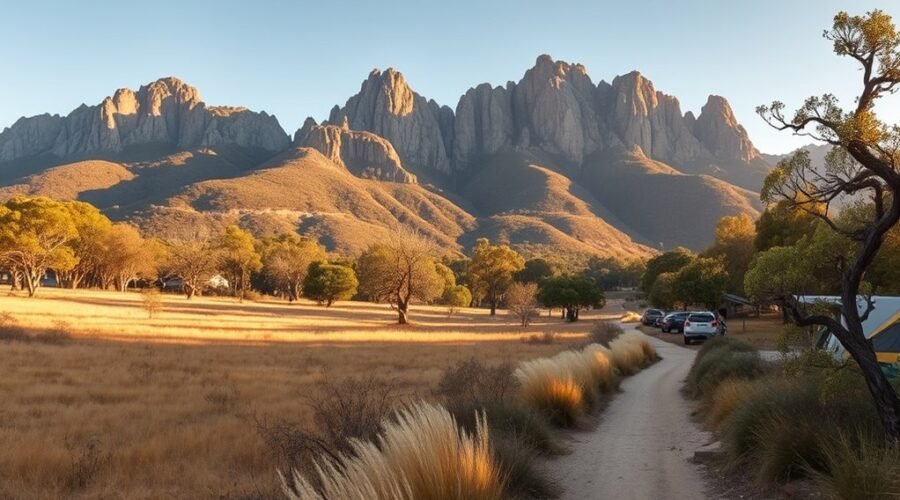
Did you know Halls Gap’s best hiking windows aren’t in summer but in the shoulder seasons when trails dry faster after rain? You’ll find milder temps, fewer people and lower accommodation rates in late spring (Oct–Nov) and early autumn (Mar–Apr), plus great wildflower displays and active wildlife without the school‑holiday crush. Plan midweek stays and flexible itineraries to save more — here’s how to time your trip for the right weather, crowds and costs.
Compare our seasonal guides to Victoria, Australia and Portsea, Victoria when choosing other stops in Victoria.
Key Takeaways
- Best overall months: May–June or August–September for mild weather, solitude, and lower prices.
- Shoulder seasons (Mar–Apr, Oct–Nov) offer milder temperatures, fewer crowds, and reliable trail conditions.
- Summer (Dec–Feb) is hottest and busiest; early-morning hikes recommended to avoid heat and crowds.
- Winter (Jun–Aug) brings crisp, quiet trails and closer wildlife sightings; dress warmly for frosty mornings.
- Visit weekdays and off-season for lower accommodation and tour costs, plus easier parking and café access.
Best Time to Visit Halls Gap : Quick Guide by Priority
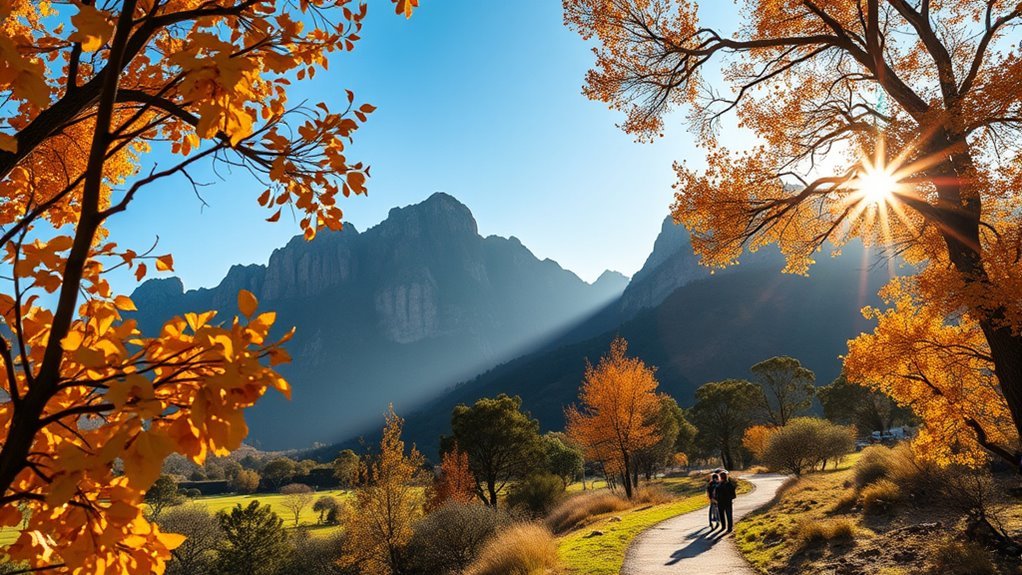
When planning your trip to Halls Gap, prioritize what matters most to you—weather, **crowds, activities, or budget**—because each influences the ideal time to visit.
If you crave solitude and untouched trails, aim for shoulder seasons when visitor numbers dip; you’ll move freely and feel liberated from crowded itineraries.
If festivals and local cultural events energize you, schedule around peak event calendars—spring and autumn often host markets, art shows, and community gatherings that connect you to place and people.
For activity-focused trips (rock climbing, wildflower walks, wildlife spotting), pick months when those pursuits peak, then book early.
If budget accommodations guide your choice, travel off-peak weekdays and winter nights to secure lower rates and more options.
You can combine priorities: choose a quieter month with a single signature event, or a mild-weather window that still offers deals.
Decide what frees you, then plan outward from that core.
Halls Gap Weather & Best Months for Hiking
You’ve thought about timing, crowds and events—now let’s look at weather, because it shapes what you can do on the trails. Halls Gap has cool winters and warm summers; spring and autumn give you stable days for longer hikes. If you crave freedom on less-crowded tracks, aim for shoulder seasons when winds are mild, temperatures sit between 10–22°C, and rain is less likely to interrupt your plans. Keep layers, a waterproof, and sun protection—mountain weather shifts fast. Pair hikes with cultural festivals and evening markets for liberated downtime, and plan golden-hour walks to hit prime photography spots.
- Early autumn (March–April): milder temperatures, fewer crowds
- Late spring (October–November): warming days, reliable trail conditions
- Winter (June–August): crisp air, quieter trails—dress warmly
- Summer (December–February): hottest, best for short morning hikes
- Always check local forecasts and park alerts before setting out
Wildflowers & Best Months to See Them
If you time your visit for late winter to mid-spring (August to November), you’ll catch Halls Gap’s peak wildflower displays when blooms are at their fullest.
Head to spots like the Wonderland Range, Boroka Lookout slopes, and the Melliodora track for the most concentrated carpets of pea-flowers, orchids, and wattles.
Keep an eye on recent rainfall and mild temperatures—wet winters and warm, still spring days produce the best shows.
Peak Wildflower Season
Although peak wildflower displays vary year to year, Halls Gap reliably bursts into color from late August through October, with September usually the sweetest spot for most species.
You’ll plan around that window to maximize wildflower photography opportunities and time your visit with local seasonal festivals.
Weather and recent rains shape which species dominate, so check local reports before you go.
Expect rapid changes: one week can shift palettes from delicate pinks to bold yellows.
Travel light, bring macro gear, and respect fragile patches so the landscape stays free.
- Arrive midweek in September to avoid crowds
- Watch forecasts for post-rain blooms
- Carry a low-impact tripod for close-ups
- Combine hikes with festival schedules
- Photograph responsibly; leave blooms for others
Best Viewing Locations
When planning where to see Halls Gap’s wildflowers, aim for a mix of creeklines, open plains and sheltered gullies—their microclimates determine which species show and when.
You’ll find delicate daisies and orchids tucked along creeklines where moisture lingers; wander quietly and you’ll claim intimate views.
Open plains around the Grampians offer sweeping carpets of color, ideal for bold compositions and liberation of spirit.
Sheltered gullies like Venus Baths concentrate shade-loving species and feel like secret gardens.
For broad perspective, head to Scenic lookouts—these give context to patchy blooms across slopes.
If you rise early, Sunrise panoramas from Wonderland or Mount William reward you with light that sculpts petals and colors, helping you see patterns and plan your next exploration.
Timing and Weather
Because rainfall and temperature patterns shape each season’s display, planning your visit around late winter to mid-spring gives you the best chance to see Halls Gap’s wildflowers at their peak.
You’ll find vivid carpets of wattles, orchid species and native daisies from August through November, with timing shifting by year depending on rain.
Aim for September–October for reliable blooms and milder weather; mornings are crisp, afternoons warm, and trails are less crowded than summer.
Pair flower walks with local cultural festivals and sample local cuisine at markets to deepen your liberation-seeking travel experience.
- Peak months: September–October
- Best times of day: early morning light
- Weather to expect: cool mornings, warm afternoons
- Crowd tips: visit weekdays
- Combine with markets and events
Best Months for Wildlife Viewing in Halls Gap
For the best chance to spot wallabies, kangaroos and abundant birdlife, plan visits in autumn and winter when cooler temperatures bring animals closer to roads and walking tracks.
You’ll also want to get up early in spring mornings, when birds are most active and the light makes identification easier.
Combine cool-season drives with dawn walks in September–November to cover both rhythms of local wildlife.
Autumn And Winter
As the sun angles lower and the bush cools down, autumn and winter are prime months to spot wildlife around Halls Gap — you’ll see more kangaroos, wallabies and emus grazing in the open during crisp mornings, and bird activity concentrates around the river and wetland areas.
You’ll enjoy quieter trails, sharper light for observing markings and behavior, and cooler temperatures that bring animals into view more often. Respect habitat, keep distance, and use ethical night photography techniques if you’re chasing nocturnal species; many liberation-minded visitors prefer non-intrusive observation.
- Visit dawn and dusk for peak local wildlife sightings.
- Scan paddocks and open plains for grazing mobs.
- Use a red filter or low-intensity light for night photography.
- Follow park guidelines to protect sensitive areas.
- Bring binoculars and a concise field guide.
Spring Mornings
When spring mornings arrive in Halls Gap, you’ll find a burst of activity as joeys emerge, birds sing loudly and reptiles bask on warmed rocks, making these months some of the best for wildlife viewing.
You’ll want to rise early: golden light reveals kangaroos grazing at the valley edge and lorikeets threading the eucalypts.
Bring binoculars, a quiet step and a camera for sunrise photography—telephoto lenses help you capture intimate moments without disturbing animals.
Temperatures are cool but pleasant, ideal for morning yoga in a secluded spot before trails heat up.
Guided walks increase sightings and teach respectful distance; you’ll leave with a sense of freedom, knowing you observed without imposing on the landscape you came to reclaim.
Halls Gap Crowds, Quiet Months & Costs
Although Halls Gap buzzes most loudly in summer and school holidays, you’ll find much more breathing room from late autumn through early spring — especially weekdays outside the July school break.
You’ll notice smaller crowds at trailheads, easier parking, and friendlier service at cafes showcasing local cultural festivals’ off-season menus and hearty local cuisine.
Prices for accommodation dip outside peak windows, but basic shop and food costs stay steady year-round.
- Visit weekdays for quieter walks and clearer views
- Target May–June or August–September for solitude without severe cold
- Expect midwinter to be calm but prepare for frosty mornings
- Look for community events that pop up in shoulder seasons
- Book longer stays to relax into the valley’s rhythm
You’ll feel liberated moving away from peak-tide tourism: the valley loosens, wildlife returns to edges, and you can set your own pace.
Costs fall for rooms and guided tours; independent travel rewards you with space and time to breathe.
Seasonal Travel Tips & Money-Saving Hacks
Now that you know the quieter months and how prices shift, you can fine-tune timing and budgeting to get the most from Halls Gap.
Plan shoulder-season visits (autumn, spring) to enjoy milder weather, fewer crowds and lower rates—you’ll save on transport and snag better deals on budget accommodations if you book a few weeks ahead.
Travel midweek where possible; local tours and cafés often drop prices outside weekends.
Embrace free pleasures—walking trails, wildlife viewing and picnic spots—to stretch your funds while feeling liberated from pricey itineraries.
Check community bulletin boards and social media for local festivals; attending smaller events delivers culture and value without tourist premiums.
Pack layers, simple snacks and refillable water to avoid impulse spending.
If you want guided experiences, compare small operators rather than big-name providers and negotiate group discounts.
Finally, keep a flexible itinerary: shifting a day or two can cut costs substantially and give you more authentic, uncrowded moments in the Grampians.
Frequently Asked Questions
Are There Guided Night Walks or Astronomy Tours in Halls Gap?
Yes — you can join Night stargazing and Guided tours in Halls Gap; you’ll explore dark skies with knowledgeable guides, learn constellations and local lore, feel liberated under vast heavens, and get practical advice for best viewing.
Is Mobile Phone Reception Reliable Throughout the Grampians?
No — you won’t have flawless reception everywhere; mobile coverage varies wildly and signal strength drops in gorges and plateaus. Plan for blackspots, download maps, and embrace occasional freedom from constant connectivity while staying prepared.
Can I Bring My Dog to Halls Gap Trails or National Park Areas?
Yes — you can bring your dog to some Halls Gap areas, but national park sections prohibit them; stick to dog friendly trails, follow leash rules, clean up, and choose trails that respect wildlife so you’ll roam freely and responsibly.
Where Are the Nearest Medical Facilities or Emergency Services?
You’ll find medical clinics in Halls Gap and larger emergency services in Horsham (about 45 minutes) and Ballarat (roughly 1.5 hours); call local medical clinics first, and dial 000 for urgent emergency services immediately.
Are There Seasonal Road Closures Affecting Access to Halls Gap?
Yes — seasonal road closures can restrict access to Halls Gap, and you’ll want to check local updates because road closures impacts can reroute travel, reduce parking, and limit trail accessibility for certain hikes and freedom-seeking adventures.
Conclusion
Plan your Halls Gap trip for late spring or early autumn when trails feel like a friendly path and temperatures sit comfortably on your skin. You’ll dodge crowds, save on lodging, and catch wildflowers or wildlife at their best. Midweek stays and flexible plans trim costs further, while packing layers keeps you ready for sudden changes. Think of the Grampians as a painting that shifts with the seasons—visit when the colors and calm suit you.