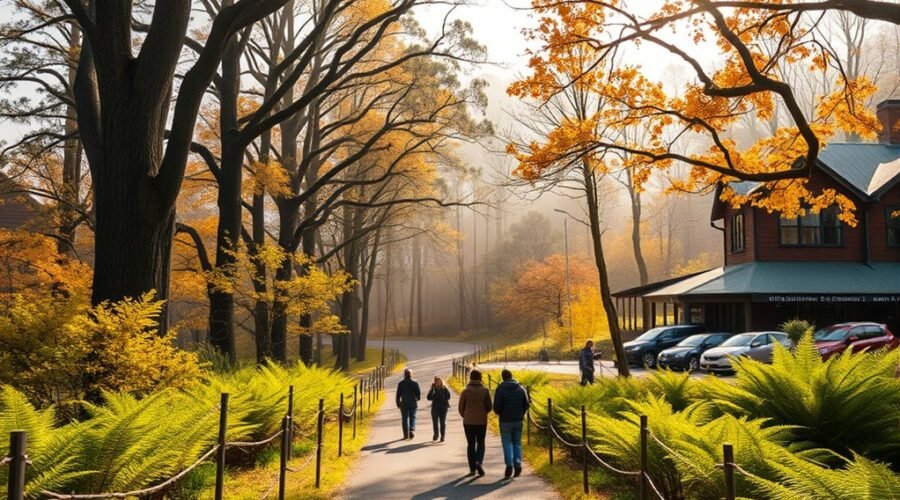
If you arrive on a quiet Tuesday in late October and find the Sherbrooke Forest trails shimmering with new green and almost no one else around, you’ll see why shoulder seasons work so well. You’ll enjoy mild temperatures, softer light for photos, and lower rates without missing key sights. Keep going to pinpoint which months and activities match your ideal mix of weather, crowds and cost.
Compare our seasonal guides to Victoria, Australia and Portsea, Victoria when choosing other stops in Victoria.
Key Takeaways
- Shoulder seasons (spring and autumn) offer mild weather, softer light, fewer crowds, and moderate prices—ideal for walks and photography.
- Summer gives long warm days and best garden blooms but higher weekend rates and busy lookouts; arrive early to avoid crowds.
- Winter (June–August) delivers misty, cinematic mornings, lower accommodation costs, and quieter trails; pack thermal layers and waterproofs.
- Visit midweek or late autumn for the lowest prices, weekday teahouse deals, and reduced tour-group congestion.
- Plan activities seasonally: spring for gardens, late spring–summer for long walks, and mornings year‑round for wildlife viewing.
Best Time to Visit the Dandenong Ranges : Quick Recommendation
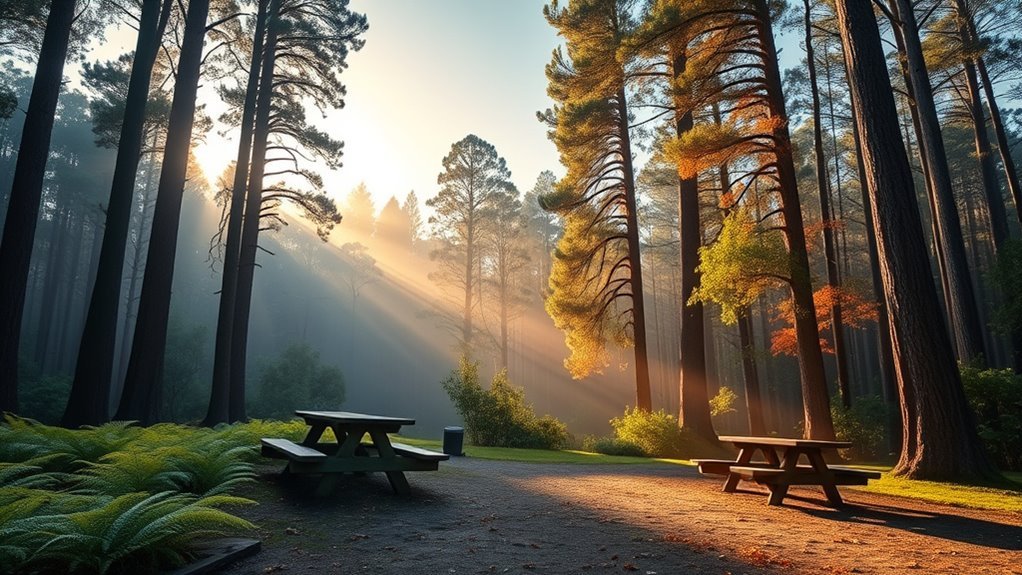
Visit in spring or autumn for the best balance of weather, crowds, and value.
Visit in spring or autumn — softer light, fewer crowds, fair prices, and the freedom to wander unhurried.
You’ll find those shoulder seasons free you from peak-heat and tourist crush, so you can wander with intention through fern gullies and along misty ridgelines.
Localfront festivals pulse with creative energy then, giving you chances to join community celebrations without feeling corralled.
You’ll catch softer light for photos, calmer trails for reflective walks, and accommodation prices that respect your budgetary freedom.
Bring a keen eye: wildlife spotting becomes more rewarding as shy creatures move in cooler hours and quieter paths.
Plan short hikes, linger at lookout points, and let spontaneous detours guide you toward hidden picnic spots and lesser-known gardens.
You’ll leave with a sense of release — the kind that comes when you’ve balanced nature’s rhythms with your own desire to explore, unhurried and on your own terms.
Spring in the Dandenong Ranges: Weather, Views and Crowds
Spring in the Dandenong Ranges unfolds with a crispness that wakes the forest — you’ll find ferns unfurling, waratahs and cherry blossoms punctuating the green, and mornings threaded with mist that softens every vista.
You’ll move through light that feels liberated, trails bright with blooms and the promise of discovery.
Temperatures climb gently; layers work best as days warm and mornings remain cool.
Expect increased foot traffic on popular walks, but plenty of quieter side-tracks reward seekers who wander.
- Plan: visit weekday mornings to enjoy floral festivals and quieter lookouts, packing a light jacket for misty starts.
- Spotting: bring binoculars—wildlife sightings multiply as birds and small mammals become more active after winter.
- Pace: choose shorter circuits if you want solitude, or join guided walks to learn local flora and find hidden viewpoints.
Spring balances vivid views with manageable crowds, giving you freedom to roam, breathe, and reclaim a bit of wild.
Summer in the Dandenong Ranges: Long Days, Prices and Busy Spots
When summer settles over the Dandenong Ranges, long warm days stretch the light and invite you onto busy walking tracks, picnic lawns, and lookout platforms where the valley shimmers with heat.
You’ll feel freedom in wide skies and the urge to linger as dusk cools; evenings pull people toward outdoor bars and wild festivals that celebrate local music and food.
Expect higher accommodation rates on weekends and school holidays, so book early if you want a base that’s both private and close to trails.
Higher weekend and school-holiday rates mean book ahead for a private, trail‑close base.
Daytime crowds gather at popular lookouts and the iconic Puffing Billy precinct, pushing quieter options like lesser-known gullies and early-morning walks into your itinerary.
Keep water, sun protection, and a flexible plan—peak temperatures can change your route.
Wildlife sightings increase at dawn and dusk: lyrebirds, rosellas, wallabies appear if you move respectfully and quietly.
Summer gives you long hours to roam; choose timing and spots to claim moments of solitude amid vibrant activity.
Autumn in the Dandenong Ranges: Foliage Windows and Mild Weather
As the long, sunlit days of summer ease off, the Dandenong Ranges shift into a cooler, crisper rhythm that shows off its autumn colours—maples, oaks and myrtles blaze in rust, gold and crimson along quiet lanes and fern-fringed gullies.
You’ll feel freed by wide vistas and leaf-strewn paths, breathing easier as crowds thin and prices often dip.
Mornings bring soft light perfect for leaf hunting; evenings hold a calm hush that invites reflection or bold exploration.
- Plan: visit mid-autumn for peak foliage windows; aim for clear days after rain for richer tones.
- Move: choose short walks to access vibrant gullies and lookout points without tiring; public transport reduces hassle.
- Capture: practice night photography at carparks or lit gardens—use long exposures for starry skies and silhouettes while respecting local wildlife.
You’ll leave refreshed, with vivid photos and a sense of escape that stays long after the leaves fall.
Winter in the Dandenong Ranges: Misty Walks, Deals and Packing Tips
In winter you’ll wake to mist-threaded valleys and mossy trails that make morning walks feel quietly cinematic.
Pack waterproof layers, warm socks, a beanie and sturdy boots so the cold and damp stay at bay.
With fewer tourists and off-season rates, you can enjoy cozy lodgings and local cafes without the crowds.
Misty Morning Walks
Wrapped in a silver shawl of mist, the Dandenong Ranges turn your morning walk into a quiet, soft-edged world where fern‑fringed paths, dripping moss, and distant birdcalls feel almost theatrical.
You move deliberately along foggy trails, each step loosening city weights, reconnecting you to wild rhythm.
Low light and soft volumes make sunrise photography rewarding: silhouettes, backlit droplets, and muted panoramas that proclaim your freedom to see differently.
Plan short routes, watch footing on rooty stretches, and pause where the mist parts. You’ll find solitude without isolation, and simple rituals—breath, frame, keep moving—become acts of liberation.
- Choose shorter loops for shifting mist.
- Bring a stable stance for low‑light shots.
- Respect quiet, leave no trace.
Winter Packing Essentials
Wondering what to pack for misty winter mornings in the Dandenong Ranges? You’ll want Thermal layers close to your skin to trap warmth without bulk — merino tops and leggings work best. Add a fleece or down mid-layer and a lightweight, packable insulated jacket for crisp sunrise hikes.
Don’t forget Waterproof boots with good grip for slippery roots and muddy tracks; waterproof socks or gaiters keep you dry and free to roam. Bring a snug beanie, touchscreen-friendly gloves, and a buff to shield your face from cold drizzle.
Carry a compact rain shell, a reusable water bottle, and a headlamp for early starts. Pack deliberately, travel light, and claim the landscape with comfortable, resilient gear.
Off-Season Deals
Head out during winter and you’ll find the Dandenong Ranges softened by mist, quieter trails, and a surprising run of off-season deals that make a crisp getaway easier on your wallet.
You’ll relish empty lookouts, heated cafes, and prices that let you roam free.
Hunt for budget transport deals—weekday trains and local shuttle discounts cut costs and free you to explore.
Seek off‑peak dining menus with set meals and cosy fireplaces.
Pack light but warm, and plan flexible days to follow clearings or fog.
- Book midweek stays for cheaper rooms and spontaneous upgrades.
- Use rail and shuttle passes to save on transfers and taxis.
- Dine early or late to score off‑peak dining specials and quieter service.
Lower-Cost, Low-Crowd Months in the Dandenong Ranges (Month-by-Month)
If you’re after lower prices and emptier trails, target quiet winter weekdays when mist‑cloaked walks feel almost private and accommodation rates often drop.
Late autumn brings crisp air and bargain opportunities as tourist numbers thin but leaves still blaze with colour.
Early spring has a gentle lull too, with wildflowers popping up and fewer crowds around the highlights.
Quiet Winter Weekdays
Because the winter weekdays bring fewer tourists and softer light, you’ll find the Dandenong Ranges at their most peaceful and affordable between June and August. You can wander mist‑veiled trails, sip hot tea in snug cafés, and feel a liberating calm as the usual crowds thin. These months are especially quiet weekdays and truly budget friendly for accommodation, tours, and meals.
- Spot serene views from Grants Picnic Ground with few people and easy parking.
- Book midweek stays to access lower rates, flexible check‑ins, and cosy cottages.
- Time walks for low‑angle light that turns fern gullies into cinematic escapes.
You’ll leave feeling unburdened, having stretched your travel budget and reclaimed slow, restorative days.
Late Autumn Bargains
When late autumn rolls in and the canopy sheds its brightest leaves, you’ll find the Dandenong Ranges settling into a quieter, more affordable rhythm—ideal for travellers chasing bargains without sacrificing atmosphere.
You’ll enjoy reduced accommodation rates, weekday deals at teahouses, and fewer tour-group crowds along popular trails.
Crisp light and softened skies make this prime for bush photography; you can frame mossy trunks and amber carpets without jostling for space.
Small local festivals often continue through May, offering intimate music, food stalls, and craft markets where you can mingle with locals and snag seasonal specials.
Pack layers, plan midweek stays, and embrace the freedom of slower days — the ranges feel like your private retreat, rich in texture and possibility.
Early Spring Lulls
As the last of autumn’s gold gives way to tentative green, early spring in the Dandenong Ranges feels quietly expectant — and it’s one of the best low-cost, low-crowd windows to visit. You’ll find softer light, cooler air, and deals on stays as gardens wake.
Fewer tourists mean room to breathe, roam trails, and claim serene viewpoints.
- Plan weekday walks to catch morning mist and improved chances for wildlife spotting.
- Time visits with local bird festivals for free or low-cost guided experiences and joyful community energy.
- Pack layers, a camera, and a curious heart — you’ll move freely, see more, and spend less while nature reclaims the hills.
Timing by Activity: Walks, Food, Gardens and Events in the Dandenong Ranges
While each activity has its own sweet spot, planning by what you want to do will give you the best experience in the Dandenong Ranges.
If you crave long walks, aim for late spring to early autumn when trails are dry, ferns unfurl, and misty mornings clear into warm afternoons; mornings are prime for wildlife spotting and quiet solitude.
For gardens, visit in spring for explosive blossoms at Cloudehill and the National Rhododendron Garden, or autumn for blazing leaves and softer light that feeds creative liberation.
Food lovers should come on weekends in summer for fresh produce markets and cosy cafés that pulse with local flavour, or choose quieter weekdays to linger over slow meals.
Time your trip for event seasons—festivals and cultural tours often run in spring and summer—so you can join guided walks, workshops, and performances that connect you deeply to place and freedom.
Frequently Asked Questions
Are There Birdwatching Hotspots and Best Times for Specific Species?
Yes — you’ll find seasonwatching hotspots like Sherbrooke and Olinda for lyrebirds, rosellas and honeyeaters; Seasonal species peak in spring and autumn, so you’ll roam free, binoculars poised, chasing vibrant calls and secretive displays.
Can I Bring My Dog to Trails and Gardens?
Yes — you can bring your dog to many trails and some gardens, but you’ll follow dog friendly policies, keep dogs leashed, clean up, and practice pet etiquette; you’ll liberate exploration while respecting wildlife and other visitors.
Are There Accessible Trails for Wheelchairs or Mobility Aids?
Yes — you’ll find wheelchair friendly paths and accessible facilities at several parks; boardwalks, flat garden loops and picnic areas let you move freely, enjoy fern gullies and views, and reclaim outdoor joy with confidence.
What Public Transport Options Reach the Dandenong Ranges?
You can catch trains to Belgrave or Upper Ferntree Gully, then buses and heritage Puffing Billy shuttles; check the train schedule and ticket prices beforehand so you’ll travel freely, affordably, and with adventurous confidence.
Are There Local Markets or Artisan Shops Open Year-Round?
Absolutely — yes: you’ll find year-round artisan shops and craft boutiques, plus seasonal fairs that pop up; you’ll wander liberated among permanent markets and pop-ups, savoring handmade goods, local produce, and fiercely creative community spirit.
Conclusion
You’ll find the Dandenong Ranges at their sweetest in shoulder seasons—think a soft chorus of spring blossoms or autumn’s painted breath—when weather is mild, crowds thin and costs dip. Wander mist‑soft trails, sip local fare between quiet gardens, and time midweek stays for the best deals. Whether you’re chasing ferns, lookouts or market stalls, plan for gentle days and golden light, and you’ll leave with photos, calm and a pocket that’s pleasantly fuller.