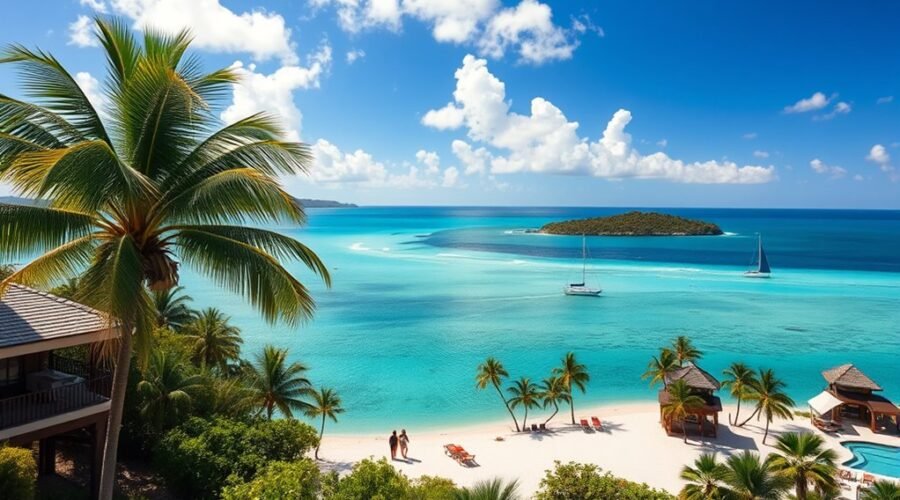
Let’s say Hamilton Island is at its best when it’s not at its busiest—you’ll find warm, dry days, calmer seas and clearer reef views in the shoulder seasons of April–June and September–November. You’ll avoid peak crowds and high prices, get better snorkeling and sailing windows, and face fewer stingers and storm risks. If you want practical month-by-month weather, crowd patterns and money-saving tips to pick the right dates, keep going.
Compare our seasonal guides to Queensland, Australia and Southern Great Barrier Reef, Queensland when choosing other stops in Queensland.
Key Takeaways
- April–September offers the best weather: milder temperatures, low humidity, calmer seas, and ideal outdoor activities.
- June–October (dry season) provides clearest reef visibility, safer boating, and optimal morning light for photography.
- Peak times (Dec–Jan, school holidays, Christmas) bring higher crowds and substantially increased accommodation and activity costs.
- Shoulder months (late Apr–early Jun, Sep–Nov) balance pleasant weather, fewer crowds, and lower prices.
- Book popular reef trips, marinas, and festival activities early, and consider flexible bookings during cyclone season (Nov–Apr).
Quick Answer: Best Months to Visit Hamilton Island (Apr–Sep)
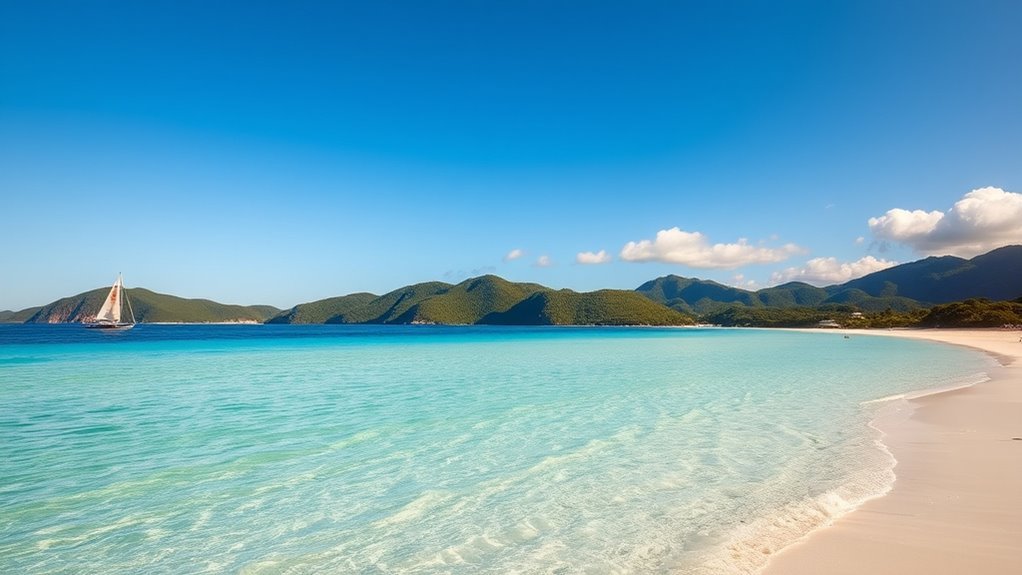
Prefer warmer weather and fewer storms? You’ll find freedom here between April and September, when milder temperatures, low humidity, and calmer seas invite exploration.
Plan for sunny days that let you kayak sheltered bays, snorkel reefs, and join local cultural festivals that celebrate island life without the summer crush.
Crowds thin after school holidays, so you’ll get better deals on accommodation and more room on walking trails and beaches.
Wildlife spotting peaks in cooler months; you’ll likely see sea turtles, migratory birds, and playful reef fish in clearer water.
Flights and ferry schedules stay reliable, making spontaneous escapes easier.
If you prize ease and movement, book in shoulder months—April–May or August–September—to balance pleasant weather with quieter infrastructure.
You’ll feel liberated to set your own pace, whether you’re seeking active adventure, quiet reflection, or immersive cultural experiences that connect you to this island’s rhythms.
Hamilton Island Weather Calendar: Wet, Dry & Cyclone Months
From November to April you’ll face Hamilton Island’s wet season, when warm, humid conditions bring heavier rains and afternoon storms.
You’ll also want to note that cyclone risk peaks between January and March, which can disrupt travel plans and outdoor activities.
Knowing these windows helps you pick the right time to visit based on the weather you prefer.
Wet Season Overview
Although the wet season on Hamilton Island runs mainly from November to April, you’ll notice its rhythm more in humidity and afternoon storms than in constant rain — expect heavy downpours, warm nights, and frequent tropical thunderstorms that can clear quickly. You’ll plan around storm‑watch timing, but you’ll also witness lush renewal: wet season wildlife becomes active, birds sing after showers, and islands green up fast. Embrace flexible plans, shorter outings, and seaside calm between storms.
| Typical Conditions | Visitor Impact |
|---|---|
| Humidity rises | Slower hikes, swimsuit days |
| Afternoon storms | Short cancellations, dramatic skies |
| Heavy downpours | Limited visibility, refreshed reefs |
| Warm nights | Open‑air dinners, nocturnal wildlife |
You’ll feel liberated moving with the weather, not against it.
Cyclone Risk Timing
When you’re planning a trip to Hamilton Island, note that the cyclone season sits squarely within the wet months—typically November through April, with the highest risk from January to March, so check forecasts and warnings before you travel.
You’ll want to time your freedom carefully: monitor tropical cyclone advisories and satellite updates, and consider flexible bookings.
Secure cyclone insurance for peace of mind—policies vary on coverage for cancellations and storm damage, so read terms closely.
Know island evacuation routes and shelter locations; local authorities update these during alerts.
If a system approaches, follow official instructions promptly and don’t gamble on staying put.
With preparation you’ll preserve your adventure spirit while respecting natural power and staying safe.
Crowds & Prices: Peak Months, School Holidays & Christmas Impact
If you visit Hamilton Island during the **Australian school holidays or around Christmas**, expect the resort to feel lively and prices to spike, as families and international tourists converge on the Whitsundays. You’ll notice limited local accommodation and higher transportation costs; booking early is essential if you want choice.
Visit during school holidays or Christmas and expect lively crowds, higher prices, limited accommodation—book early for choice.
Peak months (December–January and mid‑year school breaks) bring busy marinas, full restaurants, and a festival atmosphere during peak local festivals, so you’ll ride that energy or plan around it.
Crowds amplify the chance of shared experiences: sunset crowds on One Tree Hill, bustling reef trips, and more frequent wildlife sightings on morning walks. You’ll pay premiums for premium spots and flexible itineraries, and ferries and car hires fill fast.
If you crave freedom, use the bustle to meet people and join group tours, but be prepared to trade some solitude for the vibrant, communal pulse of peak season.
Budget & Quiet Stays: Best Shoulder-Season Months and Tips
Because Hamilton Island eases into quieter rhythms outside the major holiday spikes, you’ll find the best balance of lower prices and pleasant weather in the shoulder months—late April to early June and September to November.
You can slip into island life when ferries run smoothly, trails are uncrowded, and accommodation rates dip; that makes budgeting easier and gives you breathing room to explore.
Aim for midweek stays, book refundable fares, and hunt weekday packages that bundle breakfast or transfers.
Seek small hotels, family-run villas, and eco‑friendly lodging to align comfort with conscience; you’ll often score reduced rates and a more personal vibe.
Eat where locals go—look for cultural dining spots that blend fresh seafood, island-grown produce, and relaxed service.
Travel light, rent a bike, and plan two or three core activities so you won’t overspend on extras.
In shoulder season you’ll enjoy freedom from peak crowds, calmer bays, and a wallet-friendly rhythm that feels like real liberation.
Best Months for Events, Marina Access & Great Barrier Reef Trips
If you’re chasing big events, aim for the winter and early spring months when the island buzzes with festivals and regattas.
Check marina accessibility windows—calmer seas from June to September mean easier mooring and more reliable boat transfers.
For Great Barrier Reef trips, pick the dry season for clearer water, calmer conditions, and the best chance of spotting marine life.
Peak Event Months
When you plan your trip around Hamilton Island’s event calendar, you’ll hit the sweet spot between lively atmosphere and easy marina access during its peak months—June through October—when weather is dry, seas are calm, and reef operators run frequent trips to the Great Barrier Reef.
You’ll find locallife festivals pulsing with music, art and food that let you shrug off routines and embrace freedom. Expect major sailing regattas, outdoor concerts, and bird migrationmigrationlife festivals timed with seasonal shorebird arrivals; bird migration draws photographers and nature lovers.
Plan early: top events fill accommodation and tours fast. Move deliberately—book reef trips and festival passes, pick quieter weekdays, and enjoy spirited crowds without losing your sense of space and choice.
Marina Accessibility Windows
Although seasonal calm and clear skies make June through October the prime window for marina access, you’ll want to time specific activities to daily tides and operator schedules to get the most out of Hamilton Island.
You can plan liberating days on the water by checking tide charts, booking berth reservations early, and comparing marina fees so you keep costs predictable.
Peak‑event months push demand, so secure your spot well ahead and confirm arrival windows with marina staff.
Mornings often offer gentler slips and easier boarding; afternoons can bring shifting winds and busier docks.
Stay flexible, prioritize safety briefings, and coordinate with tour operators to align your freedom‑seeking itinerary with practical access and local rules.
Reef Trip Conditions
Because weather, tides, and tour schedules all shape your chances of seeing the Reef at its best, plan reef trips for June through October when seas are calmer, visibility is higher, and stinger risk is lower. You’ll find calmer marinas, reliable event windows, and more operators running full-day reef excursions. That means better marine life encounters and ideal reef photography light. Aim for morning departures for glassy water and fewer boats; afternoon dives can still deliver vibrant coral color. Pack sunscreen, a lightweight wetsuit for warmth, and a waterproof camera housing. Choose operators who monitor tides and reef closures so you can push boundaries safely and responsibly.
| Best Months | Conditions |
|---|---|
| June | Calm seas |
| July | Clear vis |
| August | Peak sight |
| September | Stable tides |
| October | Low stingers |
Pick Dates by Activity: Families, Couples, Snorkeling & Sailing
If you’re choosing dates based on what you want to do, match the season to your activity: families will favor school-holiday windows with calm seas and plenty of kid-friendly events, couples often prefer quieter shoulder months for privacy and romantic sunsets, snorkelers should plan around the clearest-water months for best visibility, and sailors want the steadier trade winds that make passages predictable and fast.
For family activities, aim for late July–August or the December school break when organised programs, shallow beaches and predictable weather keep kids safe and entertained.
For romantic getaways, pick April–May or September–October: you’ll find softer crowds, golden light and intimate dining options.
If snorkeling’s your freedom—February to April and September offer the clearest water and best reef access.
Sailors should target May to November for consistent southeast trade winds and calmer cyclone risk.
Choose dates that free you: matching conditions to intent lets you focus on experience, not logistics, so every moment feels deliberate and liberated.
Frequently Asked Questions
Are There Any Travel Restrictions or Visa Requirements for Visiting Hamilton Island?
Yes — you’ll need to check visaist requirements and travel advisories before you go; you’ll likely require an Australian visa or ETA, you’ll follow entry rules, and you’ll stay free-spirited while complying with official guidance.
What Medical Facilities and Emergency Services Are Available on the Island?
A lone lighthouse symbolizes safety as you learn: you’ll find a medical clinic for urgent care and GP needs, trained staff, ambulance services, and an emergency helicopter for serious evacuations, so you’ll feel secure and free.
Is Hamilton Island Pet-Friendly or Are There Nearby Kennels for Pets?
Hamilton Island generally isn’t pet-friendly for most accommodations, but some allow pets with strict pet policies; you’ll find nearby mainland kennel options and private pet sitters — plan ahead to secure kennel options and meet rules.
Are There Bike, Car, or Golf Buggy Rental Policies and License Requirements?
Yes — you can rent bikes, cars and golf buggies; r rental desks handle bookings, and license requirements vary: you’ll need a valid driver’s license for cars and buggies, while bike hire just requires ID and caution.
What Accessibility Options Exist for Travelers With Mobility Impairments?
Like a bridge you’ll cross to freedom, Hamilton Island offers wheel friendly shuttle services, wheelchair accessible pathways, adapted rooms, beach matting and accessible marinas; you’ll find staff ready to assist, making mobility easier and travel liberating.
Conclusion
Picture yourself stepping onto Hamilton Island in late April or crisp September: warm sun, calm teal seas, and fewer footsteps on the sand. You’ll find clear reefs for snorkeling, quieter marinas for sailing, and friendlier prices than peak summer. Choose shoulder months and you’ll trade crowds and stingers for golden mornings, relaxed island time, and reliable trips to the Great Barrier Reef—perfect whether you’re after family fun, a romantic escape, or budget‑savvy adventure.