
Queensland is enormous, so there is no single perfect month for every destination. For the easiest combination of dry weather, comfortable temperatures, Great Barrier Reef conditions and Outback travel, May through October is the strongest all-round window—especially in Tropical North Queensland. Southern destinations such as Brisbane, the Sunshine Coast and Gold Coast remain enjoyable through much more of the year.
Quick Answer
The best months to visit Queensland for most travelers are May to October. Tropical North Queensland is generally drier and less humid, Great Barrier Reef trips are popular, dangerous marine-stinger risk is typically lower, and Outback conditions are more comfortable. For southern Queensland beaches, spring and autumn can also be excellent.
Key Takeaways
- May–October: the best all-round period, particularly for Cairns, Port Douglas, the Daintree and reef trips.
- June–October: lower marine-stinger risk in tropical waters than during the typical November–May high-risk period, although stingers can occur year-round.
- April–October: the most comfortable general window for Outback Queensland, where summer heat and rain can affect travel.
- June–November: a useful window if humpback whale watching is a priority along the Queensland coast.
- November–March: wetter and more humid in the tropical north, but attractive for waterfalls, rainforest, turtle activity and some special reef events.
- School holidays and major events: can increase demand even during otherwise favorable shoulder or winter months, so check your exact dates before booking.
Best Months to Visit Queensland by Region
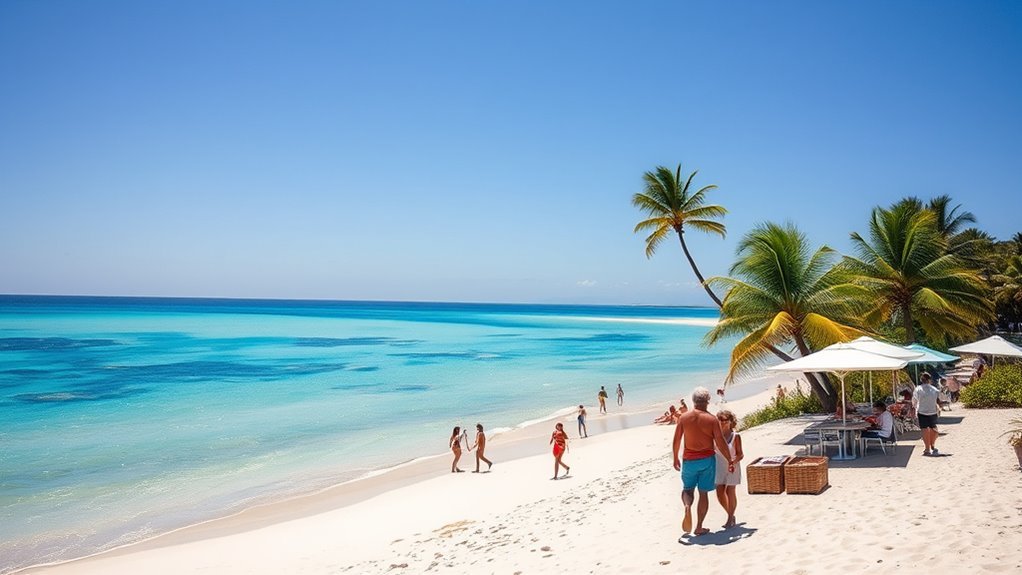
The most useful way to choose your dates is to decide which part of Queensland matters most to you. The state’s climate changes significantly between the tropical north, southeast coast and inland.
| Region / experience | Best general window | Why |
|---|---|---|
| Cairns, Port Douglas, Daintree | May–October | Milder, generally drier conditions and lower humidity than the tropical summer. |
| Great Barrier Reef | May–October | Popular for drier weather and strong snorkeling/diving conditions; actual visibility still varies with local weather, wind and tides. |
| Whitsundays and central coast | May–October | Generally pleasant temperatures and less tropical humidity. |
| Brisbane, Sunshine Coast, Gold Coast | March–May or September–November | Warm to mild weather without needing to restrict your trip to the tropical dry season. |
| Outback Queensland | April–October | Cooler weather and generally better conditions for long-distance road trips and outdoor sightseeing. |
Pro Tip: If your itinerary combines Cairns or the Great Barrier Reef with Brisbane, the Gold Coast and the Outback, May, June, September and early October are especially useful compromise periods. Always check school-holiday and event dates before assuming a shoulder month will be quiet.
Seasons in Queensland: North vs South
Because Queensland stretches from the tropical Cape York region to the subtropical southeast and far inland, the seasons feel very different from one destination to another.
- Tropical North Queensland: summers are generally hotter, more humid and wetter. Winters are milder and drier, although showers can still occur.
- Central coast and Whitsundays: warm weather lasts much of the year, but tropical summer brings more humidity, rain and cyclone awareness.
- Southeast Queensland: Brisbane, the Sunshine Coast and Gold Coast have milder winters and warm summers, making them viable year-round destinations.
- Outback Queensland: summer heat can be extreme, while winter days are much more comfortable and nights can become cold.
The Bureau of Meteorology’s Cairns climate guidance describes hot, humid summers and milder, drier winters in Tropical North Queensland, with much of Cairns’ rainfall occurring during the summer months.
Wet Season & Cyclone Risk in North Queensland
North Queensland’s wetter part of the year broadly overlaps with Australia’s tropical cyclone season. The Bureau of Meteorology defines the official Australian tropical cyclone season as 1 November to 30 April. Cyclones can occur outside those dates, but that is less common.
A wet-season trip can still be rewarding. Rainforests are lush, waterfalls can be powerful, warm-season wildlife activity increases and some accommodation may have better availability. The trade-off is that heavy rain, flooding, rougher weather and cyclone disruptions are more likely.
Warning: Never drive through floodwater or ignore a road closure. Tropical rain can make roads impassable quickly, particularly in low-lying and remote areas. During cyclone threats, follow Bureau of Meteorology warnings and instructions from local emergency authorities rather than relying on a fixed itinerary.
Heavy Rain and Flooding
Heavy tropical rain can cause flash flooding, creek rises, road closures and changes to tour schedules. Conditions may be very different only a short distance away, so check forecasts and road information on the day you travel.
Keep essential items dry, allow extra travel time and avoid building an itinerary that depends on a single vulnerable road during severe weather.
- Know the safest route to higher ground if severe weather is forecast.
- Keep your phone charged and carry a backup power source.
- Do not enter floodwater on foot or in a vehicle.
- Respect road, beach, trail and national-park closures.
Cyclone Season Timing
Australia’s official tropical cyclone season runs from November through April. Historically, a large share of tropical cyclone activity occurs during the middle of that season, particularly around January to March, but no calendar can predict whether a specific trip will be affected.
If you are visiting coastal North Queensland during this period, monitor the Bureau of Meteorology forecast in the days before travel and throughout your stay.
Safety and Evacuation Plans
You do not need an elaborate emergency plan for a normal holiday, but you should know how your accommodation communicates severe-weather instructions and where official warnings are published.
Keep identification, essential medicines, drinking water, a phone charger and some basic supplies accessible. If authorities issue an evacuation order, act promptly.
- Know the location and emergency procedures for your accommodation.
- Keep important travel documents accessible.
- Maintain enough battery power to receive warnings.
- Follow official local instructions rather than social-media rumors.
Month-by-Month Calendar: Weather, Crowds and Trip Ideas
A month-by-month view is more useful than treating Queensland as having one statewide season. Conditions below are general patterns, not guarantees.
| Month | What to expect | Best for |
|---|---|---|
| January | Hot and humid in the north, with wet-season and cyclone risk. Summer school holidays increase demand early in the month. | Southern beaches, turtle season, lush rainforest if weather is suitable. |
| February | One of the wetter, more humid periods in the tropical north. | Turtle hatchlings and wet-season landscapes. |
| March | Still warm and potentially wet in North Queensland; southeast Queensland begins moving toward milder autumn conditions. | Southeast coastal trips and late turtle activity. |
| April | Transition toward drier, cooler conditions in many areas. Easter holidays can increase demand. | Outback trips, southeast Queensland and improving northern conditions. |
| May | A strong all-round month as tropical humidity drops and inland temperatures become more comfortable. | Reef, rainforest, islands and Outback road trips. |
| June | Dry-season conditions dominate much of the tropical north; cooler nights inland and in the southeast. | Reef trips, hiking, whale season and Outback travel. |
| July | One of the most comfortable months in the tropics and Outback, but winter school holidays can create busy periods. | Tropical North Queensland, reef, whales and inland touring. |
| August | Generally dry and comfortable in the north, with excellent outdoor-travel conditions across much of the state. | Reef, hiking, whales, festivals and Outback travel. |
| September | Warmer days return while many regions remain relatively dry. Spring school holidays can raise demand. | Reef, islands, beaches and whale watching. |
| October | Warm conditions with increasing heat toward late spring; still a strong travel month in many regions. | Reef, islands, beaches and late-season Outback trips. |
| November | Humidity and storm risk rise in the north; official cyclone and typical marine-stinger seasons begin. | Southern beaches, turtle nesting and possible coral-spawning trips. |
| December | Hot, humid and increasingly wet in the tropics. Christmas and summer holidays create strong demand. | Southern coastal holidays, turtle nesting and special reef events. |
Monthly Weather Overview
In Tropical North Queensland, January through March is generally wetter and more humid, while May through October is typically more comfortable for outdoor sightseeing. Inland Queensland becomes much more practical as temperatures cool from autumn into winter.
Southeast Queensland follows a less extreme pattern. Brisbane, the Sunshine Coast and Gold Coast can be visited throughout the year, although spring and autumn often give a comfortable balance of warmth and manageable humidity.
Crowds and Price Trends
Do not assume winter automatically means cheap accommodation. Queensland’s most popular tropical destinations attract visitors specifically because winter overlaps their dry season, and school holidays can push demand higher.
Prices and availability are most likely to tighten around Christmas and New Year, Easter, winter and spring school breaks, long weekends, destination festivals and major sporting events.
If your dates are flexible, compare several weekdays and nearby weeks rather than relying on a fixed rule about how many days before departure you should book.
Best Time for the Great Barrier Reef: Visibility, Stingers and Water Temperature
May through October is one of the easiest periods for a first Great Barrier Reef trip. Queensland’s official tourism guidance highlights this period for relatively dry weather and favorable reef conditions.
That does not mean every day will have perfect underwater visibility. Wind, tides, rainfall, currents, location and recent weather can all affect what you see underwater. An outer-reef site can also experience different conditions from an inshore island on the same day.
The higher-risk tropical marine-stinger period generally runs from November through May. Queensland WorkSafe notes that dangerous tropical marine stingers may still occur at other times of the year, so always follow the advice of reef operators, lifeguards and local signs.
See current guidance from Queensland WorkSafe on marine stingers.
Note: A stinger suit is not a sign that the reef is unsafe to visit. Reef operators commonly use protective suits as a sensible risk-control measure during higher-risk periods. Follow the operator’s instructions even when conditions look calm.
- Choose a reputable operator with qualified crew and marine-safety procedures.
- Ask the operator about current visibility rather than relying only on the month.
- Use sun protection and protective swimming clothing.
- Never touch coral, chase wildlife or stand on reef structures.
Best Months for Beaches and Island Escapes
The best beach timing depends strongly on latitude. A single November–April recommendation does not work for all of Queensland.
| Month range | Why go |
|---|---|
| November–December | Warm beach weather is attractive in southeast Queensland, while the tropical north becomes hotter, wetter and enters cyclone/stinger season. |
| January–February | Excellent summer-beach weather can occur in the south. The north is lush but humid, wetter and more weather-sensitive. |
| March–April | A strong period for southeast beaches as temperatures begin easing. Northern wet-season risks gradually decline but can persist. |
| May–October | Generally the easiest beach and island period for Tropical North Queensland, with lower humidity and lower marine-stinger risk than summer. |
Wherever you swim, use patrolled beaches when available, stay between the red and yellow flags, obey closure signs and ask a lifeguard about local hazards such as rips or marine stingers.
Best Months to Visit the Outback: Climate Timing
For Outback Queensland, plan around the heat rather than the tropical beach calendar. April through October is the most practical general travel period, with May through September particularly comfortable for many road trips.
For most first-time Outback road trips, April–October gives you a better combination of manageable daytime temperatures, cooler nights and access to the region’s busy event season.
Queensland’s official tourism guidance recommends the cooler months because summer temperatures can become extreme and seasonal rain can disrupt access in parts of the north and west.
- Travel April–October for the broadest comfortable window.
- Pack warm layers for winter nights; inland temperatures can fall sharply after sunset.
- Carry extra drinking water and do not assume fuel is available at short intervals.
- Check road conditions before leaving major towns.
- Avoid unnecessary driving around dawn and dusk when wildlife is more active near roads.
- Download essential information before entering areas with weak mobile coverage.
Best Months for Whales, Turtles and Coral Spawning
Weather is not the only reason to choose one month over another. Queensland has several seasonal wildlife events worth building a trip around.
- Humpback whales — June to November: migrating humpbacks travel along much of Queensland’s coast, with viewing opportunities from the Gold Coast to Hervey Bay and farther north.
- Turtle nesting — roughly November to January: important nesting activity occurs at several Queensland rookeries, including locations around the Southern Great Barrier Reef.
- Turtle hatching — mainly January to March: guided experiences are available in selected locations, and dates vary with nesting and incubation conditions.
- Coral spawning — often October to December: the Great Barrier Reef Marine Park Authority says many corals spawn on nights following full moons during these months, but timing varies between locations and years.
For coral spawning, see the Great Barrier Reef Marine Park Authority’s coral-spawning guidance. Wildlife is never guaranteed, so choose responsible guided experiences and follow ranger or operator instructions.
School Holidays & Major Festivals: When Crowds and Prices Spike
Queensland school holidays are important because they can increase demand for family accommodation, reef tours, island ferries, rental vehicles and flights.
For Queensland state schools in 2026, the Department of Education lists these main holiday periods:
- 3–19 April 2026
- 27 June–12 July 2026
- 19 September–5 October 2026
- 12 December 2026–26 January 2027
Independent and Catholic school dates can vary. Before booking, check the current Queensland Department of Education term and holiday dates.
Large events can create localized peaks even outside school breaks. Brisbane’s Ekka, regional shows, Outback festivals, sporting events and destination-specific festivals may affect room availability and transport.
Money-Saving Timing Tips and Booking Windows
There is no reliable Queensland-wide rule that flights are cheapest exactly 60–90 days before departure or that every hotel should be reserved three to six months ahead. A more useful strategy is to identify your trip’s demand level and book accordingly.
- Book earlier for Christmas, Easter and school holidays. Family rooms, island stays and popular tours can sell out.
- Book limited-capacity experiences early. Small reef boats, special wildlife tours and remote accommodation have less inventory than city hotels.
- Compare nearby dates. Moving a trip by a few days can avoid a weekend, public holiday or major event.
- Check cancellation conditions. Flexible rates can be valuable during cyclone season or when your itinerary depends on boats and weather.
- Compare total transport cost. A cheaper remote hotel may not save money if it requires an expensive transfer or rental car.
During quieter periods, last-minute availability can sometimes work in your favor, but do not rely on it for a must-do reef trip, holiday-week accommodation or remote-area itinerary.
Frequently Asked Questions
Do I need a visa or vaccination to travel to Queensland?
Queensland follows Australia’s national entry rules. Australian passport holders do not need a visa, New Zealand passport holders have separate arrangements, and most other visitors need an appropriate Australian visa or travel authority before arrival. Check your passport-specific requirements with the Australian Department of Home Affairs. There is no single routine vaccination requirement simply for visiting Queensland; health advice depends on your origin, itinerary and personal circumstances.
Are there good public transport options between major Queensland attractions?
Public transport is strong in South East Queensland and available in several regional cities, while Queensland Rail operates long-distance routes to a number of regional destinations. However, many national parks, beaches, small towns and Outback attractions are difficult or impossible to reach conveniently without a rental vehicle, tour or transfer. Check Translink and regional rail schedules before building a car-free itinerary.
Can I use an Australian mobile/data plan temporarily as a tourist?
Yes. Australian carriers sell prepaid SIM and eSIM options suitable for short visits. Compare price, data allowance and especially coverage for the places on your itinerary. Coverage can become limited in regional and remote Queensland, so download maps, booking details and emergency information before long Outback drives.
How accessible are Queensland attractions for travelers with mobility issues?
Accessibility varies widely. Major urban attractions, transport hubs and some reef operators provide accessible facilities, but beaches, rainforest tracks, boats and remote sites can present barriers. Check the exact attraction, vessel, accommodation and transfer before booking rather than assuming every site offers step-free access.
Is tap water safe to drink across Queensland?
Reticulated town drinking-water supplies in Queensland are regulated, but local water providers may occasionally issue boil-water, do-not-consume or other advisories. Private and remote water supplies need separate consideration. Follow local notices and Queensland Health guidance if you are unsure about a particular location.
What is the cheapest month to visit Queensland?
There is no single cheapest month statewide. Tropical North Queensland can be less expensive during wetter periods, while southeast cities have their own event-driven price patterns. Search flexible dates and avoid school holidays, public holidays and major local events when lower prices are your priority.
What month has the best weather in Queensland?
For a trip covering several parts of the state, May, June, September and early October are strong choices. They generally avoid the hottest tropical months while remaining suitable for reef, coast and inland travel. Your ideal month can change if you are visiting only Brisbane, the Gold Coast or another southern destination.
Can I visit the Great Barrier Reef during the wet season?
Yes. Reef tours operate year-round when conditions allow, and the warmer months offer experiences such as turtle activity and coral spawning. However, North Queensland is wetter and more humid, cyclone disruptions are more likely, and November–May is typically the higher-risk marine-stinger period. Follow your operator’s safety advice and use protective suits when recommended.
Sources
- Bureau of Meteorology — Climate of Cairns — tropical north rainfall, humidity and seasonal climate patterns.
- Bureau of Meteorology — Tropical Cyclone Knowledge Centre — official Australian cyclone season and cyclone safety context.
- Queensland WorkSafe — Marine Stingers — November–May higher-risk period and protective measures.
- Queensland Department of Education — School Holidays and Term Dates — current Queensland state-school holiday periods.
- Australian Department of Home Affairs — Entering Australia — passport and visa requirements.
- Queensland Health — Drinking Water — regulation of town supplies and drinking-water advisories.
Conclusion
If you want one dependable starting point, choose May through October. It gives you some of the easiest conditions for Tropical North Queensland, the Great Barrier Reef and inland travel while avoiding the peak of tropical summer humidity, cyclone season and marine-stinger season.
Your exact best month still depends on the trip. Choose June–November for whale watching, November–March for turtle-season experiences, April–October for the Outback, and spring or autumn if your focus is Brisbane, the Sunshine Coast or Gold Coast. Check school holidays, weather forecasts and local safety advice before locking in your final dates.