

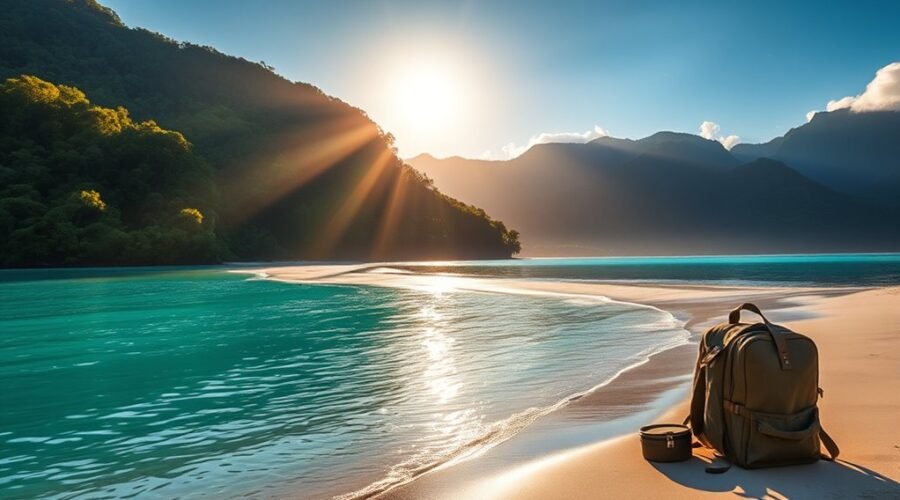
You might not know that Cape Tribulation’s very best weather often falls outside the popular school-holiday months, giving you clearer skies and calmer seas with fewer tourists. If you want great snorkeling visibility, quieter rainforest tracks and better value, timing matters more than sheer luck. I’ll walk you through the ideal shoulder windows, the safety seasons for stingers and crocs, and how costs shift so you can pick dates that match your priorities.
Key Takeaways
- Dry season (May–October) offers clear skies, calm seas, cooler nights, and best snorkeling conditions with moderate crowds.
- Wet season (November–April) brings heavy afternoon storms, lush rainforest, abundant wildlife, fewer visitors, and lower accommodation prices.
- Peak months (July–September, Dec–Jan) have warmest water, full tour schedules, festivals, but higher costs and crowded attractions.
- Shoulder months (April, October; May–June, Sept–Oct) balance good weather, fewer crowds, and cheaper rates with occasional brief showers.
- Watch stinger and crocodile advisories November–May, expect road closures in wet season, and book early for peak travel dates.
When to Visit Cape Tribulation: Short Answer

If you want a balance of warm sunny days, fewer bugs and good access to tours and roads, aim for the dry season from May to September; you’ll get clear skies, calmer seas and easier rainforest walks. You’ll find that this window frees you to move—hike, kayak, and join local cultural festivals without mud or cancelled trips.
Shoulder months (April, October) offer milder crowds and lower prices if you want more solitude while still dodging peak wet-season deluges.
The wet season (November–March) delivers lush growth, dramatic waterfalls and epic birdlife, but heavier rain, mosquitoes and occasional road closures can limit plans.
If wildlife photography is your goal, pick dawns in dry season for crisp light and better access; late wet season rewards with newborn animals and vibrant foliage, though you’ll work harder for steady shots.
Choose freedom: prioritize weather, crowd tolerance and budget to design a trip that liberates your pace and vision.
Cape Tribulation Climate at a Glance
Ever wondered what weather you’ll pack for Cape Tribulation? You’ll face a tropical climate: hot, humid summers (Dec–Mar) with heavy afternoon storms and warm, drier winters (Jun–Aug) that feel liberating on your skin.
Tropical Cape Tribulation: hot, humid summers with heavy storms; warm, drier winters—pack breathable layers, waterproofs, and sunscreen.
Daytime temps range from mid‑20s to low‑30s °C most of the year; nights stay mild. Rainfall concentrates in the wet season, swelling creeks and enriching the rainforest flora that frames every view. Humidity can be intense—pack breathable layers, waterproofs, and a mindset ready to adapt.
Wind and occasional cyclones can disrupt plans during peak wet months, so stay flexible and informed. Insects increase with rain, so bring repellents and netting. Solar intensity is high year‑round; sun protection is essential.
Respect local rhythms: indigenous culture influences place names and seasonal knowledge, and locals offer practical advice about safe timing and conditions. Knowing these patterns helps you move freely, responsibly, and confidently through Cape Tribulation’s wild climate.
When to Go: Hiking & Rainforest Walks
Because trails can turn from pleasant to treacherous with a single downpour, plan your hikes for the drier months (May–September) when paths are firmer, creek crossings are lower, and views through the canopy feel clearer.
You’ll move more freely, carry less mud on your boots, and find lookout points unobstructed for Rainforest photography at first light.
Midday heat in the dry season is manageable, and ticks and leeches are fewer, so you can push farther along trails like the Dubuji Boardwalk or Myall Beach circuit without constant worries.
If you crave deeper immersion, book Guided night walks during the dry months or the shoulder seasons; nocturnal wildlife is active and trails are safer when rain is less likely.
Pack layered clothing, good grips, and a compact tripod for long exposures.
Stay flexible: brief showers still happen, so check local forecasts, inform someone of your route, and let the forest unmake and remake your expectations.
When to Go: Snorkeling & Reef Trips
For the clearest reef trips, you’ll want to go between June and November when the water’s calmest and visibility is at its best.
That’s also when coral activity and fish sightings peak, so you’re more likely to spot turtles, rays, and vibrant reef fish.
Plan trips in the morning for the calmest conditions and the highest chance of excellent marine life viewing.
Peak Snorkeling Season
When you plan a snorkeling trip from Cape Tribulation, aim for the Australian winter and spring months—June through November—when visibility is at its best, water temperatures are cooler but comfortable, and marine life is most active; this window also avoids the stinger season that limits safe swimming closer to shore.
You’ll find calm seas and clearer water for reef tours, so pack reliable snorkel gear, a reef-safe sunscreen, and a light wetsuit if you like.
Book early to secure small-boat departures that favor freedom from crowds and let you linger where the reef sings.
Expect fewer cancellations, steadier conditions, and guides who know secret edges of the reef.
Go then to swim boldly, learn deeply, and feel unbound.
Marine Life Visibility
If you want the best chance of seeing turtles, reef fish, and corals at their liveliest, aim for June through November when water clarity and calm seas reveal vibrant underwater life; guides know where currents concentrate plankton and attract bigger visitors, so choose departures that match tidal flows for peak sightings.
You’ll move with purpose: pick morning trips for glassy conditions and visibility, or late‑afternoon runs when feeding flurries stir the reef.
Watch seasonal marine migration—manta rays, turtles, and transient predators follow food and temperature cues—so plan around known windows.
Respect reef health by using reef‑safe sunscreen, avoiding contact, and listening to guides.
That way you’ll witness freedom beneath the surface while protecting the ecosystems that let it exist.
Stinger & Croc Seasons: Safety Windows
Because jellyfish and saltwater crocodiles follow seasonal patterns, you can plan visits to Cape Tribulation around clearer safety windows rather than guessing when it’s safe to swim or explore estuaries.
Pay attention to stinger alerts during the warmer months (roughly November–May) when box jellyfish and irukandji are most active; beaches may be netted or closed, and local signs will guide you.
Croc sightings spike in the wet season and early dry when estuaries swell; avoid riverbanks, don’t feed wildlife, and stay well back from water edges.
Use official park notices, local operators, and Queensland Government updates to choose when you’ll feel free to move safely.
- Check daily stinger alerts before entering any water.
- Respect croc signage and stay on established paths.
- Swim only at patrolled or netted beaches.
- Book guided river trips for safer wildlife viewing.
These practices free you to explore responsibly, maximizing both safety and the thrill of wild freedom.
Low-Season Tradeoffs: Rain, Roads, Crowds
Beyond watching stinger alerts and croc signs, you should weigh how the low season reshapes the whole Cape Tribulation experience: heavier rains can turn corrugated dirt roads into mud tracks, quiet beaches invite solitude but some eco-tours scale back, and sudden downpours create dramatic rainforest waterfalls while limiting outdoor windows.
You’ll find a liberated rhythm—fewer tourists, softer schedules, and room to choose when you move.
Practical planning matters: hire a capable vehicle, pack quick-dry gear, and give yourself buffer days for washed-out trails or ferry delays.
Cultural festivals sometimes shift dates or shrink, yet attending one then feels intimate and authentic.
Wildlife migrations can be spectacular in wet months, but sightings become weather-dependent and guides may cancel low-attendance trips.
If you crave freedom from crowds and don’t mind flexible plans, low season rewards you with raw landscapes and quieter beaches; if rigid itineraries frustrate you, consider timing differently.
Peak-Season Tradeoffs: Sun, Crowds, Price Hikes
If you visit Cape Tribulation in peak season you’ll get balmy, mostly dry weather and long daylight for beach walks and rainforest hikes.
Expect more people at popular spots and sometimes limited access on busy days, so plan activities early or book guided trips to avoid crowds.
Prices for accommodation and tours rise and availability tightens, so lock in essentials well ahead to keep stress down.
Peak Season Pros
When you visit Cape Tribulation in peak season, you’ll get the clearest skies, warmest water and the fullest range of guided tours and activities—ideal if you want reliable snorkeling, rainforest walks with rangers, and regular ferry and shuttle services.
You’ll find wildultural festivals enlivening evenings and extra chances for wildlife spotting at dawn.
Peak months free you to maximize experiences, connect with guides, and plug into community events that celebrate place-based freedom.
- Bookable snorkeling trips and reef access that shrink uncertainty
- Ranger-led walks that deepen your knowledge and agency in the forest
- Evenings of local music, markets, and wildultural festivals for shared joy
- Consistent transport and tour schedules that let you plan boldly
Go expecting energy, availability, and the confidence to explore.
Crowds And Access
Those peak-season perks come with tradeoffs you’ll want to weigh: sun-drenched days and dependable activities often mean bigger crowds, limited access to popular trails and beaches, and noticeable price hikes for accommodation and tours.
You’ll still find pockets of solitude, but expect busier carparks, queued lookouts, and shared boardwalks. Ranger-enforced local access restrictions can close sections after heavy use or for conservation—plan alternatives and respect signs.
Some guided routes or camping spots may need permit requirements, so book necessary permits early to keep your options open.
Move with intention: choose early starts, midweek hikes, or lesser-known tracks to reclaim freedom. That practical flexibility helps you enjoy peak-season radiance without losing the sense of escape.
Price And Availability
Because peak season draws more visitors, you’ll see accommodation, tours, and even some permits jump in price while availability tightens—particularly for beachfront cottages, guided rainforest walks, and multi-day camping spots.
Plan ahead so you don’t trade freedom for frustration: book early, compare nights, and factor travel insurance if weather or cancellations threaten your escape. Be mindful that local festivals can spike demand and lift rates.
- Reserve flexible stays to keep options open and reduce stress.
- Prioritize must-do experiences, then fill gaps with off-peak slots.
- Use cancellation-friendly bookings and a travel insurance policy.
- Consider weekday arrivals or shoulder-season windows to reclaim solitude.
This approach keeps costs manageable while protecting your right to roam.
Cape Tribulation Costs by Month
Although prices can shift with low-season deals and festival surges, planning by month lets you match Cape Tribulation’s costs to your priorities.
January–March tends to be wet and quieter; you’ll find lower nightly rates and bargain tours, though humidity means you might skip some activities.
April–May starts to dry and prices rise modestly as domestic visitors arrive for cultural festivals; expect mid-range accommodation costs and steady tour availability.
June–August is peak for freedom-seekers chasing dry weather and clearer trails—book early, as lodging and guided trips climb to premium levels.
September–October keeps high demand with stable pricing; watch for wildlife migrations that make certain tours more valuable.
November–December eases into shoulder season; you can snag off-peak rates between holiday spikes if you’re flexible.
Throughout the year food, ferry transfers, and permits add predictable extras—factor them in monthly so your budget supports both adventure and ease without sacrificing spontaneity.
Packing & Planning by Season (Gear, Cancellations, Ferries)
A clear packing plan will save you headaches across Cape Tribulation’s wet and dry seasons, so pack for heat, humidity and sudden downpours while keeping essentials accessible for ferry rides and last‑minute cancellations.
You’ll want lightweight, quick‑dry clothing, a reliable rain shell, waterproof bags for electronics, and solid sandals or boots for muddy trails.
Think minimal but resilient: freedom comes from carrying only what supports movement and comfort.
- Pack a compact dry bag and ziplocks for wet weather and ferry transfers.
- Bring a lightweight tent or hammock with bug protection for spontaneous stays.
- Carry documentation for eco insurance and gear insurance, and digital backups.
- Include reef‑safe sunscreen and reusable water gear to honor eco‑tourism principles.
Plan flexible transport and refundable options; ferries and roads can change with storms.
Buy cancellable bookings when possible, register with local services, and prepare to pivot—this lets you embrace Cape Tribulation without losing your sense of liberation.
Choosing Dates: Match Weather, Budget, Activities
Think about the weather by month so you can pick dry, cooler windows for hiking or wetter months if you don’t mind afternoon storms.
Balance peak versus low-season costs—tour prices, ferries and accommodation can swing dramatically.
Then match activities to the season: reef snorkelling and crocodile-spotting have different best months, so plan dates that fit what you most want to do.
Weather By Month
When you pick travel dates for Cape Tribulation, match the month to what you want to do—sunny beach days and snorkeling call for the dry season **(May–October), while rainforest walks**, birding and fewer crowds fit the wetter months (November–April), though expect heat, humidity and frequent showers then.
Plan by month: May–July bring stable rainfall patterns, cooler nights and clearer seas; August–October are warm, dry and ideal for swimming; November–January spike in humidity trends, heavy afternoon storms and lush jungle blooms; February–April are hottest, wettest, but richest for wildlife after rains.
Choose freedom over routine: pick weather that enables the activities you crave and accept trade-offs to fully experience this wild coast.
- Dry months: snorkeling, beaches, clear trails
- Wet months: birding, solitude, dramatic greenery
- Shoulder months: balance of both
- Pack for heat, rain, and insects
Peak Vs Low Costs
If you want to stretch your travel budget without sacrificing the experience, timing your visit around Cape Tribulation’s peak and low seasons can make a big difference. You’ll save on lodging and tours in the low season (Feb–Apr) when prices dip and beaches quieten, but you might trade some clear-weather certainty. Peak season (Jul–Sep, Dec–Jan) brings higher rates, vibrant cultural festivals and better guided-tour availability — ideal if you want connection and celebration. Watch shoulder months for the best balance: fewer crowds, moderate prices, and chances to see wildlife migrations with fewer people around. Choose dates that free you: prioritize weather, wallet, or experiences, and book flexible options when you can.
| Focus | Best time |
|---|---|
| Budget | Low season |
| Weather certainty | Peak season |
| Festivals | Peak season |
| Wildlife migrations | Shoulder months |
Activity Seasonal Match
Because Cape Tribulation’s seasons shape what you can do and how much you’ll pay, match your dates to the activities you care about: pick low-season months (Feb–Apr) for cheaper stays and quieter beaches, shoulder months for better wildlife viewing with fewer crowds, and peak months (Jul–Sep, Dec–Jan) for reliable weather, festivals, and full tour schedules.
You’ll plan deliberately: choose when weather, budget, and freedom align so you can roam the rainforest, chase light for wildlife photography, or join cultural festivals that spark connection.
Consider logistics, risks, and rewards so your trip feels liberating rather than constrained.
- Low season: solitude, lower prices, wet roads but lush green freedom
- Shoulder: ideal for wildlife photography and calmer tours
- Peak: dependable weather, full services, festivals
- Flex dates: balance cost with must-do activities
Frequently Asked Questions
Are There Guided Night Wildlife Tours in Cape Tribulation?
Yes — you can join guided night wildlife tours in Cape Tribulation; night safari guides lead walks for Nournal spotting, freeing you to witness eerie rainforest life, learn tracking skills, and safely experience nocturnal wonders under torchlight.
Can I Drive a Standard Rental Car on the Bloomfield Track?
Shortly: no — standard rentals won’t cope. Rugged, rocky road conditions require a 4WD; car insurance often excludes off‑road damage. Choose a capable vehicle, check policies, and confidently conquer the challenging, cathartic track.
What Medical Facilities Are Available in Cape Tribulation?
You’ve got basic care: a small health center in Cape Tribulation handles minor injuries and referrals, and a limited pharmacy stocks essentials; plan for evacuations to Cairns for serious emergencies and carry supplies to stay self-reliant.
Are There Reliable Mobile/Internet Services in the Area?
Like a patchy tapestry, mobile coverage in Cape Tribulation’s remote spots is uneven; signal strength varies widely. You’ll get usable internet around main stays and cafes, but you should download maps and offline info before heading out.
Is There Freshwater Access for Refillable Bottles and Showers?
Yes — you’ll find water source availability at campsites, eco-lodges and some general stores; shower facility locations include campground blocks and lodge bathrooms. Stay bold, refill bottles, rinse off, and embrace liberated, practical travel.
Conclusion
Aim for the shoulder months — late April–early June or early September–mid‑October — when dry‑season clarity and calm seas mean better snorkeling, easier rainforest walks, and lower prices. You’ll dodge peak crowds and fewer cancellations, while accommodation and tours stay modest. Fun fact: visitor numbers can drop by roughly 40% in these windows versus July, so you’ll find solitude for wildlife shots and relaxed hikes. Pack reef shoes, light rain gear, and flexible plans.


[…] Cape Tribulation, Queensland […]