Like a well‑timed tide that reveals the best stretches of sand, picking when to visit Townsville shapes everything from sunny snorkels to hotel bills. You’ll find warm, clear days and far fewer crowds in the shoulder months, while summer brings island life and the risk of storms. Know the seasons, pack smart, and book with flexibility to save — and keep going to see which months match your priorities.
Compare our seasonal guides to Queensland, Australia and Southern Great Barrier Reef, Queensland when choosing other stops in Queensland.
Key Takeaways
- Dry season (May–Oct) offers the most pleasant weather: clear skies, 24–28°C days, low humidity, and smaller rain risk.
- Shoulder months (Mar–May, Sep–Nov) balance warm weather, fewer crowds, and lower prices than peak summer.
- Wet season (Nov–Apr) brings higher heat (30–33°C), frequent short showers, and peak cyclone risk Jan–Mar, so stay flexible.
- Peak summer (Dec–Feb) is ideal for snorkeling and islands but means crowded ferries and higher accommodation costs.
- For savings, travel late wet or shoulder months for discounted rates, quieter hotels, and good wildlife-viewing opportunities.
Which Season Fits You Best: Sun, Quiet or Savings?
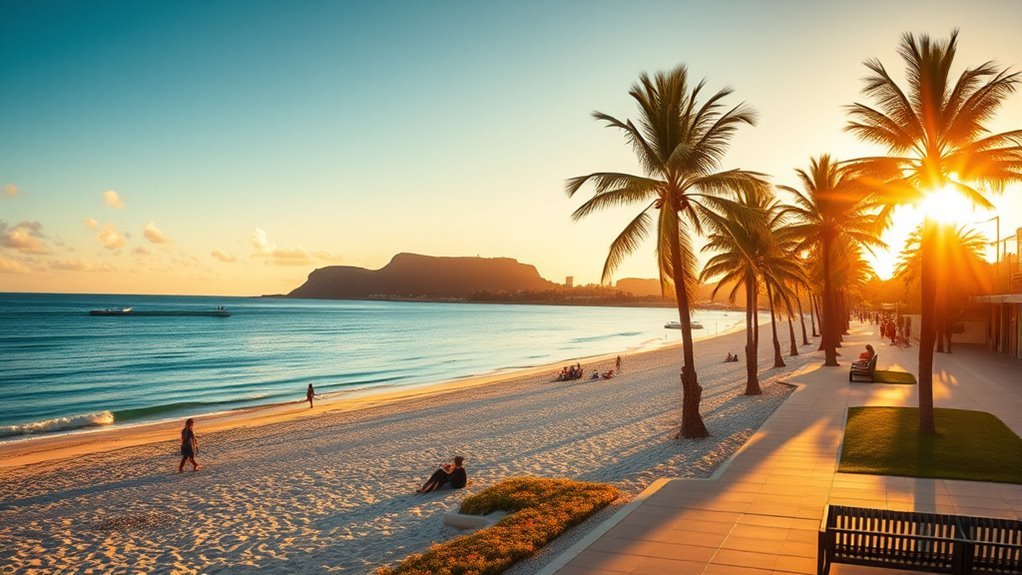
If you crave sun‑soaked beaches and lively festivals, plan for Townsville’s dry season (May–October); you’ll get clear skies and warm days for snorkeling or Castle Hill walks.
You’ll relish a sun‑seeker guide mindset: mornings spent freed from humidity, afternoons chasing reef vistas, evenings sampling waterfront music.
If you want solitude, target the shoulder months—late April or early November—when crowds thin and you can reclaim public spaces without sacrificing warmth.
For savings, consider the wet season’s lower rates and quieter hotels: brief tropical showers won’t stop you from finding hidden cafés or discounted reef tours if you’re adaptable.
Build a budget‑friendly itinerary that mixes free coastal walks, self‑guided urban art hunts, and one splurge boat trip.
You’ll travel with intention, choosing rhythm over rush, balancing weather, crowd levels, and costs.
That way you get Townsville on your terms—bright, unfolding, and uncomplicated.
Townsville Climate at a Glance : Temperatures, Rain and Cyclone Timing
Although Townsville basks in tropical warmth year-round, its seasonal contrasts — temps, rainfall and cyclone risk — shape what you’ll experience day to day.
You’ll find dry-season months (May–October) offer clear skies, cooler nights and daytime highs around 24–28°C, perfect for wandering freely without oppressive humidity.
The build-up and wet season (November–April) bring rising heat, sticky air and frequent downpours; daytime highs climb toward 30–33°C, and sudden tropical storms can wash out plans but also fuel lush green landscapes and lively agricultural festivals celebrating the rains’ arrival.
Cyclone risk peaks between January and March, so you’ll want to monitor forecasts and book flexible plans if visiting then.
Despite seasonal swings, marine wildlife remains abundant year-round — you can still glimpse turtles, dugongs and vibrant reef life in calmer windows.
Know the rhythm of temps, rain and cyclones, and you’ll choose timing that frees you to explore Townsville on your own bold terms.
Townsville Summer (Dec–Feb): Snorkelling, Islands and Crowd Cautions
With the wet season’s heat and sudden storms comes Townsville’s lively summer scene (Dec–Feb), when warm seas and sun‑drenched afternoons make snorkelling and island‑hopping irresistible.
You’ll feel free to plunge into clear shallows around Magnetic and Orpheus Islands, where vibrant coral and curious marine wildlife greet you.
Expect crowded ferries on sunny weekends and budget surges around tropical festivals, so plan early if you want space and savings.
You can embrace adventure while staying safe: pack reef‑safe sunscreen, watch weather updates, and choose early departures to avoid afternoon storms.
If you seek liberation, let the islands’ rhythms reset your pace—kayak quiet bays, picnic on white sand, or float above schools of fish.
- Go early morning for calmer water and fewer people.
- Book snorkel trips that prioritize reef etiquette and wildlife protection.
- Combine a festival visit with quieter island days to balance crowds and freedom.
Shoulder Seasons (Mar–May, Sep–Nov): Best Weather, Lower Prices
When you visit Townsville in the shoulder months (Mar–May, Sep–Nov), you’ll find warm, stable weather, gentler seas and far fewer tourists than in peak summer—making it ideal for outdoor adventures and better-value travel.
You’ll wake to clear mornings that invite barefoot strolls along Strand or bold swims around Magnetic Island without the oppressive heat or cyclonic risk of summer.
Prices for accommodation and tours dip, so you can stretch your budget toward guided reef trips, island day sails, or that boutique stay you’ve been craving.
Local festivals pop up in this window, offering music, food and art that let you plug into community life rather than just observe.
If you crave freedom, the shoulder seasons reward you with space to roam, roads to lesser-known beaches, and easier bookings for wild tourism experiences like kayaking with dolphins or secluded bush walks.
Pack light layers, grab early deals, and plan a relaxed itinerary to make the most of this liberating, value-packed time.
Winter (Jun–Aug): Hiking, Events and Trade‑Offs for Peak Season
In winter you’ll enjoy cooler, drier days that make hiking the nearby ranges far more pleasant and sweat‑free.
Keep in mind that major festivals and school holidays draw crowds, so accommodation and tours can fill up fast and cost more.
We’ll look at how to balance peak‑season events with quieter trails and smarter budgeting.
Cooler Hiking Conditions
Though winter in Townsville brings cooler, drier days, you’ll find hiking conditions especially pleasant from June to August — mornings are crisp, trails are less muggy, and visibility from ridgelines is often at its best for views of Magnetic Island and the Coral Sea.
You’ll relish the clarity and freedom to move fast without excessive sweat; traily trail tips like layering, sun protection, and early starts help you make the most of each day.
If you’re pushing higher elevations, consider altitude acclimatization strategies even though peaks are modest — pace yourself and hydrate.
Embrace the quieter paths and bold panoramas; winter’s restraint frees you to explore with purpose.
- Layer smart: cool mornings, warm afternoons
- Start early for best light and solitude
- Carry water and navigation tools
Event Crowds & Costs
Cooler, clearer trails make winter ideal for getting out and about, but the season also pulls bigger crowds for festivals, events, and holiday getaways — especially on weekends and school breaks. You’ll revel in fresh air and lively festival energy, but expect higher prices and fuller bookings. Plan ahead if you want freedom to roam: book tours early, seek budget accommodations outside CBD, and choose weekday hikes.
| What | Impact | Tip |
|---|---|---|
| Festivals | Larger crowds, sold‑out shows | Reserve tickets early |
| Events | Local markets, parades | Go off‑peak hours |
| Accommodation | Rates up | Consider hostels or guesthouses |
With intent, you’ll balance adventure and cost, claiming space without sacrificing experience.
When to Book and How to Save on Flights, Stays and Tours
Because flight prices and accommodation availability change quickly, you’ll get the best deals by booking strategically—aim to lock in flights about 6–12 weeks before peak season and 2–4 months for holiday periods, while snagging stays and tours earlier if you want specific dates or popular operators.
You can seize freedom by timing purchases: monitor fare alerts, hunt flash flight deals, and use loyalty points to reduce costs or upgrade. Be flexible with dates and airports, and choose refundable options if your plans might shift.
- Sign up for fare alerts and compare midweek departures to catch hidden savings.
- Redeem loyalty points for flights or bundled packages, and join local tour newsletters for exclusive discounts.
- Book smaller, independent operators early for best availability; use last‑minute apps for unsold tour spaces.
Travel like you own your time: invest attention where prices fluctuate and use rewards to amplify choice, not constrain it.
Frequently Asked Questions
Are There Any Local Festivals or Cultural Events Not Tied to Seasons?
Yes — you’ll find year-round local heritage celebrations and artistic markets showcasing Indigenous culture, crafts, live music and food; you’ll connect, celebrate freedom, support creators, and feel liberated by community storytelling and vibrant creative exchange.
How Accessible Is Townsville for Travelers With Mobility Impairments?
Like a wide-open door, you’ll find Townsville fairly accessible: you’ll use accessible transport, enjoy wheelchair‑friendly routes along the strand and reef fleet, find adapted accommodations, and local services ready to help you explore freely and confidently.
What Wildlife Encounters Should Visitors Prepare for Locally?
You’ll encounter colourful reef fish, nesting sea turtles, and occasional saltwater crocodiles; enjoy birdwatching spots along wetlands and islands, and expect marine mammal sightings like dugongs or dolphins—stay vigilant, respectful, and ready to protect their freedom.
Are There Recommended Day Trips Beyond Island Snorkeling?
Yes — you’ll love day trips to Magnetic Island’s forts, heritage walks and Historical tours in charming coastal towns, plus vibrant Art galleries in Townsville; you’ll feel liberated exploring culture, panoramic hikes, local cuisine and hidden coastal vistas.
What COVID-19 or Health Entry Requirements Apply Currently?
You’ll find no strict vaccination mandates now; entry protocols largely lifted, though you should check airlines and local venues. Stay updated, carry proof of vaccination and recent test results, and protect yourself with masks and common-sense caution.
Conclusion
Picture warm sea breeze on your face and golden afternoons that glow between seasons — visit Townsville in late April–May or Sept–Nov to enjoy 24–28°C days, clearer skies and thinner crowds. You’ll snag cheaper rooms, easier Magnetic Island snorkel slots and flexible tours if you book 6–12 weeks ahead. Choose the shoulder months for comfort and savings, keep plans refundable for cyclone surprises, and savor relaxed island sunsets without peak-season bustle.