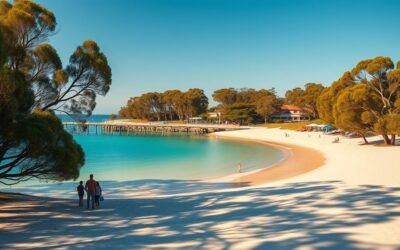
Determining the best time to visit Adelaide depends on whether you are seeking vibrant arts festivals, quiet vineyard tours, prime beach days, or off-peak travel savings. For most travelers, the sweet spot falls during the shoulder seasons of autumn (March to May) and spring (September to November). During these months, South Australia enjoys clear, sunny days, mild temperatures in the low-to-mid 20s Celsius, and manageable crowd levels across both the city center and neighboring wine regions.
Quick Answer
The overall best time to visit Adelaide is during autumn (March to May) for grape harvest season, stunning foliage in the Adelaide Hills, and mild weather. If you want world-class arts and culture, visit during February and March (“Mad March”) for the Adelaide Fringe and Festival. For rock-bottom accommodation rates, choose winter (June to August).
Key Takeaways
- Peak Festival Season: Late February through March brings the Adelaide Fringe, Adelaide Festival, and WOMADelaide, causing high hotel demand and premium pricing.
- Best Weather & Wine Touring: Autumn (March–May) and Spring (September–November) provide ideal temperatures (18°C–25°C) with low rainfall.
- Budget Travel Window: Winter (June–August) offers the cheapest flights and hotel rates, accompanied by cool, green landscapes and cozy cellar door fires.
- Summer Considerations: December to February brings hot, dry conditions exceeding 35°C (often passing 40°C), demanding bushfire awareness in regional areas.
Adelaide Seasonal Breakdown: Weather, Crowds, and Pricing
Adelaide has a Mediterranean climate marked by hot, dry summers and mild, relatively wet winters. However, regional microclimates play a significant role in your trip: the Adelaide Hills and Eden Valley run 4°C to 7°C cooler than the central business district (CBD), while the Barossa Valley experiences hotter summer afternoons and cooler winter nights.
Summer (December to February): Sun, Beaches, and High Heat
Summer in Adelaide brings long, bright days with average daily maximums ranging between 28°C and 32°C (82°F–90°F). Heatwaves are common, where northerly winds from the continental interior push temperatures above 40°C (104°F) for consecutive days. Because it is a dry heat with low relative humidity, it is generally more tolerable than tropical humidity, but sun protection is essential.
- Weather: Expect dry conditions, clear skies, and intense ultraviolet (UV) ratings. December and January experience minimal rain, making it ideal for coastal itineraries.
- Crowds: Domestic tourism surges from mid-December through January due to Australian school holidays. Coastal hubs like Glenelg, Brighton, and Semaphore see heavy foot traffic.
- Costs: Airfares and accommodation rates reach peak levels over Christmas, New Year’s, and major summer cricket fixtures at the Adelaide Oval.
- Top Activities: Swimming at Glenelg or Henley Beach, coastal dining, dolphin spotting cruises in Holdfast Bay, and escaping the midday heat in air-conditioned art galleries or the cooler elevations of the Adelaide Hills.
Warning: Summer corresponds with the peak South Australian bushfire danger season. If you plan to hike in Morialta Conservation Park, Belair National Park, or drive through the Adelaide Hills and Mount Lofty Ranges, monitor daily fire ratings via the South Australian Country Fire Service (CFS). National parks often close completely on days declared as Catastrophic Fire Danger.
Autumn (March to May): Grape Harvest and Golden Landscapes
Autumn is widely considered the premier season to experience Adelaide and its surrounding wine regions. Summer’s harsh heat tapers off into crisp mornings and warm, sun-drenched afternoons averaging 19°C to 26°C (66°F–79°F).
- Weather: Stable, comfortable temperatures with light winds. Rainfall remains low through March and April, beginning to increase gradually by late May as winter approaches.
- Crowds: March is exceptionally busy in the city center due to concurrent arts festivals. Once April arrives and school holidays conclude, tourist density drops significantly.
- Costs: Rates normalize to moderate shoulder-season levels starting in April, outside of the Easter holiday weekend.
- Top Activities: Exploring the Barossa Valley and McLaren Vale during the annual grape harvest (vintage), hiking through the vivid golden foliage of Mount Lofty Botanic Garden, and sampling world-class culinary pop-ups.
Pro Tip: If your priority is food and wine rather than performing arts, target mid-April to early May. The vineyards display rich amber colors, cellar doors are less chaotic after the main crush, and you will avoid the high accommodation surcharges of “Mad March.”
Winter (June to August): Cozy Cellar Doors and Budget Savings
While winter in South Australia is mild compared to North American or European standards, it represents Adelaide’s coolest and dampest period. Daytime highs hover around 15°C to 16°C (59°F–61°F), while overnight lows drop to 7°C to 8°C (45°F–46°F) in the CBD and lower in the Hills.
- Weather: Crisp, overcast days interspersed with clear winter sun and passing showers. June is historically the wettest month of the year according to data from the Australian Bureau of Meteorology.
- Crowds: Lowest visitor numbers of the year, providing uncrowded museums, easy restaurant walk-ins, and serene walking trails.
- Costs: The cheapest season for flights, regional car rentals, and luxury hotel rooms.
- Top Activities: Visiting the Adelaide Central Market for seasonal produce, touring the Art Gallery of South Australia (AGSA), sitting by open log fires in Clare Valley and Adelaide Hills cellar doors, and taking coastal drives to Victor Harbor for whale watching.
Spring (September to November): Wildflowers and Blooming Valleys
Spring is an energetic shoulder season when Adelaide’s extensive parklands and botanic gardens burst into bloom. Average temperatures climb steadily from 17°C (63°F) in September to 25°C (77°F) by November.
- Weather: Refreshing breezes, lengthening daylight hours, and declining rainfall. November provides early summer warmth without extreme heat spikes.
- Crowds: Moderate. Visitor numbers increase during the October school holidays and major springtime sports events, but remain well below summer peaks.
- Costs: Reasonable shoulder pricing on accommodation and vehicle rentals, making it a compelling option for road trips.
- Top Activities: Walking along the River Torrens / Karrawirra Parri, cycling through the parklands, exploring open gardens in the Adelaide Hills, and enjoying alfresco dining along Peel Street and Leigh Street.
Note: Spring brings high pollen counts across Adelaide’s surrounding plains and agricultural zones. Travelers sensitive to hay fever or seasonal allergies should pack antihistamines when touring regional gardens and vineyards.
Adelaide Monthly Climate & Travel Matrix
| Month | Avg High / Low (°C) | Avg High / Low (°F) | Rainfall (mm) | Season / Crowd Level | Overall Rating |
|---|---|---|---|---|---|
| January | 29.5°C / 17.2°C | 85°F / 63°F | 19 mm | Peak (School Holidays) | Great for Beaches |
| February | 29.6°C / 17.2°C | 85°F / 63°F | 15 mm | High (Fringe Starts) | Hot & Eventful |
| March | 26.6°C / 15.3°C | 80°F / 60°F | 24 mm | Peak (“Mad March”) | Best for Arts & Festivals |
| April | 22.7°C / 12.5°C | 73°F / 55°F | 38 mm | Shoulder | Ideal All-Round |
| May | 19.0°C / 10.2°C | 66°F / 50°F | 61 mm | Shoulder / Low | Autumn Wine Touring |
| June | 16.1°C / 8.1°C | 61°F / 47°F | 72 mm | Low (Off-Peak) | Budget Travel |
| July | 15.4°C / 7.6°C | 60°F / 46°F | 66 mm | Low (Off-Peak) | Indoor Dining & Culture |
| August | 16.6°C / 8.2°C | 62°F / 47°F | 60 mm | Low | Quiet Touring & Whales |
| September | 19.0°C / 9.7°C | 66°F / 49°F | 51 mm | Shoulder | Nature & Wildflowers |
| October | 21.8°C / 11.5°C | 71°F / 53°F | 42 mm | Shoulder | Outdoor Sightseeing |
| November | 25.2°C / 14.0°C | 77°F / 57°F | 30 mm | Moderate | Warm Weather Touring |
| December | 27.4°C / 15.6°C | 81°F / 60°F | 26 mm | Peak (Holiday Period) | Summer Festivities |
Adelaide’s Major Events and Festivals (“Mad March”)
Adelaide is widely recognized as Australia’s festival state capital. The city’s cultural calendar concentrates heavily in late summer and early autumn, transforming the parklands and urban squares into open-air entertainment hubs.

February to March: Adelaide Fringe
The Adelaide Fringe is the Southern Hemisphere’s largest open-access arts festival. For 31 days from mid-February through late March, the event hosts thousands of independent artists across comedy, cabaret, theater, circus, and music. Venues span purpose-built pop-up hubs like The Garden of Unearthly Delights and Gluttony in Rymill Park to local suburban pubs.
- Impact: CBD foot traffic peaks, outdoor dining precincts stay energized late into the evening, and city hotels frequently reach 90%+ occupancy on weekends.
- Travel Advice: Reserve city accommodations at least 4 to 6 months in advance if visiting during this window.
March: Adelaide Festival & Adelaide Writers’ Week
Running concurrently with the Fringe, the curated Adelaide Festival features world-class opera, orchestral performances, contemporary dance, and visual arts installations. Adelaide Writers’ Week, set under the plane trees of the Pioneer Women’s Memorial Garden, is one of the world’s premier open literary gatherings.
March: WOMADelaide
Held over a four-day long weekend in March across Adelaide’s Botanic Park / Tainmuntilla, WOMADelaide celebrates world music, arts, and dance. It attracts an international roster of performers and a welcoming, family-friendly audience.
“March is not merely a busy month in Adelaide; it is a full civic transformation known locally as ‘Mad March,’ when the parklands host simultaneous international arts, comedy, and music festivals.”
Other Key Events Across the Year
- Santos Tour Down Under (January): The UCI WorldTour cycling opener, drawing cycling enthusiasts across the city, Adelaide Hills, and Fleurieu Peninsula.
- Tasting Australia (April/May): South Australia’s premier culinary festival showcasing regional produce, world-renowned chefs, and exclusive winery masterclasses.
- Illuminate Adelaide (July): A major winter festival featuring large-scale light installations, projection art, and international electronic music events.
- OzAsia Festival (October/November): Australia’s leading contemporary Asian performance and cultural arts festival, highlighted by the Moon Lantern Trail and Lucky Dumpling Market along the riverbank.
- National Pharmacies Christmas Pageant (November): The world’s largest single-day parade, marking the start of the holiday season and attracting hundreds of thousands of spectators to the CBD.
Crowds: When to Avoid Peak Times
If you prefer quiet sightseeing, simpler restaurant bookings, and lower accommodation rates, plan around these high-density travel periods.

Australian School Holiday Calendar
Travel volume across South Australian national parks, coastal reserves, and Kangaroo Island peaks during domestic school holidays:
- Summer Break (Mid-December to Late January): Maximum demand for coastal holiday rentals, caravan parks, and family attractions.
- Autumn Break (Mid to Late April): Popular for family camping and road trips; coincides with Easter and Anzac Day holiday weekends.
- Winter Break (Early to Mid-July): High demand for indoor cultural centers, museums, and regional family getaways.
- Spring Break (Late September to Early October): Peak season for nature walking trails and wildlife sanctuaries.
Long Weekends and Public Holidays
Adelaide accommodations fill quickly during the March Adelaide Cup long weekend, the four-day Easter weekend, the King’s Birthday weekend in June, and the Labour Day holiday in early October. Regional regions like the Yorke Peninsula and Kangaroo Island require ferry and hotel reservations months ahead for these dates.
Costs: Optimizing Your Travel Budget
Budgeting for Adelaide involves seasonal fluctuations driven by festival timing and holiday breaks.
Flight Pricing Trends
- Cheapest: May through August (excluding July school holidays). Mid-week flights (Tuesday and Wednesday departures) between eastern capitals (Sydney/Melbourne) and Adelaide offer the lowest fares.
- Most Expensive: Mid-December to late January, as well as weekends throughout March during festival season.
Accommodation Strategies
- Budget Travel Window: June to August delivers off-peak hotel rates across North Terrace and the CBD, with room discounts often reaching 30% to 40% below summer highs.
- Peak Pricing Windows: Hotel rates surge during February/March festival weekends and major sporting events at Adelaide Oval (AFL Gather Round in April, international cricket in summer).
Car Rental & Regional Transport
- Car Rentals: Daily rates are lowest in winter. Booking early is essential if you require an SUV or passenger van for regional wine touring in the Clare Valley or Flinders Ranges.
- Public Transit Savings: Adelaide’s CBD features free transport options, including the Free City Connector bus network and free tram travel within the central grid between the South Terrace stop, the Entertainment Centre, and the Botanic Gardens.
Specific Interests: Tailoring Your Visit
Selecting the best time to visit Adelaide depends directly on the primary activities planned for your trip.
Wine Tasting & Vineyard Touring
- Autumn (March to May): The absolute best time for wine enthusiasts. Grapes are harvested and crushed, wineries host special cellar door events, and the vine canopies turn vibrant yellow and red across the Barossa, McLaren Vale, and Clare Valley.
- Spring (September to November): Excellent for lush green vineyard landscapes, budburst, and relaxed tastings without harvest crowds.
Beach Days & Water Activities
- Summer (December to February): Ideal for swimming, paddleboarding, and jetty strolls at Glenelg, Henley, Brighton, and Port Willunga. Water temperatures peak around 21°C to 22°C (70°F–72°F).
- Early Autumn (March): Ocean temperatures remain comfortable while air temperatures are slightly milder, offering pleasant, less crowded beach afternoons.
Hiking, Cycling & Nature
- Autumn & Spring (April–May & September–October): Prime conditions for hiking the Heysen Trail, exploring Deep Creek Conservation Park, or cycling the Riesling Trail in the Clare Valley. Daytime temperatures remain cool enough for active exertion without summer heat risks.
- Winter (June to August): Ideal for whale watching along Encounter Bay (Victor Harbor), where southern right whales calve between May and October.
Arts, Comedy & Culture
- Late February to March: The premier window to experience Adelaide at its most vibrant, featuring the Fringe, Adelaide Festival, and open-air garden venues.
Getting Around Adelaide
Adelaide’s grid layout makes navigating the central city straightforward on foot or by public transport.
- Free CBD Transit: Take advantage of the free tram zone operating within the city center and the free 98A/98C and 99A/99C City Connector buses linking the CBD with North Adelaide.
- Glenelg Tram: Runs directly from the city center to Glenelg Beach in roughly 35 minutes. Summer weekends see full trams, so traveling mid-morning helps avoid peak crowds.
- Regional Driving: Renting a car is recommended for reaching the Barossa Valley (70 minutes north), McLaren Vale (45 minutes south), or the Adelaide Hills (25 minutes east). Vehicles should have reliable air conditioning during summer months.
The Takeaway
For the optimal balance of mild weather, vibrant scenery, and comfortable touring conditions, March through May (autumn) and September through November (spring) represent the best times to visit Adelaide. If you want to experience Australia’s most electric arts scene, brave the crowds and visit during “Mad March.” If you are traveling on a strict budget, embrace the quiet charm of a winter getaway, taking advantage of lower room rates, cozy vineyard fireplaces, and uncrowded galleries.
Frequently Asked Questions
What is the best month to visit Adelaide for good weather?
March, April, October, and November offer the most comfortable weather in Adelaide. During these months, average daily highs range from 21°C to 26°C (70°F–79°F) with minimal rainfall, avoiding both the extreme 40°C heatwaves of summer and the cooler, wetter days of mid-winter.
When is the peak tourist season in Adelaide?
Peak tourist season occurs in summer (December to January) during the Australian school holidays and extends throughout February and March (“Mad March”) during the Adelaide Fringe and Festival. During these periods, hotel occupancy is high and advance bookings for dining and accommodation are essential.
When is the cheapest time to visit Adelaide?
The off-peak season of winter (June to August) is the cheapest time to visit Adelaide. Cooler temperatures and occasional rain lower tourist volume, resulting in discounted hotel rates, cheaper domestic flights, and competitive car rental pricing.
How many days should you spend in Adelaide?
A stay of 4 to 5 days is ideal to explore Adelaide’s city center, cultural institutions, and central market, while leaving ample time for dedicated day trips to the Barossa Valley or McLaren Vale wine regions and the historic towns of the Adelaide Hills.
Is Adelaide safe to visit during the summer bushfire season?
Yes, Adelaide is very safe, but travelers venturing into regional areas like the Adelaide Hills, Barossa, or Fleurieu Peninsula between November and April should stay informed. Download the SA Country Fire Service (CFS) alert app and check daily fire danger ratings before visiting regional parks and trails.
Sources
- Australian Bureau of Meteorology (BOM) — Adelaide Climate Statistics & Monthly Averages
- South Australian Tourism Commission (SATC) — Official Visitor Guide & Regional Travel Guidelines
- Adelaide Fringe Official — Festival Scheduling & Box Office Statistics
- South Australian Country Fire Service (CFS) — Bushfire Danger Season & Fire Ban Updates
- Tasting Australia — Program Dates & Regional Event Details