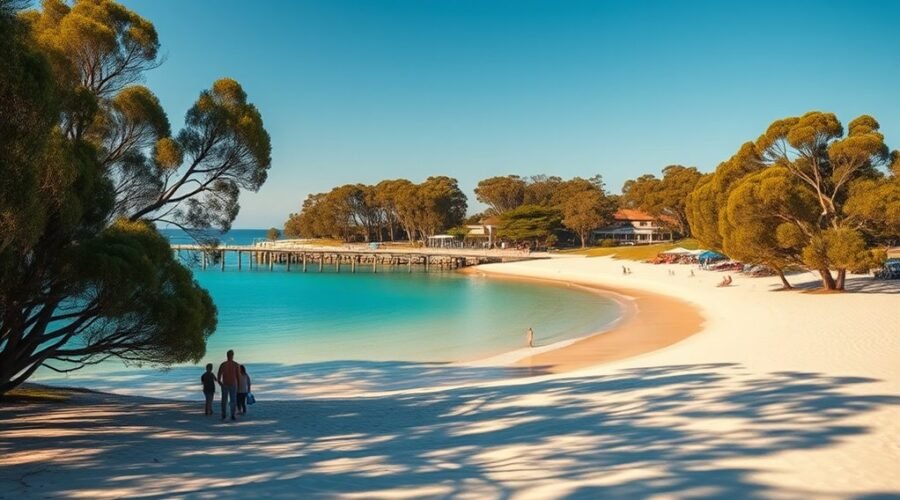
If you’re weighing when to visit Huskisson, think late autumn to early winter (May–July): mild, pleasant days, calmer seas for snorkeling, and the start of whale‑watching, with crowds thinner and prices 20–30% lower than summer. Morning strolls and weekdays cut foot traffic further, and you’ll usually get sunshine between brief showers. Here’s how the seasons, activities, and booking tips stack up so you can plan the trip that fits your priorities.
Key Takeaways
- Visit Dec–Feb for hot swim‑ready waters, festivals, and late sunsets, but expect peak crowds and highest prices.
- Choose late May–early Aug for lowest accommodation and tour rates, quieter streets, and cooler, choppier seas.
- Opt for Sep–Nov or Mar–May for mild weather, fewer tourists, and balanced pricing with good outdoor activities.
- Winter (Jun–Aug) is best for whale‑watching, birding, and lower costs, though water is cooler and rain fronts increase.
- Plan weekdays and early mornings to avoid crowds, book 4–8 weeks ahead for mid‑season deals, and check tide charts for activities.
Best Time to Visit Huskisson : Quick Picks by Traveler Goal
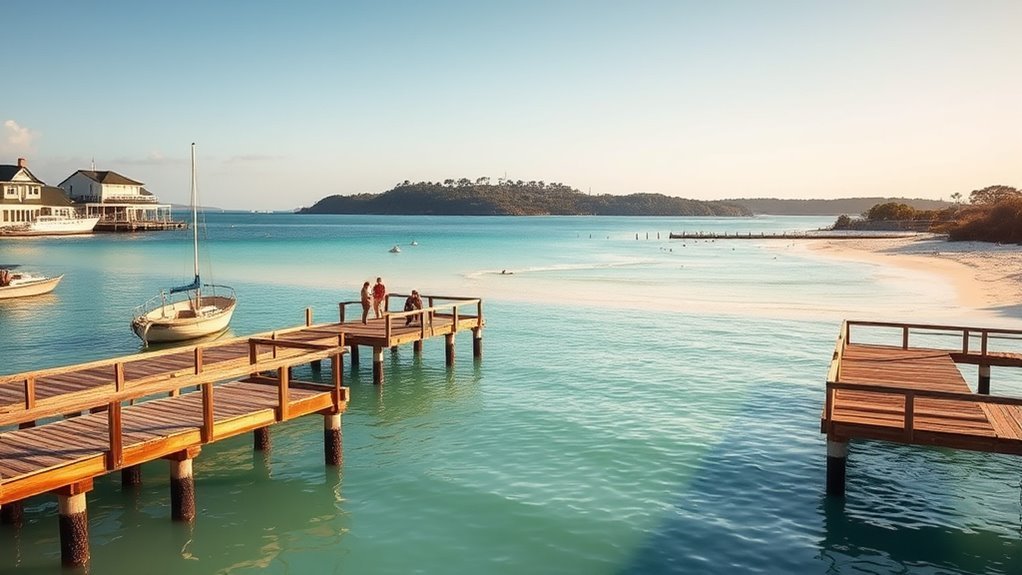
If you’re chasing warm water and lively beach vibes, visit Huskisson in summer (December–February); for whale watching and calmer crowds, aim for late autumn to early winter (May–July); and if you want lower prices, mild weather, and great walking conditions, spring (September–November) is your sweet spot.
You’ll pick your season by what frees you: surfers and sun‑seekers find pulse and people; wildlife lovers trade heat for migrating whales and quieter bays.
Budget‑conscious travelers tap into cultural heritage trails, staying in simple guesthouses and sampling local markets.
Culture hunters explore maritime museums and Aboriginal sites, letting stories loosen routine.
If you crave green escapes, book eco‑tours that put you close to dolphins, mangroves, and nocturnal birds without harming habitats.
Pack light, move slow, and choose timing that matches your urge to roam or to rest.
Huskisson rewards those who prioritize experience over itinerary, so plan around your need to feel unbound.
Huskisson Weather by Season : Temps, Rain, and Water Conditions
Because Huskisson sits on Jervis Bay and feels both ocean and temperate influences, you’ll notice distinct seasonal shifts: summers bring hot, humid days and warm, swim-ready waters; autumn cools the air and calms the seas for clearer snorkeling and early whale sightings; winters are mild with cooler water temperatures and increased rain fronts that can stir choppier bays; and springs offer steady sunshine, warming waters, and light showers that green the hinterland.
You’ll plan by temps and rhythms: summer highs often hit mid-20s–low 30s°C with a high UV index, so pack reef-safe sunscreen and seek shade during peak hours.
Autumn and spring sit comfortably in the high teens to mid-20s°C, ideal for liberated exploration of beaches and bush.
Winter brings lows around 8–12°C and cooler seas, so wetsuits or layered gear help you keep moving.
Pay attention to tide patterns around the bay—low tides reveal rock pools and high tides enable kayak and dolphin encounters.
Rain is sporadic but seasonal; check forecasts and embrace the fresh, salt-scented air.
Crowds & Prices by Month : When to Book and How to Save
If you visit in summer you’ll find Huskisson humming with beachgoers and higher prices for accommodation and tours.
Book well in advance for holidays and weekends to lock in rooms and whale-watching spots.
Or travel in shoulder months for quieter streets, lower rates, and easier parking.
Peak Season Crowds
When summer rolls in and school holidays kick off, Huskisson fills fast with beachgoers, whale-watchers, and day-trippers hunting clear-water snorkel spots and busy cafés, so you’ll see prices and crowds spike from December through January. You’ll queue for ferry rides and local cuisine, feel localultural trends pulse in markets and bars, and find popular walks packed at sunrise. Move with intent: book tours early, pick weekday mornings, and embrace slower pockets—hidden coves, quiet galleries, late-afternoon swims. Travel like you’re claiming freedom: choose timing that lets you breathe.
| Peak Days | Typical Crowding |
|---|---|
| Weekends & holidays | High |
| Weekdays (Dec–Jan) | Moderate |
| Early mornings | Low |
Off-Peak Savings
Though winter and the shoulder months quiet the town, you’ll find the best savings and space from late May through early August, when accommodation and tour operators drop rates and beaches feel like your own.
You can travel light, unshackled by crowds, and follow budget trends that favor mid-week stays and flexible dates.
Book smaller operators directly, time ferry rides off-peak, and choose simple stays that free up cash for experiences.
Embrace budget friendly options without giving up the wildness of Jervis Bay.
- Book 4–8 weeks ahead for best mid-season deals.
- Pick weekdays and you’re rewarded with lower rates.
- Bundle tours and lodging to release discounts.
- Use local hosts for authentic, affordable experiences.
Plan boldly and travel liberated.
Summer (Dec–Feb): Festivals, Warm Water, and Peak Crowds
Because summer brings long, sun-soaked days, Huskisson hums with festivals, warm-water swimming, and busy beaches that pull both locals and tourists into the heady pulse of the town.
Summer spills sunlit days over Huskisson — festivals, warm bays, busy beaches pulsing with locals and visitors alike.
You’ll find a festival can pop up on any weekend — seafood fairs, live music and film nights that invite you to shed routine and move freely among smiling crowds.
The water’s warm and forgiving; you’ll slip into clear bays, swim with ease, or join surf lessons that teach you to read the swell and ride a liberating line.
Cafés spill onto sidewalks, markets glow with handmade goods, and sunset drinks feel like a collective exhale.
Expect higher prices and limited accommodation, but also spontaneous moments: impromptu beach bonfires, late-night street performances, and friendships struck under string lights.
If you crave heat, noise, and a sense of release, summer delivers Huskisson at full volume.
Shoulder Seasons (Mar–May, Sep–Nov): Milder Weather and Fewer Tourists
Come spring or autumn, you’ll find Huskisson wrapped in mild, pleasant temperatures that make exploring effortless.
With fewer tourists, beaches and cafés feel relaxed and more genuine.
It’s the sweet spot if you want comfort without the summer crowds.
Milder, Comfortable Temperatures
If you time your trip for March–May or September–November, you’ll find Huskisson pleasantly mild—warm days, cool evenings and far fewer tourists than in peak summer.
You’ll wake to sunlight that invites barefoot walks and evenings that beg layered sweaters and stargazing.
The air feels like a release; you move freer, plan bolder, linger longer at cafes and coves.
Local cultural festivals pulse with intimate energy, and wildlife migrations grace the coast without crowds.
- Daytime highs that coax you outdoors without sweat.
- Evenings cool enough for bonfires and quiet reflection.
- Fewer heat-driven closures—more choices, more spontaneity.
- Clearer skies for kayaking, beach walks, and open-air freedom.
Lower Tourist Numbers
With milder days coaxing you outdoors, the shoulder seasons also bring noticeably fewer visitors—so you’ll find beaches, cafes, and walking trails largely to yourself.
You can roam without schedules, claim a quiet stretch of sand, and move through galleries and markets with easy breath.
Local cafes serve seasonal local cuisine without queues, and you’ll snag a table overlooking the water as the light shifts.
Fewer crowds mean bolder choices: spontaneous boat trips, sunset walks, and participation in low-key cultural festivals where artists and locals mingle.
That intimacy sharpens your senses and loosens routine; you feel freer to wander, taste, and listen.
In Huskisson’s shoulder months, solitude becomes a deliberate gift you can accept and shape.
Winter (Jun–Aug): Quieter Beaches and Lower Costs
Ever wondered what Huskisson feels like when the summer crowds have left? You’ll find a quieter coastline where wind and light reshape the beaches, and you move through space with more ease.
Winter wildlife becomes visible in sheltered coves and along headlands; you can watch bird flocks wheel as you sip a hot brew and plan your day.
Local cuisine leans on hearty seafood stews and warming pies at cozy eateries, inviting you to linger and reclaim time.
- Lower prices on accommodation and relaxed booking rules.
- Fewer people on promenades, more room to breathe and wander.
- Crisp, clear days perfect for reflective walks and photography.
- Intimate evenings at cafes and bars, conversations unhurried.
You’ll save money, feel liberated from peak-season rush, and discover a Huskisson that’s calmer, kinder, and easier to move through—where each moment feels deliberately yours.
Activities in Huskisson by Season : Swimming, Diving, Whale-Watching, Festivals
After the hush of winter, Huskisson wakes into a season of action where the water and sky become a calendar of possibilities you can plan around.
Summer invites you to swim warm, clear waters at Hyams and Honeymoon Bay; you’ll slip into buoyant freedom, then dry off with a cold drink while scanning nightlife options that pulse softly after sunset.
Autumn keeps diving conditions calm—Jervis Bay’s reefs reveal playful fish and tranquil kelp forests; you’ll move through submerged light like someone shedding limits.
Winter’s whale-watching season lets you stand on cliffs or board a small vessel and feel your chest open as humpbacks pass; it’s a ritual of release.
Spring bursts into festivals—seafood feasts, art markets, live music—that blend beach time with revelry and local cuisine that tastes of salt and sun.
Each season hands you a different key: choose the one that releases the version of freedom you crave.
Huskisson Planning Checklist : Where to Stay, Getting There, and What to Pack
If you’re aiming for a smooth Huskisson trip, start by locking in where you’ll sleep, how you’ll arrive, and the few essentials you’ll pack so nothing slows you down.
Choose stays that match your freedom — waterfront cottages, minimalist hostels, or pet friendly accommodations if you bring a companion.
Scout local transport options: summer buses, bike rentals, and occasional shuttles from Nowra.
Book early for whale season and festivals to avoid crowd-driven price spikes.
Plan light, purposeful gear that keeps you mobile and curious.
Protect your skin, pack reef-safe sunscreen, a compact snorkel set, and a rain shell.
Bring a reusable bottle and a daypack that doubles as a beach bag.
Keep digital copies of reservations and a small cash buffer for markets.
- Reserve accommodation and any pet permits early.
- Confirm transport schedules and parking.
- Pack versatile layers and reef-safe essentials.
- Save space for spontaneous local finds and liberation.
Frequently Asked Questions
What Wildlife Regulations Should I Know for Jervis Bay Marine Parks?
You must follow protected-species rules, stick to catch limits, and obtain required marine permits for commercial or research activities; don’t disturb wildlife, keep distance, report injuries, and respect seasonal closures to preserve freedom of the sea for all.
Are There Pet-Friendly Beaches or Accommodations in Huskisson?
Yes — you’ll find pet friendly rentals and dog-friendly beaches in Huskisson; some spots welcome off-leash freedom, while leash required zones protect wildlife. You’ll savor open sand and liberated walks with responsible, respectful pets.
How Accessible Is Huskisson for Travelers With Mobility Impairments?
Like a friendly lighthouse, Huskisson’s town center offers accessible pathways and wheelchair ramps to beaches, ferries, and shops; you’ll find accessible toilets, some accessible accommodation, and local groups ready to support your independent exploration.
Where Can I Rent Diving and Snorkeling Equipment Locally?
You can rent diving and snorkeling equipment at local dive shops along Huskisson Wharf and Owen Street; they offer snorkeling rentals, guided trips, adaptive gear, expert briefings, and liberating, supportive service so you’ll explore Jervis Bay confidently.
What Are the Nearest Medical Facilities and Emergency Services?
You’ll find nearby medical centers in Huskisson for primary care and a larger hospital in Nowra; ambulance stations serve the Shoalhaven region, so you’re covered for urgent transfers and emergency response when you need swift, empowering help.
Conclusion
Think of Huskisson as a tide: visit at the shoulder and you’ll catch the calm, shimmering hours when wildlife surfaces, crowds retreat, and prices dip like a receding wave. Go in summer and you’ll ride the high swell of festivals and warmth; arrive in winter and you’ll explore quiet coves with pocketed savings. Plan like a seasoned sailor—time your departure for the gentle pull of May–July, when weather, cost, and calm line up perfectly.