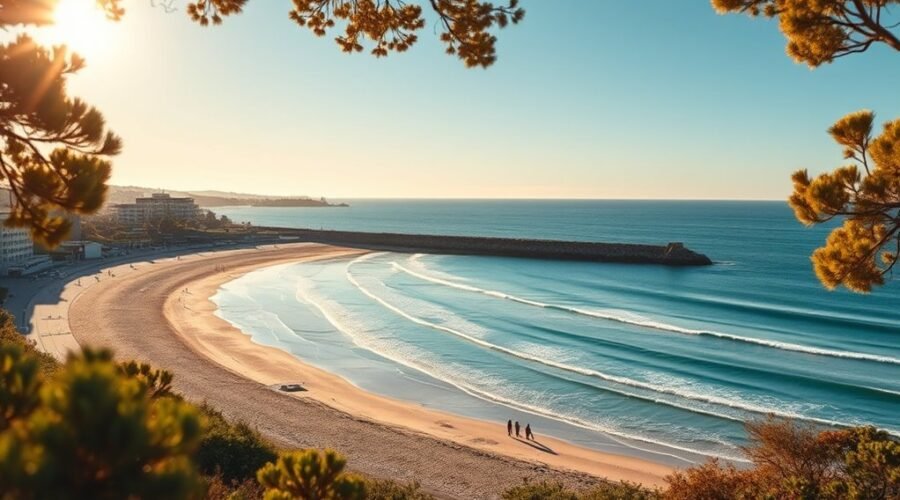
Like a well-timed tide revealing a hidden rockpool, choosing the right time to visit Newcastle, New South Wales, can change your whole trip. Warm summer days are ideal for beach lovers, while spring and autumn offer comfortable weather for coastal walks, cafés, markets and sightseeing. Winter brings quieter beaches and the chance to watch migrating whales. The best dates depend on whether you’re chasing surf, sunshine, solitude or savings.
Quick Answer
The best time to visit Newcastle, NSW, is generally September–November or March–May for comfortable sightseeing weather and fewer peak-summer crowds. Visit December–February for warmer swimming conditions, or May–November for whale watching. June–August suits travellers who prefer cooler coastal walks and quieter beaches. Check school holidays and major events before booking.
Key Takeaways
Key Takeaways
- Best overall months: September–November and March–May for coastal walks, sightseeing and comfortable temperatures.
- Best beach season: December–February, when the weather and water are generally warmer.
- Best whale-watching window: Approximately May–November, with sightings dependent on migration and sea conditions.
- Quieter travel: Consider winter weekdays and dates outside school holidays or major events.
- Surfing: Check current swell, wind and tide conditions rather than choosing dates by season alone.
- Booking: Compare accommodation early for summer holidays, Easter, major festivals and popular weekends.
How to Choose the Best Time to Visit Newcastle
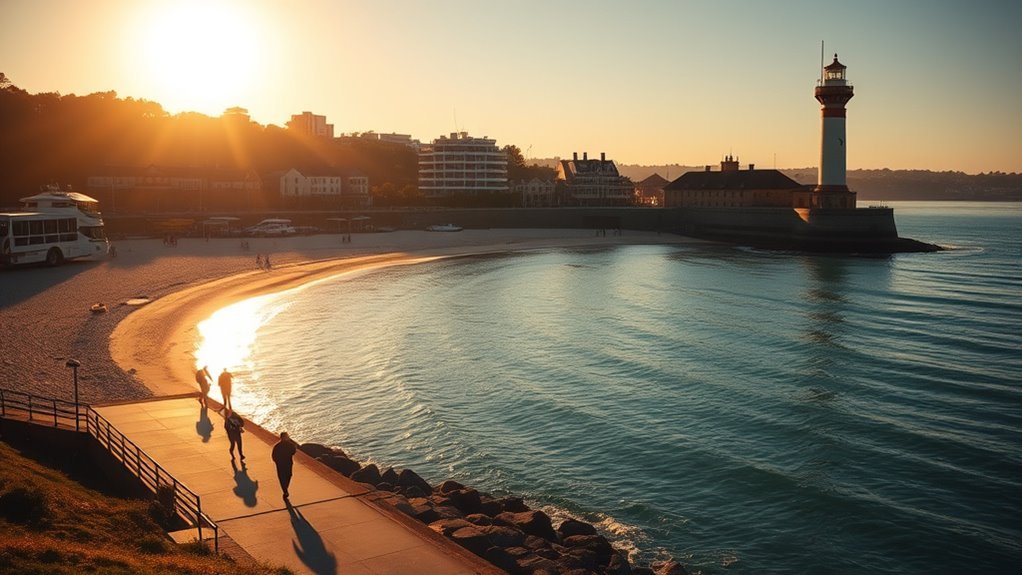
Start by deciding what you want from your Newcastle trip. Surfing at Merewether, exploring Hunter Street cafés and enjoying a waterfront festival each call for slightly different timing.
If swimming and long beach days are your priorities, summer is the natural choice. If you’d rather explore the city’s history, galleries and coastal paths without the hottest weather, consider spring or autumn.
Winter works well for travellers who enjoy cooler walks, quieter neighbourhoods and the possibility of seeing migrating whales.
Newcastle also makes a useful base for exploring the Hunter Valley and nearby coastal destinations. Mild spring and autumn days are convenient for combining city sightseeing with regional day trips.
Think about the following before choosing your dates:
- Weather: Summer is warmer, winter is cooler, and spring and autumn offer changing conditions.
- Activities: Swimming, surfing, walking and whale watching have different seasonal considerations.
- Budget: Compare actual hotel rates rather than assuming every off-season date is cheaper.
- Events: Festivals, concerts, sporting events and school holidays can increase demand.
- Transport: Staying close to the light rail corridor can make sightseeing easier without a car.
Bring layers throughout the year because coastal breezes can make conditions feel cooler than the forecast suggests.
For a relaxed visit, leave some time unplanned. Newcastle’s beaches, historic streets, waterfront restaurants and creative neighbourhoods reward wandering.
Best Months for Weather, Crowds and Price in Newcastle
For warm weather and beach activity, choose November–March. For comfortable sightseeing and a chance of avoiding peak-summer demand, consider March–May or September–November.
June–August can suit travellers who enjoy cooler days and quiet coastal scenery. However, accommodation prices depend on your exact dates, and some weekends may still be busy.
| Travel priority | Suggested months | What to expect |
|---|---|---|
| Overall sightseeing | September–November or March–May | Comfortable walking weather and seasonal variety. |
| Warm beach days | December–February | Warmer temperatures and greater holiday activity. |
| Swimming with fewer peak-summer crowds | March–April | Autumn conditions with water that may retain summer warmth. |
| Whale watching | May–November | Seasonal humpback migration along the coast. |
| Quiet coastal walks | June–August | Cooler weather and generally less beach activity. |
| Festivals and cultural events | Throughout the year | Check individual event dates before booking. |
Best Weather Months
Spring and autumn are useful choices if you want to spend full days outdoors without relying on summer heat.
September and October are particularly pleasant for walking when conditions are dry, while November brings warmer weather as summer approaches.
March and April offer a different experience. The land gradually cools after summer, but the ocean can remain relatively warm. May is cooler and better suited to walking than guaranteed comfortable swimming.
Rain remains possible in every season. Historical climate averages are useful for planning, but they cannot predict the weather during your particular trip.
Peak Crowd Periods
Newcastle’s beaches and waterfront restaurants are especially popular during summer weekends and the Christmas–January holiday period.
Easter, school holidays, major sporting events and festivals can also increase demand outside summer.
| Period | Typical crowd pattern | Planning advice |
|---|---|---|
| December–January | Busy holiday period. | Compare accommodation and reserve popular activities early. |
| February–March | Often less holiday pressure after schools resume. | Check event dates, including surfing competitions. |
| Easter | Long-weekend and school-holiday demand. | Book accommodation and popular restaurants in advance. |
| June–August | Generally quieter beach activity. | Look for flexible midweek accommodation options. |
| September–November | Variable, with spring holidays and festivals. | Compare individual dates rather than assuming the entire season is quiet. |
Pro Tip: If your dates are flexible, compare a Tuesday–Thursday stay with nearby weekends. Also check the official NSW school calendar before booking.
Season Snapshot: Summer, Autumn, Winter and Spring in Newcastle
Newcastle has four distinct seasons, each offering a different coastal experience.
Summer: December–February
Summer brings the warmest weather, long daylight hours and lively beaches.
Start your day with a swim at Nobbys Beach or a walk along the coastline. In the afternoon, explore Hunter Street, Darby Street or the Honeysuckle waterfront.
Summer is also a popular time for surf lessons, outdoor dining and waterfront events.
Expect competition for convenient parking and popular accommodation during holiday periods.
Plan beach time for the morning or later afternoon when possible, and carry drinking water, sunscreen and a hat.
If you’re travelling with children, choose a patrolled beach and ask lifeguards about current conditions.
Autumn: March–May
Autumn brings gradually cooler conditions and can be an excellent time to combine beach visits with city sightseeing.
March and April are useful months for coastal walks, cafés, galleries and day trips to the Hunter Valley.
The ocean may remain relatively warm after summer, although actual water conditions vary.
Rainfall is an important consideration: Newcastle’s historical averages show that several autumn months receive more rain than the spring months.
Bring a light waterproof jacket and keep an indoor activity available for wet days.
Winter: June–August
Looking for a quieter escape? Winter gives Newcastle a slower coastal rhythm.
Cool ocean breezes, less beach activity and comfortable cafés make it a good season for travellers who enjoy walking and sightseeing.
Winter also falls within the whale migration period. On a clear day, you may spot humpback whales from the city’s coastal lookouts.
Accommodation deals may be available, particularly outside school holidays and major events, but prices should be checked for your chosen dates.
| Winter activity | Why consider it? | Practical tip |
|---|---|---|
| Coastal walking | Cooler temperatures for longer walks. | Carry a windproof layer. |
| Whale watching | Seasonal humpback migration. | Bring binoculars and check sea conditions. |
| Galleries and museums | Useful options when the weather changes. | Check opening days before visiting. |
| Hunter Valley day trip | Food, wine and countryside experiences. | Compare weekday tours and transport options. |
Spring: September–November
Spring is one of the most versatile times to visit Newcastle.
Temperatures rise through the season, making it easier to combine coastal walks, markets, outdoor dining and sightseeing.
September can still feel cool near the water, while November is generally warmer.
Spring is not automatically crowd-free. NSW school holidays and major cultural events can increase accommodation demand.
Pack layers and check the weather before planning a full day outdoors.
Monthly Weather: Temperature, Rain, Wind and Daylight
Newcastle has a coastal climate with warm summers and relatively mild winters.
The following figures are historical averages from the Australian Bureau of Meteorology’s Newcastle Nobbys Signal Station. They are planning guides, not forecasts for your travel dates.
| Month | Average high | Average low | Average rainfall |
|---|---|---|---|
| January | 25.6°C | 19.3°C | 88.6 mm |
| February | 25.4°C | 19.4°C | 106.6 mm |
| March | 24.8°C | 18.4°C | 119.2 mm |
| April | 22.8°C | 15.4°C | 116.5 mm |
| May | 20.1°C | 12.0°C | 115.8 mm |
| June | 17.5°C | 9.8°C | 117.3 mm |
| July | 16.8°C | 8.5°C | 92.8 mm |
| August | 18.1°C | 9.3°C | 73.3 mm |
| September | 20.3°C | 11.6°C | 71.2 mm |
| October | 22.2°C | 14.1°C | 72.8 mm |
| November | 23.6°C | 16.2°C | 71.2 mm |
| December | 24.9°C | 18.1°C | 78.2 mm |
What the figures mean: January and February are generally warm, while July is the coolest month by these averages. Rainfall is relatively high from late summer into early winter, with lower historical monthly averages during several spring months.
These averages do not mean that every autumn day is wet or every spring day is sunny. Individual weather systems can produce very different conditions.
Newcastle’s coastal climate makes outdoor travel possible throughout the year, but the most comfortable season depends on whether you prefer swimming, walking or cooler sightseeing days.
Wind and Daylight
Sea breezes can make the coastline feel cooler, especially on exposed headlands.
For surfing, wind direction and strength matter more than the season alone. Conditions may change during the day, so check the latest surf forecast before entering the water.
Daylight also changes noticeably through the year. Newcastle receives roughly 10 hours of daylight around midwinter and more than 14 hours around midsummer.
Longer summer days allow more time for swimming and sightseeing. In winter, plan coastal walks earlier so you have enough daylight to return safely.
Best Months for Newcastle Beaches and Surfing
Newcastle’s beaches are a major reason to visit. Merewether, Bar Beach, Newcastle Beach and Nobbys Beach each offer a different coastal experience.
For swimming and relaxed beach days, summer is generally the most comfortable season. For surfing, the better approach is to match your ability to the actual conditions.
Summer Beach and Surf Conditions
December–February brings warmer weather, longer days and busy beach activity.
Merewether is a recognised surfing destination, while Nobbys Beach and Newcastle Beach are convenient choices for visitors staying near the city centre.
Beginners should book a lesson with a qualified surf school and follow the instructor’s advice about suitable conditions.
Experienced surfers can check swell height, direction, wind and tide forecasts before choosing a break.
Do not assume summer guarantees gentle waves or clean offshore conditions.
If you don’t travel with your own equipment, check local surf schools and rental providers before arriving.
Warning: Always swim between the red and yellow flags at a patrolled beach. Check current patrol information, weather warnings and surf conditions. Surfing areas and swimming areas are not interchangeable, and strong currents can occur even on sunny days.
The official Newcastle beach guide provides an overview of the city’s main beaches and coastal attractions.
Shoulder-Season Warmth
March–April and September–November offer an appealing balance for travellers who want to combine beach visits with sightseeing.
Autumn water can retain warmth from summer, while spring water may still feel cool despite increasingly warm air temperatures.
A wetsuit may improve comfort, particularly outside summer. Choose the appropriate thickness for the current water temperature and your personal tolerance.
Check conditions before every session rather than assuming a beach will be suitable because it was calm the previous day.
A relaxed shoulder-season itinerary could include:
- A morning surf lesson or supervised swim.
- Lunch at a beachside café or local market.
- A late-afternoon coastal walk.
This gives you time to enjoy both the ocean and the city’s neighbourhoods without making your entire trip dependent on beach weather.
Winter Beach Tranquility
Winter offers a quieter view of the coastline from Merewether to Bar Beach.
Take a brisk walk, watch the waves from a safe lookout and enjoy a warm drink at a nearby café.
Surfing remains possible in winter, and some days bring substantial swell. However, cold water, larger waves and changing weather can make conditions unsuitable for inexperienced surfers.
Wear appropriate equipment, check the surf forecast and avoid entering the water when conditions exceed your ability.
Newcastle’s Ocean Baths
If you want a seawater swimming experience without swimming directly in the surf, consider Newcastle Ocean Baths or Merewether Ocean Baths.
Newcastle Ocean Baths are generally open throughout the year, subject to maintenance, cleaning and operational conditions.
Check the official Newcastle Ocean Baths information before visiting, as cleaning and maintenance can affect access.
Ocean baths are still exposed to coastal weather. Follow displayed warnings and any temporary closure instructions.
Best Months for Coastal Walks, Wildlife and Whale Watching
Late autumn through spring is an appealing period for coastal walking and whale watching.
Newcastle’s humpback migration season generally extends from approximately May–June to November, according to Visit Newcastle’s whale-watching guide.
Whales travel north toward warmer breeding waters and later migrate south. Sightings vary with migration patterns, weather, visibility and sea conditions.
Where to Watch Whales
You don’t need to book a boat tour to look for whales.
Land-based viewing locations include:
- Fort Scratchley: Elevated coastal views and local history.
- Newcastle Memorial Walk: Panoramic views along the coastline.
- Strzelecki Lookout: A useful location for scanning the ocean.
- Bar Beach: Coastal viewing areas near the beach.
- Merewether: Open ocean views from the beachfront.
- Hickson Street Lookout: A scenic viewpoint overlooking the coast.
Bring binoculars, allow plenty of time and keep expectations realistic. Wildlife sightings are never guaranteed.
Best Coastal Walks
Bathers Way is one of Newcastle’s signature walking routes.
The approximately 6 km coastal trail connects the Nobbys area with Merewether Ocean Baths and passes beaches, parks, lookouts and the Newcastle Memorial Walk.
The full walk is moderately challenging in places, with some steep sections. Allow around three hours for a relaxed one-way walk, plus additional time for stops.
For route information, use the official Newcastle walking maps and guides.
Spring and autumn are comfortable choices for walking. Winter can also be enjoyable if you dress for the wind, while summer walks are better planned around the heat.
Rockpool and Headland Safety
Rock platforms can reveal interesting coastal life around low tide, but they can also be dangerous.
Warning: Check tide, swell and weather forecasts before approaching coastal rock platforms. Never turn your back on the ocean, avoid exposed rocks during rough seas, and stay away from slippery edges. Sudden large waves can wash people into the water.
Follow the NSW National Parks rock-platform safety guidance and respect wildlife, nesting areas and local access restrictions.
Newcastle Festivals and Events: Peak Dates and What to Expect
Newcastle hosts cultural festivals, live music, markets, sporting events and outdoor performances throughout the year.
Major events can make the city busier even outside the traditional summer holiday season.
New Annual Festival
New Annual celebrates art, music, performance and ideas across Newcastle.
The 2026 festival is scheduled for September 25–October 4, with events across public spaces and cultural venues.
Some activities are free, while others require tickets.
Check the official New Annual event information for the program and booking options.
Surfest Newcastle
Surfest brings competitive surfing and associated events to the Newcastle coastline, particularly Merewether.
If you’re travelling to watch surfing, check the official Surfest schedule for confirmed competition dates.
Dates and individual events can change between years, so do not assume the same schedule applies to every season.
Other Events and Markets
Markets, live performances, exhibitions and food events provide plenty of reasons to explore the city beyond its beaches.
Visit local art venues, browse markets when scheduled and combine evening events with daytime history or coastal walks.
For current listings, use the official Newcastle events calendar.
Book major concerts and popular ticketed activities in advance. For city-centre events, consider light rail or buses rather than relying on nearby parking.
Monthly Crowds and Accommodation Prices: Peak vs Off-Peak
Accommodation prices in Newcastle depend on the property, day of the week, booking conditions and local demand.
Summer holidays can increase competition for beachfront accommodation. Major events and long weekends may also affect availability.
Winter weekdays can offer opportunities to compare quieter stays, but there is no reliable fixed discount that applies across all Newcastle hotels.
| Months | Typical demand considerations | Booking approach |
|---|---|---|
| January | Summer holidays and beach activity. | Book early for specific locations or room types. |
| February | School routines resume, but events may affect demand. | Compare event and non-event dates. |
| March–April | Autumn travel, Easter and school holidays. | Check the holiday calendar before booking. |
| May–June | Cooler weather and seasonal activities. | Compare weekdays and weekends. |
| July–August | Winter travel and school holiday periods. | Look for flexible booking options. |
| September–November | Warmer weather, holidays and cultural events. | Check major event dates. |
| December | Increasing summer holiday demand. | Reserve preferred accommodation early. |
If you want a sea-view room or accommodation within walking distance of the beach, compare several dates before committing.
Look at the total price, cancellation policy, parking charges and transport access rather than choosing by the advertised nightly rate alone.
2026 School Holiday Planning
NSW school holidays are particularly important when planning a beach-focused Newcastle trip.
The official 2026 public school holiday periods include:
- Autumn: April 7–17.
- Winter: July 6–17.
- Spring: September 28–October 9.
- Summer 2026–27: Beginning December 18, 2026, with the finishing date varying between NSW school divisions.
These are official public school calendar dates. Travel demand may extend across surrounding weekends and public holidays.
Check the NSW Department of Education calendar before finalising accommodation.
Save Money and Skip the Crowds: Practical Tips for Timing Your Trip
You don’t need to sacrifice the best parts of Newcastle to travel on a budget.
Small adjustments to your dates, accommodation location and transport choices can make a meaningful difference.
- Compare nearby dates: Check the same property across several weekdays and weekends.
- Avoid unnecessary event premiums: If you’re not attending a major event, consider arriving before or after it.
- Use flexible accommodation filters: Compare cancellation conditions and total booking costs.
- Consider public transport: Newcastle’s light rail and bus network can reduce the need for city-centre parking.
- Explore on foot: Many central attractions are within walking distance of one another.
- Choose simple meals occasionally: Cafés, takeaway outlets and local food shops offer alternatives to restaurant dining.
- Mix paid and free experiences: Combine guided tours with beaches, public lookouts and self-guided walks.
Public Transport and Getting Around
Newcastle’s light rail connects Newcastle Interchange with the eastern end of the city, making it useful for visiting the CBD, Newcastle Beach and nearby attractions.
Buses serve additional neighbourhoods and coastal areas, while the Stockton ferry connects Queens Wharf with Stockton.
Merewether and Bar Beach are not directly served by the light rail line, so check connecting buses or allow time to walk.
Use the Transport for NSW journey planner to check routes, service times and fares.
Do not assume weekday travel is always cheaper. Eligible Opal and contactless trips may receive off-peak discounts, including on Fridays, weekends and public holidays.
Note: Public transport schedules, accommodation prices and attraction opening hours can change. Verify the details for your actual travel dates rather than relying on a general seasonal guide.
Choose by Priority: Surf, Sun, Quiet or Budget
Want to prioritise surf, sunshine, quiet streets or lower travel costs? Use your main activity to narrow the dates.
| Your priority | When to consider visiting | What to plan |
|---|---|---|
| Warm beach days | December–February | Patrolled beaches, swimming and outdoor dining. |
| Comfortable sightseeing | March–May or September–November | Coastal walks, cafés and local history. |
| Surfing | Year-round, depending on conditions. | Check swell, tide, wind and skill requirements. |
| Whale watching | May–November | Coastal lookouts or suitable guided cruises. |
| Quieter beach atmosphere | Winter, especially outside holidays. | Walking, photography and sightseeing. |
| Budget flexibility | Dates outside holidays and major events. | Compare accommodation and transport costs. |
If surfing calls, head to Merewether or Bar Beach when conditions suit your ability. Check local reports and follow surf safety advice.
If sunshine is your goal, late spring and summer offer warmer weather and longer days.
For quiet, consider cooler weekdays outside school holidays and major events.
If budget matters most, compare the total cost of several date combinations before booking.
What to Pack for Newcastle
Pack according to the season and your planned activities.
- Summer: Lightweight clothing, sun protection, swimwear and drinking water.
- Autumn: Comfortable walking shoes, layers and a light waterproof jacket.
- Winter: Warm layers, a windproof jacket and suitable footwear.
- Spring: Flexible clothing for changing temperatures and coastal breezes.
- Surfing: Appropriate equipment or a confirmed rental arrangement.
- Whale watching: Binoculars, sun protection and a warm layer.
Check the forecast shortly before departure and again before any ocean-based activity.
Frequently Asked Questions
What are the best neighbourhoods to stay in Newcastle for first-time visitors?
Newcastle East is convenient for beaches, historic attractions and coastal walks. The CBD provides access to cultural venues, restaurants and public transport. Darby Street and nearby Cooks Hill suit visitors interested in cafés and dining, while Honeysuckle offers waterfront accommodation and restaurants. Compare your preferred location with transport, parking and accommodation costs.
Is Newcastle family-friendly throughout the year?
Yes. Families can enjoy patrolled beaches, coastal walks, parks, museums and seasonal events throughout the year. Summer is popular for swimming, while cooler or rainy days are suitable for indoor attractions. Check patrol status, opening hours and event schedules before visiting with children.
Can I use public transport to reach Newcastle’s beaches and attractions?
Yes. Light rail connects Newcastle Interchange with Newcastle Beach, and buses serve additional coastal neighbourhoods. The Stockton ferry provides a harbour crossing. Some locations, including Merewether and Bar Beach, require a bus connection or additional walking. Check current routes through Transport for NSW.
Are there safety concerns for tourists in Newcastle?
Use normal travel precautions, secure belongings and choose well-lit routes at night. At beaches, swim between the flags, follow lifeguard instructions and check surf conditions. Avoid exposed rock platforms during dangerous swell. Australia’s emergency number is 000.
What day trips from Newcastle are worth adding to an itinerary?
Consider the Hunter Valley for wineries and regional food, Port Stephens for beaches and coastal scenery, Lake Macquarie for waterfront activities, or Morpeth for heritage streets and shops. Barrington Tops offers rainforest and mountain experiences but requires more travel time and careful planning. Check driving conditions and tour availability before departure.
What is the best month for whale watching in Newcastle?
Newcastle’s humpback whale migration generally occurs from approximately May–June to November. Midyear is a useful period to plan a whale-watching trip, although the exact timing and number of sightings vary. Fort Scratchley, Newcastle Memorial Walk and other coastal lookouts provide land-based viewing opportunities.
Can you swim in Newcastle during winter?
Swimming is possible when conditions are suitable, but the water is cooler and some beach patrol arrangements are seasonal. Choose a patrolled beach and follow safety instructions. Newcastle’s ocean baths may provide another option, subject to weather, cleaning and maintenance closures.
Does it rain a lot in Newcastle?
Rain occurs throughout the year. Historical Bureau of Meteorology averages show relatively high rainfall during several months from late summer into early winter, while September–November generally records lower monthly averages. Actual rainfall varies from year to year, so check the forecast before your trip.
Conclusion
The best time to visit Newcastle depends on what you want to experience. Spring and autumn offer a useful balance of comfortable sightseeing weather, coastal walks and city activities. Summer suits travellers who want warmer swimming conditions and a lively beachfront, while winter brings cooler walks, quieter beach activity and seasonal whale watching.
Choose March–May or September–November for a flexible coastal getaway, and consider December–February if swimming is your main priority. For whale watching, plan around the May–November migration period.
Whatever season you choose, check the forecast, local events, accommodation availability and beach conditions before travelling. That way, you can enjoy Newcastle’s cafés, galleries, markets and coastline at a pace that suits you.
Sources
- Australian Bureau of Meteorology — Newcastle Nobbys Climate Statistics — historical monthly temperatures and rainfall.
- Visit Newcastle — Newcastle Beach Guide — beach locations, coastal attractions and visitor information.
- Visit Newcastle — The Best Ways to Whale Watch — migration timing and viewing locations.
- Visit Newcastle — Official Events Calendar — current cultural events, festivals and performances.
- NSW Department of Education — 2026 School Calendar — official school holiday dates.
- Surf Life Saving Australia — Beachsafe — beach patrol information and coastal safety guidance.