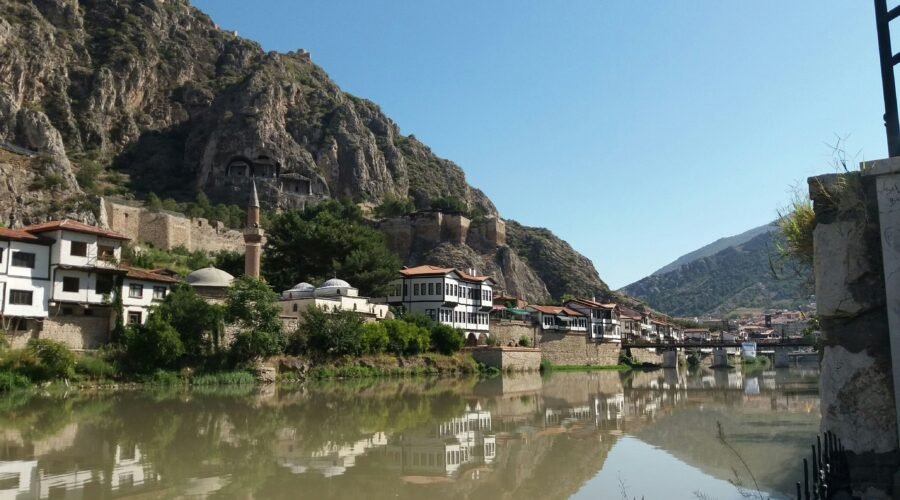
Amasya is one of Turkey’s most charming historic cities, known for its traditional riverside houses, dramatic cliffs, and ancient royal tombs. But choosing the best time to visit Amasya can make a big difference to your trip. The weather changes considerably throughout the year, and festivals, holidays, and summer heat can all affect your plans.
Quick Answer
May and September are the best months to visit Amasya for most travelers. Average daytime highs reach 25.1°C in May and 28.0°C in September. April and October offer cooler sightseeing weather, June brings a major cultural festival, and July and August are the hottest and driest months. Winter suits travelers who prefer a quieter visit.
Last checked: October 23, 2026. Dates and figures were verified against official sources.
Key Takeaways
- May is especially attractive for green scenery and sightseeing, although spring showers are common.
- June is a good choice for cultural events, especially the annual Atatürk Culture and Art Festival.
- July and August have the fewest rainy days, but average afternoon temperatures exceed 31°C.
- September combines warm days with relatively little rainfall. October is cooler and better suited to long walks.
- Winter brings fewer visitors and potential accommodation bargains, but freezing nights and occasional snow require preparation.
Amasya Weather by Month: Temperatures and Rainfall
Amasya has a climate shaped by both inland continental conditions and the nearby Black Sea region. Summers are generally hot and relatively dry, while winters are cold enough for frost and occasional snowfall.
For reliable travel planning, it helps to compare average daytime highs, nighttime lows, and rainy days rather than occasional temperature extremes.
The following figures come from the Turkish State Meteorological Service’s official Amasya climate records, covering 1961–2025.
| Month | Average High / Low | Rainy Days | Travel Conditions |
|---|---|---|---|
| January | 7.1°C / -0.7°C | 12.1 | Cold; possible snow and frost |
| February | 9.9°C / 0.4°C | 11.2 | Cold, with improving daylight |
| March | 14.7°C / 3.1°C | 12.7 | Cool spring weather |
| April | 20.5°C / 7.3°C | 13.1 | Comfortable days; frequent showers |
| May | 25.1°C / 11.1°C | 12.9 | Excellent for sightseeing and greenery |
| June | 28.8°C / 14.6°C | 8.9 | Warm; festival season |
| July | 31.2°C / 16.8°C | 3.3 | Hot, sunny, and dry |
| August | 31.6°C / 16.8°C | 2.6 | Hottest and driest month |
| September | 28.0°C / 13.1°C | 4.7 | Warm and relatively dry |
| October | 22.0°C / 8.7°C | 7.9 | Mild days; autumn scenery |
| November | 14.7°C / 4.0°C | 9.2 | Cooler, with shorter days |
| December | 9.0°C / 1.4°C | 12.6 | Cold and often damp |
These are long-term monthly averages, not daily forecasts. Actual temperatures can be much hotter or colder, particularly during summer heatwaves and winter cold spells.
One useful detail: May is among Amasya’s wettest months, while August is its driest. So the greenest months are not necessarily the sunniest. If avoiding rain matters more than avoiding heat, September offers a particularly good balance.
Spring in Amasya (March–May): Best for Greenery and Sightseeing
Spring is an excellent season for exploring Amasya’s historic center, riverside streets, and surrounding countryside. Temperatures gradually become more comfortable, while rainfall helps keep the landscape green.
March: Quiet Streets and Cool Weather
March is the beginning of spring, but it can still feel chilly, particularly in the morning and evening.
- Weather: The average high is 14.7°C, while the average low is 3.1°C. Rain remains common.
- Crowds: Usually a quieter time outside holidays and organized events.
- Costs: Potentially good accommodation value, although holiday demand can affect availability.
- Best for: Travelers who enjoy quiet sightseeing and don’t mind wearing a warm jacket.
March works well for visiting museums, exploring old neighborhoods, and photographing the Yeşilırmak River without summer heat.
April: Mild Days and Spring Scenery
April is when outdoor sightseeing becomes much more comfortable. The average afternoon high rises to 20.5°C, making it a good month for walking through the historic center.
- Weather: Pleasant afternoons, cool evenings, and roughly 13 rainy days on average.
- Crowds: Often manageable outside public holidays and weekends.
- Costs: Accommodation can offer better value than high-demand holiday periods.
- Best for: Walking tours, photography, historical attractions, and travelers who dislike intense heat.
For history lovers, the Harşena Mountain and Pontic Royal Rock Tombs are among Amasya’s highlights. The monumental tombs are associated with five early Pontic kings, and the area was added to UNESCO’s World Heritage Tentative List in 2015.
April’s cooler temperatures make outdoor exploration more pleasant than during the hottest summer afternoons. Paths and stone steps can become slippery after rain, so sturdy footwear helps.
May: One of the Best Months to Visit Amasya
May is an especially appealing choice if you want greenery, comfortable mornings, and warm afternoons. Average highs reach 25.1°C, while nighttime temperatures average 11.1°C.
- Weather: Warm days with occasional showers. May averages approximately 54.7 mm of precipitation.
- Crowds: Visitor demand may rise around holidays, weekends, and organized group trips.
- Costs: Accommodation prices may increase around popular travel dates.
- Best for: Couples, families, photographers, and first-time visitors.
May is also a good time to consider the countryside around Amasya. The wooded surroundings of Boraboy Lake are particularly appealing during the warmer months.
The Boraboy Lake and Nature Park features forest scenery, walking routes, picnic and camping areas, and bungalow accommodation. It provides a different experience from the city’s historic streets.
Summer in Amasya (June–August): Sunshine, Festivals, and Heat
Summer brings longer days, fewer rainy periods, and plenty of opportunities for outdoor sightseeing. However, Amasya is an inland city, and temperatures can become uncomfortable during the hottest part of the afternoon.
June: Warm Weather and Cultural Celebrations
June is an excellent choice if you want warm weather and a lively atmosphere without quite as much heat as July or August.
- Weather: Average highs reach 28.8°C, with nighttime lows around 14.6°C.
- Crowds: Festival dates can attract additional domestic visitors.
- Costs: Accommodation demand may increase during the main festival and around busy weekends.
- Best for: Festival visitors, culture enthusiasts, and travelers who enjoy long daylight hours.
Amasya’s major annual celebration is the International Atatürk Culture and Art Festival. The city’s official announcement confirmed the June 12–22, 2026 festival.
The event celebrates Amasya’s role in Turkey’s national history, particularly the arrival of Mustafa Kemal Atatürk and the Amasya Circular. Festival activities can include concerts, exhibitions, cultural performances, and public ceremonies.
The festival is traditionally associated with June 12–22, but the complete program for a future edition should not be assumed to be identical to the 2026 schedule.
July and August: The Hottest Months
July and August are ideal for travelers who enjoy sunshine and very little rain. However, the heat can make long walks, exposed viewpoints, and steep historical paths more tiring.
- Weather: Average highs are 31.2°C in July and 31.6°C in August. During heatwaves, temperatures can climb much higher.
- Rainfall: July averages approximately 3.3 rainy days, while August averages just 2.6.
- Crowds: Domestic summer holidays can increase visitor numbers, especially at weekends.
- Costs: Holiday periods and popular dates can push up accommodation rates.
- Best for: Travelers who prefer dry weather, summer evenings, and outdoor dining.
During these months, explore the Royal Rock Tombs or other exposed historic sites early in the day. Save the hottest hours for shaded areas, museums, or a relaxing meal.
In the evening, the Yeşilırmak waterfront becomes a particularly enjoyable place for a walk. The traditional Yalıboyu houses and illuminated cliffs create one of Amasya’s most recognizable views.
Pro Tip: In July and August, split your sightseeing between the cooler morning and evening hours. Keep indoor attractions or a relaxed lunch for the hottest part of the day.
Autumn in Amasya (September–November): Warm Days and Golden Scenery
Autumn is another strong season for visiting Amasya. September remains warm and relatively dry, October brings more comfortable walking temperatures, and November becomes noticeably cooler.
September: Excellent Weather for Exploring
September is one of the best all-around months to visit Amasya, particularly if you want to spend plenty of time outside.
- Weather: Average daytime highs reach 28.0°C, with lows around 13.1°C.
- Rainfall: Approximately 4.7 rainy days on average, considerably fewer than in spring.
- Crowds: Summer holiday demand gradually eases, although festivals and weekends may remain busy.
- Costs: Hotel rates may become more attractive after the busiest holiday periods.
- Best for: Riverside walks, photography, sightseeing, and warm-weather travel without peak summer heat.
September is also a good month to enjoy Amasya’s agricultural landscape and local produce, including the apples for which the province is known.
The wider province holds cultural celebrations as well. The Amasya Governorate’s events calendar lists activities such as the Taşova Bamya Festival on September 16–17 and Amasya Protocol commemorations on October 20–22. These are calendar listings; individual programs and dates for a specific year require separate confirmation.
October: Cooler Weather and Autumn Colors
October is an excellent choice if you find September too warm. Daytime highs average 22.0°C, while evenings become noticeably cooler.
- Weather: Mild afternoons, cool nights, and increasing rainfall.
- Crowds: Often a more relaxed sightseeing atmosphere outside holidays.
- Costs: Potentially better hotel value as the weather cools.
- Best for: Long walks, autumn landscapes, cultural attractions, and photography.
The riverside and wooded areas around the city can develop attractive autumn colors. The contrast between the historic buildings, steep cliffs, and changing leaves makes October appealing for photographers.
If you want to explore the Royal Rock Tombs or enjoy a long walk through the historic center, October’s cooler daytime temperatures are a major advantage.
November: A Quiet Transition Toward Winter
November is cooler than October but is not usually a month of constant freezing daytime temperatures. The average high remains 14.7°C, while the average low is 4.0°C.
- Weather: Cool days, chilly nights, and a higher chance of rain.
- Crowds: Generally quieter than the warmer sightseeing months, apart from holidays and special events.
- Costs: Accommodation bargains may become easier to find.
- Best for: Quiet museum visits and short sightseeing trips with flexible plans.
November suits travelers who prefer a calm atmosphere. However, shorter daylight hours mean you should plan outdoor attractions earlier in the day.
Winter in Amasya (December–February): Cold Weather and Quiet Sightseeing
Winter is the least appealing season for travelers who want warm weather and long outdoor days. Still, Amasya’s historic streets and riverside architecture can be beautiful in winter, especially after snowfall.
December: Cold Days and a Calm Atmosphere
December brings shorter days and chilly conditions. Average highs are around 9.0°C, while average nighttime lows fall to 1.4°C.
- Weather: Cold and sometimes damp, with frost possible during colder spells.
- Crowds: Usually fewer leisure visitors than in spring and summer.
- Costs: Some accommodations may offer attractive winter rates.
- Best for: Quiet cultural travel and visitors comfortable with cold weather.
Amasya Museum, Hazeranlar Mansion, and other indoor attractions are useful options when outdoor conditions are uncomfortable. Opening hours and individual attraction access may vary.
January: The Coldest Month
January is Amasya’s coldest month on average. Daytime highs average 7.1°C, while nighttime lows average -0.7°C.
Temperatures can fall well below freezing during cold spells, and snowfall is possible. However, snow cover is not guaranteed throughout the month.
- Weather: Cold, with possible snow, ice, and freezing nights.
- Crowds: Often quiet outside the school holiday period.
- Costs: Potentially lower accommodation rates, depending on dates.
- Best for: Winter photography and travelers who enjoy peaceful historic towns.
February: Still Cold, but Gradually Improving
February remains a winter month, although average daytime temperatures rise to 9.9°C. Nights can still be near freezing, and cold spells remain possible.
- Weather: Chilly, with rain and possible snow.
- Crowds: Usually modest outside school holidays and weekends.
- Costs: Accommodation value may remain attractive.
- Best for: Short cultural breaks and quieter museum visits.
Winter travel requires more flexibility than a summer trip. Snow and ice can affect roads, viewpoints, and steep walking routes, even when the historic city center remains accessible.
Warning: Steep stone paths near historic sites can become slippery during rain, frost, or snow. Avoid exposed climbs during icy conditions, and allow extra travel time if winter weather affects nearby roads.
When Is Amasya Most Crowded? Festivals and Holiday Dates
Amasya’s visitor numbers are influenced by more than the weather. Domestic school holidays, national celebrations, and major festivals can create busy periods even outside July and August.
There is no verified citywide monthly crowd index used in this guide. The following dates are practical indicators of when accommodation and popular attractions may be busier.
Important Travel Dates for 2027
Turkey’s official 2027 public holiday calendar identifies several dates worth considering when planning your visit.
| Date | Holiday or Event | Travel Consideration |
|---|---|---|
| March 9–11, 2027 | Ramadan Bayramı (Eid al-Fitr) | Holiday travel may increase; some businesses may adjust hours. |
| April 23, 2027 | National Sovereignty and Children’s Day | Public celebrations and potential domestic travel demand. |
| May 16–19, 2027 | Kurban Bayramı (Eid al-Adha) | An important domestic holiday period; May 19 also marks Youth and Sports Day. |
| June 12–22, 2026 | Amasya International Atatürk Culture and Art Festival | Confirmed dates for the 2026 edition; a future year’s full program may differ. |
| July 15, 2027 | Democracy and National Unity Day | National holiday; some services may operate differently. |
| October 29, 2027 | Republic Day | Public celebrations and possible changes to opening hours. |
School Holidays Can Also Affect Crowds
Turkey’s Ministry of National Education has confirmed that the 2026–2027 school year includes a winter break from January 25 to February 5, 2027. The school year ends on June 25, 2027.
These dates come from the Ministry of National Education’s official school calendar.
Family travel can increase during school breaks. However, the busiest dates vary between hotels and attractions, so summer should not automatically be treated as more crowded than every spring festival or holiday period.
How Much Does the Time of Year Affect Amasya Travel Costs?
Your accommodation and transportation costs can change depending on the season, holidays, and how far ahead you book. Amasya does not have a verified monthly average hotel-price dataset in the sources reviewed here, so exact seasonal savings cannot be promised.
Higher-Demand Periods
Late spring holidays, the June festival, summer school breaks, and long weekends can increase demand for centrally located accommodation.
If you want to stay near the Yeşilırmak River or inside a traditional historic property, booking ahead can give you more choice.
Good-Value Shoulder Seasons
April, parts of May, September, and October can offer a useful balance between weather and accommodation value.
October is particularly appealing if you’re willing to trade warmer evenings for a more relaxed sightseeing experience.
Winter Budget Opportunities
Winter is often one of the cheaper periods for accommodation, especially outside school holidays and special events.
However, lower hotel prices do not always mean lower total travel costs. Flight fares depend on your route, availability, and booking date. Extra winter transportation costs can also offset some savings.
If budget matters most, compare the total cost of your hotel, transport, and activities rather than choosing dates based only on the expected room rate.
Which Month Should You Choose for Your Amasya Trip?

The ideal month depends on what matters most to you. These recommendations balance the official climate averages with the kinds of activities Amasya offers.
Best Overall: May or September
Choose May if you love spring scenery and comfortable outdoor sightseeing. You’ll find warm afternoons, green surroundings, and good conditions for exploring Amasya’s historic center.
Choose September if you prefer warmer, drier weather. With fewer rainy days than May, it’s a particularly appealing month for photography and extended walking tours.
Best for Cooler Sightseeing: April or October
April and October are excellent choices for visitors who dislike hot afternoons.
April averages a daytime high of 20.5°C, while October averages 22.0°C. Both allow comfortable exploration with suitable layers, although April tends to have more rainy days.
Best for Festivals: June
June is the obvious choice if Amasya’s cultural celebrations are a priority.
Visiting during the Atatürk Culture and Art Festival can provide a lively experience beyond ordinary sightseeing. Keep in mind that the event may attract more visitors and that future programs must be confirmed separately.
Best for Dry Weather: July or August
July and August have the least rainfall, making them useful for travelers who prioritize sunshine.
The trade-off is heat. These months are less comfortable for long midday walks, especially at exposed historical sites.
Best for a Quiet, Budget-Focused Visit: November to February
Late autumn and winter may suit travelers who value a quieter atmosphere over warm weather.
November offers a milder alternative to the coldest winter months. December through February are better suited to flexible cultural trips with appropriate winter clothing.
What to Pack and How to Prepare for Amasya

Amasya is a rewarding place to explore on foot, but its weather and hillside terrain make practical preparation worthwhile. Packing for both daytime and evening conditions will help you stay comfortable.
Seasonal Packing Essentials
- Spring: Comfortable walking shoes, light layers, a rain jacket, and an umbrella.
- Summer: Breathable clothing, a sun hat, sunglasses, sunscreen, and a refillable water bottle.
- Autumn: A light jacket, layered clothing, comfortable shoes, and rain protection.
- Winter: A warm coat, gloves, a hat, and footwear with good grip for wet or icy surfaces.
Regardless of the season, choose shoes suitable for uneven stone paths and stairs. Some historic viewpoints and tomb access routes require more effort than an ordinary city sidewalk.
Getting to Amasya
Amasya is accessible by intercity bus and road. Travelers arriving by air can use Amasya Merzifon Airport, which serves the wider region rather than sitting inside the historic city center.
According to the airport operator’s official airport transportation information, shuttle services connect the airport with Amasya, and their schedules vary according to flight operations.
This makes coordinating your flight and onward transportation useful, especially if you arrive late or during winter weather.
How Many Days Do You Need in Amasya?
One full day can cover several central highlights, including the waterfront, historic streets, and views of the Royal Rock Tombs.
Two days provide a more relaxed visit with time for museums, local food, photography, and evening walks. Consider additional time if you want to explore Boraboy Lake or other parts of Amasya Province.
Free and Paid Things to Do
You can enjoy several of Amasya’s most recognizable sights without paying an attraction entrance fee.
- Free outdoor experiences: Walk beside the Yeşilırmak River, photograph the exterior of the Yalıboyu houses, explore public streets, and enjoy public viewpoints where access is permitted.
- Potentially paid attractions: Museums, historic buildings with controlled entry, archaeological sites, and guided tours may require tickets.
- Additional expenses: Transportation, food, private tours, and activities or facilities at nature destinations may add to your budget.
Entrance fees and operating hours can change. No reliable current admission-price list was confirmed for every attraction, so this guide does not assign unsupported ticket prices.
A Simple Plan for Your Visit
For most first-time visitors, the most useful approach is to organize your sightseeing around the temperature.
- Morning: Explore the historic streets and outdoor attractions while the weather is comfortable.
- Midday: Visit a museum, enjoy a meal, or take a break during warmer hours.
- Afternoon: Continue sightseeing, allowing time for viewpoints and photography.
- Evening: Return to the Yeşilırmak waterfront to enjoy the traditional houses and illuminated rock tombs.
For the easiest combination of comfortable walking weather, historic scenery, and an enjoyable outdoor atmosphere, aim for May or September. If you prefer cooler days, April and October are excellent alternatives. Once you’ve chosen your month, build your itinerary around the weather and any public holidays that overlap with your visit.
Frequently Asked Questions
What is the best time to visit Amasya?
May and September are the best months to visit Amasya for most travelers. May offers green scenery and comfortable sightseeing conditions, while September is warmer and generally drier. April and October are also good choices if you prefer cooler weather.
What is the weather like in Amasya throughout the year?
Amasya has hot summers, cold winters, and milder spring and autumn seasons. Average daytime highs range from 7.1°C in January to 31.6°C in August. Spring receives more rain, while July and August are usually the driest months.
When is the peak tourist season in Amasya?
Summer school holidays, major public holidays, and the June cultural festival can all bring additional visitors to Amasya. July and August are popular summer travel months, but festival and holiday dates can be busy too. Exact monthly visitor rankings were not verified.
When is the off-peak tourist season in Amasya?
December through February are generally quieter months for leisure sightseeing in Amasya. Cold weather and shorter days make outdoor visits less attractive to some travelers. However, school holidays and special events can still create periods of higher demand.
Are hotels and activities more expensive during peak season?
Accommodation can cost more during popular holidays, festivals, and busy summer travel dates. Winter and quieter shoulder-season dates may offer better value. However, prices vary by property and booking date, and there is no verified fixed seasonal price difference for Amasya.
Does it snow in Amasya during winter?
Yes, snow can fall in Amasya during winter, particularly during colder weather systems. January has an average nighttime low below freezing, so frost and ice are also possible. However, the city is not continuously snow-covered throughout winter.
When is the main festival in Amasya?
Amasya’s main annual cultural celebration is the International Atatürk Culture and Art Festival, traditionally associated with June 12–22. The 2026 event was confirmed for those dates. Future editions may have different programs, so individual event schedules should be confirmed.
Sources
- Turkish State Meteorological Service: Official Amasya monthly temperature, rainfall, and rainy-day statistics for 1961–2025.
- Amasya Provincial Directorate of Culture and Tourism – Royal Rock Tombs: Historical background, Pontic royal tombs, and UNESCO Tentative List status.
- Amasya Provincial Directorate of Culture and Tourism – Boraboy Nature Park: Official description of the lake, walking routes, and visitor facilities.
- Amasya Municipality: Confirmation of the June 12–22, 2026 Atatürk Culture and Art Festival.
- Amasya Governorate – Events Calendar: Listed cultural celebrations and regional festival dates.
- Presidency of Religious Affairs – 2027 Official Holidays: Confirmed religious and national holiday dates.
- Turkish Ministry of National Education: Official 2026–2027 school calendar and holiday periods.
- State Airports Authority – Amasya Merzifon Airport: Airport shuttle information and transportation arrangements.