

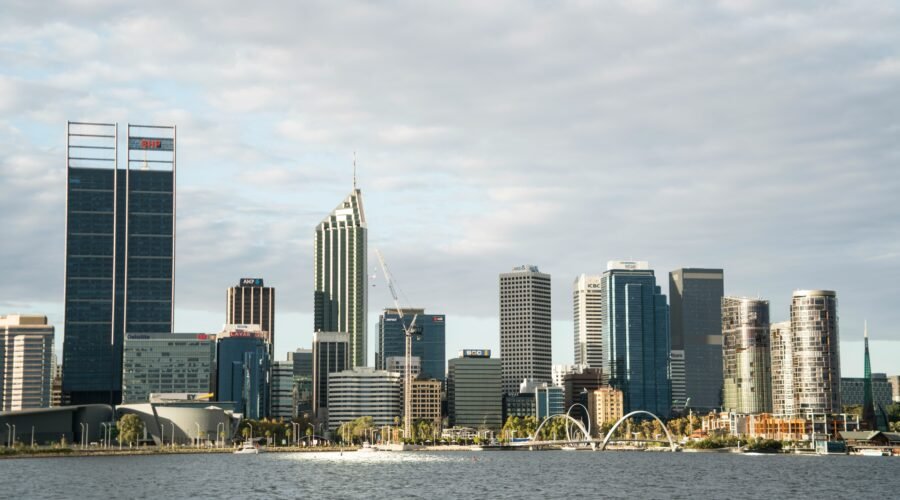
Planning a trip to Perth, Western Australia? For most visitors, spring (September to November) and autumn (March to May) offer the best balance of comfortable weather, manageable crowds, and reasonable travel costs. Summer is ideal for beach lovers but can be very hot, while winter is quieter, greener, and often better for travellers who prioritize value over beach weather.
Quick Answer
The best time to visit Perth is usually March to May or September to November. These shoulder seasons bring milder conditions than midsummer, plenty of outdoor opportunities, and generally lighter crowds. Choose September for wildflowers, summer for beaches, or winter if lower demand and a quieter city matter most.
Key Takeaways
- Best overall: March-May and September-November for a balance of weather, crowds, and value.
- Best for beaches: December-February, although very hot days and heatwaves can occur.
- Best for wildflowers: September, when Perth’s parks and surrounding regions come alive with Western Australian flora.
- Best for quieter sightseeing: June-August, when visitor demand is generally lower.
- Major-event periods: Festival weekends, school holidays, Christmas/New Year, and the Perth Royal Show can increase demand even outside the traditional summer peak.
Perth has a Mediterranean-style climate with hot, dry summers and mild, wetter winters. According to Bureau of Meteorology climate statistics for Perth Metro, average daytime maximums vary substantially through the year, so your preferred activities should guide when you visit.
Perth Weather by Season
Summer (December – February)
Summer in Perth is built for travellers who love sunshine, beaches, and long outdoor evenings. Long-term Bureau of Meteorology figures put the mean maximum at about 29.6°C in December, 31.4°C in January, and 31.7°C in February. Hotter spells can push temperatures much higher, so midday sightseeing can become uncomfortable.
- What to Expect: Beach days, swimming, water sports, sunset walks, and outdoor dining are major draws. Perth’s well-known afternoon sea breeze can provide some welcome relief near the coast.
- Drawbacks: Heat can make long walks, inland sightseeing, and exposed hiking tiring during the middle of the day. Summer is also an important time to stay aware of fire conditions.
Warning: Perth’s summer sun can be intense. Use sun protection, carry water, avoid scheduling strenuous activity for the hottest part of very warm days, and check Emergency WA for bushfire warnings, Total Fire Bans, and other current hazards before regional drives or hikes.
Autumn (March – May)
Autumn is one of Perth’s strongest shoulder seasons. However, it does not turn cool immediately. March remains warm, with a long-term mean maximum close to 29.7°C. April averages about 26.0°C, while May drops to around 22.5°C.
- What to Expect: March can still feel like an extension of summer, while April and May become increasingly comfortable for walking, cycling, sightseeing, national parks, and Swan Valley visits.
- Perks: You can enjoy plenty of outdoor time without facing the most persistent midsummer heat, especially later in the season.
Winter (June – August)
Perth’s winter is mild compared with many destinations. Bureau of Meteorology averages put daytime maximums around 19.5°C in June, 18.5°C in July, and 19.2°C in August. Rain is more common than in summer, although clear periods still occur.
- What to Expect: Cooler mornings and evenings, more changeable skies, and a higher chance of rain. Pack a light waterproof layer and something warm for evenings.
- Good for: Museums, galleries, cafes, restaurants, scenic drives, green landscapes, and travellers who prefer exploring without summer heat.
Spring (September – November)
Spring is another excellent shoulder season. Long-term mean maximums rise from about 20.7°C in September to 23.5°C in October and 26.8°C in November, giving you increasingly warm weather without the sustained midsummer heat.
- What to Expect: Pleasant days, increasing sunshine, outdoor-friendly temperatures, and some of the year’s best wildflower displays.
- Highlights: Western Australia’s wildflower season is a major reason to visit. Tourism Western Australia notes that Perth’s urban parks, including Kings Park, are bursting with colour by September.
Pro Tip: If wildflowers are one of your main reasons for visiting Perth, September is particularly attractive. Allow time for Kings Park as well as day trips beyond the CBD, because flowering times vary by species and location.
If you’re planning a trip to Perth, it also helps to check attraction opening hours, transport schedules, and current event calendars shortly before travelling. For information about how this site handles visitor data, see the privacy policy.
Navigating the Crowds
The number of visitors you encounter can affect everything from Rottnest Island ferry availability to restaurant bookings and accommodation rates. Perth rarely feels crowded in the same way as some larger global tourist cities, but demand still rises sharply around holidays and major events.
Peak Season: Summer Holidays & School Breaks
December, January, and the early part of February are among the busiest periods, particularly around Christmas, New Year, and Western Australian school holidays.
- What to Expect: Popular beaches, Rottnest Island services, family attractions, and coastal accommodation can become much busier. Flights and desirable hotel rooms may also become more expensive as availability tightens.
- Considerations: If you are tied to school-holiday dates, book limited-capacity experiences and your preferred accommodation as soon as your plans are firm rather than relying on last-minute availability.
Shoulder Seasons: Spring & Autumn
Spring and autumn normally provide the strongest balance between comfortable conditions and manageable visitor numbers.
- What to Expect: Tourist areas remain active, but many attractions feel more relaxed than during the Christmas/New Year period.
- Benefits: Easier sightseeing, more comfortable walking weather, and often a wider choice of accommodation than during high-demand holiday dates.
- Exception: Major festivals, the Perth Royal Show, Easter, and spring school holidays can create short bursts of high demand.
Off-Peak Season: Winter
Winter is generally one of Perth’s quieter periods for leisure travel.
- What to Expect: Fewer visitors at many outdoor attractions and a calmer feel at coastal areas on cooler days. Weather-dependent experiences may run less frequently.
- Advantages: Accommodation providers sometimes use winter promotions and seasonal rates to attract guests. Deals are not guaranteed, so compare current prices rather than assuming every hotel or flight will be cheapest.
What About the Costs?

Your travel costs can change significantly depending on your dates. Flights, accommodation, tours, and car rentals respond to demand, so holiday periods and major events usually matter more than a simple rule about which month is always cheapest.
Flights: When to Book for Best Value
There is no single booking window that guarantees the lowest fare. A better approach is to compare prices early, track fares, and be especially proactive when travelling during Christmas, New Year, Australian school holidays, Easter, or major Perth events.
- Peak Season (Dec-Feb): Holiday dates can be expensive and popular flight times may fill quickly. Once your travel dates are fixed, delaying simply in the hope of a last-minute bargain can reduce your options.
- Shoulder Seasons (Mar-May & Sep-Nov): These periods can provide a good compromise between fare availability and pleasant weather, but event weekends can still push prices higher.
- Off-Peak (Jun-Aug): Lower leisure demand can produce attractive fares on some routes, but prices still depend on origin, airline schedules, events, and how flexible you are.
Accommodation: Finding the Right Price
Accommodation follows the same supply-and-demand pattern as flights. Compare refundable and non-refundable rates, check several neighbourhoods, and pay attention to major-event dates.
- Peak Season (Dec-Feb): Popular coastal areas such as Cottesloe and Fremantle, as well as central Perth, can become more competitive around holidays and events.
- Shoulder Seasons (Mar-May & Sep-Nov): These months often provide a broader choice, although spring festivals and Easter can temporarily increase demand.
- Off-Peak (Jun-Aug): Winter promotions are common enough to be worth checking, but they vary between properties and dates.
How to Reduce Your Perth Trip Costs
- Compare more than the CBD: Fremantle and other well-connected areas may provide different accommodation options depending on your itinerary.
- Use free city transport where it fits: Perth’s CAT bus services operate free of charge on designated routes.
- Mix paid and free attractions: Kings Park, beaches, riverside areas, and many public spaces can fill several days without a large attraction budget.
- Watch event dates: Moving a trip by even a few days can sometimes avoid a major-demand weekend.
- Compare the total cost: A cheaper hotel far from your planned activities may cost more once transport, parking, and travel time are added.
Activities & Tours: Seasonal Differences
Many attractions have stable admission structures, but tour availability and promotional pricing can vary considerably through the year.
- Rottnest Island Ferries: Do not assume the ferry itself automatically costs more in summer. Instead, check current operator fares, island admission charges, and availability. Holiday sailings can book heavily, so securing your preferred departure time matters.
- Whale Watching: Perth now has both winter and spring whale-watching opportunities. Tourism Western Australia identifies September-November as a key Perth whale-watching period, while some current Fremantle-based operators also run winter humpback departures.
- Vineyard Tours: Swan Valley experiences operate throughout the year, but availability and pricing can change with demand, weekends, and special events.
- Outdoor Adventure Tours: Walking, cycling, and hiking are generally more comfortable during the shoulder seasons than during the hottest summer afternoons.
Perth’s long-term average daytime maximum rises from about 20.7°C in September to 31.4°C in January, which is why the best month depends so much on whether your priority is hiking, wildflowers, beaches, or avoiding heat.
Special Events and Activities to Consider

Weather and price are not the only reasons to choose one month over another. Perth’s event calendar can change the atmosphere of the city and create short periods of much higher visitor demand. Event dates vary from year to year, so confirm the current program before booking around a specific festival.
Spring: Wildflowers and Festivals
Spring is renowned for Western Australia’s wildflowers, and Perth gives you access to major displays without travelling far from the city.
- Everlasting Kings Park Festival: The official 2026 festival runs from 18 September to 4 October 2026, with wildflower displays, guided walks, talks, workshops, and family activities. See the Kings Park and Botanic Garden festival information for current details.
- Perth Royal Show: The 2026 show runs from 26 September to 3 October 2026 at Claremont Showground, bringing agriculture, food, entertainment, competitions, rides, and family attractions. Check the Royal Agricultural Society of WA for current dates and tickets.
Summer: Outdoor Entertainment and Festival Season
Perth’s warmer months have a busy outdoor and arts calendar, but large events can also increase accommodation and restaurant demand.
- FRINGE WORLD: This major Perth arts festival typically runs across January and February, with comedy, cabaret, theatre, circus, and other performances at venues around the city.
- Perth Festival: The current name is Perth Festival. The 2027 festival is scheduled for 5-28 February 2027. Programs change annually, so check Perth Festival’s official site when planning.
- Twilight Food Market: Formerly referred to in some older material as the Twilight Hawkers Market, the current City of Perth event is the Twilight Food Market. The 2026-27 season begins in October, bringing Friday-evening street food and entertainment to central Perth.
Autumn: Comfortable Exploration
Milder temperatures make autumn particularly good for combining cultural events with beaches, walking, dining, and day trips.
- Sculpture by the Sea, Cottesloe: This annual outdoor sculpture exhibition is generally held in March. Its beachside setting makes it one of Perth’s most recognizable autumn cultural events.
- Perth Comedy Festival: The annual festival spans part of autumn. In 2026, its official season ran from April 20 to May 17.
Winter: Arts, Food, and Whales
Winter is quieter, but it is not an empty season. Food events, cultural programs, changing whale migrations, and greener regional landscapes give visitors plenty of reasons to travel.
- Whale Watching: Traditional spring departures remain popular, but Perth also now has winter whale-watching options from Fremantle. Check the current operator schedule for the species and migration you are most interested in.
- Truffle Kerfuffle: This food-focused event is held in Manjimup, several hours south of Perth. It can work well as part of a longer winter road trip rather than a simple Perth-city activity.
- Perth International Cabaret Festival: This should no longer be treated as a current June attraction. The organization announced in 2025 that its planned festival would not proceed and that operations would cease. Check Perth’s current winter arts calendar instead.
Note: Event dates are one of the fastest-changing parts of a travel article. If a specific festival is important to your trip, verify its official dates before purchasing non-refundable flights or accommodation.
When planning your trip to Perth, Western Australia, it’s useful to compare weather, crowds, and seasonal costs rather than choosing dates on temperature alone. If you’re also comparing destinations with very different climates and visitor patterns, you can read about the best time to visit Soganli Valley.
Final Recommendations for Different Travellers
| Season | Weather | Crowds | Costs |
|---|---|---|---|
| December – February | Hot and dry; mean daytime maximums roughly 30-32°C | Highest around Christmas, New Year, school holidays, beaches, and major events | Often higher on peak holiday dates |
| March – May | Warm in March, becoming mild by May | Generally easier than summer, with temporary event and Easter peaks | Often moderate, depending on dates |
| June – August | Mild and wetter; average daytime highs around 18.5-19.5°C | Usually the quietest overall period | Potential for seasonal deals, but not guaranteed |
| September – November | Mild to warm, with excellent wildflower conditions | Moderate overall; higher around festivals, the Royal Show, and school holidays | Often moderate, with event-related spikes possible |
Ultimately, the best time depends on what you want from Perth.
For Beach Lovers & Sun Worshippers: Summer (December – February)
If your main goal is swimming, beach time, water sports, and Perth’s outdoor summer lifestyle, December through February is the obvious choice. Schedule strenuous sightseeing for mornings or later afternoons on very hot days, use strong sun protection, and expect higher demand around school holidays and Christmas/New Year.
For Explorers & Outdoor Enthusiasts: Spring (September – November) & Autumn (March – May)
If you want comfortable conditions for walking, cycling, national parks, wineries, city sightseeing, and day trips, the shoulder seasons are the strongest all-round choice. Spring adds wildflowers and major events, while autumn gives you gradually cooling conditions after summer.
For Budget Travellers & Culture Seekers: Winter (June – August)
If you are more interested in museums, galleries, restaurants, scenic drives, green landscapes, and a quieter atmosphere than swimming weather, winter can be rewarding. Accommodation promotions may also appear during lower-demand periods, although you should always compare live prices before booking.
Consider what matters most to you: hot beach weather, comfortable walking temperatures, wildflowers, low visitor numbers, or a specific festival. For the broadest balance of conditions, April-May and September-October are particularly easy months to recommend, while every season has a clear reason to visit Perth.
Frequently Asked Questions
What is the best time to visit Perth, Western Australia for good weather?
Spring and autumn are the best all-round seasons for most visitors. April-May and September-October are especially appealing because temperatures are generally comfortable for sightseeing and outdoor activities without the most intense summer heat.
When is the peak tourist season in Perth?
The Christmas and summer-school-holiday period from December into late January is one of Perth’s highest-demand travel periods. Major festivals and special events can also create temporary peaks at other times of the year.
What is the quietest time to visit Perth?
June through August is generally quieter for leisure tourism. The trade-off is cooler weather and a greater chance of rain, but attractions can feel less crowded and some accommodation providers offer winter promotions.
How expensive is Perth during peak tourist season?
There is no reliable single average because flight and accommodation prices change continuously. Expect the strongest demand around Christmas, New Year, school holidays, and major events. Compare live rates and secure scarce accommodation or limited-capacity experiences once your travel plans are firm.
Which major Perth events should I consider when choosing my dates?
Popular annual events include Perth Festival, FRINGE WORLD, the Perth Royal Show, the Everlasting Kings Park Festival, Sculpture by the Sea at Cottesloe, and the Perth Comedy Festival. Dates change annually, so verify the official schedule before booking around an event.
What is the best month to see wildflowers in Perth?
September is one of the best months for wildflowers around Perth. Kings Park is a particularly convenient place to see Western Australian species, while displays in surrounding regions vary according to location, rainfall, and individual species.
Should I book Rottnest Island in advance?
Advance planning is wise during summer holidays, Easter, school holidays, and popular weekends. Ferry departures, accommodation, and some activities have limited capacity, so booking ahead gives you a better choice of times rather than guaranteeing a cheaper price.
Sources
- Bureau of Meteorology — Perth Metro Climate Statistics — seasonal and monthly temperature averages.
- Tourism Western Australia — Find Wildflowers — Western Australian wildflower timing and Perth spring conditions.
- Tourism Western Australia — Western Australia’s Big Five — Perth whale-watching timing.
- Kings Park and Botanic Garden — Everlasting Kings Park Festival — current spring festival dates and activities.
- Royal Agricultural Society of Western Australia — Perth Royal Show — official Perth Royal Show dates and information.
- Perth Festival — current festival branding, program, and dates.

[…] For more detailed local planning, see our guide to the best time to visit Perth. […]