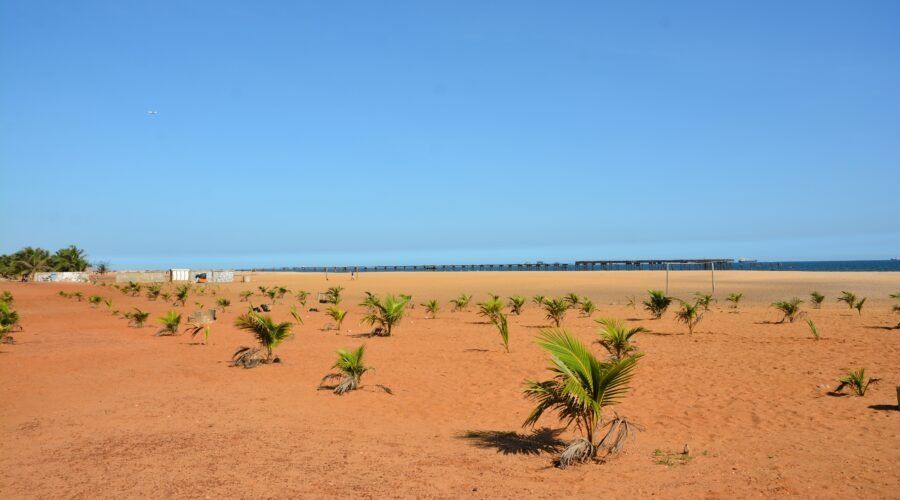
For most first-time visitors, the best time to visit Broome is during the dry season from May to October. You get the best odds of sunny, comfortable weather for beaches, sightseeing, tours, and outdoor activities. July and August are especially popular, while May, September, and October can offer a better balance of weather and crowd levels. The wet season from November to April is hotter, more humid, quieter, and more vulnerable to heavy rain and cyclone-related disruption.
Quick Answer
Visit Broome from May to October for the most reliable dry-season weather. Choose July to September if whale watching is a priority, or March to October for selected Staircase to the Moon dates. November to April is quieter and can be cheaper, but expect heat, humidity, heavy rain, and possible cyclone disruption.
Key Takeaways
- Best overall weather: May to October, Broome’s dry season.
- Highest demand: Mid-year, particularly around June to August and school-holiday periods.
- Whale watching: Current Broome tours generally operate from July to September.
- Staircase to the Moon: Usually occurs on two or three nights per month between March and October, with dates changing each year.
- Wet-season trade-off: Fewer visitors and potentially better-value accommodation, but more heat, humidity, rain, marine-stinger precautions, and weather disruption.
Broome Weather by Season
Broome, traditionally known as Rubibi and located on Yawuru Country in Western Australia’s Kimberley region, has a tropical climate dominated by two broad seasons rather than four conventional European-style seasons: the dry season and the wet or tropical season.
The Dry Season: May to October
This is Broome’s main visitor season. Warm days, cooler nights, lower humidity, and little rainfall make it the easiest period for sightseeing, beaches, outdoor dining, scenic flights, and many Kimberley excursions.
Weather During the Dry Season
According to Tourism Australia’s Broome weather guidance, dry-season temperatures generally range from about 17°C to 30.8°C (62.6°F to 87.4°F). Broome Airport climate records from the Australian Bureau of Meteorology also show warm daytime conditions throughout these months.
May and June are usually warm without the intense humidity of summer. July is one of the coolest months by Broome standards, while September and October gradually become hotter as the tropical build-up approaches.
Crowds During the Dry Season
The dry season is Broome’s peak tourism period. Tourism Australia identifies the period from roughly mid-June to mid-August as especially popular, when roads and attractions are usually accessible and travellers from cooler parts of Australia head north for sunshine.
If you prefer a lively atmosphere and want the widest choice of seasonal tours, the middle of the dry season works well. If you prefer fewer people, consider May, September, or early October while remembering that October becomes progressively hotter.
Costs During the Dry Season
Accommodation and flights are often more expensive when demand is strongest, particularly around school holidays and popular events. Instead of assuming every service will cost more, compare your exact dates because rates vary by hotel, airline, tour operator, and booking conditions.
The Wet Season: November to April
Broome’s wet or tropical season has a completely different character. It brings hotter days, warm nights, higher humidity, dramatic thunderstorms, tropical downpours, greener landscapes, and substantially fewer visitors.
Weather During the Wet Season
Tourism Australia gives typical wet-season temperatures of roughly 25°C to 33.6°C (77°F to 92.5°F). Rain often arrives in short, heavy bursts rather than falling continuously all day. January through March is the main monsoonal period, when flooding and cyclone impacts become more significant concerns.
Warning: The Bureau of Meteorology states that Broome’s tropical cyclone season runs from late November through April. If you travel during this period, check current BOM warnings, choose flexible bookings where possible, and be prepared for tours, flights, roads, or attractions to change at short notice.
Crowds During the Wet Season
Visitor numbers are usually much lower than in the dry season. That can make the tropical season appealing if you prefer quieter beaches, restaurants, and attractions and are comfortable adjusting plans around the weather.
The combination of towering clouds, tropical colour, lightning, and dramatic sunsets can also make this an interesting season for photography.
Costs During the Wet Season
Lower visitor demand can produce better-value accommodation or packages, although savings vary considerably by date and provider. Some seasonal tours reduce their schedules or stop operating completely, so a low hotel rate does not necessarily mean every activity will be available.
Broome Month-by-Month Cheat Sheet
| Period | Typical Conditions | Crowds / Costs | Best For |
| January–March | Very hot, humid, wet; monsoonal weather possible | Low visitor demand; possible deals | Quiet trips, dramatic skies, flexible travellers |
| April | Late wet-season transition; still warm and humid | Demand begins increasing | Transition-season travel and early Staircase dates |
| May–June | Warm, dry, increasingly comfortable | Moderate to high demand | Excellent all-round sightseeing |
| July–August | Dry, sunny, comfortable | Among the busiest periods | First visits, beaches, tours, whale watching |
| September–October | Dry but increasingly hot toward October | Busy but often less concentrated than mid-winter | Warm-weather trips, Staircase viewing, late dry season |
| November–December | Hot, humid, stormier; wet season begins | Lower visitor demand | Budget-conscious and heat-tolerant travellers |
Best Time for Specific Activities
The best month for your trip also depends on what you plan to do once you arrive.
Exploring Broome’s Beaches and Coastline
For classic Cable Beach days, swimming, walking, and sunset viewing, the dry season is generally the easiest choice. Conditions are less humid, rainfall is limited, and Cable Beach has seasonal lifeguard coverage.
The Shire of Broome recommends swimming at patrolled beaches inside the designated area between the red and yellow flags. Follow signs and lifeguard instructions rather than judging safety by appearance alone.
Warning: The Shire advises extra marine-stinger precautions from November through May. Wear protective clothing when advised, obey beach closures and warning signs, and ask lifeguards or beach inspectors about current conditions. Dangerous marine stingers can occur outside the main season as well.
Broome’s tides also change quickly. Never leave vehicles, belongings, or walking routes where an incoming tide could cut off access. Saltwater crocodiles are occasionally reported around some Broome waters, including Town Beach, so local warnings always take priority over general seasonal advice.
Staircase to the Moon
The Staircase to the Moon occurs when a rising full moon reflects across the exposed tidal flats of Roebuck Bay | Yawuru Nagulagun, creating the appearance of a glowing staircase.
The Broome Visitor Centre says the phenomenon normally occurs on two or three nights per month between March and October. Exact dates and viewing times change every year because moonrise, tide, sunset, and weather all matter.
Dry-season dates often provide better odds of clear skies, but visibility is never guaranteed. Check the official annual schedule before locking in accommodation around a particular viewing night.
Pearl Farm Tours and Shopping
Broome’s pearling history is central to the destination, and visitors can choose from pearl-farm trips, pearling-history experiences, museums, galleries, and jewellery showrooms.
Do not assume every pearl-farm tour runs on the same year-round schedule. Wet-season frequency can differ from dry-season frequency, and boat-based activities may be affected by weather or tides. Check your preferred operator before choosing travel dates.
Outdoor Adventures: Horizontal Falls and Malcolm Douglas Crocodile Park
Garaan-ngaddim (Horizontal Falls) requires more careful planning because tour dates depend on operator schedules and tides.
For 2026, Horizontal Falls Seaplane Adventures lists different operating periods by itinerary, with some Broome departures beginning in March or April and others finishing between September and October. Tours do not operate on specified neap-tide dates.
Current powerboat experiences use the Wide Gap rather than the Narrow Gap. The Western Australian Government announced in 2026 that existing licensed operators can continue Wide Gap traversal through the end of the 2028 tourism season while new Traditional Owner-led experiences are developed.
The Malcolm Douglas Crocodile Park, by contrast, operates through the year with seasonal qualifications. Its published schedule currently lists weekend-only opening during February and closure on Christmas Day.
Wildlife Spotting and Whale Watching
If humpback whales are a priority, target July to September. The Broome Visitor Centre currently lists whale-watching tours as available from July through September.
Whale movements are natural rather than scheduled, so exact sightings and start or finish dates can vary slightly among operators and seasons.
When to Avoid Broome (and When to Embrace It)

No month is automatically unsuitable for every traveller, but certain periods require substantially more flexibility than others.
Avoiding the Hottest and Wettest Months
If intense humidity, tropical rain, or cyclone-related disruption would seriously affect your trip, January through March is generally the most difficult period. These months sit inside Broome’s monsoonal season, and roads or regional excursions beyond Broome can become more vulnerable to weather impacts.
The broader Broome cyclone season runs from late November to April, so monitor official forecasts throughout the tropical season rather than assuming the risk applies only in January or February.
Embracing the Green Season
The wet season can still be rewarding if you are comfortable with heat and changing plans. Visitor numbers are lower, tropical storms can create spectacular skies, and rain transforms parts of the Kimberley landscape.
It can be particularly attractive to photographers and travellers who value quiet surroundings more than a full schedule of dry-season excursions.
Best Compromise Months
If you want good weather without automatically choosing the busiest mid-year period, May, September, and early October are worth comparing. May marks the beginning of the dry season, while September and early October usually retain dry conditions but become warmer as the tropical season approaches.
Actual accommodation demand depends on events, school holidays, and flight schedules, so compare several nearby dates before booking.
Planning Your Trip: Key Considerations

A little planning makes a major difference in Broome because weather, tides, tour seasons, and visitor demand can all affect your itinerary.
Booking Accommodation and Flights
If you are travelling during the busiest part of the dry season, especially June through August or during school holidays, book earlier rather than assuming your preferred hotel, room type, flight, or tour will remain available.
During the tropical season, accommodation availability can be easier and promotional rates may appear, but flexible cancellation conditions become more valuable because severe weather can disrupt plans.
Pro Tip: If your dates are flexible, compare May, September, and October against July and August. A small change in dates can sometimes reduce accommodation pressure while still keeping you inside the dry season.
Packing Essentials
For the dry season, pack lightweight clothing, strong sun protection, sunglasses, comfortable footwear, and a reusable water bottle. A light layer can be useful on cooler evenings or early-morning tours.
For the tropical season, prioritise breathable quick-drying clothing, rain protection, insect repellent, sun protection, and footwear that can cope with wet conditions. Keep essential medication and important documents protected from rain.
Stinger Season Awareness
The Shire of Broome identifies November through May as the main period for increased marine-stinger precautions. Its marine-stinger safety guidance recommends protective clothing, obeying beach closures, checking warning signs, and asking lifeguards or beach inspectors when unsure.
The tropical-season months also generally fall outside Broome’s main lifeguard season. If swimming is important to your trip, this is another reason the dry season is easier for most visitors.
Check Tides and Beach Conditions
Tides are a major part of life around Broome. They influence beach access, mudflats, boating, dinosaur-track viewing, Horizontal Falls experiences, and the Staircase to the Moon.
Always check current local tide information and beach signage on the day rather than relying on a general itinerary prepared months earlier.
The Verdict: Your Best Broome Experience
| Period | Weather | Crowds | Typical Cost Pattern |
|---|---|---|---|
| May–October | Mostly dry, warm days, cooler nights | Highest overall, especially mid-year | Often higher when demand peaks |
| November–April | Hot, humid, wetter; tropical storms possible | Generally lower | Potentially better value, depending on provider |
Ultimately, the best time to visit Broome comes down to what matters most to you:
- For the easiest first visit: Choose May to October for generally dry weather and the broadest range of outdoor experiences.
- For whale watching: Target July to September and confirm dates with your chosen operator.
- For Staircase to the Moon: Choose one of the published March-to-October viewing dates and check the exact moonrise and tide schedule.
- For fewer crowds and potential savings: Consider November to April if you are comfortable with heat, humidity, marine-stinger precautions, and possible weather disruption.
- For a dry-season compromise: Compare May, September, and early October with the busier July–August period.
Broome changes dramatically with the seasons. The dry months deliver the classic beach-and-outdoor experience most travellers expect, while the tropical season offers a quieter and more dramatic side of the Kimberley. Match your dates to the activities you care about most, then check current weather, tides, beach warnings, and tour schedules shortly before you travel.
Frequently Asked Questions
What is the best time to visit Broome, Western Australia?
For most visitors, May to October is the best period because it is Broome’s dry season. Expect lower humidity, little rainfall, warm days, and easier access to outdoor attractions. July and August are particularly popular, while May, September, and early October can be useful alternatives.
What is Broome’s weather like throughout the year?
Broome has a tropical climate with a dry season from May to October and a wet or tropical season from November to April. The dry season has warm days, cooler nights, lower humidity, and little rain. The wet season is hotter and more humid, with tropical downpours, thunderstorms, and possible cyclones.
When are crowds highest in Broome?
Crowds are highest during the dry season, particularly around the middle of the year. June through August and school-holiday periods can bring strong demand for accommodation, flights, restaurants, and popular tours.
Is Broome more expensive during the dry season?
It can be. Accommodation and flights often rise when visitor demand is highest, but prices vary by date and provider. Compare several nearby dates rather than assuming every dry-season booking carries the same premium.
When can you see the Staircase to the Moon in Broome?
The Staircase to the Moon normally occurs on two or three nights per month between March and October when a rising full moon reflects across exposed tidal flats in Roebuck Bay. Exact dates and times change each year and visibility depends on tides, moonrise, and weather.
What is the best time for whale watching in Broome?
Current Broome whale-watching tours generally operate from July through September, when humpback whales are present along the Kimberley coast. Exact dates can vary between seasons and operators.
When is marine-stinger season in Broome?
The Shire of Broome recommends heightened marine-stinger precautions from November through May. Follow beach signs and closures, use protective clothing when advised, and ask lifeguards or beach inspectors about current conditions. Dangerous stingers can also occur outside the main season.
Sources
- Tourism Australia — Broome Weather — seasonal definitions, temperature ranges, rainfall, and peak visiting period.
- Australian Bureau of Meteorology — Broome Airport Climate Statistics — long-term Broome temperature and climate records.
- Shire of Broome — Marine Stinger Safety — official stinger-season precautions and swimming safety advice.
- Broome Visitor Centre — Staircase to the Moon Dates — occurrence window, annual dates, tides, and viewing guidance.
- Broome Visitor Centre — Whale Watching — current Broome whale-watching season.
- Western Australian Government — Garaan-ngaddim Horizontal Falls Tourism Update — current Wide Gap access arrangements and the transition through the 2028 tourism season.