Liguria changes a lot with the seasons, so the best time to visit depends on whether you care most about swimming, hiking, quiet villages, events, or lower accommodation costs. For most travelers, late spring and early autumn offer the easiest balance: you can enjoy the coast without the strongest midsummer heat or the biggest holiday crowds.
Quick Answer
The best time to visit Liguria is usually late April through June or September through early October. Choose June or September if swimming matters, April to May or early autumn for hiking, July and August for peak beach weather, and November through February for the quietest coastal experience.
Key Takeaways
- Best overall balance: May, June, September, and early October.
- Best for swimming: Late June through September, with the warmest and busiest conditions in July and August.
- Best for hiking: Spring and early autumn, provided trails are open and weather conditions are safe.
- Fewest crowds: November through February, especially outside Christmas and New Year.
- Important weather note: Liguria can receive intense rain, particularly in autumn, so check official weather alerts before hiking or relying on boat travel.
Summer in Liguria: June to August
Summer is the classic Italian Riviera season. Beaches are active, coastal towns stay lively into the evening, and boat excursions are widely available. It is also the busiest and usually the most expensive period for accommodation in famous destinations such as Cinque Terre, Portofino, and Santa Margherita Ligure.
Weather in Summer
- June: June is often one of the easier summer months for sightseeing. Coastal daytime temperatures are generally warm, the days are long, and the sea is warming steadily. Swimming becomes more appealing as the month progresses, while severe midsummer heat is generally less persistent than it can be later in the season.
- July and August: These are Liguria’s hottest beach months. Coastal temperatures commonly reach the upper 20s°C and can exceed 30°C during hot spells. Humidity can make afternoons feel warmer. Summer is generally drier than autumn, but rain and thunderstorms are still possible, so do not assume every day will be dry.
Crowd Levels in Summer
- Peak-season demand: Beaches, trains, hiking routes, waterfront restaurants, and famous villages can become very busy.
- Italian summer holidays: August is a major domestic vacation period. Ferragosto on August 15 is an Italian public holiday, and beach destinations can be especially busy around that date.
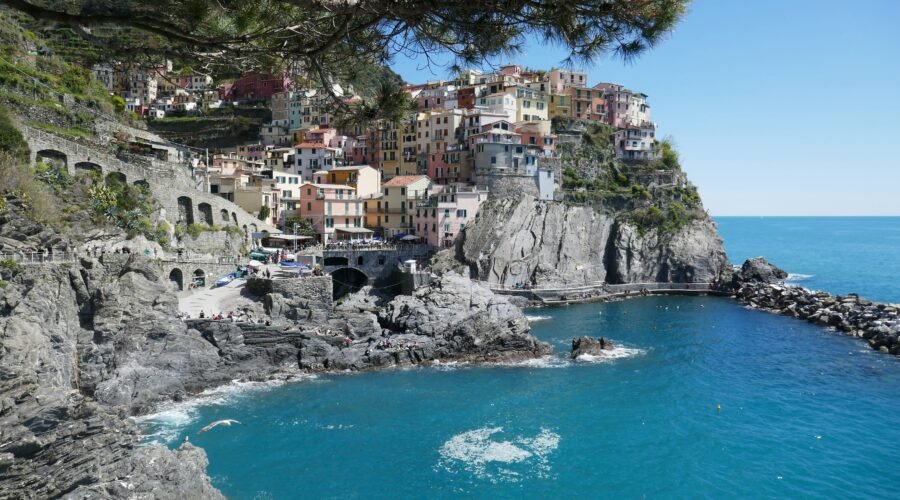
- Cinque Terre: The five villages can feel crowded during popular daytime arrival periods. If you want a quieter experience, stay overnight, begin sightseeing early, or visit outside July and August.
Costs in Summer
- Accommodation: Expect the strongest demand and often the highest room rates in well-known coastal resorts.
- Booking: Reserve desirable hotels and apartments well ahead for July, August, Ferragosto, and summer weekends.
- Flights and transport: Airfare depends on your departure city and booking date, so summer is not automatically the most expensive for every route. However, high overall demand can reduce cheap options.
- Restaurants: Tourist areas can be expensive, but menu prices do not necessarily rise simply because it is summer. Location and restaurant type matter more.
What to Do in Summer
- Beach days: Summer is the most dependable period for sunbathing, swimming, and spending long days by the Ligurian Sea.
- Boat trips: Coastal ferry and excursion networks operate their broadest seasonal schedules during the warmer months, although services can change because of sea conditions.
- Evening passeggiata: Towns become especially pleasant after the strongest afternoon heat. Evening walks, outdoor dining, and gelato are a major part of the summer atmosphere.
Warning: Do not plan a Cinque Terre hike only from the calendar. The National Park can restrict or discourage trail use because of heat, heavy rain, slippery surfaces, maintenance, or official weather alerts. Check current trail conditions before setting out.
If you are comparing seasonality across very different destinations, you can also see this separate guide to the best time to visit Ohio. Its climate and travel patterns are different from Liguria, but the same weather-crowd-cost framework can be useful when planning.
Shoulder Seasons: The Sweet Spot for Many Travelers
Spring and early autumn provide the best all-round experience for many visitors. Temperatures are generally easier for walking, the coast is less congested than in peak summer, and accommodation demand is often more moderate.
Spring: April to May
- April weather: Expect mild but changeable conditions. Coastal days can be comfortable for walking, flowers are in bloom, and showers remain possible. The sea is usually too cool for travelers who want a traditional warm-water beach holiday.
- May weather: Temperatures rise noticeably and outdoor sightseeing becomes very comfortable. Swimming is possible, particularly late in the month, but the water can still feel cool compared with June through September.
- Crowds: Visitor numbers rise around Easter, May 1, weekends, and other holidays, but most periods are calmer than July and August.
- Costs: Accommodation often costs less than in midsummer, although popular weekends can still sell quickly.
- Hiking: Spring is one of the strongest periods for walking because temperatures are usually milder than in summer. Always check official trail status first.
- Villages and gardens: This is an excellent season for exploring coastal villages and Liguria’s gardens, including the Hanbury Botanical Gardens area in western Liguria.
Autumn: September to October
- September: September is one of the strongest choices if you want both sightseeing and swimming. Summer heat usually begins to ease while the sea retains warmth from July and August.
- October: Temperatures continue to cool and crowds thin further. Early October can still provide excellent coastal days, but rainfall risk becomes more important as autumn progresses.
- Crowds: The major August rush fades, although September remains popular and large events in Genoa can temporarily increase demand.
- Costs: Accommodation prices generally soften after peak summer, although exact savings depend on the town, weekend, and event calendar.
- Harvest season: Autumn is a rewarding time for local food, wine, olives, mushrooms, and seasonal festivals.
- Coastal walks: Cooler weather can make walking more comfortable, but wet conditions can quickly change trail safety.
For many first-time visitors, September is Liguria’s strongest compromise: the sea remains inviting, midsummer heat usually eases, and the August holiday rush has begun to fade.
How Liguria’s Weather Varies by Location
Liguria is a narrow region squeezed between the sea and steep hills and mountains. That geography means there is no single temperature or rainfall figure that perfectly describes the entire region. Genoa, the western Riviera, Cinque Terre, and inland valleys can experience noticeably different conditions on the same day.
The coast generally has milder winters than inland and higher-elevation locations. Inland areas can be cooler, especially at night, while exposed coastal areas may feel windy. Liguria’s official climate information is maintained by ARPAL’s Liguria Climate Atlas.
Note: Autumn deserves extra flexibility. Liguria can experience intense rainfall and thunderstorms, so check the official Allerta Liguria weather-warning service before hiking, driving into steep inland areas, or relying on weather-sensitive boat connections.
Winter: A Quieter, More Local Experience

Winter in Liguria, roughly November through March, is very different from a summer Riviera holiday. It suits travelers who care more about cities, food, photography, and quiet streets than swimming or a full schedule of seasonal coastal services.
Weather in Winter
- Mild by northern-European standards: Many coastal winter days fall within the high single digits to mid-teens Celsius, although colder spells occur and inland areas can be much cooler.
- Rain and wind: Wet and windy periods are possible. Autumn into early winter can be especially unsettled, so pack waterproof layers rather than expecting constant clear weather.
- Snow: Snow is uncommon directly along much of the coast but is possible at higher elevations inland.
Crowd Levels in Winter
- Quiet coastal towns: Tourist numbers are generally much lower than in summer.
- Local atmosphere: Towns feel more residential and everyday life becomes more visible once the main holiday season ends.
- Reduced seasonal services: Some hotels, restaurants, boat services, and tourism-focused businesses shorten their hours or close temporarily.
- Genoa: The regional capital remains a much stronger year-round choice because museums, historic streets, restaurants, and normal city services continue operating.
Costs in Winter
- Accommodation: Winter can offer some of the lowest room rates of the year in leisure-focused coastal towns.
- Holiday exceptions: Christmas, New Year, special events, and individual weekends can interrupt the low-season pattern.
- Flights: Do not assume airfare will always be cheapest in winter. Prices depend on your departure airport, route, and booking timing.
What to Do in Winter
- Explore Genoa: Spend time in the historic center, museums, palaces, waterfront, and food markets.
- Eat Ligurian food: Winter is a comfortable time to slow down over farinata, pesto-based dishes, focaccia, seafood, soups, and regional specialties.
- Take coastal walks: Clear winter days can be excellent for walking, but check forecasts and avoid exposed routes during poor conditions.
- Christmas events: December brings seasonal markets, lights, and local celebrations in a number of towns.
- Photography: Lower visitor numbers make it easier to photograph famous viewpoints without peak-season crowds.
Transport and Seasonal Boat Services
Trains are one of the most practical ways to move between many Ligurian coastal towns, particularly along the Cinque Terre corridor. Boats add a scenic alternative, but they should not be treated as guaranteed year-round transport.
The official Navigazione Golfo dei Poeti timetable uses different operating periods throughout the year. The 2026 schedule shows broader Cinque Terre service from spring into autumn, with service periods and landing points changing by date. Operations can also depend on sea and weather conditions.
Pro Tip: If a boat ride is essential to your itinerary, check the current timetable a day or two before travel and keep the train as a backup. This is particularly useful in spring and autumn, when changing sea conditions can affect sailing schedules.
Special Events and Festivals

Liguria hosts food festivals, religious celebrations, cultural events, and major exhibitions throughout the year. These can make a trip more memorable, but large events can also raise accommodation demand in the host city.
Food Festivals and Sagre
- Seasonal events: Local sagre celebrate regional foods, wine, seafood, pesto, vegetables, mushrooms, and town traditions. They are especially common during the warmer months and harvest season.
- Local experience: These festivals can be an excellent way to try specialties outside the most tourist-oriented restaurants.
- Check current dates: Programs change each year, so use official municipal or Liguria tourism event calendars rather than relying on old festival dates.
Religious and Local Holidays
- Easter: Easter and Easter Monday can increase domestic travel and visitor numbers, particularly during good spring weather.
- Ferragosto: August 15 is the Assumption holiday, widely known as Ferragosto. It falls in the heart of Italy’s summer vacation period, so expect strong demand at beaches and famous coastal destinations.
- Patron-saint festivals: Individual towns hold their own religious and civic celebrations, sometimes including processions, markets, music, and fireworks. Genoa’s patron-saint holiday, for example, is San Giovanni on June 24.
Cultural Events
- Genoa International Boat Show: The 2026 show is scheduled for October 1–6, 2026. The official organizer has published the dates on the Genoa International Boat Show website. Hotel demand in Genoa can increase around the event.
- Genoa Science Festival: The 2026 Festival della Scienza runs from October 22 to November 1, 2026, with conferences, exhibitions, laboratories, performances, and other science events around Genoa. Current dates are listed by Visit Genoa.
- Film and cultural festivals: Smaller film, music, arts, and cultural events vary from town to town and from year to year, so check local calendars for your exact travel dates.
If you want another example of how weather, crowds, and costs can shape travel timing outside Italy, this separate guide covers the best time to visit Simav in Kütahya, Turkey.
Liguria by Season: Weather, Crowds, and Costs
| Period | Weather | Crowds | Typical Cost Level | Best For |
| March–April | Cool to mild; changeable; showers possible | Low to moderate | Low to moderate | Walking, sightseeing, spring scenery |
| May–June | Mild to warm; increasingly beach-friendly | Moderate, rising in June | Moderate | Best overall balance, hiking, sightseeing, early beach season |
| July–August | Hot; strongest beach weather; humid spells possible | High to very high | High in popular resorts | Swimming, beaches, nightlife, boat trips |
| September | Warm; sea still comfortable; increasing rain risk later | Moderate to high early, then easing | Moderate to high | Swimming plus sightseeing |
| October | Mild to cool; wetter and more changeable | Moderate to low, except major events | Moderate | Food, cities, quieter sightseeing |
| November–February | Cool; wet and windy periods possible | Low | Often lowest outside holidays | Genoa, food, photography, quiet trips |
Choosing the Best Time for Your Priorities
The best month is ultimately the one that matches what you want to do. Liguria feels very different during an August beach holiday, an April hiking trip, and a quiet January city break.
For Beach Lovers and Sun Seekers
- Prime time: July and August provide the strongest combination of heat and warm water.
- Better crowd compromise: June and September are often more comfortable if you want swimming without the full August rush.
- May: Beach days can be pleasant, but the sea may still feel cool.
For Hikers and Active Explorers
- Best seasonal windows: April, May, late September, and October can provide comfortable temperatures for walking.
- Summer: Strong heat and direct sun can make exposed trails demanding. Cinque Terre National Park has advised hikers to avoid the hottest part of the day during severe heat.
- Rain: Autumn storms can make stone steps and steep trails slippery.
- Before every hike: Check the Cinque Terre National Park trail-status page for closures and current conditions.
For Budget Travelers
- Lowest accommodation demand: November through February often offers the strongest room savings outside holiday periods.
- Best value with more favorable weather: April, May, and October can provide a better balance between price, operating services, and outdoor conditions.
- Compare actual dates: Events, weekends, and holidays can raise prices even during an otherwise cheaper month.
For Travelers Seeking Fewer Crowds
- Quietest period: November through February is generally the calmest on the coast.
- More services with lighter crowds: April, May, October, early June, and late September can be better if you want quieter sightseeing without as many seasonal closures.
- Stay overnight: In famous day-trip destinations such as Cinque Terre, mornings and evenings can be noticeably calmer than the busiest midday period.
For Food Lovers
- Year-round appeal: Ligurian food is not limited to one season. Pesto, focaccia, farinata, seafood, pasta, and regional specialties are available throughout the year.
- Autumn: Harvest produce, mushrooms, grapes, olives, and food events add extra interest.
- Spring and summer: Fresh vegetables, herbs, seafood, and seasonal sagre make the warmer months rewarding as well.
By weighing the trade-offs between heat, swimming conditions, trail access, seasonal transport, events, crowds, and accommodation demand, you can choose a period that fits your own Ligurian trip rather than relying on one supposedly perfect month.
Frequently Asked Questions
What is the best time to visit Liguria, Italy for favorable weather?
For most travelers, late April through June and September through early October offer the best balance of comfortable weather, longer daylight, and manageable crowds. September is especially strong if swimming matters because the sea is still warm after summer.
When is the peak tourist season in Liguria?
July and August are the main peak months on the coast, especially in Cinque Terre, Portofino, and popular beach towns. The Ferragosto holiday around August 15 can bring another surge in domestic travel, so book well ahead if you visit then.
What is the quietest time to visit Liguria?
November through February is generally the quietest period in smaller coastal resorts. Genoa and larger towns remain active year-round, but some seasonal hotels, restaurants, ferries, and visitor services reduce hours or close.
When is Liguria cheapest to visit?
Winter often brings the lowest accommodation demand outside Christmas and New Year, while April, May, and October can offer better value if you want more services and milder weather. Flight prices depend heavily on your origin and booking dates.
When is the best time for swimming and beach days?
Late June through September is the most dependable period for warm-water beach trips. July and August are hottest and busiest, while September usually gives you a good compromise between warm sea temperatures and lighter crowds.
When is the best time for hiking in Cinque Terre?
Spring and early autumn are usually more comfortable than midsummer because temperatures are lower. Trail access can change after heavy rain, during weather alerts, or for maintenance, so always check Cinque Terre National Park trail status before setting out.
Is October a good month to visit Liguria?
Yes, especially for food, towns, and sightseeing. Crowds are lighter and prices may be lower than in summer. However, October is also part of Liguria’s wetter autumn period, so build flexibility into hiking and boat plans and check weather alerts.
Sources
- ARPAL — Liguria Climate Atlas — regional climate and precipitation context.
- Allerta Liguria — Regione Liguria and ARPAL — official weather and civil-protection alerts.
- Cinque Terre National Park — Trails and Outdoor — current trail accessibility, closures, and hiking information.
- Navigazione Golfo dei Poeti — Timetables — seasonal Cinque Terre and Gulf of La Spezia boat schedules.
- Genoa International Boat Show — official October 1–6, 2026 event dates.
- Visit Genoa — Festival della Scienza 2026 — official local tourism information for the October 22–November 1, 2026 Science Festival.