

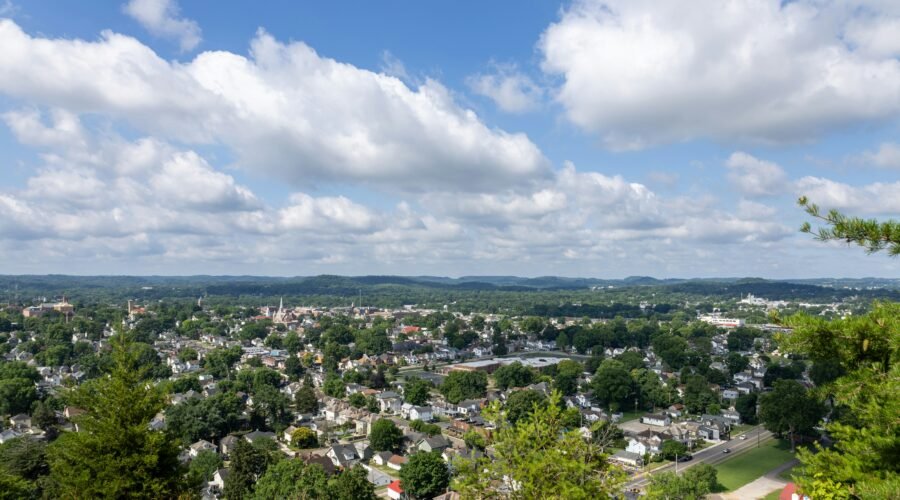
Ready to plan your Ohio adventure? The best time to visit Ohio is generally late spring or early autumn, but the right dates depend on what you want to experience. From Lake Erie beaches and lively summer festivals to colorful forests and peaceful winter getaways, the Buckeye State offers something different in every season. This guide compares Ohio’s weather, crowds, travel costs, and activities so you can choose the right time for your trip.
Quick Answer
The best time to visit Ohio is May through early June or September through October. These periods offer a useful balance of comfortable weather and outdoor activities. Choose July and August for beaches and summer attractions, October for fall foliage, or December through February for winter activities and quieter sightseeing.
Key Takeaways
- Best overall travel windows: May to early June and September to October.
- Best for fall foliage: October, with peak color varying by region and weather.
- Best for beaches and water activities: July and August.
- Best for quieter sightseeing: Consider weekdays during spring and autumn or selected winter dates.
- Best for festivals: Summer and autumn offer many events, but exact dates change annually.
- Most important planning tip: Check local weather, attraction schedules, and accommodation prices before booking.
1. Spring in Ohio: Mild Weather, Wildflowers, and Outdoor Adventures
Spring brings warming temperatures, fresh greenery, and blooming wildflowers. It is a particularly appealing time for travelers who enjoy nature, sightseeing, and outdoor activities before the strongest summer heat arrives.
1.1. Spring Weather: What to Expect
March and April can be unpredictable. Chilly mornings, rain, and occasional late-season snow are possible, especially in northeastern Ohio.
By May and early June, temperatures are usually more comfortable for walking and exploring. However, Ohio is a large state, and conditions vary between the Lake Erie shoreline, central Ohio, and the southern part of the state.
For example, the National Park Service’s weather information for Cuyahoga Valley lists average daytime temperatures of approximately 69°F in May and 77°F in June.
These are northeastern Ohio averages, not statewide forecasts. Southern Ohio can be warmer, while areas close to Lake Erie may experience cooler spring conditions.
Spring is also a lovely time to explore waterfalls and forest trails. Seasonal rain can increase water flow, while wildflowers and new leaves brighten the landscape.
Popular destinations include Hocking Hills State Park and Cuyahoga Valley National Park.
Note: Spring trails can be muddy or slippery after rainfall. Wear shoes with good traction and check park alerts before starting a hike.
1.2. Spring Crowds: Generally Easier to Manage
Spring can provide a more relaxed experience than the busiest summer vacation periods, especially on weekdays.
Museums, city attractions, parks, and scenic destinations may be easier to explore before schools finish for summer.
However, spring is not automatically quiet everywhere. Warm weekends, school breaks, and special events can attract substantial crowds.
Memorial Day weekend is particularly important to consider because it marks the beginning of the traditional summer travel period.
If you prefer a slower pace, choose a weekday in May or early June and arrive at popular parks early in the morning.
1.3. Spring Travel Costs: A Potential Shoulder-Season Opportunity
Spring can be a useful period for budget-conscious travelers, although prices depend heavily on your destination and travel dates.
Some hotels and vacation rentals may offer better availability outside major holiday weekends and popular event periods.
As outdoor attractions begin their main operating seasons, demand can increase. Hotels near major destinations may also become busier during festivals and sporting events.
Compare accommodation prices across several dates rather than assuming that every spring week will be inexpensive.
If you are planning a wider Ohio itinerary, consider combining outdoor attractions with museums, historic sites, and local events. This gives you alternatives when spring weather changes unexpectedly.
2. Summer in Ohio: Sunshine, Festivals, and Family Fun
Summer is one of Ohio’s busiest leisure travel periods. School vacations, warm weather, and seasonal attractions make it especially popular with families.
It is an excellent time for theme parks, lakeside activities, outdoor festivals, and longer days of sightseeing.
2.1. Summer Weather: Warm, Humid, and Occasionally Stormy
June through August brings Ohio’s warmest weather.
July and August commonly feature daytime temperatures in the upper 70s to 80s Fahrenheit, although hotter conditions can occur. Humidity may make outdoor activities feel more demanding, especially during the afternoon.
Thunderstorms can also interrupt travel plans.
If you enjoy warm weather, summer gives you plenty of opportunities to explore. Pack lightweight clothing, sunscreen, comfortable walking shoes, and enough water for your activities.
For hiking or city sightseeing, mornings and evenings may feel more comfortable than the hottest part of the day.
Warning: Do not remain on a beach, hiking trail, or open recreation area when thunder is audible. The National Weather Service advises moving into a substantial building or enclosed, hard-topped vehicle and waiting at least 30 minutes after the last thunder before returning outside. See its lightning safety guidance.
2.2. Summer Crowds: Plan Around Popular Attractions
Summer vacation brings more visitors to many of Ohio’s major leisure destinations.
Expect greater demand at Cedar Point, Kings Island, Lake Erie beaches, water parks, and popular state parks.
Destinations such as the Cleveland Metroparks Zoo can also become busy during weekends and school holidays.
If you enjoy a lively atmosphere, summer offers plenty of activity. If you prefer quieter sightseeing, consider weekday visits and arrive near opening time.
Booking accommodations and popular attractions ahead of time is especially useful when traveling during holiday weekends.
2.3. Summer Costs: Expect Destination-Specific Price Increases
Summer can bring higher accommodation prices in popular leisure destinations, but it is not necessarily the most expensive period everywhere in Ohio.
Hotel rates in Cleveland, Columbus, and Cincinnati can also change because of conferences, concerts, sporting events, and other local demand.
Theme park admission may vary by date, ticket type, and promotional offers.
To control your budget, compare weekday and weekend stays, look at nearby accommodation options, and check attraction websites for advance-purchase tickets.
Booking early gives you more choices, although it does not guarantee the lowest price.
3. Autumn in Ohio: Fall Foliage and Comfortable Exploring

September and October are excellent months for travelers who enjoy walking, scenic drives, and colorful landscapes.
Autumn combines changing leaves, harvest events, and generally cooler weather than midsummer.
However, popular foliage destinations can become extremely busy on sunny October weekends, so choosing your travel dates carefully matters.
3.1. Autumn Weather: Cooler Days and Colorful Forests
September can still feel quite warm, while October usually brings cooler afternoons and crisp mornings.
In northeastern Ohio, the National Park Service reports average daytime temperatures of approximately 72°F in September and 61°F in October.
Southern and central Ohio may experience different conditions, so check the forecast for your specific destination.
Fall foliage is one of the main reasons to visit during this season.
Hocking Hills offers scenic forests, cliffs, and wooded valleys, while Cuyahoga Valley National Park provides colorful woodland trails and waterfall views.
According to the National Park Service’s fall-color guidance, peak color in Cuyahoga Valley usually occurs during the third week of October.
Different tree species change color at different times, and weather can affect the display. This means October offers a useful planning window rather than a guaranteed peak date.
3.2. Autumn Crowds: Quieter Weekdays, Busy Foliage Weekends
Once summer vacations end, some attractions become less crowded during the week.
However, the return of school does not make every autumn destination quiet.
Popular foliage areas can attract large numbers of visitors, especially when the weather is sunny and leaves are near peak color.
The National Park Service specifically notes that parking areas in Cuyahoga Valley can fill around midday on pleasant autumn weekends.
For a more relaxed visit, arrive early, choose weekdays where possible, and allow extra time for parking at popular trailheads.
Harvest festivals, Halloween attractions, and other autumn events can also increase local demand.
3.3. Autumn Costs: Compare Dates Carefully
Autumn can offer good value outside popular event dates, but accommodation costs vary considerably.
Hotels and vacation rentals near fall foliage destinations may experience strong weekend demand.
Meanwhile, some urban or lakeside destinations may have more availability after the busiest summer period.
Rather than assuming that autumn is cheaper than summer, compare the actual dates and destinations you are considering.
Travelers with flexible schedules may find that a midweek stay provides a better balance of price, availability, and sightseeing opportunities.
Pro Tip: If fall foliage is your main goal, keep your travel dates flexible where possible. Check recent park updates and local foliage reports before leaving, and consider visiting early in the morning to avoid busy parking areas.
4. Winter in Ohio: Quiet Getaways and Snowy Landscapes

Winter offers a different side of Ohio. It can be a rewarding season for visitors interested in museums, historic sites, winter sports, and quiet cabin retreats.
The main trade-offs are colder weather, shorter daylight hours, and reduced operating schedules at some attractions.
4.1. Winter Weather: Cold, Snow, and Changing Conditions
December through February is Ohio’s main winter season, although cold weather can begin in November and continue into March.
Temperatures vary considerably by region and month. In northeastern Ohio, Cuyahoga Valley National Park lists average daytime temperatures of approximately 33°F in January and 36°F in February.
Snowfall is especially important to consider in the northeastern part of the state, where Lake Erie can contribute to lake-effect snow.
Other parts of Ohio also experience snow, ice, freezing rain, and periods of very cold weather.
Winter visitors should carry warm layers, waterproof footwear, gloves, and a suitable coat.
For skiing, snowboarding, or other winter sports, check operating conditions directly with the destination. Natural snowfall and suitable temperatures are not guaranteed throughout the season.
4.2. Winter Crowds: More Space at Some Attractions
Winter can provide quieter visits to certain parks and outdoor destinations, especially outside holidays.
However, popular museums, holiday events, winter sports facilities, and weekend attractions may still draw crowds.
Some outdoor facilities operate on reduced schedules or close temporarily.
For example, Cuyahoga Valley National Park remains open throughout the year, but individual facilities follow seasonal hours.
Check opening times before traveling rather than assuming that every attraction is available during winter.
A city break focused on museums, galleries, restaurants, and historic sites can provide a useful alternative when outdoor weather is poor.
4.3. Winter Travel Costs: Look Beyond the Holiday Period
Some destinations may have more accommodation availability during winter, especially after the busiest holiday travel dates.
However, prices can increase around Thanksgiving, Christmas, New Year’s, major sporting events, and winter recreation weekends.
Compare rates across several dates and check cancellation terms before booking.
Flexible travelers may find suitable options for cabin retreats, hotel stays, or short city breaks.
Understanding the weather, crowds, and local event calendar will help you decide whether a winter visit fits your budget and travel preferences.
Warning: Winter road conditions can change quickly. Check forecasts and road conditions before driving, especially when traveling through northeastern Ohio or rural areas. Do not attempt icy or snow-covered hiking routes without suitable equipment and experience.
5. Other Considerations for Your Ohio Trip
Beyond the main seasons, several factors can influence the best time for your particular visit.
The following comparison provides a quick overview of Ohio’s seasonal travel conditions.
| Season | Typical Conditions | Crowds | Cost Considerations |
|---|---|---|---|
| Spring: March–May | Cool to mild; warming weather, rain, and spring blooms | Variable; warmer weekends can be busy | Compare shoulder-season dates and holiday weekends |
| Summer: June–August | Warm to hot, often humid, with occasional thunderstorms | Higher demand at family and outdoor attractions | Popular leisure destinations may charge more |
| Autumn: September–November | Warm early, cooler later, with fall foliage in October | Often manageable on weekdays; foliage weekends can be busy | Rates vary around foliage peaks and major events |
| Winter: December–February | Cold, with possible snow, ice, and lake-effect snowfall | Often lower at some outdoor attractions | Check holiday and winter-recreation demand |
5.1. Specific Events and Festivals
Ohio hosts festivals and events throughout the year, including the Ohio State Fair, Oktoberfest celebrations, county fairs, music festivals, and seasonal art walks.
If a particular event is the main purpose of your trip, its schedule should guide your travel dates.
For example, the Ohio State Fair ran from July 29 through August 9 in 2026.
The 50th Cleveland International Film Festival took place from April 9 through April 18, 2026.
These dates are examples from 2026. Check official organizers’ websites for future schedules.
College football can also affect travel demand. If you plan to visit Columbus during an Ohio State Buckeyes home game, compare hotel availability and transportation options in advance.
Events can create concentrated demand even during periods that would otherwise be considered quieter travel seasons.
5.2. Personal Preferences: What Do You Want to Do?
Ultimately, the best time to visit Ohio depends on your interests.
- Beach and Water Sports: July and August are usually the most suitable months for Lake Erie beaches, boating, and outdoor water parks.
- Hiking and Nature Photography: May, early June, September, and October offer useful opportunities for exploring trails and changing scenery.
- Theme Parks: Cedar Point and Kings Island are popular during their main operating seasons. Check the official calendars for opening dates, special events, and autumn operating schedules.
- Museums and Indoor Attractions: These are suitable throughout the year, making them useful alternatives during summer heat or winter weather.
- Skiing and Snowboarding: Winter is the relevant season, but operating conditions depend on temperature, snowmaking, and actual weather.
- Wine Tasting: Late spring and autumn are attractive options for visiting Lake Erie Wine Country, including seasonal winery and harvest events.
5.3. Avoiding Peak Holiday Periods
No matter the season, major holiday weekends can affect travel costs, road traffic, attraction availability, and hotel demand.
Memorial Day, Independence Day, Labor Day, Thanksgiving, Christmas, and New Year’s are especially important dates to consider.
Traveling a few days before or after a holiday may provide additional accommodation choices and a more relaxed experience.
Check local events as well. A major concert, festival, sporting event, or convention can affect prices even when there is no national holiday.
5.4. Best Time to Visit Different Parts of Ohio
Ohio’s regions offer different travel experiences, so your destination should influence your timing.
- Cleveland and the Lake Erie shoreline: Summer is suitable for beaches, waterfront activities, and outdoor festivals. Autumn is appealing for park visits and colorful scenery.
- Columbus: Spring and autumn offer comfortable opportunities for city sightseeing. Check major sporting events, festivals, and the Ohio State Fair when planning your stay.
- Cincinnati: Spring and autumn can be comfortable for walking, parks, and outdoor events, while summer offers a lively festival season.
- Hocking Hills: Spring is attractive for waterfalls and fresh greenery. Autumn brings colorful forests, while winter offers a quieter landscape when conditions permit safe access.
- Cuyahoga Valley: Spring is suitable for emerging wildflowers, summer brings lush greenery, and October is particularly popular for fall foliage.
- Lake Erie Wine Country: Late spring through autumn offers opportunities for winery visits, with seasonal events influencing the experience.
For a trip that combines several regions, remember that temperatures and weather conditions can change as you travel between northern and southern Ohio.
5.5. When Should You Book Your Ohio Trip?
Booking needs depend on the destination, the season, and the popularity of your travel dates.
For summer theme park trips, begin checking accommodation and admission options before your intended visit.
For autumn foliage weekends, reserve popular cabins and lodging once your travel dates are reasonably firm.
For major festivals and sporting events, confirm the event schedule before making nonrefundable reservations.
If your dates are flexible, compare weekday and weekend prices and review cancellation policies.
Pro Tip: Build your itinerary around one or two major activities each day. Leave room for changing weather, parking delays, and spontaneous stops rather than scheduling every hour.
5.6. What to Pack for Each Season
Ohio’s changing weather makes flexible packing especially useful.
- Spring: A light waterproof jacket, comfortable walking shoes, and layers for cool mornings.
- Summer: Lightweight clothing, sunscreen, a reusable water bottle, and rain protection.
- Autumn: Layers, a warmer jacket for evenings, and sturdy shoes for outdoor activities.
- Winter: An insulated coat, gloves, warm footwear, and suitable clothing for snow or freezing conditions.
Before leaving, check the latest local forecast and any park, road, or attraction alerts.
In conclusion, late spring and early autumn offer an excellent balance of weather and outdoor opportunities for many Ohio travelers. Summer is particularly suitable for family attractions and lakeside recreation, while winter can provide a quieter experience for visitors who enjoy cold-weather activities and indoor sightseeing. By matching your travel dates to your interests, budget, and destination, you can make the most of your Ohio adventure.
Frequently Asked Questions
1. What is the best time to visit Ohio for favorable weather?
May through early June and September through October generally offer comfortable conditions for sightseeing and outdoor activities. Weather varies by region, so check the forecast for your destination before traveling.
2. When is the peak tourist season in Ohio?
June through August is a major travel period for family attractions, theme parks, and lakeside destinations. However, popular fall foliage locations can also experience heavy demand during October weekends.
3. What is the off-peak season in Ohio?
December through February can be quieter at some outdoor attractions. However, holiday events and winter recreation destinations may remain busy. Always check attraction schedules and local demand before booking.
4. Are there specific events or festivals worth considering when planning a trip to Ohio?
Yes. Ohio hosts the Ohio State Fair, county fairs, music festivals, Oktoberfest celebrations, and the Cleveland International Film Festival. The 2026 Ohio State Fair ran from July 29 through August 9, while the 2026 Cleveland International Film Festival took place April 9–18. Check official organizers for future dates.
5. How does the cost of visiting Ohio vary throughout the year?
Travel costs vary by destination, season, and local events. Popular summer attractions and autumn foliage weekends may experience stronger accommodation demand. Compare actual travel dates, nearby lodging options, and cancellation terms instead of relying only on seasonal price assumptions.
6. When is the best time to see fall foliage in Ohio?
October is a useful planning window. In Cuyahoga Valley National Park, peak color usually occurs during the third week of October. Actual timing varies with weather, location, and tree species.
7. Is Ohio worth visiting during winter?
Yes. Winter can be enjoyable for museums, historic attractions, cabin getaways, and seasonal recreation. Prepare for cold weather, possible snow and ice, and reduced operating hours at some outdoor facilities.
8. Which months are best for visiting Ohio with children?
June through August works well for families interested in theme parks, water parks, and lakeside activities. Late spring and early autumn can also be suitable if your schedule allows travel outside school holidays.
Sources
- National Weather Service — Columbus Climate Normals — historical climate averages for central Ohio, based on the 1991–2020 climate-normal period.
- National Park Service — Cuyahoga Valley Weather — seasonal temperatures, precipitation, snowfall, and weather conditions in northeastern Ohio.
- National Park Service — Best Fall Colors in Cuyahoga Valley — typical foliage timing, scenic locations, and visitor-planning advice.
- Ohio State Fair — Official Information — verified 2026 fair dates.
- Cleveland International Film Festival — CIFF50 — verified April 9–18, 2026 festival dates.
- National Weather Service — Lightning Safety — official guidance for outdoor activities during thunderstorms.


[…] seasonality across very different destinations, you can also see this separate guide to the best time to visit Ohio. Its climate and travel patterns are different from Liguria, but the same weather-crowd-cost […]