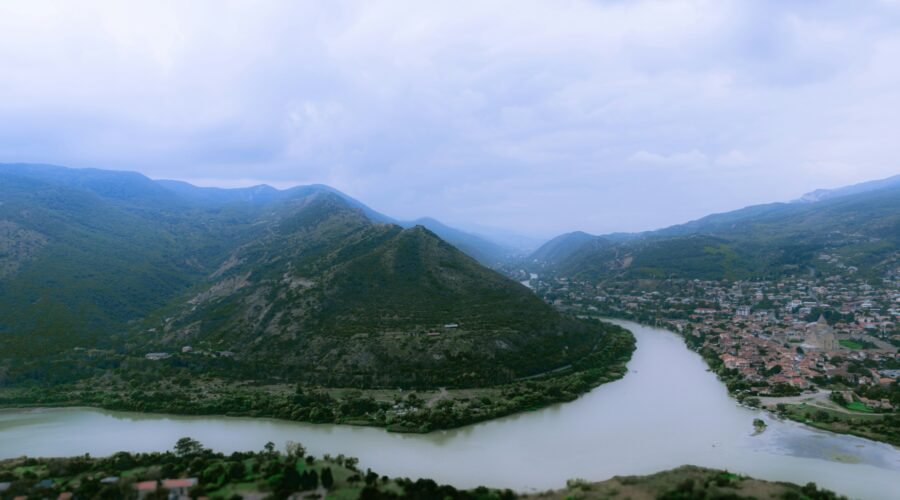
Let’s get straight to it: the best time to visit Georgia (the country, not the state) is generally late spring (May to early June) and early autumn (September to October). These periods offer a sweet spot of pleasant weather, manageable crowds, and reasonable costs. While there are good arguments for other times, especially if you have specific interests, these two windows are your safest bet for a well-rounded and enjoyable trip.
1. Spring and Autumn: The Golden Windows
When most people picture a great Georgia trip, they’re probably imagining themselves exploring ancient churches under a clear sky, sipping wine in Kakheti, or hiking through blossoming or brightly colored mountains. That’s exactly what spring and autumn deliver.
Why Spring (May to early June) Shines
- Mild Temperatures: Expect comfortable highs in the 20s°C (68-77°F), making it perfect for sightseeing without breaking a sweat. Nights are cool but not cold.
- Blossoming Landscapes: The countryside comes alive with wildflowers, and vineyards start to green up. It’s incredibly picturesque.
- Green Mountains: Higher elevations are accessible and vibrant with new growth, ideal for early-season hiking.
- Festivals: You might catch some local spring celebrations, though they tend to be lower-key than autumn harvest festivals.
- Fewer Crowds (than peak summer): While not empty, you’ll find popular spots are less packed than in high summer.
Why Autumn (September to October) is a Close Second
- Pleasant Weather Continues: Temperatures remain mild, often similar to spring. Days are clear and sunny, perfect for outdoor activities.
- Autumn Colors: The mountains, especially in places like Svaneti or Kazbegi, erupt in stunning reds, oranges, and golds. It’s truly breathtaking.
- Rtveli (Grape Harvest): This is a huge draw if you’re interested in Georgian wine. September, in particular, is harvest season in Kakheti, and many wineries offer participation opportunities.
- Fantastic Food: Beyond wine, autumn means bountiful fresh produce – fruits, vegetables, and walnuts are everywhere.
- Manageable Crowds: Like spring, crowds are thinner than in mid-summer, allowing for a more relaxed experience.
If you’re planning a trip to Georgia and want to know more about the best times to visit, you might find our article on the weather, crowds, and costs particularly helpful. Additionally, you can learn more about our dedicated team and their expertise in travel planning by visiting our team page at Meet Our Team. This resource can provide you with insights and tips to enhance your travel experience in Georgia.
2. Summer: Hot, Busy, and High
If beaches, high-altitude hiking, or specific summer festivals are your priority, then summer might still be a good choice for you. However, be prepared for a different experience.
What to Expect in Summer (July to August)
- Heat: Lowland areas, including Tbilisi and Kakheti, can get quite hot, with temperatures often exceeding 30°C (86°F), sometimes even hitting 35-40°C (95-104°F). This can make city sightseeing uncomfortable.
- Beach Season: The Black Sea coast (Batumi, Ureki, Kobuleti) is in full swing. If a beach holiday is what you’re after, this is the time.
- Alpine Hiking: Higher mountain regions like Svaneti and Kazbegi are at their prime for trekking. Trails are clear of snow, and the weather is generally warm during the day.
- Peak Crowds: This is the busiest tourist season. Expect more people at popular attractions, longer lines, and competitive pricing for accommodation and transport.
- Higher Costs: Flights and accommodation tend to be at their most expensive during these months. Booking well in advance is essential.
Special Considerations for Summer Travel
- Heat Tolerance: If you’re sensitive to heat, plan your city explorations for early mornings or late afternoons, and seek out shade and air conditioning during midday.
- Mountain Retreat: Many Georgians (and smart tourists) escape the city heat by heading to the mountains. This is a great strategy if you’re in the country during summer.
- Water Activities: Rivers and lakes can offer refreshing breaks from the heat.
3. Winter: Snow, Skiing, and Serenity
Winter in Georgia offers a completely different, often magical, experience, especially for those who love snow sports or enjoy a more serene travel pace.
The Winter Experience (November to April)
- Ski Season: From December to March, ski resorts like Gudauri, Bakuriani, and Mestia (Tetnuldi, Hatsvali) are bustling. If you’re into skiing or snowboarding, this is your prime time.
- Snowy Landscapes: The entire country can be blanketed in snow, transforming landscapes into a winter wonderland. This is particularly beautiful in the mountainous regions.
- Fewer Tourists (outside ski resorts): Popular historical sites and cities (outside of ski towns) will have significantly fewer visitors. This can make for a more intimate and less rushed experience.
- Lower Costs (generally): Outside of ski season peaks (Christmas/New Year, school holidays), flights and accommodation in cities tend to be cheaper.
- Road Closures: Be aware that some mountain passes (e.g., to Ushguli in Svaneti, or the Jvari Pass to Kazbegi during heavy snowfall) can close due to snow. Always check road conditions.
- Cold Temperatures: It gets cold, especially in the mountains. Days in Tbilisi might hover around freezing, while mountain regions will be well below.
- Comfort Food: Winter is when Georgian comfort food really shines – khinkali, khachapuri, and hearty stews are incredibly satisfying.
Winter Perks and Considerations
- Festive Season: Orthodox Christmas (January 7th) and New Year are celebrated with unique flair. Tbilisi’s streets are often decorated.
- Hot Springs: Indulge in sulfuric baths in Tbilisi’s Abanotubani district – particularly enjoyable when it’s cold outside.
- Layer Up: Pack warm clothing, including waterproof outer layers, hats, gloves, and sturdy, waterproof boots.
- Cultural Focus: If you’re less about active excursions and more about museums, food, and urban exploration, winter can be a great, budget-friendly time.
4. Regional Variations: Georgia is Diverse
Georgia isn’t a monolith. The best time to visit can vary significantly depending on where you plan to spend most of your time.
Mountains (Svaneti, Kazbegi, Racha, Tusheti)
- Best: June to early October for hiking. July and August are peak for high-altitude trekking.
- Winter: December to March for skiing/snowboarding. Some roads become impassable outside these months (e.g., Tusheti road is only open from June to October).
- Shoulder Seasons (May, late October/November): Can be unpredictable. You might get great weather, or you might encounter early/late snow and road closures.
Kakheti (Wine Region)
- Best: September-October for Rtveli (grape harvest) and beautiful autumn colors.
- Good: May-June for pleasant weather and green landscapes.
- Summer: Hot, but manageable if you’re primarily doing wine tastings indoors.
- Winter: Quieter, good for a more relaxed, reflective visit, but the vineyards won’t be as vibrant.
Black Sea Coast (Batumi, Adjara)
- Best: July-August for beach weather.
- Shoulder: June and September can still offer pleasant beach days with fewer crowds, though the water might be cooler.
- Off-Season: The cities generally remain open, but the beach resort vibe is gone. Can be a good time for a quiet coastal escape if sunshine isn’t your main goal.
Tbilisi and Lowlands (Kartli, Imereti)
- Best: May-June and September-October for comfortable walking and sightseeing.
- Summer: Hot, but most indoor attractions and restaurants are air-conditioned.
- Winter: Cold, but cities are charming with fewer tourists. Suitable for cultural visits and food tours.
If you’re planning a trip to Georgia and want to make the most of your experience, you might find it helpful to read about the best time to visit the region, considering factors like weather, crowds, and costs. For additional insights on travel tips and recommendations, check out this informative article on traveling in Georgia. It provides valuable information that can enhance your journey and help you make informed decisions.
5. Cost Considerations: When Your Wallet Feels Best
Your budget can significantly influence the best time for you to visit. Generally, costs align with demand.
Peak Season (July-August and Major Holiday Weeks)
- Flights: Most expensive. Book months in advance for any hope of a deal.
- Accommodation: Highest prices, especially in popular areas. Demand is high, so expect less bargaining power.
- Tours/Activities: Standard rates, but availability might be limited, requiring advance booking.
Shoulder Seasons (April, May, June, September, October)
- Flights: Often more reasonable than peak, but still competitive.
- Accommodation: Generally good value. You might find better deals, especially if you book a little in advance.
- Tours/Activities: Standard rates, good availability.
Off-Season (November to March, excluding Christmas/New Year)
- Flights: Potentially the cheapest, especially if you’re flexible with dates.
- Accommodation: You can find excellent deals, particularly in non-skiing areas. Many guesthouses and hotels offer lower off-season rates.
- Tours/Activities: Fewer group tours might run, but private tours can still be arranged. Some seasonal attractions might be closed or have reduced hours.
Money-Saving Tips Regardless of Season
- Book Flights Early: This is almost always true for Georgia.
- Use Public Transport: Marshrutkas (minibuses) are incredibly affordable for inter-city travel.
- Eat Local: Local restaurants (Supra) and bazaars offer delicious, budget-friendly food.
- Consider Guesthouses: They often provide not just a bed but also a warm dose of Georgian hospitality, sometimes including home-cooked meals at a reasonable price.
In Summary: Your Best Bet
For most first-time visitors seeking a balanced experience of culture, history, scenery, and gastronomy without extreme weather or overwhelming crowds, late spring (May-early June) or early autumn (September-October) are the absolute best times to visit Georgia. These periods offer the ideal combination of agreeable weather, beautiful landscapes, manageable tourist numbers, and reasonable prices, allowing you to fully immerse yourself in all that this incredible country has to offer. If you have specific interests like skiing or beach holidays, then adjusting your timing to winter or summer, respectively, makes perfect sense – just go in with open eyes about what to expect.
FAQs
1. What is the best time to visit Georgia in terms of weather?
The best time to visit Georgia in terms of weather is during the spring (April to June) and fall (September to November) when the temperatures are mild and the landscapes are lush and colorful.
2. When is the peak tourist season in Georgia?
The peak tourist season in Georgia is during the summer months (July and August) when the weather is hot and humid. This is also when crowds are at their highest and prices for accommodations and attractions are at their peak.
3. What is the off-peak season in Georgia?
The off-peak season in Georgia is during the winter months (December to February) when the temperatures are cold and many outdoor attractions are closed. This is also when crowds are at their lowest and prices for accommodations and attractions are more affordable.
4. What are the average costs of visiting Georgia during the peak season?
During the peak season, the average costs of visiting Georgia, including accommodations, attractions, and dining, are higher compared to the off-peak season. It is advisable to book accommodations and activities in advance to secure better prices.
5. Are there any specific events or festivals that are worth considering when planning a trip to Georgia?
Yes, Georgia hosts several events and festivals throughout the year, such as the Cherry Blossom Festival in Macon in March, the Savannah Music Festival in April, and the Georgia Apple Festival in Ellijay in October. These events can add unique experiences to a trip to Georgia and may influence the best time to visit based on personal interests.