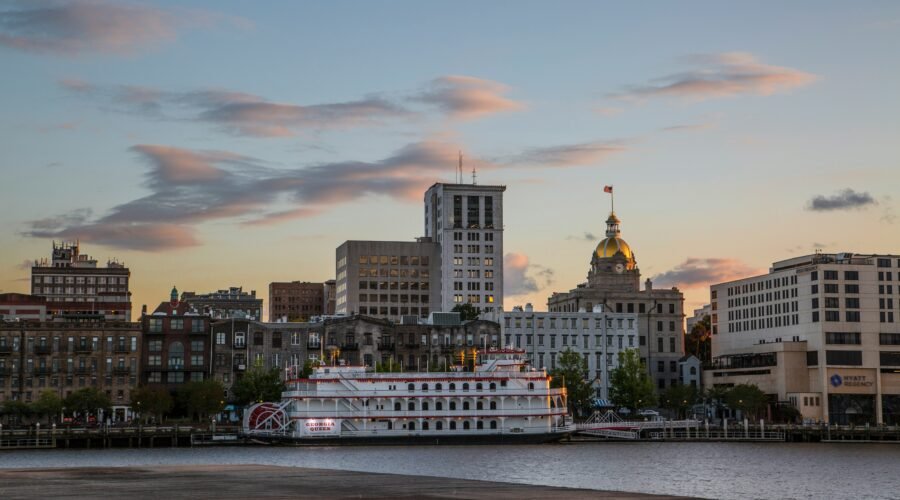
Planning a Savannah trip? The best time to visit Savannah, Georgia, depends on the weather you enjoy, your budget, and the events you want to experience. Spring brings flowering gardens, summer offers lively waterfront activities, fall makes walking more comfortable, and winter offers a quieter side of the city.
Quick Answer
The best time to visit Savannah, Georgia, is March through May or October through November. April offers spring flowers and comfortable walking weather, while October brings pleasant temperatures and fall events. January and February suit travelers seeking fewer crowds and potentially lower hotel rates. July and August are hot, humid, and better suited to visitors who enjoy summer activities.
Last checked: September 25, 2026. Dates and figures were verified against official sources.
Best Time to Visit Savannah, Georgia, by Month
April and October offer two of Savannah’s most comfortable combinations of temperature and outdoor activities. However, March can be exceptionally busy around St. Patrick’s Day, and October has its own festival crowds.
For a clearer comparison, the weather figures below come from NOAA’s 1991–2020 climate normals for Savannah International Airport. They represent historical averages, not a forecast for your travel dates.
The NOAA Savannah climate normals provide the average daily highs, lows, and monthly precipitation used in this guide.
| Month | Weather | Crowds | Costs |
|---|---|---|---|
| January | 61°F high / 40°F low | Generally low after New Year’s | Often lower |
| February | 65°F / 43°F | Low to moderate; event weekends busier | Often lower outside events |
| March | 71°F / 49°F | High around St. Patrick’s Day | Can rise sharply around events |
| April | 78°F / 55°F | Moderate to high | Often higher during spring events |
| May | 85°F / 63°F | Moderate to high | Varies by weekend |
| June | 90°F / 71°F | Variable; summer travel begins | Variable |
| July | 92°F / 74°F | Variable; holiday periods busier | Can rise around July 4 |
| August | 91°F / 73°F | Often lighter late in the month | Potential summer deals |
| September | 86°F / 69°F | Variable; festival dates busier | Potential shoulder-season deals |
| October | 79°F / 59°F | Moderate to high; festival weekends busy | Often higher on event weekends |
| November | 70°F / 48°F | Often lighter before Thanksgiving | Variable; holiday demand increases |
| December | 64°F / 43°F | Variable; holidays busier | Often higher around Christmas and New Year’s |
These crowd and cost descriptions are seasonal planning estimates, not measured hotel-price averages. Actual rates depend on your dates, accommodation, and local events.
Spring: Savannah’s Blooming Season (March–May)
Spring is one of Savannah’s most popular travel seasons. Azaleas brighten the historic squares, temperatures rise steadily, and the city hosts major cultural events.
It’s a fantastic time to explore on foot without dealing with the strongest summer heat. The trade-off is greater demand for accommodation, especially around major festivals.
What Is the Weather Like in Spring?
- March: The average high is 71°F, with a low of 49°F. Days are generally mild, but evenings can feel cool. Bring a light jacket for walks after sunset.
- April: Average temperatures reach 78°F during the day and 55°F overnight. It’s a comfortable month for outdoor dining, garden visits, and walking tours.
- May: The average high rises to 85°F, while the low reaches 63°F. Humidity becomes more noticeable as summer approaches, especially later in the month.
Spring rainfall is possible throughout the season. NOAA records average monthly precipitation of 3.50 inches in March, 3.39 inches in April, and 3.62 inches in May.
Spring Flowers, Festivals, and Busy Dates
Savannah’s spring calendar combines historic celebrations, live music, and garden tours. These events are worth considering when choosing accommodation dates.
- St. Patrick’s Day Parade: Savannah’s largest annual celebration brings substantial crowds to the Historic District. The city’s official parade information confirms that the 2026 parade took place on March 17, beginning at 10:15 a.m. The 2027 schedule had not yet been confirmed when this guide was checked.
- Savannah Music Festival: The festival features jazz, classical, folk, and other musical traditions. The official Savannah Music Festival website lists April 2–17, 2027, for its next festival.
- NOGS Tour of Hidden Gardens: This event opens selected private gardens in the Historic District. The Garden Club of Savannah has announced the 50th anniversary garden tour for April 16–17, 2027.
- Glennville Sweet Onion Festival: For travelers exploring other parts of Georgia, Glennville hosts its annual sweet onion celebration in May. The 2026 event took place on May 9. This is a separate destination rather than a Savannah neighborhood event.
Walking through Forsyth Park and Savannah’s public squares is a free way to enjoy the spring flowers. Garden tours and many festival performances require paid admission.
Who Should Visit Savannah in Spring?
Spring suits first-time visitors, photographers, garden lovers, and travelers planning several outdoor activities. April is particularly appealing if you want warm days without midsummer temperatures.
For a quieter spring trip, consider weekdays outside major event dates. March 17 and the surrounding celebration period are less suitable if your goal is a peaceful sightseeing vacation.
Summer: The Sultry Savannah Experience (June–August)
Summer in Savannah means embracing heat and humidity. Oak-shaded streets and air-conditioned museums become especially welcome during the afternoon.
If you can handle the heat, there’s still plenty to enjoy. Summer evenings, riverfront activities, and indoor attractions offer ways to experience the city without spending the entire day in direct sunlight.
Summer Temperatures and Rainfall
- June: The average high is 90°F, with a low of 71°F. It is also Savannah’s wettest month in the NOAA climate normals, averaging 6.65 inches of precipitation.
- July: Savannah’s hottest month averages 92°F during the day and 74°F at night. NOAA records an average of 24.6 days with highs of at least 90°F.
- August: Average temperatures remain high at 91°F during the day and 73°F overnight. Heat and humidity continue even as the summer holiday period begins winding down.
Afternoon thunderstorms are common during summer. They may bring temporary relief from the heat, but they can also interrupt outdoor tours and waterfront activities.
Summer Activities and Events
- Riverboat cruises: Evening cruises offer views of the Savannah River and waterfront. These are paid activities, and schedules vary by operator.
- Museums and historic houses: The Telfair Museums and Savannah’s historic house museums offer indoor activities during the hottest part of the day.
- Ghost tours: Evening tours can be more comfortable than daytime walking tours, although warm weather may continue after sunset.
- Fourth of July: Savannah celebrates Independence Day with riverfront activities and fireworks. Holiday crowds and accommodation demand can increase around July 4.
For free activities, explore Forsyth Park, walk through the historic squares, or enjoy views of the waterfront. Visit Savannah also lists the Savannah Belles Ferry and other free attractions.
How to Stay Comfortable in Summer
Plan longer outdoor walks for early morning or late afternoon. During midday, mix short sightseeing stops with indoor attractions and shaded breaks.
Carry drinking water, wear breathable clothing, and use sun protection. A small umbrella can also help with the frequent summer showers.
If you’re especially sensitive to heat, July and August may not be the right months for a walking-focused vacation. Travelers who prefer museums, dining, and evening activities may find the season easier to enjoy.
Fall: Savannah’s Golden Hour (September–November)

Fall offers a welcome change from Savannah’s summer heat. October and November are particularly comfortable for walking through the Historic District, visiting gardens, and enjoying outdoor dining.
September is still warm, while October brings milder days. November offers cooler evenings and a quieter atmosphere before the Thanksgiving and Christmas travel periods.
How Does Savannah’s Weather Change in Fall?
- September: The average high is 86°F, with a low of 69°F. Summer-like weather can continue, especially early in the month.
- October: Average temperatures fall to 79°F during the day and 59°F overnight. This makes October particularly comfortable for sightseeing.
- November: The average high drops to 70°F, with an overnight low of 48°F. Bring a jacket for evening walks and outdoor dining.
November is Savannah’s driest month in NOAA’s 1991–2020 normals, averaging 2.39 inches of precipitation. October averages 3.72 inches.
Fall Festivals and Seasonal Attractions
- Savannah Jazz Festival: This annual event brings jazz performances to venues around the city. The official 2026 Savannah Jazz Festival lineup included performances at Forsyth Park on September 18–19 and additional programming on September 20.
- SCAD Savannah Film Festival: The 2026 film festival runs October 24–31. Its program includes screenings, panels, and special events at venues around Savannah. Individual tickets and festival passes are available.
- November food events: Seasonal food festivals and culinary events take place in Savannah and surrounding communities. These can provide an enjoyable addition to a fall itinerary.
- Pre-holiday charm: Decorations and seasonal activities begin appearing in November, creating a festive atmosphere before the busiest holiday dates.
Fall is also a pleasant time to photograph Savannah’s historic buildings, shaded squares, and Spanish moss. Unlike destinations known for dramatic autumn foliage, Savannah retains much of its greenery throughout the year.
Who Should Visit Savannah in Fall?
October is a strong choice for travelers who want comfortable sightseeing weather and plenty of activities. November suits visitors who prefer cooler days, photography, and a slower pace.
However, major festival dates and Halloween weekends can bring higher demand. September may offer quieter periods, but it still has summer-like heat and a greater need to consider tropical weather.
Winter: Savannah’s Quiet Charm (December–February)

Winter offers a different Savannah experience. The Historic District is generally quieter after the holiday season, and cool weather makes daytime walking comfortable for many visitors.
It’s not traditional beach weather, but museums, restaurants, historic homes, and neighborhood walks remain appealing. January and February may also offer better accommodation value than popular spring travel periods.
Winter Weather and What to Pack
- December: The average high is 64°F, with a low of 43°F. Days can feel mild, but evenings are noticeably cooler.
- January: Savannah’s coldest month averages 61°F during the day and 40°F overnight. Occasional freezing temperatures are possible.
- February: The average high increases to 65°F, with a low of 43°F. Conditions gradually become more spring-like toward the end of the month.
Pack layers, including a warm jacket for evenings. You may also appreciate gloves or a hat during colder weather.
Winter Holidays and Events
- Savannah Christmas Market: Plant Riverside District hosts a holiday market with seasonal vendors, decorations, and entertainment. Visit Savannah lists the 2026 market beginning November 19.
- Christmas lights and decorations: Historic homes, businesses, and streets throughout Savannah display seasonal decorations during December.
- New Year’s Eve: Savannah’s Waterfront has scheduled its midnight fireworks show for December 31, 2026, welcoming 2027.
- Super Museum Sunday: Organized by the Georgia Historical Society, this annual event provides free admission to participating cultural institutions. The 2026 event took place on February 8.
- Savannah Book Festival: The next Savannah Book Festival is scheduled for February 4–7, 2027. Its Festival Saturday features free author presentations, while headline events are ticketed.
Why January and February Can Be Good Value
After the Christmas and New Year’s celebrations, Savannah generally sees lighter visitor demand. This can make January and February attractive for travelers looking for quieter streets and potentially lower hotel prices.
Winter is also a comfortable season for exploring museums and historic attractions without the summer heat. Popular restaurants may be easier to visit outside holiday and festival weekends.
Christmas and New Year’s are exceptions to the quieter winter pattern. Accommodation prices and crowds can increase around these holidays, so don’t assume every winter date offers a discount.
Considerations Beyond the Seasons
Weather is only one part of choosing the right travel dates. Events, hotel demand, your preferred activities, and tolerance for heat can all affect your Savannah experience.
Thinking about these details will help you choose a period that suits your travel style rather than relying on the season alone.
When Is the Cheapest Time to Visit Savannah?
January and February often offer better hotel value after the holiday rush. Some summer weekdays and late-August or September dates may also have attractive rates, depending on demand.
However, Savannah does not have one guaranteed cheapest month. Major events, holidays, conventions, and weekends can change accommodation prices considerably.
Compare hotel rates for the exact dates you’re considering rather than assuming an entire season will be inexpensive.
When Is Savannah Most Crowded?
Spring is a particularly popular season, especially around St. Patrick’s Day. Fall also attracts visitors for comfortable weather, festivals, and Halloween activities.
Expect additional demand around these periods:
- St. Patrick’s Day celebrations in March.
- Savannah Music Festival and spring garden-tour dates.
- Memorial Day and Independence Day weekends.
- October film festival and Halloween activities.
- Thanksgiving, Christmas, and New Year’s celebrations.
Hotel demand can also change when large conventions or other special events take place.
Does Hurricane Season Affect Savannah Travel?
Yes. Savannah lies on the Georgia coast, so tropical storms and hurricanes are an important consideration for summer and fall travel.
According to the National Hurricane Center, Atlantic hurricane season runs from June 1 through November 30. The climatological peak occurs around September 10, with most activity concentrated between mid-August and mid-October.
This does not mean a storm will affect Savannah during your visit. It means travelers should pay particular attention to forecasts and travel arrangements during the season.
Warning: If a tropical storm or hurricane threatens coastal Georgia, follow official weather alerts and local emergency instructions. Do not continue with planned outdoor activities when dangerous conditions are expected.
Which Season Suits Your Travel Style?
- Budget travelers: Consider January, February, or selected summer weekdays outside major events.
- Travelers avoiding crowds: Winter weekdays after New Year’s are worth considering.
- Festival fans: Spring and fall offer major music, film, garden, and cultural events.
- Visitors who dislike heat: March, April, October, and November are generally more comfortable than July or August.
- Photographers: Spring offers azaleas and flowering gardens, while fall provides comfortable conditions for exploring historic streets and squares.
- Summer travelers: Plan around museums, riverfront evenings, and shorter outdoor walks.
Key Takeaways
- March is pleasant for sightseeing, but St. Patrick’s Day brings exceptional demand.
- April combines flowering gardens with an average daytime high of 78°F.
- July is Savannah’s hottest month, averaging a high of 92°F.
- October offers comfortable weather but can be busy during major festivals.
- January and February are useful options for a quieter, potentially lower-cost trip.
Frequently Asked Questions
What is the best time of year to visit Savannah, Georgia?
The best time to visit Savannah, Georgia, is generally spring or fall. April and October offer particularly comfortable conditions for walking and outdoor activities. January and February are alternatives for travelers who prioritize smaller crowds.
What is Savannah’s weather like throughout the year?
Savannah has hot, humid summers and generally mild winters. Average daytime highs range from 61°F in January to 92°F in July. Spring and fall offer moderate temperatures, although rain can occur throughout the year.
When are the peak tourist seasons in Savannah?
Spring and fall are popular tourist seasons in Savannah. St. Patrick’s Day creates especially heavy demand in March, while major festivals attract visitors in April and October. Summer holidays and Christmas celebrations can also be busy.
How much does it cost to visit Savannah throughout the year?
Savannah’s travel costs vary by season, accommodation, and event dates. Hotels may cost more during St. Patrick’s Day, major festivals, and holidays. January and February often provide better value, but there is no fixed seasonal price for every visitor.
Which annual Savannah festivals should visitors consider?
Major Savannah events include the St. Patrick’s Day Parade, Savannah Music Festival, Savannah Jazz Festival, and SCAD Savannah Film Festival. Spring garden tours and winter holiday celebrations are also popular. Event schedules and admission requirements vary by year.
What is the cheapest month to visit Savannah?
January and February are often among the more affordable periods for visiting Savannah. Hotel demand generally falls after the holiday season, although special events can affect individual dates. Summer weekdays may also offer deals.
Does Savannah get hurricanes?
Savannah can be affected by tropical storms and hurricanes because it is located on Georgia’s coast. Atlantic hurricane season runs from June 1 through November 30, with activity usually peaking around September. A storm is not guaranteed during any particular visit.
When do azaleas bloom in Savannah?
Savannah’s azaleas generally bloom during spring, especially March and April. The exact timing depends on seasonal temperatures and weather conditions. The historic squares and Forsyth Park are popular places to enjoy the colorful displays.
For more information about the people behind this website, visit Lele Tours. You can also read how we review products to learn about our editorial approach.
Sources
- NOAA National Centers for Environmental Information: Savannah International Airport monthly temperature and precipitation normals, 1991–2020.
- City of Savannah: Official St. Patrick’s Day Parade information.
- Savannah Music Festival: Official festival information and 2027 dates.
- Garden Club of Savannah: 2027 NOGS Tour of Hidden Gardens dates.
- Savannah Jazz: Official 2026 festival lineup and performance dates.
- SCAD Savannah Film Festival: Official 2026 festival dates and attendance information.
- National Hurricane Center: Atlantic hurricane-season dates and historical activity patterns.
- Visit Savannah: Free attractions and activities.
- Visit Savannah: Savannah Christmas Market information.
- Savannah’s Waterfront: New Year’s Eve fireworks information.
- Georgia Historical Society: Super Museum Sunday dates and free admission information.
- Savannah Book Festival: Official 2027 festival dates and admission information.