

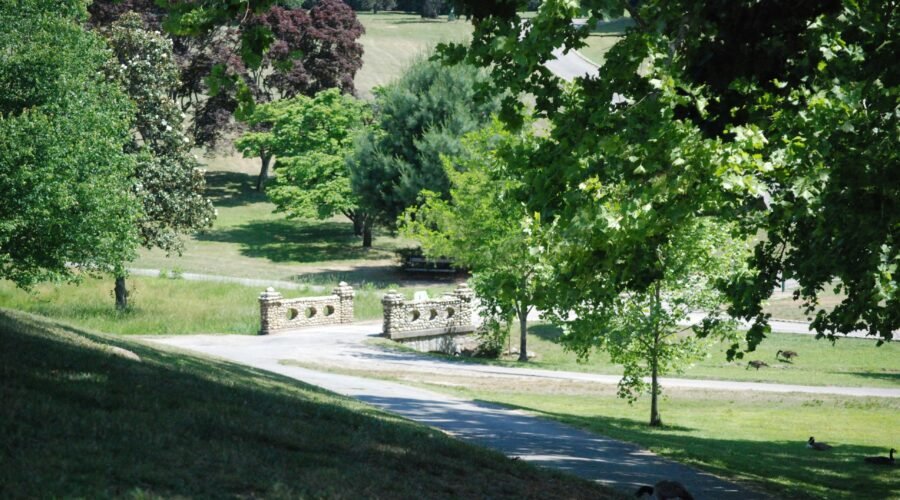
Planning a getaway to Virginia’s historic capital requires matching your interests with the region’s distinct seasonal shifts. For most travelers, the best time to visit Richmond, Virginia is during spring and fall, when mild temperatures make walking historic streets and exploring riverfront trails effortless. Summer brings vibrant river recreation and music festivals, while winter delivers quiet galleries, holiday light displays, and budget-friendly lodging.
Quick Answer
The best time to visit Richmond, Virginia is April through May and late September through October. During these months, daytime highs hover between 70°F and 81°F with lower humidity, making outdoor sightseeing, riverfront walking, and patio dining ideal. October also delivers vibrant fall foliage, while spring brings peak blooms across historic gardens.
Last checked: September 30, 2026. Dates and figures were verified against official sources.
Key Takeaways
- Best overall weather: April to May and late September through October offer mild temperatures and manageable rainfall for outdoor sightseeing.
- Peak fall foliage: Central Virginia autumn color usually peaks between mid- and late October, though rainfall patterns cause annual shifts.
- Top riverfront energy: June through August offers tubing and whitewater paddling, but pairs with daytime highs near 90°F and afternoon storms.
- Quietest travel window: January and February bring the lowest crowd levels and museum-friendly schedules, outside holiday long weekends.
- Festival price surges: Downtown hotel rates spike during signature multi-day gatherings like the Richmond Folk Festival (October 9–11, 2026).
1. Why Spring and Fall Are the Best Time to Visit Richmond, Virginia
Spring and fall represent the sweet spot for a Richmond itinerary. Both seasons combine comfortable daytime warmth with crisp evenings, allowing visitors to walk historic neighborhoods, bike scenic pathways, and dine outdoors without enduring summer humidity or winter freezes.
To plan your dates effectively, review the National Oceanic and Atmospheric Administration (NOAA) 1991–2020 climate normals recorded at Richmond International Airport. These long-term meteorological baselines provide reliable expectations for seasonal weather patterns.
| Season | Normal High Range | Normal Low Range | Normal Seasonal Precipitation |
|---|---|---|---|
| Spring (March–May) | 59.6°F to 77.8°F | 37.2°F to 55.7°F | 11.18 in. |
| Summer (June–August) | 85.6°F to 89.5°F | 64.5°F to 69.2°F | 13.91 in. |
| Fall (September–November) | 60.4°F to 81.2°F | 38.8°F to 61.1°F | 11.06 in. |
| Winter (December–February) | 47.8°F to 51.6°F | 28.8°F to 32.1°F | 9.35 in. |
Note: Official normals reflect 30-year averages documented in the National Weather Service Richmond climate records. Actual day-to-day weather can shift rapidly, so verify local forecasts within 48 hours of travel.
Spring in Richmond: April to May (and March Shoulder)
Spring brings blooming dogwoods, outdoor festival kickoffs, and comfortable walking temperatures to central Virginia. While March remains brisk with normal highs of 59.6°F and lows of 37.2°F, April warms quickly to an average high of 70.4°F, followed by a pleasant 77.8°F in May.
Precipitation totals average 3.18 inches in April and 4.00 inches in May, arriving mostly in brief spring showers rather than day-long washouts. Walking along the historic cobblestones of Church Hill, touring Capitol Square, or wandering the 100-acre historic grounds and Japanese gardens at Maymont (open daily with free grounds admission) is exceptionally comfortable in late spring.
Outdoor sports enthusiasts gather in mid-May for Dominion Energy Riverrock (May 15–17, 2026), the nation’s premier outdoor sports and music festival held on Brown’s Island. Expect higher pedestrian crowds and elevated weekend hotel rates across downtown during event dates.
Fall in Richmond: September to October (and November Transition)
Autumn delivers clear skies, dropping humidity, and vivid canopy color along the James River fall line. September keeps lingering summer warmth with average highs of 81.2°F, while October brings quintessential crisp autumn weather, averaging daytime highs of 70.9°F and overnight lows of 49.0°F.
According to the Virginia Department of Forestry fall foliage report, statewide leaf color typically peaks between October 10 and October 31. Central Virginia and the Richmond riverfront generally reach peak visual brilliance during the third and fourth weeks of October.
Autumn also hosts Richmond’s largest gathering of the year: the Richmond Folk Festival (October 9–11, 2026). This free three-day celebration attracts hundreds of thousands of spectators to the downtown riverfront, making early accommodation bookings essential for October weekends.
2. Summer in Richmond: June Through August
Summer brings long daylight hours, lively brewery patios, and popular river recreation, but pairs with significant heat and humidity. Visitors planning summer trips should schedule walking tours and strenuous outdoor activities for early morning or dusk to avoid midday sun exposure.
NOAA normals record average daytime highs of 85.6°F in June, climbing to 89.5°F in July and 87.5°F in August. Nighttime lows stay warm, averaging between 64.5°F and 69.2°F, which limits natural evening cooling across urban districts.
July is Richmond’s hottest month by 1991–2020 normal daytime high, averaging about 89.5°F at Richmond International Airport.
Summer is also Richmond’s wettest meteorological season, producing 13.91 inches of rainfall. Most of this moisture arrives through sudden, heavy late-afternoon thunderstorms that trigger localized flash flooding and rapid river surges.
Warning: The James River contains natural Class I through Class IV rapids, underwater rocks, and powerful hydraulic currents. Richmond city ordinance requires personal flotation devices (life vests) whenever the river level exceeds 5 feet, and high-water closures take effect at 9 feet. Check current river conditions on the City of Richmond James River Park System page before swimming, kayaking, or paddleboarding.
3. Winter in Richmond: December Through February

Winter offers a relaxed pace, lower hotel demand, and comfortable indoor sightseeing throughout Richmond’s cultural hubs. Temperatures drop considerably, with daytime highs averaging 47.8°F to 51.6°F and overnight lows dipping below freezing to 28.8°F in January.
Normal winter precipitation totals 9.35 inches across the three-month period. Richmond averages around 8.8 inches of seasonal snow, though snowfall is unpredictable and often melts quickly within 24 to 48 hours.
Chilly winter afternoons are ideal for indoor exploration. The renowned Virginia Museum of Fine Arts houses over 50,000 works of art, operates 365 days a year, and provides free general admission daily. Winter travelers can also tour the Science Museum of Virginia, explore the American Civil War Museum at Historic Tredegar, or experience the Dominion Energy GardenFest of Lights at Lewis Ginter Botanical Garden through early January.
4. Major Richmond Festivals and Annual Event Dates

Local event dates often dictate travel costs and hotel availability more than broad seasonal averages. Major cultural festivals draw thousands of regional visitors, compressing room inventory in Downtown, Carytown, and Scott’s Addition.
Key annual gatherings to factor into your Richmond travel itinerary include:
- Dominion Energy Riverrock: May 15–17, 2026. A free three-day riverfront festival on Brown’s Island featuring trail races, boulder climbing, kayak runs, and live concerts.
- Richmond Jazz and Music Festival: August 8–9, 2026. Premier national jazz, R&B, and soul performances hosted on the lawn at Maymont; verify tickets and gate schedules on the official Richmond Jazz and Music Festival site.
- Richmond International Film Festival (RIFF): September 22–27, 2026. Six days of independent film screenings, panels, and music sets across historic city venues; review schedules on the official Richmond International Film Festival site.
- Richmond Folk Festival: October 9–11, 2026. One of the nation’s largest traditional music celebrations, drawing over 200,000 attendees to the James River riverfront; consult logistics via official Richmond Folk Festival information.
- Year-Round Music Venues: Note that historic venues like The Broadberry operate year-round concert schedules rather than seasonal multi-day festivals, requiring individual ticket checks.
Pro Tip: For major weekend events like the Folk Festival or Riverrock, lock in refundable hotel reservations four to six months in advance. If your primary goal is quiet sightseeing, schedule your trip for the weekend immediately before or after these dates to avoid congestion and premium room rates.
Planning Around Weekends vs. Weekdays
Weekend trips feature bustling farmers’ markets, lively rooftop bars, and vibrant commercial shopping along Cary Street. However, popular brunch spots and reservations-only dinner venues in the Fan District or Church Hill regularly book out two to three weeks ahead.
Midweek visits (Tuesday through Thursday) offer easier parking near downtown historic sites, quieter museum galleries, and significantly broader hotel availability. Business travelers occupy downtown hotels mid-week, so boutique hotels in surrounding neighborhoods often deliver the best weekday rates.
5. Choosing Your Trip: Match Seasons to Your Travel Style
Selecting the ideal month depends entirely on your primary travel objective. Whether you are balancing outdoor hiking comfort, foliage photography, family water activities, or strict lodging budgets, each season serves a distinct profile.
| Months | Weather Profile | Crowd Levels | Lodging Costs |
|---|---|---|---|
| March–May | Crisp to warm; April–May brings mild 70°F to 78°F highs | Moderate; surges during university graduations & Riverrock | Moderate to high on spring weekends |
| June–August | Hot (highs near 90°F), humid, with frequent thunderstorms | Heavy at river access parks, breweries, and outdoor events | Variable; weekday business deals available |
| September–November | Warm September (81°F); crisp, clear October (71°F) | Peak tourism crowds during October foliage and festival dates | Highest annual weekend rates in October |
| December–February | Chilly (highs 48°F to 52°F, lows ~30°F); occasional snow | Lowest crowds, except during December holiday attractions | Lowest rates of the year in January and February |
When to Visit for the Best Weather
Target mid-April through May or October for the highest concentration of clear, mild days. These windows provide daytime warmth between 70°F and 78°F, comfortable humidity levels, and minimal risk of disruptive summer heatwaves or winter freezes.
When to Visit for Lower Costs and Budget Stays
Travelers seeking competitive hotel rates should target January and February. With holiday crowds gone and business travel reduced, downtown and West End hotels offer their lowest nightly pricing of the year.
When to Visit to Avoid Crowds
For quiet gallery walks, accessible river trails, and walk-in restaurant seating, choose late winter or midweek dates in late spring. Avoid traveling during VCU and University of Richmond spring commencement weekends in mid-May or the Richmond Folk Festival in mid-October.
6. Essential Packing and Weather Preparedness
Packing for Richmond requires versatile layers, as day-to-night temperatures regularly swing by 20°F to 25°F during spring and fall. A cool 48°F morning in October can easily transition into a sunny 72°F afternoon.
Seasonal Layering Guide
- Spring and Fall: Bring breathable short-sleeve shirts, a fleece or lightweight merino sweater, comfortable walking sneakers, and a water-resistant windbreaker.
- Summer: Pack lightweight, moisture-wicking fabrics, broad-spectrum sunscreen, sunglasses, a sun hat, and a packable compact umbrella for sudden downpours.
- Winter: Pack an insulated winter coat, knit hat, gloves, warm socks, and weather-resistant leather boots suitable for damp sidewalks and park trails.
Year-Round Travel Essentials
Because Richmond is best explored on foot across brick-lined streets, canal paths, and suspended pedestrian bridges, supportive footwear is non-negotiable. Bring a reusable water bottle to stay hydrated during outdoor walks, especially between June and August.
Tropical Weather and Storm Awareness
The Atlantic hurricane season runs from June 1 through November 30. Although Richmond sits approximately 100 miles inland from the Atlantic coastline, passing tropical depressions and remnants can bring localized flash flooding, prolonged rainfall, and damaging wind gusts to Central Virginia.
The local health department notes that late summer and early autumn require elevated vigilance. Travelers should review local forecasts and consult the Richmond City Health District hurricane preparedness guidance for emergency safety protocols when tropical weather threatens the mid-Atlantic.
For more details on how our team handles travel information and editorial disclosures, please review our site disclaimer. You can also explore our story on the About Us page or reach out directly through the Contact Us page.
Frequently Asked Questions
What is the best time of year to visit Richmond, Virginia for favorable weather?
For most travelers, April through May and late September through October provide the most pleasant weather in Richmond. Daytime temperatures typically range from 70°F to 81°F with moderate humidity, ideal for walking historic districts, touring gardens, and enjoying riverfront trails.
When is the peak tourist season in Richmond, Virginia?
Richmond experiences its highest tourism spikes during October festival weekends and summer school break periods. Major events like the Richmond Folk Festival in mid-October and Dominion Energy Riverrock in May create the city’s largest weekend influxes of travelers.
What is the off-peak season in Richmond for lower crowds and costs?
January and February constitute Richmond’s off-peak winter season. Outside of holiday long weekends, visitor numbers decline, providing quiet museum visits and the most competitive hotel rates of the entire year.
What are the average costs of visiting Richmond during the busiest periods?
Travel costs fluctuate based on neighborhood demand and event schedules. Weekend hotel rates frequently rise 30% to 50% during signature October festivals compared to quiet winter dates, making early reservations critical for peak periods.
Which major 2026 events should Richmond visitors know about?
Key 2026 dates include Dominion Energy Riverrock (May 15–17), the Richmond Jazz and Music Festival (August 8–9), the Richmond International Film Festival (September 22–27), and the Richmond Folk Festival (October 9–11). These major events significantly impact weekend accommodation availability.
When is the best time to see fall foliage in Richmond?
Peak autumn color in Central Virginia usually arrives between mid- and late October. The Virginia Department of Forestry notes statewide peaks occur from October 10 to October 31, with riverfront parks offering exceptional canopy views.
Is summer too hot for a Richmond trip?
Summer can feel hot and muggy, with July highs averaging 89.5°F and elevated humidity. However, travelers who plan outdoor activities for early mornings and take midday breaks in air-conditioned museums find summer vibrant and enjoyable.
Sources
- National Weather Service — Richmond Climate Records: 1991–2020 normal temperatures, precipitation, and historical climate data.
- Virginia Department of Forestry: Annual Central Virginia fall foliage timelines and peak color windows.
- City of Richmond — James River Park System: River safety rules, water level stages, and recreational permits.
- Sports Backers — Dominion Energy Riverrock: Official 2026 dates, schedule, and Brown’s Island event details.
- Richmond Folk Festival: Official 2026 dates, riverfront festival footprint, and logistics.
- Richmond International Film Festival: Official 2026 schedule and downtown screening venues.
- Richmond Jazz and Music Festival: Official 2026 Maymont event information and lineup.
- Maymont: Operating hours, historic mansion tours, and public grounds access.
- Virginia Museum of Fine Arts: 365-day operating calendar and permanent collection admission details.
- Richmond City Health District: Regional hurricane and severe tropical weather preparedness guidance.



[…] you are building a longer Virginia trip, pair Williamsburg with Richmond, the state capital roughly an hour west, or with the beaches and boardwalk of Virginia Beach. […]
[…] pairs well with other Virginia stops. Richmond is the nearest big city, roughly 70 miles east, and Williamsburg adds colonial history about two […]