

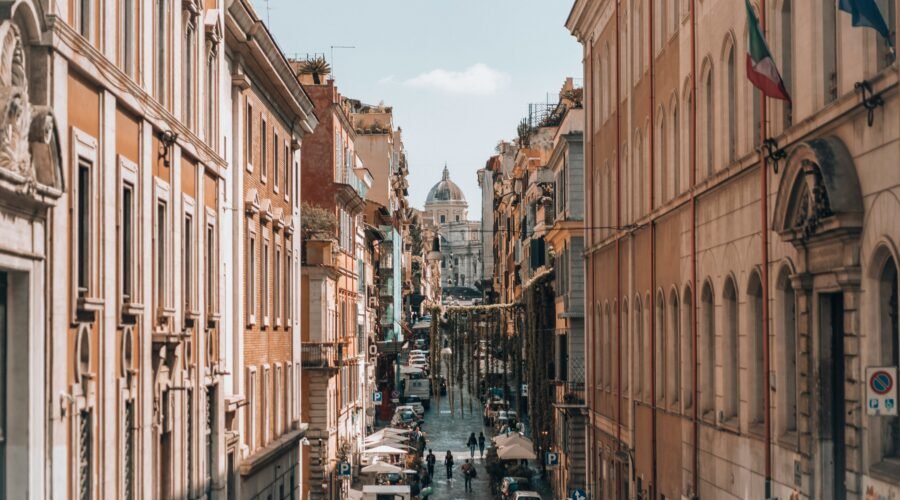
Choosing the best time to visit Lazio, Italy, depends on what you want from the trip. For most travelers, spring and autumn offer the strongest balance of comfortable sightseeing weather, manageable heat, and better value than the busiest summer periods. However, conditions can differ considerably between Rome, the coast, and Lazio’s cooler inland and higher-elevation areas.
Quick Answer
For most travelers, the best time to visit Lazio is late April through May or September through early October. These periods usually offer comfortable conditions for Rome, archaeological sites, hill towns, and outdoor activities without the strongest midsummer heat. For lower prices and lighter crowds, consider November through February outside major holidays.
Key Takeaways
- Best overall balance: Late April-May and September-early October.
- Best for lower demand: November-February outside Christmas, New Year, and major events.
- Best for beaches: Summer, with late spring and September offering a quieter alternative.
- Hottest period: July and August, especially in Rome and lower-elevation inland areas.
- Important: Lazio’s coast, Rome, inland valleys, hills, and mountain areas do not share identical temperatures.
Understanding Lazio’s Climate Before You Choose a Month
Lazio has a broadly Mediterranean influence, but describing the entire region with one temperature range is misleading. An official Regione Lazio climate analysis notes that coastal areas are comparatively mild, while inland areas have a more continental climate and become colder with elevation.
Along the coast, the regional analysis describes average temperatures of roughly 9-10°C (48-50°F) in January and 24-25°C (75-77°F) in July. Inland destinations can be substantially colder in winter, particularly around higher parts of the Rieti area. Rome itself is generally mild in winter and hottest in July and August, according to Turismo Roma.
Note: Treat monthly temperature figures for Rome as a planning reference, not as a forecast for all of Lazio. A beach day near the Tyrrhenian coast and a day in higher inland country can feel very different.
Spring in Lazio: March to May
Spring is one of the strongest seasons for sightseeing. Temperatures become progressively milder, daylight increases, gardens and countryside turn greener, and walking around Rome, Tivoli, Viterbo, or archaeological sites is usually more comfortable than during midsummer.
March: Cool, Changeable, and Often Quieter
March can still feel wintry on cooler mornings, especially inland. Mild sunny spells are also common, so layers are more useful than relying on one heavy coat.
- Weather: Expect a mix of cool and mild days, occasional rain, and cooler evenings. Inland and elevated areas may feel noticeably colder than Rome or the coast.
- Crowds: Demand is often lower than later in spring, but the picture changes if Easter or a major event falls in March.
- Costs: Hotels can offer better value than in late spring, although weekends and events can still raise rates.
April: Mild Weather and Rising Demand
April is an attractive sightseeing month because conditions are commonly mild without the persistent heat associated with summer. Rain is still possible, so a compact umbrella or light waterproof layer is sensible.
- Weather: Generally mild, with a mix of sun and spring showers.
- Crowds: Visitor numbers increase, particularly in Rome. Holy Week and Easter can produce a sharp surge in demand.
- Costs: Accommodation and airfares often rise around Easter and popular spring weekends.
Easter changes dates each year, so check the current calendar before booking. Religious celebrations are especially important around Rome and Vatican City.
May: One of the Best All-Round Months
May is one of the easiest months for combining urban sightseeing with day trips, gardens, countryside visits, and outdoor dining. It is warmer than early spring but usually less oppressive than high summer.
- Weather: Typically warm and pleasant, although rain cannot be ruled out.
- Crowds: Rome and major attractions can already be busy, so May should not be treated as a quiet month.
- Costs: Demand is stronger than in winter or early March, and popular properties can price accordingly.
Summer in Lazio: June to August
Summer brings long daylight hours, beach season, outdoor dining, and the strongest heat. It is ideal for travelers who prioritize the coast, but sightseeing in Rome and exposed archaeological areas can become tiring during hot afternoons.
June: Warm Weather Before the Strongest Heat
June often provides a useful compromise for travelers who want summer conditions without waiting for the hottest part of July and August.
- Weather: Warm to hot, with increasingly dry conditions as summer develops.
- Crowds: Visitor pressure is substantial in Rome and increases at coastal destinations.
- Costs: Prices generally move toward high-season levels, especially for well-located accommodation.
July and August: Heat, Beaches, and High Demand
July and August are the hottest part of the year around Rome, and hot spells can be intense. Coastal resorts also become much busier as Italians and international visitors head to the sea.
Warning: During a heat wave, avoid planning your longest outdoor walks for the hottest part of the day. Italy’s Ministry of Health publishes heat-wave bulletins from May through September. Carry water, use sun protection, and schedule exposed archaeological sites for morning or later afternoon when possible.
- Weather: Hot and generally dry at lower elevations, although mountain areas are cooler and local storms can still occur.
- Crowds: Coastal destinations can be extremely busy. Rome also receives heavy international tourism even when many residents leave the city for holidays.
- Costs: Beach destinations often command peak-season rates. Rome pricing can vary by neighborhood, event calendar, and exact dates, so do not assume every August stay will cost the same.
August 15 is Ferragosto, one of Italy’s major public holidays. Some offices and businesses close or reduce operations, while beaches and leisure destinations can be especially busy. Italy’s official tourism portal lists Ferragosto among the country’s national holiday dates.
Autumn in Lazio: September to November
Autumn is another strong season for Lazio. September retains much of summer’s warmth, while October and November gradually become cooler and wetter. This is a particularly good period for travelers who want outdoor sightseeing without July-August heat.
September: Warm and Still Popular
September often feels more like late summer than autumn, especially during the first half of the month. The coast can remain appealing, while city sightseeing becomes more comfortable as the strongest heat begins to ease.
- Weather: Warm, often sunny, with cooler conditions developing later in the month.
- Crowds: September remains a popular travel month and should not be considered low season.
- Costs: Prices may soften from midsummer peaks in some locations, but central Rome and highly rated properties can remain expensive.
October: Mild but More Changeable
October can be excellent for Rome, Tivoli, hill towns, archaeological sites, and walking trips. The main trade-off is that autumn rainfall becomes more likely than it was in summer.
- Weather: Usually mild enough for extensive sightseeing, but cooler evenings and rainy periods become more common.
- Crowds: Often more manageable than September, although famous Rome attractions can remain busy.
- Costs: Better deals may appear, but October is now popular enough that bargain pricing is not guaranteed.
November: Late Autumn and Lower Demand
November is late autumn, not the beginning of winter. It tends to be cooler and can be wetter, but travelers who prioritize museums, food, historical sites, and lower demand may find the trade-off worthwhile.
- Weather: Cool and increasingly changeable. Turismo Roma identifies November as one of the periods when rainfall is more concentrated around the city.
- Crowds: Generally lower than spring, summer, and early autumn, although major Rome attractions are not empty.
- Costs: Accommodation can be relatively good value outside major events and holiday weekends.
Winter in Lazio: December to February
Winter is the quietest broad travel period for many parts of Lazio, but conditions differ sharply between the mild coast and colder inland areas. It suits travelers who prefer museums, food, churches, archaeology, and city sightseeing over beach time.
December: Cool with Holiday Demand
December combines cooler weather with Christmas lights, seasonal markets, religious celebrations, and a busier festive period in Rome.
- Weather: Cool, with rain possible. Frost becomes more plausible inland than in central Rome.
- Crowds: Early December can be relatively calm, while Christmas and New Year create a noticeable increase in visitors.
- Costs: Often moderate outside the festive period, then higher around Christmas and New Year.
January and February: Cooler, Often Better Value
January and February are among the coolest months, but describing both as Lazio’s wettest months is too simple. Around Rome, official tourism guidance notes rainfall particularly in November and February.
- Weather: Cool, with sunny intervals as well as rainy periods. Higher inland areas can be much colder.
- Crowds: Usually lower than in spring or autumn, but Rome remains a year-round destination.
- Costs: These months often provide attractive hotel rates outside major events, although prices still vary by property and date.
Major attractions do not simply shut for winter. Some use shorter seasonal hours. For example, the Colosseum remains open in winter but closes earlier than during the long summer schedule, so check each attraction’s current official timetable before visiting.
If you’re comparing seasonal travel patterns beyond Italy, you can also see our guide to the best time to visit Gerze, Sinop in Turkey.
Navigating Crowds: When Is Lazio Quietest?
The number of visitors you encounter depends heavily on where you go. Rome has a much stronger year-round tourism market than many smaller Lazio towns, while coastal destinations are far more seasonal.
Rome recorded 22.9 million tourist arrivals and 52.92 million overnight presences in 2025, according to Roma Capitale. Even the traditional low season should therefore be considered “quieter,” not empty.
Better Periods for Lower Crowds
- January and February: Usually among the calmer months outside special events and holidays.
- November: Cooler weather tends to reduce leisure demand compared with September and October.
- Early March: Can be a useful compromise before the main spring surge, depending on Easter timing.
- Late October: Often calmer than September while still offering reasonable sightseeing conditions.
Periods When Demand Can Rise Sharply
- Holy Week and Easter: Especially important for Rome and Vatican-related travel.
- May and June: Excellent weather makes these months extremely appealing for sightseeing.
- July and August: High season for Lazio’s beaches and summer leisure destinations.
- September: Popular with travelers seeking warm weather without peak midsummer heat.
- Christmas and New Year: Rome experiences another festive demand spike.
Pro Tip: For famous Rome attractions, choose your dates first and then check the official booking window. Some high-demand sites release timed tickets on a fixed schedule, so “traveling off-season” does not remove the need to plan ahead.
Budgeting Your Trip: When Lazio Can Cost Less

Travel costs fluctuate throughout the year, but there is no single month that is guaranteed to be cheapest across all of Lazio. Airfare, hotels, vacation rentals, and tours react to events, holidays, weekends, local demand, and how early you book.
When Better Value Is More Likely
- January and February: Often favorable for Rome hotel rates outside major events.
- November: Lower leisure demand can create useful accommodation deals.
- Early March: Can offer good value before stronger spring demand arrives.
When Prices Often Increase
- Easter and Holy Week: Religious travel and holiday demand can raise accommodation prices in Rome.
- Late spring: May and June are highly desirable sightseeing months.
- July and August on the coast: Beach accommodation is in peak demand.
- September: Strong weather and continued international demand can keep rates elevated.
- Christmas and New Year: Festive travel creates another short high-demand period.
August is particularly location-dependent. Lazio’s coastal resorts can be expensive and crowded, while some urban neighborhoods may feel quieter because local residents are away. Always compare prices for your exact dates rather than relying only on the season label.
Choosing the Best Time Based on What You Want to Do

Your interests may matter more than the calendar itself. The best month for museums is not necessarily the best month for beaches, hiking, or seasonal food.
For Food Lovers
Lazio’s food culture is worth exploring year-round, but seasonal ingredients change the experience.
- Autumn: Harvest dishes, grapes, new-season olive oil, mushrooms, and truffle dishes become more prominent in many inland areas. Lazio regulates several truffle species with different harvesting periods; for example, the regional calendar allows white-truffle harvesting from October through December.
- Spring: Roman and Lazio menus commonly become brighter with seasonal vegetables such as artichokes, peas, and asparagus.
Travelers interested in truffles should remember that availability varies by species and area rather than assuming all of Lazio has one universal “truffle season.” Official information is available from Regione Lazio.
For Art, Archaeology, and History
Lazio’s historical attractions are available throughout the year, but comfortable walking conditions can make an enormous difference.
- April-May and September-October: Usually the easiest balance for long walking days, archaeological sites, and day trips.
- January-February: Useful for travelers who accept cooler weather in exchange for generally lighter demand.
- July-August: Still workable, but schedule exposed ruins for morning or late afternoon and allow indoor breaks during the hottest hours.
For Beaches and Outdoor Activities
Lazio has a long Tyrrhenian coastline with beach destinations including areas around Santa Marinella, Sabaudia, Sperlonga, Gaeta, and the Rome coast. Visit Lazio describes the region’s beaches and coastal activities as a major part of the tourism offering.
- June-September: The most reliable period for a classic summer beach trip and full coastal-season atmosphere.
- Late May and September: Useful alternatives if you want beach time with somewhat less intense midsummer demand.
- April-May and September-October: Strong periods for hiking, walking, countryside trips, and parks because temperatures are typically easier for sustained activity.
See the official Visit Lazio sea and beaches guide when choosing a coastal base.
If you are comparing Lazio with a cooler European city, our guide to the best time to visit Edinburgh covers the same weather, crowd, and cost considerations for Scotland.
Best Time to Visit Lazio Month by Month
| Month | Typical Weather | Relative Crowds | Relative Costs | Best For |
| January | Cool; rain possible | Low to medium | Often lower | Museums, Rome, budget trips |
| February | Cool; rain can be frequent | Low to medium | Often lower | Culture and lower demand |
| March | Cool to mild; changeable | Medium | Low to medium | Early spring sightseeing |
| April | Mild; showers possible | Medium to high | Medium to high around Easter | Walking and archaeology |
| May | Warm and generally pleasant | High in major sights | Medium to high | Best all-round sightseeing |
| June | Warm to hot | High | High | Beaches plus sightseeing |
| July | Hot and generally dry | High | High, especially coast | Beach holidays |
| August | Hot; heat waves possible | High at beaches and sights | Highly location-dependent | Coast and summer atmosphere |
| September | Warm; late-summer feel | High to medium | Medium to high | Beaches and sightseeing |
| October | Mild; increasingly changeable | Medium | Medium | Walking, food, history |
| November | Cooler and wetter | Low to medium | Often lower | Food, culture, value |
| December | Cool; rain possible | Medium; higher at holidays | Variable | Christmas atmosphere |
Making Your Final Decision: Weighing Weather, Crowds, and Cost
Ultimately, the best time to visit Lazio depends on your priorities rather than one universal “perfect” month.
- If you prioritize comfortable sightseeing weather: Aim for late April through May or September through early October.
- If you prioritize lower demand and potentially better prices: Consider January, February, November, or early March outside major events and holidays.
- If you want a classic Italian summer trip: June through August delivers heat, long days, active beach resorts, and a lively seasonal atmosphere.
- If beaches are your main goal: Summer is the most dependable choice, with late May and September useful shoulder-season alternatives.
- If you dislike heat: Avoid relying on July and August for long daytime walks around Rome and exposed archaeological sites.
No matter which month you choose, Lazio offers Rome’s historic core, major archaeological sites, hill towns, lakes, countryside, mountains, and the Tyrrhenian coast. Choosing your season around the specific part of Lazio you plan to explore will give you a more reliable trip than relying on a single region-wide weather rule.
Frequently Asked Questions
What is the best time to visit Lazio, Italy for favorable weather?
For most sightseeing trips, late April through May and September through early October offer the best balance of mild-to-warm conditions and less intense heat than July and August. Weather still varies between the coast, Rome, inland valleys, and higher elevations.
When is the peak tourist season in Lazio?
Summer is the main high season for Lazio’s coastal destinations, while Rome experiences heavy tourism across much of the year. May, June, September, Holy Week, Easter, and the Christmas-New Year period can also be very busy.
What is the shoulder season in Lazio?
April-May and September-October are the main shoulder periods for many Lazio trips. They combine comfortable sightseeing conditions with less extreme heat, although Rome can still be crowded and prices are not necessarily low.
When is the off-peak season in Lazio?
November through February is generally the lowest-demand period, excluding Christmas, New Year, special events, and religious travel dates. Major attractions remain open in winter, although some operate shorter seasonal hours.
How does the cost of visiting Lazio vary throughout the year?
Prices are dynamic. January, February, November, and early March often provide better accommodation value, while Easter, late spring, summer beach season, September, and major holidays can increase rates. Your exact neighborhood, event calendar, and booking date can matter as much as the month.
What is the best time for a beach holiday in Lazio?
June through September is the main period for a classic beach holiday. July and August provide the strongest summer atmosphere but also bring the largest coastal crowds, while late May and September can be more relaxed.
When should I visit Rome if I want fewer crowds?
January, February, November, and parts of early March are generally quieter than late spring or early autumn. However, Rome is a year-round destination, so famous attractions can still be busy even during the traditional low season.
Sources
- Regione Lazio — Climate conditions and expected impacts — supports regional differences between the coast and inland Lazio.
- Turismo Roma — Climate — supports Rome’s seasonal heat, rainfall, and spring/autumn travel guidance.
- Italian Ministry of Health — Heat-wave bulletins — supports summer heat-risk planning.
- Roma Capitale — 2025 tourism record — supports current Rome crowd and visitor-demand context.
- Visit Lazio — Sea and Beaches — supports Lazio coastal and beach-travel information.
- Italia.it — Public holidays in Italy — supports Ferragosto and other holiday-planning considerations.

[…] If your central-Italy itinerary includes Rome or neighboring regions, compare seasonal conditions with this guide to the best time to visit Lazio, Italy. […]