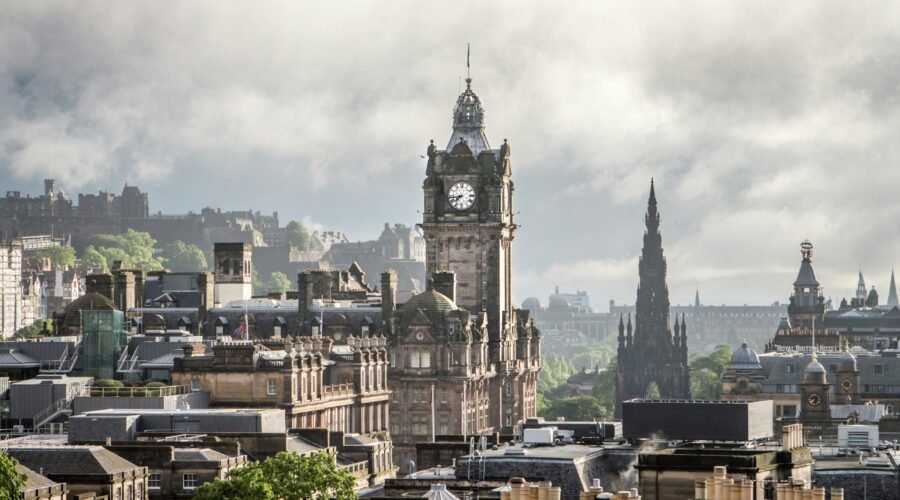
Figuring out the best time to visit Edinburgh comes down to three things: weather, crowds, and your budget. Scotland’s capital has something to offer in every season, but your experience can change quite a bit depending on when you go. Spring and autumn offer a good balance, summer brings warmer weather and major festivals, and winter gives you a quieter side of the city outside the festive holidays.
Quick Answer
The best time to visit Edinburgh for a balance of weather, crowds, and costs is April, May, September, or early October. Choose July or August for warmer weather and festivals, although accommodation is usually more expensive. January, February, and November are generally quieter and better suited to budget-conscious visitors.
Key Takeaways
- Best overall balance: April, May, September, and early October offer pleasant sightseeing conditions without the full intensity of the August festival season.
- Warmest weather: July and August have average daytime highs of approximately 19°C.
- Best for festivals: August brings the Edinburgh Festival Fringe, International Festival, and several other major events.
- Quieter and potentially cheaper: January, February, and November are worth considering, although prices depend on your travel dates.
- Festive atmosphere: Late November and December bring Christmas attractions, while Hogmanay draws visitors around New Year’s Eve.
- Budget reminder: Edinburgh introduced a 5% visitor levy on qualifying overnight accommodation from July 24, 2026.
1. Spring: A Fresh Start in Edinburgh (March–May)
Spring in Edinburgh is like watching the city slowly shake off its winter coat. The first hints of green appear in its parks and gardens, daylight increases, and the city generally feels less hectic than it does during the summer festivals.
If you enjoy walking, sightseeing, and spending time outdoors without the biggest summer crowds, spring is well worth considering.
1.1. Weather: Mild and Unpredictable
Spring temperatures rise gradually rather than suddenly. According to the Met Office’s 1991–2020 climate averages for Edinburgh’s Royal Botanic Garden station, average daily highs increase from approximately 10°C in March to 12°C in April and 15°C in May.
- Temperatures: March can still feel distinctly wintry, especially in the morning and evening. April becomes milder, while May offers more comfortable conditions for extended walks.
- Sunshine and rain: Spring can bring a mix of bright skies, cool winds, and showers. April and May are relatively dry by Edinburgh’s annual standards, but rain remains possible.
- Daylight: Days become noticeably longer as spring progresses, giving you more time to explore before evening.
- What to wear: Pack layers, comfortable walking shoes, and a waterproof jacket. A warm jumper is useful even when the afternoon forecast looks pleasant.
May is particularly appealing if sunshine matters to you. The Met Office’s 1991–2020 averages record approximately 195 hours of sunshine in May at this station, more than in any other month of the year.
You can check the complete figures in the Met Office’s Edinburgh climate averages.
1.2. Crowds: A Gradual Increase
- Early spring (March): Visitor demand is generally lower than in peak summer. Popular attractions still receive visitors, but you may find more flexibility when planning your day.
- Late spring (April–May): Visitor numbers tend to increase as the weather improves. Easter and school holidays can create busier periods, particularly around family attractions.
- Weekends: Central attractions and popular restaurants can still be busy, so advance booking is sensible for anything you particularly want to see.
1.3. Costs: Generally More Manageable
- Accommodation: Spring can offer better availability than August, particularly outside Easter and major event dates.
- Flights: Compare several departure dates rather than assuming that every spring flight will be cheaper than a summer flight.
- Attractions: Check official ticket prices and book timed-entry attractions in advance when required.
For a good mix of greenery, sightseeing weather, and relatively manageable crowds, late April and May are especially attractive.
Pro Tip: Consider visiting the Royal Botanic Garden during spring. It is an appealing way to enjoy the changing season while taking a break from the busy streets of the Old Town.
2. Summer: The Vibrant Peak (June–August)
Summer is when Edinburgh truly comes alive. The weather is generally at its warmest, daylight lasts longer, and the city fills with festivals and outdoor events.
This is a popular time to visit, particularly if you want to experience Edinburgh’s cultural scene. However, it also brings some of the year’s strongest demand for accommodation and tickets.
2.1. Weather: The Best Chance for Warm Days
Edinburgh’s summer weather is usually mild rather than consistently hot.
- Temperatures: Average daily highs are approximately 17°C in June and 19°C in July and August.
- Sunshine: Summer offers long days, giving you plenty of time for sightseeing and outdoor activities.
- Rainfall: Showers remain possible. Summer is warmer than spring, but it is not necessarily drier.
- Wind: Breezy conditions can make exposed viewpoints and outdoor seating feel cooler than the temperature suggests.
A light waterproof jacket is still useful, even if the forecast looks promising.
If you want warmer conditions without visiting during the busiest part of the festival season, June is worth considering.
2.2. Crowds: Peak Tourist Season
- General crowds: Expect busy streets and popular attractions during July and August, especially around the Royal Mile, Edinburgh Castle, and central festival venues.
- The Edinburgh Festival Fringe: August brings one of the city’s biggest cultural events, with theatre, comedy, music, and performances across numerous venues.
- Booking: Reserve accommodation and major attractions well in advance if your visit overlaps with August festivals.
Official visitor statistics provide a useful illustration of this seasonal pattern. According to the Office for National Statistics, Edinburgh recorded approximately 411,900 guest nights in short-term lets during August 2024, compared with approximately 111,820 in January 2024.
These figures cover short-term accommodation reported through major booking platforms, not every hotel or visitor in Edinburgh.
August 2024 accounted for approximately 13.6% of Edinburgh’s annual short-term-let guest nights in the ONS dataset.
Source: Office for National Statistics, May 19, 2025.
2.3. Costs: Usually Higher During Peak Demand
- Accommodation: Festival demand can make central hotels and rental properties considerably more expensive, particularly in August.
- Flights: Popular summer travel dates may cost more, especially around school holidays. Prices vary by route and booking date.
- Attractions and experiences: Major attractions can sell out, while festival tickets and special experiences add to your overall budget.
- Food and transport: Allow extra money for meals, local transport, and festival activities rather than focusing only on accommodation.
Booking early gives you more choice, but it does not guarantee the lowest possible price. Compare the complete cost of your stay, including applicable taxes and fees.
3. Autumn: A Colourful Transition (September–November)

Autumn in Edinburgh is often overlooked, but it can be a fantastic time to visit if you appreciate colourful scenery, fewer crowds than August, and the possibility of better accommodation value.
The city takes on a quieter charm as summer ends and the trees begin changing colour.
3.1. Weather: Crisp and Colourful
- September: Average daytime highs are approximately 17°C, making early autumn suitable for walking and sightseeing.
- October: Average highs fall to approximately 13°C, and rain becomes a more important consideration.
- November: Average highs are around 10°C, with colder evenings and an increasing chance of frost.
- Changing leaves: Parks and green spaces can display beautiful autumn colours. Holyrood Park and the Royal Botanic Garden are appealing places for a seasonal walk.
- Daylight: Days shorten as autumn progresses, so plan longer outdoor activities earlier in the day.
Rain and wind can make the city feel colder than expected. Bring waterproof outerwear, warm layers, and shoes suitable for wet pavements.
3.2. Crowds: A Welcome Drop
- September: Still popular with visitors, but generally less intense than the main August festival period.
- October: Often offers a more relaxed sightseeing experience, although school holidays and special events can increase demand.
- November: Usually quieter, making it attractive if you prefer a slower city break.
You should still book any must-see attractions rather than assuming that quieter months mean guaranteed walk-in availability.
3.3. Costs: Potentially Better Value
- Accommodation: Prices may become more manageable after the August festival period, particularly when you avoid major events.
- Flights: Compare September, October, and November dates to find suitable fares.
- Value for money: September and early October offer a particularly useful balance if you want comfortable walking conditions without planning around the main summer festivals.
Autumn is a good option for travellers who enjoy Edinburgh’s historic streets, museums, gardens, and viewpoints but do not need the busiest festival atmosphere.
4. Winter: The Quiet Charm (December–February)

Winter in Edinburgh is a time for cosy pubs, festive lights, museums, and historic streets. It is the coldest part of the year, but it has its own appeal.
The main thing to understand is that winter has two very different travel periods: the busy Christmas and New Year celebrations, and the generally quieter weeks that follow.
4.1. Weather: Cold and Atmospheric
- Temperatures: Average daytime highs are approximately 7–8°C from December through February.
- Night-time conditions: Average minimum temperatures are around 1–2°C, although individual nights can fall below freezing.
- Snow: Snow is possible but not guaranteed. Do not plan a winter trip expecting Edinburgh to be covered in snow.
- Daylight: December has very short days, so outdoor sightseeing requires more careful planning.
- Rain and frost: Wet pavements, cold winds, and occasional icy conditions are important considerations.
Warm, waterproof, and wind-resistant clothing is essential for staying comfortable outdoors.
Winter Caution: Check the weather forecast before visiting exposed viewpoints or walking routes such as Arthur’s Seat. Strong winds, poor visibility, and icy paths can make outdoor activities more difficult.
4.2. Crowds: Low Season With Festive Exceptions
- Early December: Christmas attractions and seasonal shopping bring visitors into the city centre.
- Christmas and New Year: Hogmanay and festive events create busy conditions around central venues.
- January–February: These months are generally quieter, although individual events and weekends can still attract visitors.
For the 2026–27 festive season, Edinburgh’s Christmas is scheduled from November 14, 2026, to January 3, 2027.
The city’s Hogmanay celebrations are scheduled from December 29, 2026, to January 1, 2027.
Check the official event programme for ticket requirements and any changes before travelling.
4.3. Costs: Often Lower Outside the Holidays
- Accommodation: January and February can offer better availability and lower rates than August, particularly outside major events.
- Flights: Compare dates after the New Year holiday period if price is your main concern.
- Festive travel: Christmas and Hogmanay are exceptions to the usual low-season pattern. Accommodation and event tickets can be expensive.
- Overall budget: Lower accommodation costs may leave more money for meals, museums, and other indoor experiences.
If you are on a tight budget and can tolerate cold weather, January and February are worth checking. Just remember that quieter does not mean every attraction will be empty or every hotel will be inexpensive.
5. Edinburgh Weather, Crowds, and Costs Month by Month
The following table gives you a quick way to compare the year. Temperatures are rounded average daily highs based on the Met Office’s 1991–2020 Edinburgh Royal Botanic Garden climate data.
Crowd and cost descriptions are general seasonal planning guides, not live booking prices. Actual conditions depend on events, school holidays, and the dates you choose.
| Month | Typical Weather | Crowds | Costs |
|---|---|---|---|
| January | Cold, approximately 7°C | Generally low | Often lower |
| February | Cold, approximately 8°C | Generally low | Often lower |
| March | Cool, approximately 10°C | Low to moderate | Variable |
| April | Mild, approximately 12°C | Moderate; Easter can be busy | Moderate to higher around holidays |
| May | Mild, approximately 15°C | Moderate | Moderate to higher on popular dates |
| June | Mild to warm, approximately 17°C | Moderate to high | Often higher |
| July | Warmest period, approximately 19°C | High | Often high |
| August | Mild to warm, approximately 19°C | Very high during festivals | Often among the highest |
| September | Mild, approximately 17°C | Moderate | Variable; often below August peaks |
| October | Cool, approximately 13°C | Low to moderate | Often more manageable |
| November | Cool, approximately 10°C | Generally low outside events | Often lower outside festive dates |
| December | Cold, approximately 7°C | Variable; high around festivities | Variable; potentially high at New Year |
What does the table tell you? May offers mild conditions and relatively high sunshine totals, July and August provide the warmest average temperatures, and September offers a useful transition between the busy summer period and cooler autumn weather.
If price is your main concern, compare several dates in January, February, and November. If festivals are the main attraction, concentrate on August and book earlier.
6. Special Considerations: The Festivals That Shape Your Visit
Edinburgh is famously a city of festivals. These events can make a trip memorable, but they also affect visitor numbers, accommodation availability, and the atmosphere in the city centre.
6.1. Edinburgh International Festival and Fringe (August)
August is the city’s main festival period.
For reference, the 2026 Edinburgh Festival Fringe ran from August 7–31, while the Edinburgh International Festival ran from August 7–30.
The Fringe Society’s August 7, 2026 announcement reported 4,206 shows across 299 venues, with more than 60,000 performances planned during the festival.
For future visits, check the official Edinburgh Festival Fringe website and the Edinburgh International Festival website for the latest schedules.
- Pros: A remarkable range of theatre, comedy, music, dance, and other performances.
- Cons: Busy streets, strong accommodation demand, and the need to organise popular shows in advance.
- Booking advice: Start comparing accommodation several months ahead and reserve must-see performances once tickets become available.
If you’re visiting primarily for Edinburgh’s historic attractions and want a quieter experience, September may suit you better than August.
6.2. Hogmanay (New Year’s Eve)
Edinburgh’s Hogmanay celebrations are a major part of the city’s winter calendar.
The 2026–27 programme is scheduled to run from December 29, 2026, through January 1, 2027, with events including the Torchlight Procession and New Year’s Eve celebrations.
- Pros: A distinctive way to welcome the New Year, with music, celebrations, and a lively city atmosphere.
- Cons: Cold weather, busy central streets, additional event costs, and increased accommodation demand.
- Booking advice: Check ticket availability and accommodation before committing to flights.
For event information, use the official Edinburgh visitor guide to Hogmanay.
6.3. Other Festivals Throughout the Year
Edinburgh hosts numerous other festivals, so it is worth checking the calendar even if you are not travelling during the Fringe.
- Edinburgh Science Festival: Usually held in spring. It offers science-themed events, exhibitions, and activities for different age groups. Check the official festival website for current dates.
- Edinburgh International Film Festival: The 2026 edition took place August 13–19. Check the official film festival website for future programmes.
- Edinburgh International Book Festival: The 2026 event ran August 15–30. See the official Book Festival website for the latest information.
- Royal Edinburgh Military Tattoo: A major August event held at Edinburgh Castle’s Esplanade. Check the official Tattoo website for dates and ticket availability.
Some smaller festivals can add a cultural focus to your trip without affecting the entire city. Others overlap with August’s main festival season and contribute to the same accommodation demand.
Note: Festival schedules, ticket releases, and event locations can change from year to year. Check the official programme for your exact travel dates rather than relying on a previous year’s calendar.
7. How Much Does It Cost to Visit Edinburgh?
Edinburgh’s costs depend heavily on when you visit, how early you book, and whether your stay overlaps with a major event.
Accommodation is often one of the biggest expenses, particularly during August and the New Year period.
7.1. Accommodation and Flight Costs
Instead of assuming that one entire season will always be cheaper, compare the total price for your actual dates.
- Peak summer: Expect stronger demand, especially during August festivals.
- Spring and autumn: Compare weekdays, weekends, and school holiday dates to find better availability.
- Winter: January and February may offer savings, but Christmas and Hogmanay can be considerably more expensive.
- Location: Compare central accommodation with properties farther from the Old Town, taking local transport costs into account.
7.2. Edinburgh’s 5% Visitor Levy
Edinburgh introduced a visitor levy on qualifying paid overnight accommodation from July 24, 2026.
According to the City of Edinburgh Council, the main rules are:
- The levy is 5% of the accommodation-only cost before VAT.
- It applies to a maximum of five consecutive nights.
- It covers qualifying paid accommodation, including hotels, guest houses, hostels, and short-term lets.
- It applies to qualifying stays from July 24, 2026, where the booking was made and paid for in part or full on or after October 1, 2025.
- Stays booked and paid for in part or full before October 1, 2025, are excluded under the council’s transitional rules.
For example, if the pre-VAT accommodation-only charge is £150 per night for three nights, the levy would be £22.50.
This is an illustrative calculation, not a live hotel quote. Check the property’s full booking total for the final amount payable.
Read the City of Edinburgh Council’s visitor levy guidance for the current rules and exemptions.
7.3. Attraction Tickets and Advance Booking
Popular attractions can require advance booking at busy times.
For example, Historic Environment Scotland advises visitors to book Edinburgh Castle tickets online in advance, particularly during summer when tickets can sell out.
The castle also operates different seasonal opening hours, so do not assume that an attraction will remain open as late in winter as it does in summer.
Pro Tip: Before booking accommodation, compare your preferred dates with the festival calendar. Moving your stay by just a few days may give you more hotel choices and a different overall trip cost.
8. What to Pack for Edinburgh in Each Season
Edinburgh is a walking-friendly destination, but its weather can change quickly. Comfortable footwear and flexible clothing matter throughout the year.
Spring Packing Essentials
- Waterproof jacket
- Light jumper or fleece
- Comfortable walking shoes
- Extra layer for cooler mornings and evenings
Summer Packing Essentials
- Light clothing for mild or warm afternoons
- Waterproof outer layer
- Comfortable shoes for long sightseeing days
- Light jumper for cooler evenings
- Sun protection for extended outdoor activities
Autumn Packing Essentials
- Warm layers
- Waterproof jacket
- Comfortable shoes suitable for wet pavements
- Scarf or warmer outerwear for late autumn
Winter Packing Essentials
- Warm, wind-resistant coat
- Waterproof footwear with suitable grip
- Hat, gloves, and scarf
- Warm layers for outdoor sightseeing
Whatever the season, check the forecast shortly before travelling. The monthly averages in this guide describe typical conditions, not the weather you are guaranteed to experience on a particular day.
9. Your Personal Priority Guide
Ultimately, the best time to visit Edinburgh is subjective. The right choice depends on what you want to experience and which trade-offs matter most to you.
9.1. For Warmer Weather and Festivals
- Target: July and August.
- Trade-off: Significant crowds and potentially high costs, especially in August.
- Tip: Book accommodation and must-see festival events well ahead of your trip.
July is suitable if you want some of the warmest average weather without spending your entire visit in the main Fringe period. Choose August if the festival atmosphere is a central reason for travelling.
9.2. For a Balance of Weather, Crowds, and Value
- Target: April, May, September, and early October.
- Trade-off: Weather remains unpredictable, and some holiday weekends can be busy.
- Tip: Pack layers and a waterproof jacket so you can enjoy sightseeing even when conditions change.
These shoulder-season months offer a good all-around experience. May is particularly attractive for longer daylight and spring greenery, while September retains some of summer’s mildness.
9.3. For Lower Prices and Fewer Crowds
- Target: January, February, and November.
- Trade-off: Colder conditions, shorter daylight hours, and a greater need for warm clothing.
- Tip: Compare accommodation outside Christmas, New Year, and other major event dates.
These months can suit travellers who enjoy museums, historic buildings, restaurants, and a slower pace.
9.4. For Festive Cheer
- Target: Late November and December for Christmas attractions, or the New Year period for Hogmanay.
- Trade-off: Cold weather, festive crowds, and potentially higher prices around major celebrations.
- Tip: Arrange accommodation and event tickets early, and check the official programme before travelling.
By weighing the weather, expected crowds, accommodation costs, and festival calendar together, you can choose the Edinburgh trip that suits your budget and travel style.
Frequently Asked Questions
1. What is the best time to visit Edinburgh for good weather?
June, July, and August are generally the warmest months, with average daytime highs ranging from approximately 17°C to 19°C. May is also attractive because of its longer days and relatively high sunshine totals. However, rain is possible throughout the year.
2. When is the best time to visit Edinburgh to avoid crowds?
January, February, and November are generally quieter than the peak summer period. April, May, September, and October can also provide a balance between sightseeing conditions and visitor numbers, although holidays and special events may still create busy periods.
3. What is the most cost-effective time to visit Edinburgh?
January, February, and November are useful months to compare if you want lower accommodation costs. Prices depend on the property, booking date, and local events. Christmas and Hogmanay are important exceptions to the usual winter low-season pattern.
4. What are the busiest times to visit Edinburgh?
August is a major peak because of the Edinburgh Festival Fringe, International Festival, and other events. July is also popular, while Christmas and Hogmanay bring additional visitors during the winter festive period.
5. What is the weather like in Edinburgh during winter?
Winter is cold, with average daytime highs of approximately 7–8°C from December through February. Rain, frost, and occasional snow are possible. Daylight is limited, especially in December, so warm waterproof clothing and careful sightseeing plans are useful.
6. What is the driest month in Edinburgh?
April has the lowest average monthly rainfall in the Met Office’s 1991–2020 Edinburgh Royal Botanic Garden climate data, at approximately 41 mm. May is also relatively dry, averaging approximately 48 mm. These are long-term averages, so individual years can be wetter or drier.
7. Is August a good month to visit Edinburgh?
August is an excellent choice if you want to experience the city’s festivals and lively cultural atmosphere. However, it is also one of the busiest periods, and accommodation can be expensive. If you prefer a quieter sightseeing trip, consider May, June, or September.
8. Do visitors have to pay Edinburgh’s tourist tax?
Edinburgh’s visitor levy applies to qualifying paid overnight accommodation from July 24, 2026. The rate is 5% of the accommodation-only cost before VAT, capped at five consecutive nights. Qualifying advance bookings made and paid for in part or full before October 1, 2025, are excluded under the transitional rules. Check the council’s guidance for exemptions and the latest requirements.
Sources
- Met Office — Edinburgh Royal Botanic Garden Climate Averages — 1991–2020 monthly temperature, rainfall, sunshine, and frost data.
- Office for National Statistics — Short-Term Lets, January to December 2024 — Edinburgh’s seasonal short-term accommodation demand; published May 19, 2025.
- Edinburgh Festival Fringe Society — 2026 Festival Announcement — verified 2026 show, venue, and planned performance figures.
- City of Edinburgh Council — Edinburgh Visitor Levy — current levy rate, start date, qualifying accommodation, and five-night cap.
- Forever Edinburgh — Edinburgh’s Hogmanay — official 2026–27 New Year celebration information.
- Forever Edinburgh — Edinburgh’s Christmas — official 2026–27 festive event dates and visitor information.