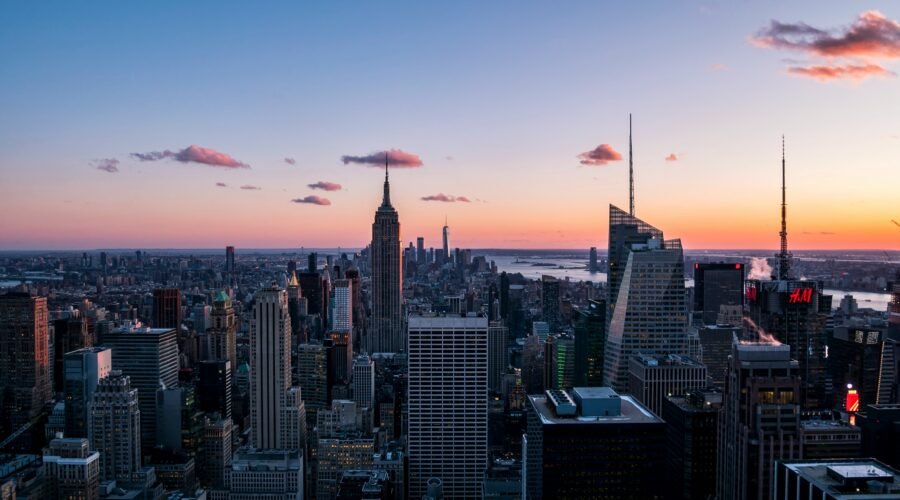
So, you’re wondering when’s the sweet spot to visit the Big Apple? The truth is, there’s no single “best” time, as it really depends on what you’re after. If you’re chasing pleasant weather, fewer tourists, and a decent price tag, you’ll want to aim for the shoulder seasons. But let’s break down each factor – weather, crowds, and cost – across the year to help you find your perfect New York City moment.
Spring: A City Reawakening
Spring in New York is a bit like watching a flower unfurl – gradual, beautiful, and full of potential. You’re trading the harshness of winter for milder temperatures and a city that’s shaking off its hibernation.
March: The In-Between Month
March is a transitional period. It can still feel quite chilly, especially in the early weeks, with lingering winter air. Snow is still a possibility, though less likely than in February. But as the month progresses, you’ll start to see buds on trees and a general increase in people venturing outdoors.
- Weather: Expect a fluctuating temperature, ranging from the low 30s (°F) to the low 50s (°F). Layers are your best friend here. A good windbreaker is essential, and you might even need a light hat and gloves for the first couple of weeks.
- Crowds: Still relatively manageable. While you’ll see tourists, it’s nothing compared to the summer crush. Most people are still recovering from winter and haven’t hit peak vacation mode yet.
- Costs: This is when you’ll start seeing better deals on flights and accommodation. Hotels haven’t ramped up their prices for the spring tourist season. It’s a good time to snag a bargain.
- What to Do: Enjoy museums, Broadway shows (always a good bet!), and indoor attractions. You can also begin to explore parks, especially if you catch a warmer spell. The St. Patrick’s Day Parade in late March is a lively event and a sign of spring’s arrival.
April: Blooming and Bustling (but not packed)
April is when New York truly comes alive. The weather gets reliably warmer, and the city’s parks transform into vibrant green spaces.
- Weather: Significantly milder, with average temperatures ranging from the 40s to the 60s (°F). You’ll likely spend most of your time in a light jacket or sweater. Rain showers are common, so packing an umbrella is wise.
- Crowds: Things start picking up, but it’s still far from overwhelming. You’ll encounter more tourists than in March, but you won’t be battling for space at major attractions. School spring breaks can influence crowd levels in the first half of the month.
- Costs: Prices begin to creep up as the weather improves and more people plan trips. However, you can still find reasonable deals, especially if you book in advance. Mid-week stays are generally cheaper than weekends.
- What to Do: This is prime park season. Central Park, Prospect Park, and the High Line are fantastic. The cherry blossoms in Central Park and Brooklyn Botanic Garden are a major draw. Outdoor markets start opening, and walking tours become much more pleasant. Easter events can also be a focus.
May: The Peak of Spring Perfection
May is often cited as one of the most beautiful months to visit. The weather is generally consistently pleasant, and the city is in full bloom and buzzing with energy.
- Weather: Warm and comfortable, with temperatures typically in the 50s to 70s (°F). It’s ideal walking weather. While occasional rain is possible, it’s usually not the persistent dampness of earlier spring.
- Crowds: This is when the tourist numbers significantly increase. Memorial Day weekend at the end of May marks the unofficial start of summer vacation for many, so expect a substantial uptick in visitors.
- Costs: Prices are at their spring peak. Expect to pay more for flights and accommodation, especially if your visit coincides with major events or the Memorial Day holiday. Booking well in advance is crucial for securing decent prices and availability.
- What to Do: Everything is on the table. Outdoor dining is in full swing, street fairs are common, and outdoor concerts and events begin. The Tribeca Film Festival often takes place in May. It’s a great time for exploring neighborhoods on foot and soaking in the city’s ambiance.
If you’re planning a trip to New York City, you might find it helpful to read the article on the Best Time to Visit New York: Weather, Crowds, and Costs. This resource provides valuable insights into the ideal seasons for your visit, helping you navigate the city’s climate, tourist traffic, and budget considerations. For more detailed information on travel tips and recommendations, check out this related article on travel planning at Lele Tours.
Summer: Sun, Sweat, and Spectacle
Summer in New York is a high-energy affair. The days are long, the city is alive with activity, and there’s an undeniable buzz in the air. However, it also comes with heat and humidity, and a significant influx of visitors.
June: The Golden Month
June often feels like the sweet spot of summer. The weather is usually warm but not yet oppressively hot, and the city is brimming with outdoor possibilities.
- Weather: Pleasant warmth, with temperatures typically ranging from the 60s to the 80s (°F). Humidity can start to build, but it’s usually manageable. Long daylight hours mean more time for exploring.
- Crowds: Crowds are substantial. Summer vacationers are in full swing, and it’s a very popular time to visit. Expect significant numbers at major attractions.
- Costs: Prices are high. This is peak season, so expect to pay top dollar for flights and hotels. Booking several months in advance is highly recommended.
- What to Do: Take advantage of the long days and warm weather. Outdoor concerts, rooftop bars, and Shakespeare in the Park are all fantastic options. Coney Island is in full swing.
July: The Heat is On
July is synonymous with summer heat and humidity in New York City. While it’s undeniably vibrant, it can also be challenging if you’re not a fan of sweltering temperatures.
- Weather: Hot and humid is the name of the game. Temperatures frequently hit the 80s and 90s (°F), with high humidity making it feel even warmer. Air conditioning becomes your best friend.
- Crowds: Peak tourist season. Expect very large crowds everywhere. Patience is key when navigating popular spots.
- Costs: Still at their highest. Flights and hotels are expensive and can be difficult to book if you leave it too late.
- What to Do: Embrace the heat with cool activities. Spend time in air-conditioned museums and indoor attractions. Seek out waterfront parks for breezes, and enjoy outdoor performances in the evenings. The Macy’s Fourth of July fireworks display is a massive event.
August: The Dog Days of Summer
August shares many characteristics with July – heat, humidity, and crowds. Some New Yorkers flee the city for cooler climes, but tourists continue to pour in.
- Weather: Similar to July – hot and humid. There’s a slight chance of the heat starting to break towards the end of the month, but generally, expect sustained summer temperatures.
- Crowds: Still very high, though there might be a slight dip in the very last week as some families return home before school starts.
- Costs: Remains at peak summer rates. Deals are scarce.
- What to Do: Similar to July. Focus on indoor activities, cool off with frozen treats, and enjoy evening strolls when the temperature drops slightly. The US Open tennis tournament begins in late August, drawing a significant crowd.
Autumn: Crisp Air and City Colors
Autumn is a magical time in New York City, often considered the best time by many. The oppressive heat of summer dissipates, replaced by comfortable temperatures and stunning foliage.
September: A Stylish Transition
September often feels like the perfect blend of late summer warmth and the crisp, inviting air of autumn. The city’s energy remains high as locals return from summer breaks.
- Weather: Delightful. Temperatures are typically in the 60s and 70s (°F), making it perfect for walking and exploring. Humidity usually decreases significantly.
- Crowds: While still busy, the peak summer rush begins to ease. You’ll still find plenty of tourists, but it feels more manageable than July or August. Fashion Week in early September draws a stylish, albeit sometimes overwhelming, crowd.
- Costs: Prices start to soften slightly compared to the summer months, but it’s still a popular time, so don’t expect deep discounts. Booking ahead is still advisable.
- What to Do: This is prime visiting time. The city’s parks are beautiful, outdoor dining is still a joy, and the general atmosphere is fantastic. The Feast of San Gennaro in Little Italy is a lively cultural event.
October: The Golden Season
October is arguably the crown jewel of autumn in New York. The fall foliage peaks, the weather is crisp and invigorating, and the city is packed with events.
- Weather: Crisp and cool, with temperatures generally ranging from the 50s to the 60s (°F). It’s perfect sweater weather. The clear skies in October often offer stunning views of the skyline.
- Crowds: Very popular. The beautiful fall colors and pleasant weather draw a huge number of visitors. Halloween-themed events also contribute to the buzz.
- Costs: Prices remain high. This is considered a prime tourist season due to the weather and foliage. Be prepared for significant expenses. Weekends can be particularly expensive.
- What to Do: Absolutely soak in the fall colors! Central Park, Prospect Park, and the botanical gardens are spectacular. The Village Halloween Parade is an iconic event. It’s also a great time for exploring neighborhoods and enjoying the cultural offerings before the holiday rush.
November: Cozy and Festive Prep
November marks the transition from fall to winter. The weather gets colder, and the city starts gearing up for the holiday season, creating a unique, festive, yet sometimes blustery, atmosphere.
- Weather: Noticeably cooler, with temperatures dropping from the 40s to the 50s (°F) into the 30s (°F) by Thanksgiving. It can be windy and occasionally damp. You’ll definitely need a warm coat, hat, and gloves.
- Crowds: Early November is relatively less crowded than October. However, as Thanksgiving approaches and the Christmas decorations start to go up, crowds will increase significantly, especially around major shopping areas and holiday markets.
- Costs: Prices tend to dip slightly in the first half of November before the holiday madness fully kicks in. You might find some decent hotel deals. However, the week of Thanksgiving will see prices spike.
- What to Do: This is the start of the holiday magic. The iconic Christmas Tree at Rockefeller Center is often lit in late November. Holiday markets pop up, and ice skating rinks begin to open. It’s a magical time to see the city preparing for its most festive season.
Winter: Sparkle, Chill, and Deals
Winter in New York is a tale of two extremes: icy temperatures and magical holiday sparkle, followed by a quieter, colder period where deals can be found.
December: The Holiday Spectacle
December is arguably the most visually stunning and atmospherically charged month in New York, but it comes with its own set of challenges.
- Weather: Cold and potentially snowy. Temperatures are consistently in the 20s and 30s (°F). You’ll need heavy winter gear. Snowfall can occur, adding to the city’s picturesque charm, but it can also disrupt travel.
- Crowds: Extremely high. This is peak holiday season, with both tourists and locals out in full force for shopping, decorations, and festive events. Expect significant crowds everywhere.
- Costs: At their absolute highest. Flights and hotels are at a premium. Book as far in advance as humanly possible.
- What to Do: Embrace the holiday spirit! The Rockefeller Center Christmas Tree lighting, ice skating at Rockefeller Center or Bryant Park, holiday window displays on Fifth Avenue, and Broadway shows are all must-dos. The sheer festive atmosphere is an experience in itself.
January: The Post-Holiday Slump
After the festive fervor of December, January often feels like New York takes a collective breath. It’s cold, quiet, and a prime time for those seeking deals.
- Weather: Coldest month of the year. Temperatures frequently hover in the teens and 20s (°F). Snow is common, and you’ll need serious cold-weather gear.
- Crowds: Significantly fewer tourists. The holiday rush is over, and most people are back at work or school. It’s a welcome respite from the throngs of December.
- Costs: This is your opportunity for bargains. Flights and hotels see a significant price drop. Hotels often run excellent deals to attract visitors during the slower season.
- What to Do: Embrace the cozy and the cultural. Hit up museums and art galleries without the crowds. Enjoy Broadway shows (often with more affordable tickets). Explore neighborhoods at a relaxed pace. Warm up in cozy cafes and enjoy indoor dining.
February: Cold and Quiet with a Hint of Romance
February continues the winter chill, but Valentine’s Day brings a slight uptick in visitors, particularly couples.
- Weather: Still very cold, with temperatures similar to January. Snow is still a strong possibility.
- Crowds: Generally low, with a brief, slight increase for Valentine’s Day weekend.
- Costs: Remains a good time for budget travelers seeking lower prices on accommodation and flights.
- What to Do: Similar to January. It’s still a great time for indoor activities, and the quieter atmosphere can make for a more intimate city experience. Ice skating is still popular, and you might catch some fashion week events in late February.
If you’re planning a trip to the Big Apple, you might also find it helpful to read about the best time to visit New York, considering factors like weather, crowds, and costs. For additional insights, check out this informative article on travel tips that can enhance your experience and help you make the most of your visit.
When Else Matters: Specific Events and Personal Preferences
Beyond the general weather, crowds, and costs, consider these other factors when planning your trip.
Major Annual Events
New York City hosts countless events throughout the year, and some can dramatically influence your experience.
- Fashion Week (February & September): Expect higher prices, more stylish (and often more crowded) streets, and a general buzz.
- Tribeca Film Festival (April/May): Draws film buffs and celebrities. Can increase hotel occupancy and prices in certain areas.
- Macy’s Fourth of July Fireworks: Immense crowds, especially in lower Manhattan and Brooklyn. Book accommodation very far in advance.
- US Open Tennis Tournament (Late August/Early September): Significant influx of visitors to Flushing Meadows.
- New York City Marathon (First Sunday in November): Roads are closed, impacting transportation. Hotels can be pricey around this date.
- Holiday Spectacles (November/December): As mentioned, this is peak season for holiday-themed events.
Your Tolerance for Weather
This is perhaps the most personal factor.
- Heat & Humidity: If you can’t stand hot, sticky weather, avoid July and August.
- Cold & Snow: If you detest winter conditions, steer clear of January and February, and be prepared for November and December.
- Your Ideal Walking Weather: For most people, this points to April, May, September, and October.
Budgetary Considerations
Your wallet will significantly influence your timing.
- Budget Traveler: January and February are your best bet for deals. Early March and early November (before Thanksgiving) can also offer savings.
- Mid-Range: Shoulder seasons like April, May, September, and October offer good weather and relatively manageable costs if booked in advance.
- Splurging: If money is no object and you want to experience the festive magic, December is spectacular, albeit expensive.
Ultimately, the “best” time to visit New York City is when it aligns with your priorities. Whether you’re prioritizing perfect weather, fewer crowds, budget savings, or iconic events, there’s a season that will likely suit you.
FAQs
1. What is the best time to visit New York for favorable weather?
The best time to visit New York for favorable weather is during the spring (April to June) and fall (September to early November) when the temperatures are mild and the city is in bloom.
2. When is the peak tourist season in New York?
The peak tourist season in New York is during the summer months (July and August) when the city experiences high temperatures and large crowds of tourists.
3. What is the best time to visit New York to avoid large crowds?
To avoid large crowds, it is best to visit New York during the winter months (December to February) when tourist numbers are lower and many attractions offer off-season discounts.
4. When is the most cost-effective time to visit New York?
The most cost-effective time to visit New York is during the winter months (December to February) when hotel rates are lower and many attractions offer off-season discounts.
5. What are the busiest times in New York for events and festivals?
The busiest times in New York for events and festivals are during the holiday season (November and December) and during the summer months (July and August) when the city hosts numerous cultural and entertainment events.