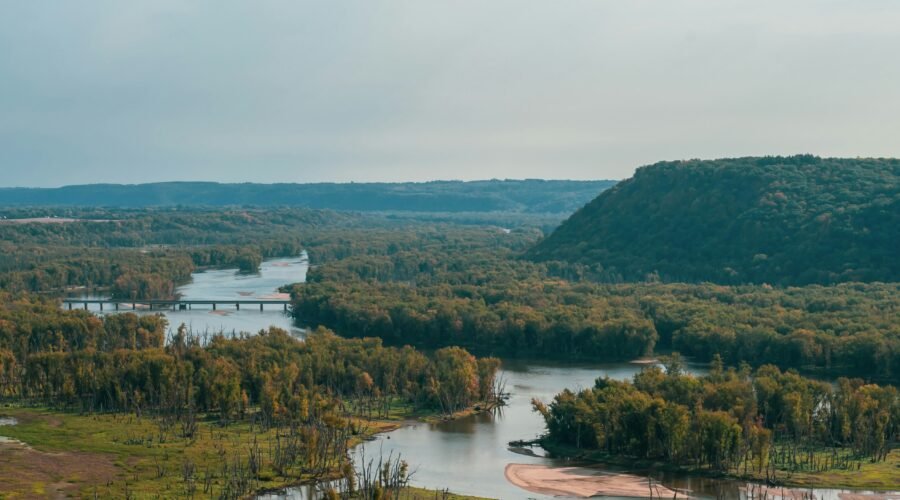
When’s the sweet spot for a Wisconsin getaway? If you’re looking for the best all-around experience balancing weather, manageable crowds, and reasonable costs, early fall (late September to mid-October) is generally your golden ticket.
This period often brings comfortable temperatures, gorgeous fall foliage, and a slight dip in tourist numbers after the summer rush, leading to better deals on accommodations and activities. However, “best” is subjective, so let’s dig into the details to help you find your perfect Wisconsin adventure.
1. Spring (April – May): The Awakening, But With a Catch
Spring in Wisconsin is a season of transition, with nature slowly shaking off its winter slumber. It can be a lovely time to visit, but it comes with a few things to keep in mind.
1.1 Weather: A Mixed Bag
Expect variable conditions. Early April can still feel quite wintry, with chilly temps and even late snowfalls, especially in the northern parts of the state. As May progresses, temperatures become much milder, often ranging from the 50s to low 70s Fahrenheit. However, rain is a common companion throughout spring, so packing layers and waterproof gear is a must. The upside? Melting snow and spring rains make for vibrant waterfalls and rushing rivers.
1.2 Crowds: Before the Rush
Generally, spring sees fewer tourists compared to summer. You’ll encounter locals enjoying the returning warmth, but major attractions aren’t typically swamped. This can mean shorter lines and a more relaxed atmosphere. However, keep an eye out for college graduation weekends or specific spring festivals, which can draw localized crowds.
1.3 Costs: Good Value if You Plan
Outside of any specific holiday weekends (like Memorial Day at the end of May), costs for flights and accommodations tend to be lower than peak summer rates. You might find some excellent deals, especially if you book a bit in advance. Many seasonal businesses might just be opening their doors, sometimes offering introductory rates. Dining out is usually at standard prices.
1.4 Activities: Nature-Focused Rebirth
- Hiking and Biking: Trails start to open up, though some might still be muddy or have lingering snow patches early on. The Kettle Moraine State Forest or Peninsula State Park are beautiful as trees begin to bud.
- Birdwatching: Spring migration brings a huge variety of bird species through Wisconsin, making it a prime time for birding enthusiasts.
- Fishing: As waters warm, fishing for trout, walleye, and panfish picks up significantly.
- Farmers Markets: Many local farmers markets begin to open in late April and May, offering fresh produce and local goods.
- Maple Syrup Festivals: Early spring is prime maple syrup season, and many sugar bushes offer tours and tastings.
If you’re planning a trip to Wisconsin and want to make the most of your visit, you might find it helpful to read about the factors that influence travel experiences. For more insights on how to evaluate travel options and make informed decisions, check out this related article on how products are reviewed at Lele Tours. Understanding these criteria can enhance your travel planning, ensuring you choose the best time to explore Wisconsin’s beautiful landscapes and vibrant culture.
2. Summer (June – August): Peak Season Fun (and Crowds)
Summer is undeniably Wisconsin’s most popular season. The weather is generally fantastic, and the state comes alive with festivals, outdoor activities, and vibrant energy. Just be prepared for company.
2.1 Weather: Warm and Sunny
Expect average temperatures ranging from the 70s to 80s Fahrenheit, with occasional heat waves pushing into the 90s. Humidity can be a factor, especially in July and August. While generally sunny, thunderstorms can roll through, often providing a refreshing break from the heat. The long daylight hours are a major plus for outdoor adventures.
2.2 Crowds: Bustling Everywhere
This is peak tourist season, hands down. Popular destinations like Door County, the Wisconsin Dells, and state parks will be packed, especially on weekends and holidays (like the 4th of July or Labor Day). Expect longer waits for restaurants, busier trails, and booked-up accommodations. If you don’t mind a lively atmosphere, this is your time.
2.3 Costs: Highest of the Year
Because demand is so high, anticipate higher prices for nearly everything. Flights, hotels, vacation rentals, and even some activities will be at their premium rates. Booking well in advance (3-6 months, especially for Door County or the Dells) is crucial if you want a specific spot or any savings. Flexibility with your travel dates can sometimes help you snag slightly better deals.
2.4 Activities: The Full Wisconsin Experience
- Water Sports: Lakes Mendota, Monona, Winnebago, Geneva, and the entire Great Lakes coastline (Lake Michigan and Lake Superior) are perfect for swimming, boating, kayaking, paddleboarding, and fishing.
- Wisconsin Dells: The “Waterpark Capital of the World” is in full swing, offering indoor and outdoor waterparks, amusement rides, and family entertainment.
- Festivals: Summer is festival season! From Summerfest in Milwaukee (one of the world’s largest music festivals) to local county fairs, art shows, and food festivals, there’s always something happening.
- Camping: State parks and private campgrounds are incredibly popular. Reserve your spot way ahead of time.
- Hiking and Biking: All trails are open and well-maintained. Scenic paths like the Elroy-Sparta State Trail or the Ice Age Trail offer stunning views.
- Door County: Cherries are ripe for picking in July, and the peninsula offers lighthouse tours, fish boils, and charming towns.
3. Fall (September – November): The Sweet Spot (Mostly)
As mentioned, early fall is often considered the best overall time to visit Wisconsin. It combines beautiful scenery with a more relaxed pace.
3.1 Weather: Crisp and Colorful
September often feels like an extension of summer, with pleasant temperatures in the 60s and 70s. As October progresses, the air becomes crisper, ranging from the 40s to 60s. This is when the famous Wisconsin fall foliage truly shines, typically peaking from late September in the North to mid-October in the South. Early November can be quite chilly, with the possibility of the first snow. Overall, fall weather is invigorating and perfect for outdoor exploration with a light jacket.
3.2 Crowds: A Gradual Retreat
The summer crowds significantly thin out after Labor Day. While popular fall foliage routes and towns (like Door County) can still be busy on peak color weekends, it’s generally far less hectic than July or August. By late October and November, most tourist spots are quiet, offering a peaceful experience.
3.3 Costs: Value Returns
With the summer rush over, prices for accommodations and activities start to drop. You can often find good deals on hotels and vacation rentals, particularly if you travel during the week or later in the season. Airfares also tend to be more reasonable. Some seasonal attractions might begin to offer discounted admission as their closing dates approach.
3.4 Activities: A Feast for the Senses
- Leaf Peeping: This is the main event! Drive scenic routes like Highway 35 (Great River Road), Kettle Moraine, or through Copper Falls State Park for breathtaking fall colors.
- Apple Picking and Pumpkin Patches: Many orchards and farms open for U-pick apples and pumpkins, offering corn mazes and other family-friendly activities.
- Hiking and Biking: The cooler temperatures and stunning scenery make for ideal hiking and biking conditions on any of Wisconsin’s numerous trails.
- Fall Festivals: Harvest festivals, cranberry festivals (Waupun, Warrens, Manitowish Waters), and Oktoberfest celebrations are popular throughout the state.
- Fishing: Fall fishing for musky and walleye can be excellent as fish feed heavily before winter.
- Wineries and Breweries: Enjoy tastings in a cozy atmosphere, often with scenic views of the changing leaves.
4. Winter (December – March): A Wonderland for the Prepared
Winter in Wisconsin is not for the faint of heart, but for those who embrace the cold, it offers a unique and beautiful experience. Think snow, ice, and fewer people.
4.1 Weather: Cold, Snowy, and Icy
Expect consistently cold temperatures, often below freezing (20s to low 30s Fahrenheit), and frequently dipping into single digits or even below zero. Snowfall is common and can be heavy, especially in northern Wisconsin and the Lake Superior snow belt. Ice is also a factor, particularly on roads and untreated surfaces. Dress warmly in layers, including waterproof outer shells, hats, gloves, and insulated boots.
4.2 Crowds: Tranquil and Sparse
Outside of specific ski resorts or popular ice fishing spots, Wisconsin in winter is decidedly quiet. You’ll find a serene atmosphere and often have major attractions almost to yourself. Holiday weekends (Christmas, New Year’s) will see localized increases, especially at ski areas.
4.3 Costs: Off-Season Deals
Except for holiday weeks, winter is typically the most budget-friendly time to visit. You can often find significantly reduced rates on accommodations. Flights may also be cheaper, though be mindful of potential weather-related delays. Many summer attractions will be closed, but winter-specific activities are usually reasonably priced.
4.4 Activities: Embrace the Chill
- Skiing and Snowboarding: Wisconsin has several ski resorts, like Granite Peak, Cascade Mountain, and Tyrol Basin, offering downhill fun.
- Cross-Country Skiing and Snowshoeing: Miles of groomed trails open up in state parks and forests, perfect for experiencing the quiet beauty of a snowy landscape. Lapham Peak and Minocqua Winter Park are popular.
- Ice Fishing: Hardcore anglers flock to frozen lakes across the state. Devils Lake and Lake Winnebago are renowned spots.
- Snowmobiling: With an extensive network of groomed trails, snowmobiling is a huge winter pastime in Wisconsin.
- Winter Festivals: Enjoy events like the Winter Carnival in Lake Geneva or local ice sculpture festivals.
- Cozy Retreats: Indulge in warm drinks, comfort food, and fireplace ambiance at charming inns and lodges.
- Ice Caves: If conditions are right, the Apostle Islands National Lakeshore ice caves on Lake Superior are a truly spectacular, but rare, natural phenomenon.
If you’re planning a trip to Wisconsin, you might find it helpful to explore the best time to visit based on weather, crowds, and costs. To enhance your travel experience, consider checking out this informative article on travel tips that can guide you in making the most of your adventure in the Badger State.
5. Final Thoughts on Your Wisconsin Planning
The “best” time really does depend on what you’re hoping to get out of your trip.
If your priority is swimming and maximum outdoor warmth, summer (June-August) is your window, but be prepared for crowds and higher costs.
If fall foliage, hiking, and crisp air appeal most, then early fall (late September-mid October) is absolutely ideal, offering a great balance of weather, manageable crowds, and good value.
For winter sports enthusiasts who don’t mind the cold, December through February offers a quiet, snowy playground with excellent deals, assuming you’re prepared for the elements.
And for those seeking early spring blossoms and fewer people before the summer rush, late April to May can be rewarding, though you’ll need to be flexible with unpredictable weather.
No matter when you choose to visit, Wisconsin offers a fantastic array of experiences tailored to each season. A little planning goes a long way, especially for accommodations during peak times. Enjoy your trip to America’s Dairyland!
FAQs
1. What is the best time to visit Wisconsin based on weather?
The best time to visit Wisconsin based on weather is during the summer months of June, July, and August when the temperatures are warm and the days are long.
2. When is the peak tourist season in Wisconsin?
The peak tourist season in Wisconsin is during the summer months, particularly in July and August, when the weather is ideal for outdoor activities and events.
3. What is the off-peak season in Wisconsin?
The off-peak season in Wisconsin is during the winter months of December, January, and February when the temperatures are cold and snowfall is common. This is also the time for winter sports enthusiasts to visit.
4. When can visitors expect lower costs for accommodations and attractions in Wisconsin?
Visitors can expect lower costs for accommodations and attractions in Wisconsin during the off-peak seasons, particularly in the winter months when there are fewer tourists.
5. What are some popular events and festivals in Wisconsin throughout the year?
Some popular events and festivals in Wisconsin throughout the year include Summerfest in Milwaukee in July, the EAA AirVenture Oshkosh in July, and the Wisconsin State Fair in August. Additionally, the fall season brings events such as Oktoberfest celebrations and fall foliage tours.