Wisconsin Dells is widely celebrated as the “Waterpark Capital of the World,” offering an extensive mix of indoor water park mega-resorts, sprawling outdoor theme parks, scenic river gorges, and nearby state parks. Determining the ideal time to visit depends heavily on your vacation priorities—whether you are looking to maximize time on massive outdoor waterslides, avoid heavy family crowds, witness vibrant autumn foliage, or secure the lowest off-season lodging rates.
Quick Answer
The overall best time to visit Wisconsin Dells is during the shoulder seasons of late spring (late May to early June) and early fall (September right after Labor Day). These periods offer comfortable 70°F weather, significantly shorter ride lines, lower hotel rates, and access to both indoor and outdoor attractions before peak summer crowds arrive or fall shutdowns begin.
Key Takeaways
- Peak Outdoor Season (June to August): Best for outdoor water parks like Noah’s Ark and Mt. Olympus, but brings peak crowds, higher hotel rates, and hot, humid days with occasional thunderstorms.
- Best Value & Balance (September & Late May): Moderate temperatures, manageable lines, and substantial discounts on resort packages.
- Budget & Indoor Escapes (November to April): Ideal for heated indoor water park resorts (Kalahari, Wilderness, Great Wolf Lodge) and winter sports at Cascade Mountain with the lowest room rates outside of major holidays.
- Outdoor Water Park Schedule: Major outdoor water parks generally operate from Memorial Day weekend through Labor Day.
1. Spring (April – May): The Seasonal Awakening
Spring in the Dells marks a dramatic transition from quiet, snow-covered resort grounds to blooming river gorges and opening water slides. It is an excellent window for budget-conscious families and outdoor enthusiasts who prefer peaceful state park trails before the summer rush.
Weather in Spring
- April: Spring weather in central Wisconsin remains unpredictable. Daytime highs range from the mid-40s to upper 50s Fahrenheit, with chilly nights frequently dipping near freezing. Occasional spring showers and late-season snow flurries can occur. Outdoor water parks remain closed, but all major indoor water park resorts operate in full swing at a climate-controlled 84°F.
- May: Conditions warm up noticeably, with average daytime highs reaching the mid-60s to mid-70s. Sunny days become far more frequent, and forest canopies leaf out. By Memorial Day weekend, outdoor attractions, boat tours, and outdoor water park sections begin opening for the season.
Crowds in Spring
- April: Tourism levels are relatively low outside of regional K-12 Spring Break weeks (which generally span late March through mid-April). Weekday visits offer virtually zero wait times for indoor slides and local dining.
- May: Tourist numbers build steadily throughout the month. Early May weekends remain relaxed, while Memorial Day weekend serves as the unofficial kickoff to summer, bringing full hotel occupancies and energetic crowds.
Costs & Lodging in Spring
- April: One of the most affordable months of the year for resort packages. Major water park resorts offer steep midweek discounts and room-upgrade incentives.
- May: Room rates begin climbing toward summer highs, particularly over Memorial Day weekend. Booking early May dates (Sunday through Thursday) offers exceptional value.
What to Do in Spring
Early spring is well-suited for indoor water park resorts, interactive downtown attractions like Wizard Quest, and scenic hikes at Devil’s Lake State Park and Mirror Lake State Park without summer trail congestion. In mid-to-late May, scenic boat tours on the Upper and Lower Dells of the Wisconsin River resume regular daily schedules, and the annual Automotion Classic Car Show draws automotive enthusiasts to the area.
Pro Tip: Visit during the second or third week of May. You will get pleasant 70°F hiking weather, wide-open restaurant seating, and resort rates up to 40% lower than July averages.
2. Summer (June – August): Peak Season Splash
Summer is the marquee season in Wisconsin Dells. Every outdoor water park, roller coaster, zipline course, and river excursion operates at full capacity. If your primary vacation goal is soaking up the sun on massive outdoor wave pools and thrill slides, summer is the time to visit.
Weather in Summer
- June: June brings comfortable warmth, with average daytime highs in the upper 70s to low 80s and moderate humidity. It is prime weather for outdoor activities, though evening temperatures can still feel crisp near the river.
- July: The hottest month of the year, with daytime temperatures regularly climbing into the mid-80s and low 90s accompanied by high humidity. Statistically, July is also part of the region’s wettest period, with convective afternoon thunderstorms common.
- August: Warm summer weather continues through August with highs averaging 80°F to 84°F. Humidity begins to ease slightly toward the final two weeks of the month, and night temperatures cool down comfortably into the upper 50s.
Crowds in Summer
- June: Crowds ramp up significantly once regional schools recess in early June. Weekends are bustling, while Monday through Thursday visits offer slightly more breathing room.
- July: Peak tourist density across the entire region. Expect full parking lots, longer lines at premier rides inside Noah’s Ark and Mt. Olympus, and wait times at popular evening restaurants.
- August: The first two weeks of August remain at peak capacity. Crowd levels taper off noticeably during the third and fourth weeks as Midwestern school districts resume classes.
Costs & Lodging in Summer
- June – August: Peak season commands the highest lodging rates and strictest minimum-night stay requirements. Ticket discounts for major outdoor attractions are rare. Booking 3 to 6 months in advance is recommended to secure preferred resort suites.
What to Do in Summer
Summer offers unrestricted access to all iconic outdoor Dells attractions: world-renowned water parks like Noah’s Ark, roller coasters at Mt. Olympus Theme Park, amphibious Original Wisconsin Ducks tours through the sandstone cliffs, ziplining canopy tours, championship golf courses, and evening live entertainment.
Warning: July and August bring heavy foot traffic and strong midday UV indexes. Book your outdoor water park cabanas and boat tour tickets several weeks in advance, and plan water park visits early in the morning or late in the afternoon to avoid peak lines.
3. Fall (September – October): Scenic Beauty and Value
Fall is widely regarded by frequent visitors as the premier season for adult getaways, couples, and families with young children. The transition brings dramatic autumn colors across the sandstone bluffs, crisp air, and a noticeable drop in tourist congestion.
Weather in Fall
- September: September weather is mild and comfortable, with daytime temperatures averaging between 68°F and 74°F. Nights turn crisp (45°F–50°F). Outdoor water parks typically operate through Labor Day weekend, with select resorts keeping outdoor pools open on sunny September weekends.
- October: Highs average in the upper 50s to low 60s, dropping into the 30s overnight. Autumn foliage across Sauk and Columbia counties typically reaches peak vibrant color between the first and third weeks of October.
Crowds in Fall
- September: Immediately following Labor Day, weekday crowd levels plunge dramatically. Weekends remain lively due to fall festivals—most notably the historic Wo-Zha-Wa Fall Festival in mid-September—but overall congestion is minimal compared to July.
- October: Highly manageable crowd levels throughout the month, creating a relaxed atmosphere in downtown Dells and along state park hiking trails.
Costs & Lodging in Fall
- September – October: Lodging prices drop considerably from mid-summer rates. Resorts and motels offer attractive shoulder-season bundles that combine indoor water park passes with dining credits or golf packages.
What to Do in Fall
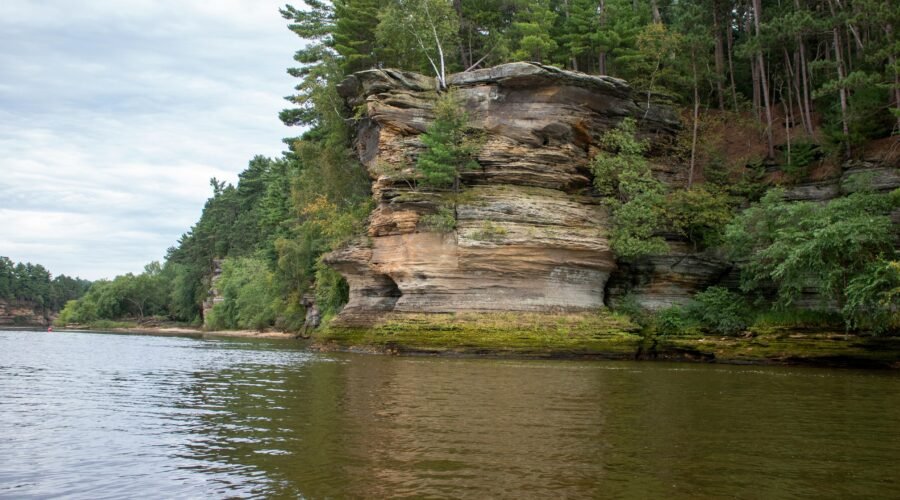
Fall is ideal for admiring the natural scenery of the Driftless Area. Popular activities include riverboat foliage cruises through the Upper Dells, hiking the East Bluff Trail at Devil’s Lake, exploring local wineries and craft breweries, enjoying seasonal ghost tours, and playing in expansive indoor water parks without waiting in long lines.
Note: Most standalone outdoor water parks close their outdoor slides immediately following Labor Day weekend. If outdoor swimming is essential to your trip, schedule your arrival before the first Monday in September.
4. Winter (November – March): Cozy Indoor Resorts and Snow Sports
Winter transforms Wisconsin Dells into a serene, snow-covered playground anchored by world-class indoor water park resorts and regional ski hills. Outside temperatures may freeze, but the indoor attractions remain tropical year-round.
Weather in Winter
- November: Late autumn brings brisk temperatures in the 30s and 40s, with initial snowfalls often arriving by mid-to-late November.
- December – February: The core of Midwestern winter. High temperatures range from the low 20s to low 30s, with overnight lows regularly dipping into the single digits. Moderate to heavy snowfall creates reliable winter sports conditions.
- March: A transitional month featuring melting snow and fluctuating temperatures ranging from the mid-30s to the low 50s.
Crowds in Winter
- November – March: Standard weekdays are exceptionally quiet. However, noticeable crowd surges occur during major winter holiday breaks: Thanksgiving weekend, Christmas through New Year’s Day, Martin Luther King Jr. Day weekend, and Presidents’ Day weekend.
Costs & Lodging in Winter
- November – March: Outside of holiday weekends, winter offers the most competitive resort pricing of the year. Midweek specials provide substantial savings at premier properties like Kalahari Resort, Wilderness Resort, Great Wolf Lodge, and Chula Vista Resort.
What to Do in Winter
The headline winter attraction is indoor water park hopping, featuring expansive wave pools, lazy rivers, and multi-story water coasters kept at a comfortable 84°F. Beyond the water, visitors can enjoy downhill skiing and snowboarding at nearby Cascade Mountain or Devil’s Head Resort, explore indoor theme parks like Tom Foolerys Adventure Park, attend live magic performances at the Rick Wilcox Magic Theater, and shop in downtown Wisconsin Dells.
5. Special Considerations & Planning Tips
To maximize your vacation budget and experience, keep these key timing factors in mind when building your itinerary:
Weekdays vs. Weekends
- Midweek Advantage (Sunday – Thursday): Across all four seasons, weekday stays feature lower nightly rates, lower resort fees, and substantially shorter attraction lines.
- Weekend Surges (Friday – Saturday): Weekends draw heavy regional traffic from Chicago, Milwaukee, Madison, and Minneapolis, leading to higher room rates and busy dining venues.
Holiday Weekends & School Calendars
- Major Holiday Peaks: Memorial Day, Fourth of July, Labor Day, Thanksgiving, Christmas/New Year’s, and Presidents’ Day represent peak demand periods. Book lodging at least 3 to 6 months in advance for these holiday dates.
- Spring Break Windows: Regional Midwestern spring breaks span mid-March through mid-April, creating mid-tier crowd spikes at indoor water park resorts.
Booking Strategy
- Advance Reservations: For peak summer visits, secure lodging and tickets 3 to 6 months ahead of time. For shoulder seasons, 3 to 6 weeks of lead time is typically sufficient to capture competitive rates.
- All-Inclusive Resort Packages: Many major Dells resorts include complimentary water park passes with your overnight room stay. Compare the combined room-and-water-park package price against purchasing separate lodging and day passes.
Choosing the best time to visit Wisconsin Dells ultimately comes down to your preferred vacation balance. If outdoor wave pools and maximum summer energy are your priorities, embrace the lively mid-summer season. If indoor water parks, quiet scenic trails, and major lodging discounts matter most, the shoulder seasons of May, September, and late autumn deliver the ideal Wisconsin getaway.
Frequently Asked Questions
What is the best time to visit Wisconsin Dells for favorable weather?
The best time for warm outdoor weather is from mid-June through August, when average daytime temperatures reach the upper 70s and 80s. However, summer is also the region’s wettest season with regular afternoon thunderstorms. For mild, dry, and comfortable outdoor conditions without extreme heat, late May and the month of September offer ideal 68°F to 75°F temperatures.
When is the peak tourist season in Wisconsin Dells?
The peak tourist season runs from late June through mid-August. During these summer months, outdoor water parks, roller coasters, boat tours, and theme parks operate at full capacity, drawing large family vacation crowds from across the Midwest.
What is the off-peak season in Wisconsin Dells?
The off-peak season spans November through April (excluding major winter holidays and school spring breaks). While outdoor attractions and water parks are closed, all premier indoor water park resorts remain open year-round with significantly lower lodging rates.
When can visitors find the best deals and lower costs in Wisconsin Dells?
Visitors will find the lowest room rates and best package deals during midweek stays (Sunday through Thursday) from November through April, as well as the shoulder months of early May and late September after Labor Day.
What are the busiest times in Wisconsin Dells to avoid crowds?
The busiest periods to avoid are July weekends, holiday weekends (Memorial Day, 4th of July, Labor Day, and Memorial Day), and the week between Christmas and New Year’s Day. Visiting during midweek days or scheduling your trip in May, September, or October will help you bypass the largest crowds.
Sources
- Wisconsin Dells Visitor & Convention Bureau — Official seasonal event schedules, attraction listings, and tourism data.
- Wisconsin Department of Natural Resources (DNR) — Devil’s Lake State Park trail guidelines, seasonal operations, and peak fall color tracking.
- National Weather Service (NOAA) — Historical monthly temperature, precipitation, and seasonal climate averages for Sauk and Columbia counties.