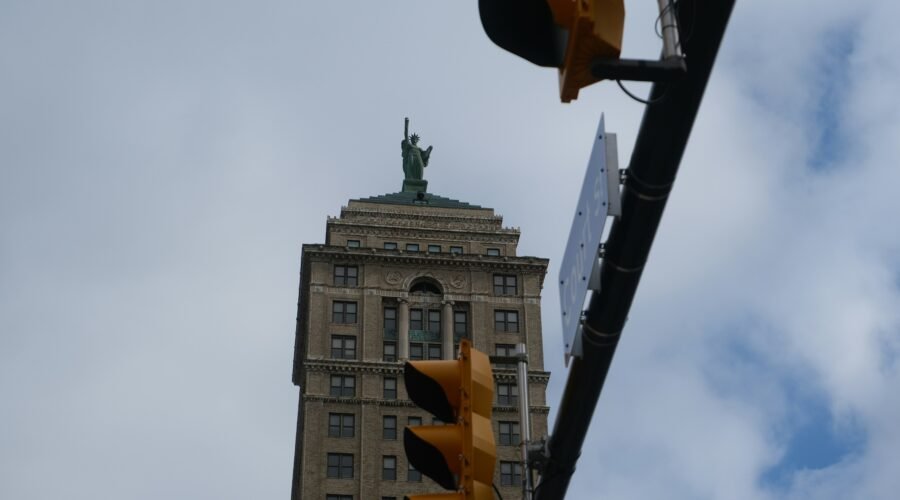
Planning a trip to Buffalo, New York, means choosing between warm waterfront weather, colorful fall scenery, snowy winter conditions, and quieter spring days. For most travelers, the best time to visit Buffalo is late May through June or September through early October. These periods usually offer a strong balance of comfortable sightseeing weather, manageable crowds, and better flexibility than the busiest summer weekends.
Quick Answer
The best time to visit Buffalo, NY, is usually late May through June or September through early October. You get mild-to-warm weather, plenty of open attractions, and generally lighter crowds than peak summer weekends. July and August are best for festivals and waterfront activities, while winter offers lower demand but greater weather risk.
Key Takeaways
- Best overall: Late May through June and September through early October.
- Best for summer events: June through August, when waterfront activities and festivals are most active.
- Best for fall scenery: October, although the timing and intensity of foliage vary each year.
- Best for lower demand: Winter, but lake-effect snow can disrupt driving and flights.
- Best strategy: Check major event calendars before booking because festivals, races, concerts, and sports weekends can quickly raise demand.
1. Buffalo Weather by Season
Buffalo has a Great Lakes-influenced climate with four distinct seasons. The National Weather Service in Buffalo describes the region as having a fairly humid continental climate modified by the Great Lakes. That influence is especially important in late fall and winter, when Lake Erie can help produce highly localized lake-effect snow.
Summer: Warm Weather and the Most Outdoor Activity
June through August brings Buffalo’s warmest weather. Normal summer afternoons are generally comfortable by U.S. summer standards, although hot and humid periods do occur. July’s 1991–2020 normal high at Buffalo is about 80°F, according to National Weather Service climate normals.
Summer does not guarantee dry weather. Showers and thunderstorms are still possible, so it is better to think of summer as Buffalo’s warm outdoor season rather than a dry season.
- Pros: Long daylight hours, active waterfront areas, outdoor dining, festivals, parks, and the widest choice of seasonal activities.
- Cons: Popular weekends can be busy and expensive. Hot spells can feel humid, and thunderstorms can interrupt outdoor plans.
- What to pack: Lightweight clothing, comfortable shoes, sunscreen, sunglasses, a hat, and a light rain layer. A sweater or light jacket is useful for cooler evenings and heavily air-conditioned buildings.
Pro Tip: If you want summer weather without committing to the busiest midsummer weekends, June is a strong choice. Check the event calendar before booking because a major festival, concert, race, or sports event can change hotel availability quickly.
Fall: Comfortable Sightseeing and Changing Leaves
September and October can be some of the most enjoyable months for walking around Buffalo. September often remains pleasantly mild, while October becomes cooler and brings fall color across Western New York.
Foliage timing changes with temperature, rainfall, and elevation, so there is no guaranteed peak date. Early October can still feel mild, while later October may bring colder rain, wind, or an occasional early taste of winter.
- Pros: Comfortable walking weather, fall scenery, less summer heat, and generally easier sightseeing outside major event weekends.
- Cons: Daylight decreases quickly, and weather becomes less predictable later in the season.
- What to pack: Layers, long-sleeved shirts, sweaters, a light or medium jacket, comfortable shoes, and a water-resistant outer layer.
Winter: Snow, Lower Demand, and Greater Travel Risk
Buffalo winters deserve more explanation than simply calling them cold and snowy. The National Weather Service notes that lake-effect snow can be extremely localized. One part of the Buffalo area may see relatively manageable conditions while a narrow snowband produces intense snowfall and poor visibility nearby.
Lake-effect activity often becomes important in late fall and early winter while Lake Erie remains unfrozen. Buffalo also experiences ordinary winter storms, wind, freezing conditions, and periods of thaw.
- Pros: Fewer leisure travelers, a quieter city atmosphere, winter scenery, indoor cultural attractions, and potentially lower lodging demand outside holidays and major events.
- Cons: Snow and ice can affect roads, flights, attraction access, and day-trip plans. Some seasonal attractions reduce hours or change how tours operate.
- What to pack: A warm waterproof coat, insulating layers, gloves or mittens, a warm hat, waterproof footwear with good traction, and clothing you can layer indoors.
Warning: Do not judge Buffalo winter conditions only by the forecast for downtown. Lake-effect bands can be narrow and intense. Before driving to Niagara Falls, the Southtowns, ski areas, or the airport, check current National Weather Service alerts and road conditions.
Buffalo’s winter weather can change sharply over short distances because lake-effect snowbands are often highly localized.
Spring: Warming Weather With Plenty of Variability
April and May are transition months. April can still feel chilly, wet, and windy, while May usually brings a noticeable improvement in temperatures and more comfortable conditions for walking.
Late-season cold snaps are possible, so spring travelers should not pack as though warm weather is guaranteed. By late May, however, many visitors find conditions much better suited to outdoor sightseeing.
- Pros: Increasingly pleasant temperatures, spring blooms, fewer peak-summer visitors, and a good mix of indoor and outdoor activities.
- Cons: Rain, cool mornings, muddy parks, and large temperature swings are possible.
- What to pack: Layers, a rain jacket, comfortable water-resistant shoes, sweaters, and an umbrella.
Site transparency: You can review Lele Tours’ affiliate disclosure for information about how commercial links are handled on the site.
Buffalo Month-by-Month: Weather, Crowds, and Cost Trend
| Month | Typical Travel Conditions | Crowd Trend | Cost Trend | Best For |
|---|---|---|---|---|
| January | Cold, snowy, possible lake-effect events | Low | Often lower | Indoor attractions, winter atmosphere |
| February | Cold with snow and winter weather risk | Low | Often lower | Budget-oriented winter trips |
| March | Cold to cool and highly changeable | Low | Low to moderate | Indoor attractions, quieter visits |
| April | Cool, wet, increasingly mild | Low to moderate | Moderate | City sightseeing with layers |
| May | Mild and increasingly pleasant | Moderate | Moderate | Spring sightseeing |
| June | Warm, long days, occasional rain or storms | Moderate to high | Moderate to high | Best overall balance, waterfront |
| July | Warmest period, sometimes humid | High | High on busy weekends | Festivals, waterfront, outdoor events |
| August | Warm, sometimes humid, storms possible | High | High on event dates | Summer events and outdoor activities |
| September | Mild to warm early, cooler later | Moderate | Moderate | Excellent overall sightseeing |
| October | Cool, crisp, fall color possible | Low to moderate | Moderate | Fall scenery and walking |
| November | Cold, cloudy, first major snow events possible | Low outside events | Often lower | Quiet city trips |
| December | Cold with meaningful snow potential | Low to moderate | Varies around holidays | Holiday atmosphere and winter trips |
Note: Crowd and cost levels in this table are general planning trends, not fixed prices. Bills and Sabres games, concerts, festivals, college events, conventions, races, and holiday weekends can create a temporary spike in demand during any season.
2. Crowd Levels: When Buffalo Is Busy or Quiet
Buffalo’s visitor traffic generally follows the weather and event calendar. Summer has the greatest concentration of outdoor festivals and activities, while late fall through early spring is usually quieter for leisure tourism.
Peak Period: Summer Buzz
June through August is the most active period for waterfront sightseeing, festivals, outdoor dining, gardens, and seasonal attractions. Canalside, the Buffalo waterfront, and major museums can feel especially active on weekends.
- When: June through August, especially event weekends.
- Expect: More visitors, busier restaurants, stronger hotel demand, and less flexibility for last-minute bookings.
- Tip: Reserve any must-do tour with limited capacity in advance, particularly Frank Lloyd Wright’s Martin House.
Shoulder Seasons: The Best Balance
Late spring and early fall generally provide the best balance for travelers who want comfortable weather without concentrating their entire trip in peak summer.
- When: Late May through June and September through early October.
- Expect: Good walking weather, active attractions, and a more relaxed pace than the busiest summer weekends.
- Tip: Check annual events before assuming a shoulder-season weekend will be quiet.
Off-Season: Quieter Winter Travel
November through March is generally quieter for traditional sightseeing, although holidays, hockey games, concerts, and other events can still create busy periods.
- When: Primarily late fall and winter outside holidays and major events.
- Expect: Lighter leisure-tourism traffic and more emphasis on indoor attractions.
- Tip: Build weather flexibility into the itinerary rather than making every reservation tightly dependent on driving conditions.
Special Events That Can Change Crowd Levels
Buffalo’s event calendar matters because even one large event can affect hotel availability, restaurant reservations, traffic, and parking.
- National Buffalo Wing Festival: Do not assume it always falls on Labor Day weekend. In 2026, the festival moved to August 29–30, the weekend before Labor Day because of the Buffalo Bisons schedule. Check the official National Buffalo Wing Festival site for the current year’s dates.
- Buffalo Marathon: Marathon weekend can affect traffic and lodging in late May. The 2026 marathon took place on May 24; future dates should be confirmed before booking.
- Summer festivals and waterfront events: Concerts, food festivals, garden events, and cultural celebrations can draw large local and regional crowds.
- Sports: Buffalo Bills home games in Orchard Park and Buffalo Sabres home games downtown can increase traffic and hotel demand.
3. Budgeting Your Buffalo Trip

Buffalo can be more affordable than many larger U.S. city destinations, but there is no dependable fixed hotel or restaurant price for an entire season. Rates change according to the property, booking lead time, day of the week, major events, sports schedules, and holiday demand.
Accommodation Costs: Timing Matters
- Summer: Expect stronger demand, particularly on weekends with festivals, concerts, weddings, or waterfront events.
- Spring and fall: These seasons can provide better value, although marathon weekend, college events, foliage travel, and sports dates can raise rates.
- Winter: Leisure demand is often lower outside holidays and major events, making winter worth checking for hotel deals if you can tolerate weather uncertainty.
- Location: Compare downtown with Elmwood Village, the airport area, Amherst, Cheektowaga, and other nearby districts. The cheapest option is not always the best value once transportation and parking are included.
Instead of relying on a fixed seasonal hotel range, compare live rates for your exact dates. Buffalo’s event calendar can produce a much larger price difference than the season alone.
Dining Out: From Wings to Fine Dining
Buffalo has everything from inexpensive pizza, diners, and neighborhood food counters to polished full-service restaurants. Your food budget will therefore depend more on dining style than on season.
- Budget-friendly meals: Pizza, sandwiches, casual ethnic food, diners, and counter-service restaurants are the easiest way to control costs.
- Mid-range dining: Full-service restaurants, breweries, and popular neighborhood spots cost more once drinks, appetizers, tax, and tips are included.
- Fine dining: Upscale restaurants can represent one of the largest discretionary expenses on a Buffalo trip.
- The wing factor: Wing prices and portion sizes vary by restaurant. Check the menu rather than assuming every famous wing stop will be inexpensive.
Activities and Attractions: Free vs. Paid
Buffalo has many free outdoor spaces, but several headline attractions charge admission.
- Canalside and the waterfront: Walking around the waterfront is free, while rentals, cruises, ticketed events, skating, or special activities may cost extra.
- Delaware Park: The park itself is free to explore.
- Elmwood Village and Allentown: Walking the neighborhoods, viewing architecture, and browsing streets is free apart from shopping, dining, and paid events.
- Outer Harbor: Waterfront paths and public outdoor spaces make it a useful low-cost stop.
- Buffalo and Erie County Naval & Military Park: Admission is required for ship access. The park’s official schedule also shows major seasonal differences in hours and tour availability.
- Buffalo AKG Art Museum: As of September 2026, Buffalo AKG lists adult general admission at $24. M&T FIRST FRIDAYS offer pay-what-you-wish general admission onsite. Verify rates before visiting.
- Frank Lloyd Wright’s Martin House: As of September 2026, the standard 75-minute Martin House Tour is $25 for an adult, while longer and specialty tours cost more.
- Shea’s Performing Arts Center: Ticket prices vary by performance.
- Sporting events: Buffalo Bills and Buffalo Sabres ticket prices vary substantially by opponent, seat, and demand.
Transportation Costs: Getting Around Economically
- Public transit: NFTA-Metro is the lowest-cost option for many city trips. As of September 2026, the regular single fare is $2, and riders can reach a $5 daily fare cap with eligible MetGo payments. Confirm current details on the NFTA fare page.
- Rental car: A car becomes more useful if your itinerary includes Niagara Falls, East Aurora, wine country, or more distant day trips.
- Ride-sharing: Uber and Lyft can be convenient for point-to-point trips but become expensive when used repeatedly over long distances.
- Walking: Downtown, Canalside, Elmwood Village, and parts of Allentown are practical to explore on foot once you are in the neighborhood.
4. Must-See Buffalo Attractions

Buffalo has enough architecture, museums, parks, food, and waterfront attractions to justify spending time in the city instead of treating it only as the gateway to Niagara Falls.
Architectural Highlights
- Frank Lloyd Wright’s Darwin D. Martin House: One of Buffalo’s signature architectural sites and a major example of Wright’s Prairie-style work. Tours can sell out, so advance reservations are sensible.
- Buffalo City Hall: The Art Deco building remains worth seeing from Niagara Square and for its architectural details. However, the City of Buffalo currently lists the public observation deck as closed indefinitely, so do not build your itinerary around deck access.
- Guaranty Building: Designed by Louis Sullivan and Dankmar Adler, this landmark is an important early skyscraper and one of downtown Buffalo’s major architectural highlights.
- Elmwood Village: A walkable neighborhood with historic homes, shops, restaurants, and varied residential architecture.
Waterfront Highlights
- Canalside: A central waterfront gathering area near downtown, with seasonal activities and event programming.
- Outer Harbor: A more open waterfront area with trails, parks, biking opportunities, and Lake Erie views.
- Buffalo and Erie County Naval & Military Park: Visitors can explore historic vessels and exhibits. Hours and the type of ship access vary by season, making it especially important to confirm operating details in late fall and winter.
Cultural Hubs: Art, History, and Local Character
Buffalo’s cultural attractions work particularly well on rainy, cold, or very hot days.
- Buffalo AKG Art Museum: A major modern and contemporary art museum. General admission is not routinely free, so check current prices and free-access programs before your trip.
- Theodore Roosevelt Inaugural National Historic Site: The site interprets Theodore Roosevelt’s 1901 inauguration following President William McKinley’s assassination.
- Buffalo Museum of Science: A family-friendly indoor option with natural-science exhibits and rotating programs.
- Allentown: Known for historic streets, restaurants, independent businesses, galleries, nightlife, and local character.
For information about the people behind this website, see Meet Our Team at Lele Tours.
5. Day Trips and Excursions From Buffalo
Buffalo is a useful base for Western New York because several worthwhile destinations are reachable by car or organized transportation.
Niagara Falls: The Essential Nearby Day Trip
Niagara Falls is roughly a half-hour drive from central Buffalo in normal traffic, although travel time changes with road conditions and your exact starting point.
- Niagara Falls State Park: Open year-round, with viewpoints and walking areas around the American side of the falls.
- Maid of the Mist: The famous boat trip operates seasonally and takes visitors into the mist near the falls.
- Cave of the Winds: Provides a close-up experience near Bridal Veil Falls, although the exact experience changes with the season.
- Observation areas: Multiple overlooks provide different views, and conditions can be especially dramatic when water levels and mist are high.
- Planning: Check the New York State Parks Niagara Falls information before traveling because attraction operations and seasonal access can change.
Summer gives you the broadest choice of Niagara attractions, but spring and early fall can be more comfortable for walking. Winter creates striking frozen scenery but also requires much more flexibility for road and weather conditions.
Wine Country and Nearby Towns
- Chautauqua Institution: A historic lakeside community southwest of Buffalo known for arts, lectures, performances, and summer programming. The full trip generally takes longer than a simple Buffalo suburb outing, so allow enough driving time.
- Lake Erie wine country: The Lake Erie shoreline southwest of Buffalo and into neighboring areas contains wineries and vineyards suited to a leisurely driving itinerary.
- East Aurora: A picturesque village southeast of Buffalo with independent shops and the historic Roycroft Campus associated with the Arts and Crafts movement.
The Finger Lakes: Better as a Long Day or Overnight Trip
The Finger Lakes cover a large area, so driving time depends heavily on which lake or attraction you choose. Western destinations may be reachable more quickly, while places such as Watkins Glen and Ithaca require a considerably longer drive from Buffalo.
- Watkins Glen State Park: Known for its gorge and waterfall trail system.
- Seneca Lake: Popular for wineries and lake scenery.
- Ithaca: A university city surrounded by waterfalls, gorges, and Finger Lakes scenery.
If Watkins Glen, Ithaca, or multiple wineries are priorities, an overnight stay can be more relaxing than attempting an ambitious same-day round trip.
For information about how this website uses cookies, see the Lele Tours cookie policy.
6. Getting Around Buffalo and Beyond
The best transportation option depends on whether you plan to remain in central Buffalo or use the city as a base for regional day trips.
Public Transportation: NFTA-Metro
NFTA-Metro operates Buffalo’s buses and Metro Rail.
- Metro Rail: The line connects downtown and Canalside with the Buffalo Niagara Medical Campus and University at Buffalo South Campus. Aboveground Metro Rail travel between Fountain Plaza and DL&W Station is currently free; underground travel requires a fare.
- Buses: Routes serve downtown, neighborhoods, suburbs, transportation centers, and Buffalo Niagara International Airport.
- Airport service: Route 24 provides service between downtown Buffalo and Buffalo Niagara International Airport. Schedules change periodically, so verify your travel date before depending on a particular departure.
- Fares: As of September 2026, regular fare is $2 per single ride, with fare-capping and pass options available.
- Best for: Travelers staying near transit corridors who do not need frequent trips into outlying areas.
Ride-Sharing Services
Uber and Lyft are widely used for airport transfers, restaurant trips, and destinations that would require an inconvenient transit connection.
- Pros: Door-to-door service and no parking concerns.
- Cons: Surge pricing and repeated long trips can make ride-sharing much more expensive than it initially appears.
Rental Cars: Best for Regional Exploring
A rental car provides the most flexibility if you plan to visit Niagara Falls, East Aurora, wineries, Chautauqua, or the Finger Lakes.
- Pick-up locations: Major rental companies operate at Buffalo Niagara International Airport and elsewhere in the region.
- Budget for: Rental rate, taxes and fees, fuel, parking, tolls where applicable, and optional insurance products.
- Pros: Freedom to change plans and explore beyond transit corridors.
- Cons: Parking and event traffic can become inconvenient downtown, and winter driving may be difficult during storms.
Walking and Biking
Many Buffalo districts are enjoyable on foot once you reach them.
- Walkable areas: Downtown, Canalside, Elmwood Village, Allentown, and parts of the Delaware District.
- Biking: Waterfront trails and bike-share options can be useful in suitable weather.
- Pros: Low cost, flexible, and ideal for architecture and neighborhood exploration.
- Cons: Weather and distance make walking or biking impractical for many regional attractions.
Practical Transportation Tips
- Airport transfers: Compare NFTA bus service with ride-share, taxi, hotel shuttle, and rental-car costs based on your arrival time.
- Niagara Falls: Driving gives the most flexibility, but parking and traffic can be heavier during peak periods.
- Winter: Leave extra time for snow, ice, reduced visibility, and slower road conditions.
- Event days: Expect temporary transit reroutes, road closures, and parking pressure around major downtown events.
7. Best Time to Visit Buffalo by Travel Style
- For the best overall balance: Late May through June or September through early October.
- For the warmest weather: July and August.
- For waterfront activities: June through August.
- For fall foliage: October, with the exact peak changing from year to year.
- For lower leisure demand: January through March, outside holidays and special events.
- For Niagara Falls: Late spring through early fall offers the broadest choice of attractions and easiest walking conditions.
- For winter atmosphere: December through February, provided you are comfortable with possible snow disruptions.
- For architecture and museums: Any season can work because many of Buffalo’s strongest attractions are indoors or urban, but spring and fall make walking between them more comfortable.
Frequently Asked Questions
What is the best overall time to visit Buffalo, New York?
Late May through June and September through early October usually provide the best balance of comfortable weather, open attractions, outdoor sightseeing, and manageable visitor levels. Major event weekends can still increase crowds and hotel rates.
What is the best time to visit Buffalo for warm weather?
June through August provides Buffalo’s warmest and most dependable outdoor weather. July is normally the warmest month, but summer can also be humid and thunderstorms are possible.
When is Buffalo’s busiest tourist season?
Summer is generally the busiest leisure-travel period because of warm weather, waterfront activities, festivals, and outdoor events. Individual sports weekends, concerts, races, and conventions can also create short periods of high demand in other seasons.
When should I visit Buffalo to avoid crowds?
For a quieter trip without full winter conditions, consider April, May outside major events, late September, or October. Winter can be even quieter for leisure tourism, but snow and ice introduce more travel risk.
What is the cheapest time to visit Buffalo?
Winter often has lower leisure demand outside holidays and major events, which can make it easier to find lodging deals. However, there is no guaranteed cheapest month because hotel prices change with sports, concerts, conventions, holidays, and weather.
Is Buffalo worth visiting in winter?
Yes, especially if you enjoy museums, architecture, hockey, winter scenery, and a quieter atmosphere. The trade-off is weather uncertainty. Lake-effect snow can be intense and highly localized, so keep your itinerary flexible and monitor forecasts before driving.
What is the best time to combine Buffalo with Niagara Falls?
Late spring through early fall is the easiest period for combining Buffalo with Niagara Falls because walking conditions are generally better and the broadest range of seasonal attractions is available. Winter offers dramatic scenery but requires more flexibility.
When is the best time to see fall colors in Buffalo?
October is the main month to target for fall color in Buffalo and Western New York, but peak foliage does not occur on the same dates every year. Weather, elevation, and location can shift the timing, so check regional foliage reports shortly before your trip.
Sources
- National Weather Service Buffalo Climate Narrative — Buffalo’s Great Lakes-influenced climate, winter conditions, and lake-effect snow.
- National Weather Service 1991–2020 Climate Normals — monthly temperature and precipitation normals for Buffalo.
- Buffalo AKG Art Museum Hours & Admission — current general admission and free/reduced-admission programs.
- NFTA-Metro Fare Information — current transit fares, fare caps, and pass information.
- Frank Lloyd Wright’s Martin House Tours — current tour options, duration, reservation guidance, and admission prices.
- New York State Parks — Niagara Falls State Park — official Niagara Falls attractions, seasonal experiences, and visitor information.