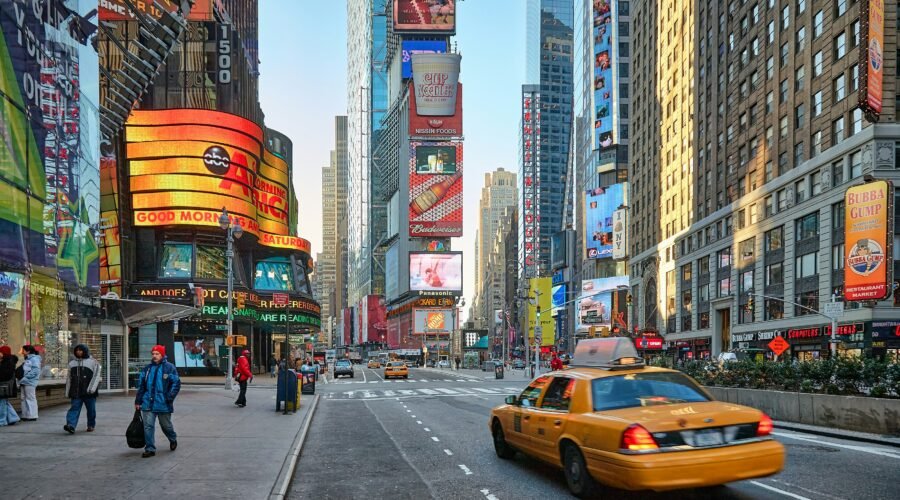
When’s the sweet spot for a trip to New York City? If you’re looking for the best combination of comfortable weather, manageable crowds, and wallet-friendly prices, aiming for the shoulder seasons is usually your best bet. That means spring (April to May) and fall (September to October) tend to offer the most pleasant overall experience. Let’s break down why and explore the nuances of visiting NYC throughout the year.
Spring in New York City is a vibrant awakening. The city sheds its winter coat, and a palpable energy returns to the streets. This is often considered one of the prime times to visit, offering a good balance of enjoyable weather and a city coming alive.
1.1 Weather Watch: Pleasant Temperatures Arrive
- April: Be prepared for a bit of a mixed bag. Early April can still feel cool, with average highs in the low to mid-60s Fahrenheit (around 16-18°C). You might still encounter chilly evenings and the occasional rainy day. However, as April progresses, temperatures begin to climb, offering increasingly pleasant afternoons perfect for exploring.
- May: This is typically when spring truly hits its stride. Average highs are in the mid to upper 70s Fahrenheit (around 24-26°C), making for comfortable days and mild evenings. It’s ideal for walking around, enjoying outdoor cafes, and taking advantage of the city’s many parks without feeling overheated or freezing.
1.2 Crowd Dynamics: Picking Up Steam
- April: Crowds start to build in April but are generally more manageable than during the peak summer months. You’ll see more tourists, especially around holidays like Easter (if it falls in April) and more consistently as the month progresses. However, you’re less likely to encounter the overwhelming throngs that define July and August.
- May: May is a popular month. The weather is a major draw, and many events and festivals begin to kick off. While it’s not usually as packed as the absolute peak of summer, you will notice a significant increase in tourists, particularly for Memorial Day weekend, which unofficially marks the start of summer. Expect longer lines at major attractions and more people on the sidewalks.
1.3 Cost Considerations: Moderate and Manageable
- Flights and Accommodation: Prices begin to rise in April as tourism picks up, but they are generally not yet at their summer highs. You can often find good deals if you book in advance. By May, expect prices to be firmly in the mid-to-high range, especially for hotels, as demand increases. Booking well ahead is crucial to secure better rates.
- Activities: While attraction ticket prices remain relatively constant, you might find that booking tours or special events is more competitive and potentially a bit pricier in May due to higher demand.
1.4 What to Pack: Layers are Key
- Clothing: Think layers. Bring a mix of t-shirts, long-sleeved shirts, a sweater or light jacket, and a more substantial coat for cooler mornings and evenings, especially in early April. Comfortable walking shoes are non-negotiable.
- Accessories: An umbrella is a must, as spring showers are common. Sunglasses and sunscreen are also good ideas as the sun gets stronger.
When planning your trip to New York City, it’s essential to consider not only the best time to visit but also the various factors that can enhance your experience. For insights on how to make the most of your journey, you might find it helpful to read our related article on the importance of choosing the right tour guides and services. This can significantly impact your overall experience in the city. To learn more, visit Meet Our Team.
2. Summer: Heat, Hustle, and High Prices (June-August)
Summer in NYC is synonymous with long, hot days and an electric atmosphere. The city is buzzing with activity, but this peak season comes with its own set of trade-offs regarding weather, crowds, and costs.
2.1 Weather Watch: Embracing the Heat
- June: Often starts the summer season with pleasant warmth, with average highs in the upper 70s to low 80s Fahrenheit (around 26-28°C). It’s generally a good month before the most intense heat and humidity set in.
- July & August: These are the hottest months. Expect average highs to regularly reach the upper 80s and even low 90s Fahrenheit (around 31-34°C), often coupled with high humidity. While this can feel intense for walking around extensively, it’s perfect for enjoying air-conditioned museums, Broadway shows, and rooftop bars. Afternoon thunderstorms are also common and can be quite dramatic.
2.2 Crowd Dynamics: The Peak of the Pack
- June: Crowds begin to swell significantly in June as school lets out and the summer vacation season officially begins. You’ll find more families and international tourists. Major attractions will have longer wait times.
- July & August: These months represent the absolute peak of tourist season in NYC. Expect significant crowds everywhere: Times Square, Statue of Liberty ferries, Central Park, and popular museums. Be prepared for queues, packed subways, and a general sense of hustle and bustle.
2.3 Cost Considerations: Peak Season Pricing
- Flights and Accommodation: Summer is the most expensive time to visit New York City. Flight and hotel prices are at their highest due to demand. Booking months in advance is essential for even moderately priced options. Last-minute deals are rare and often still quite costly.
- Activities: While ticket prices for major attractions are fixed, the cost of everything else can go up. Think pricier outdoor dining, and potentially inflated prices for guided tours or specific events.
2.4 What to Pack: Beat the Heat
- Clothing: Light, breathable fabrics are your best friend: cotton, linen, and moisture-wicking materials. Pack plenty of shorts, t-shirts, sundresses, and sandals.
- Accessories: A wide-brimmed hat, sunglasses, and high SPF sunscreen are crucial. A reusable water bottle is also a good idea to stay hydrated and save money. Consider a portable fan for those extra-muggy days.
3. Fall: Crisp Air and Colorful Scenery (September-October)

Fall in NYC is often hailed as the most magical season. The oppressive summer heat recedes, replaced by crisp, invigorating air and the iconic changing of the leaves. It’s a highly sought-after time to visit for good reason.
3.1 Weather Watch: Picture-Perfect Conditions
- September: September is usually a delightful transition. The heat and humidity of August give way to comfortable temperatures, with average highs in the low to mid-70s Fahrenheit (around 22-24°C). The evenings start to cool down, making them perfect for enjoying the city’s nightlife.
- October: This is arguably the prime month for fall weather. Average highs are in the mid-60s Fahrenheit (around 18-20°C), with cooler evenings. The foliage in Central Park and other green spaces reaches its peak beauty, often in the latter half of October.
3.2 Crowd Dynamics: Still Busy, But Less Intense
- September: September remains a busy month, carrying over from the summer peak. However, as families return to school and work, you might notice a slight dip in the frantic pace compared to July and August. It’s still lively, but perhaps a bit more manageable.
- October: October is extremely popular, particularly for its beautiful weather and fall scenery. While it’s still very crowded, especially around the Columbus Day weekend, it generally feels less frenetic than the height of summer. You’ll still encounter lines, but perhaps with a slightly more relaxed vibe.
3.3 Cost Considerations: Higher, but Potentially Better Value
- Flights and Accommodation: Fall is a premium season, so prices for flights and hotels reflect that. Expect them to be higher than in spring and significantly higher than in winter. However, if you book well in advance, you can sometimes snag better deals than during the summer peak. The value can be perceived as higher due to the superior weather and fewer extreme heat issues.
- Activities: Similar to summer, prices are relatively fixed, but the demand means booking popular tours or Broadway shows in advance is essential.
3.4 What to Pack: The Art of Layering
- Clothing: This is the season for stylish layering. Pack a mix of sweaters, long-sleeved shirts, a light jacket, and perhaps a trench coat or a slightly warmer coat for late October evenings. Comfortable walking shoes are paramount.
- Accessories: A scarf is a great addition for a touch of style and warmth. Sunglasses are still useful, and while rain is less frequent than in spring, an umbrella is always a wise precaution.
4. Winter: Chilly Charm and Cheaper Thrills (November-March)

Winter in NYC offers a completely different kind of magic. While the weather can be biting, the city sparkles with holiday decorations, fewer crowds, and more affordable travel options.
4.1 Weather Watch: Embracing the Cold
- November: Late November starts to feel distinctly chilly. Average highs are in the 50s Fahrenheit (around 10-14°C), and it can get quite cold by Thanksgiving. Snow is possible, but not yet the norm.
- December: This is the quintessential holiday month. While cold, with average highs in the low 40s Fahrenheit (around 4-7°C), the atmosphere is electric. Be prepared for biting winds, especially near the water or in open spaces.
- January & February: These are the coldest months. Average highs hover in the high 30s to low 40s Fahrenheit (around 3-7°C), but wind chill can make it feel much colder. Snowfall is common, sometimes bringing the city to a standstill for a few hours, creating beautiful winter landscapes.
- March: Early March can still be quite cold, with temperatures similar to February. However, as the month progresses, you’ll start to see a thaw, and the first hints of spring begin to appear, though it can remain quite raw.
4.2 Crowd Dynamics: A Tale of Two Halves
- November: The first half of November can be relatively less crowded. However, as Thanksgiving approaches, crowds surge significantly, especially in areas with holiday decorations and shopping districts.
- December: Despite the cold, December is a paradoxically busy month due to the holiday spirit. Times Square, Rockefeller Center, and Fifth Avenue are packed. However, outside of these prime locations and holiday weeks (Christmas and New Year’s), you might find pockets of calm.
- January & February: These are the absolute low season for tourism. After the New Year’s rush, the crowds thin out considerably. You’ll find much shorter lines at attractions and a more relaxed pace throughout the city, making it ideal for sightseeing without the hustle.
- March: Crowds begin to pick up in March as people shake off the winter blues, but it’s generally still considered off-season compared to the shoulder months.
4.3 Cost Considerations: The Best Deals Abound
| Month | Weather | Crowds | Costs |
|---|---|---|---|
| January | Cold, snow | Low | Low |
| April | Mild, showers | Medium | Medium |
| July | Hot, humid | High | High |
| October | Cool, crisp | Medium | Medium |
- Flights and Accommodation: This is when your wallet will thank you. Generally, from early January through late March, you’ll find the most significant discounts on flights and hotels. This is the best time to snag a bargain on a once-in-a-lifetime NYC trip. Even during the holiday period of December (excluding Christmas and New Year’s Eve), you can often find better deals than in other peak seasons.
- Activities: While baseline ticket prices are the same, you might find more seasonal promotions or package deals available during the off-season.
4.4 What to Pack: Winter Warrior Mode
- Clothing: Thermal layers are your best friend: long underwear, warm sweaters, and a heavy, insulated, windproof, and waterproof winter coat are essential. Don’t forget a warm hat, gloves, and a scarf. Think snow boots if you plan on walking in any accumulated snow.
- Accessories: Hand warmers are a lifesaver. Lip balm and a good moisturizer are crucial to combat dry winter air.
If you’re planning a trip to New York City, understanding the best time to visit can greatly enhance your experience. Factors such as weather, crowds, and costs play a significant role in determining when to explore the vibrant streets of the city. For more insights on travel tips and recommendations, you might find this article on traveling to New York City particularly helpful. It offers valuable information that can help you make the most of your visit.
5. The Nuances: Beyond Seasons
While the general seasonal advice holds true, there are always specific events and considerations that can influence your decision.
5.1 Holiday Magic vs. Holiday Hassle
- The Christmas Season (Late November through December): If your dream is to see NYC decked out in festive lights, visit Santa, and experience the iconic Rockefeller Center Christmas Tree, then this is your time. However, be prepared for very high prices and significant crowds. The magical atmosphere comes with a premium price tag and a lot of patience.
- New Year’s Eve: An iconic experience, but also one of the most crowded and expensive times to visit. Accommodation prices skyrocket, and public spaces for celebrations are packed.
5.2 Event-Driven Travel
- Major Sporting Events: If you’re a sports fan eager to catch a Yankees or Mets baseball game, a Knicks or Nets basketball game, or a Rangers or Islanders hockey game, your timing will be dictated by their seasons.
- Broadway Week & Restaurant Week: These promotions, typically held in late January/early February and late July/early August respectively, offer discounted Broadway tickets and prix-fixe menus. They can be a great way to experience the city’s culture for less, but they also draw crowds specifically for these deals.
- Festivals and Parades: NYC hosts numerous parades (Macy’s Thanksgiving Day Parade, St. Patrick’s Day Parade) and festivals throughout the year. If a particular event is a must-see, allow for the associated crowds and potential price surges.
5.3 Weather Preparedness: The Unpredictable Element
- Hurricane Season: While less common than in some other coastal cities, NYC can experience effects from hurricanes or tropical storms, primarily from August through October. These can cause significant travel disruptions.
- Snowstorms: Major snowstorms can occur from December through March, leading to flight cancellations and difficulty traveling around the city. While beautiful, they can disrupt plans significantly.
5.4 Your Personal Priorities
- Budget Traveler: Aim for January, February, or early March.
- Weather Enthusiast: Spring (May) or Fall (September/October) are your best bets.
- Christmas Lover: Late November through December, but be ready for the crowds and costs.
- Heat Tolerant Crowd Navigator: Summer offers the most energy, but be prepared for the heat and throngs.
Ultimately, the “best” time to visit NYC is subjective and depends on what you prioritize. By understanding the trade-offs of each season, you can make an informed decision that leads to your ideal New York City experience.
FAQs
1. What is the best time to visit New York City in terms of weather?
The best time to visit New York City in terms of weather is during the spring (April to June) and fall (September to early November) when the temperatures are mild and the city is in bloom or adorned with fall foliage.
2. When is the best time to visit New York City to avoid crowds?
To avoid crowds, it is best to visit New York City during the winter months (January and February) or late summer (August) when many locals are on vacation and tourist numbers are lower.
3. What is the most cost-effective time to visit New York City?
The most cost-effective time to visit New York City is during the winter months (January and February) and late summer (August) when hotel rates and airfare tend to be lower due to lower tourist demand.
4. When is the peak tourist season in New York City?
The peak tourist season in New York City is during the summer months (June to August) when the weather is warm and many attractions and events are in full swing, leading to higher crowds and prices.
5. What are the busiest times of year for events and festivals in New York City?
New York City experiences a high volume of events and festivals during the spring (April to June) and fall (September to November) when the weather is pleasant and many cultural and entertainment events take place.