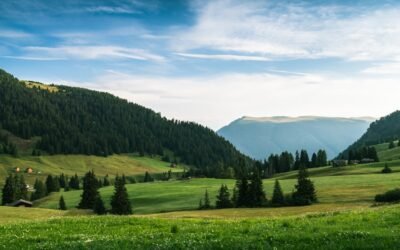
So, you’re thinking about heading to İnceburun, Sinop? That’s a fantastic choice! It’s a beautiful, rugged corner of Turkey with some seriously impressive scenery. The million-dollar question is, when is the best time to go to İnceburun? The short answer is: it depends on what you’re looking for. Are you after sun-drenched days for beach lounging, dramatic stormy seas for that windswept feel, or a quiet escape with fewer people around?
This guide breaks down İnceburun’s seasons, looking at the weather, how busy it gets, and what you can expect cost-wise, so you can pick the perfect time for your adventure.
İnceburun, being on the Black Sea coast, has a distinct maritime climate. This means you won’t find the scorching summers or freezing winters that might be common in other parts of Turkey. Instead, expect more moderate temperatures and a good amount of rainfall throughout the year. The Black Sea itself has a significant influence, leading to a generally more humid atmosphere.
Summer: The Warmest Months, But Not Exactly Scorching
From June to August, İnceburun experiences its warmest weather. Average temperatures hover around the mid-20s Celsius (mid-70s Fahrenheit), making it pleasant for outdoor activities. However, “warm” here is relative. It’s rarely oppressively hot, and the sea breeze usually keeps things comfortable. Humidity can be a bit higher during these months, which might feel warmer than the actual temperature suggests. Sunshine hours are at their peak, offering plenty of daylight for exploring.
What to Expect in Summer
- Temperatures: Daytime highs typically range from 24°C to 28°C (75°F to 82°F). Evenings are cooler, often dropping to around 18°C to 20°C (64°F to 68°F).
- Rainfall: While summer is generally drier than other seasons, occasional showers are still possible. These are usually short-lived and followed by sunshine.
- Sea Temperature: The Black Sea warms up considerably in the summer, reaching around 22°C to 25°C (72°F to 77°F) by August. This is perfect for swimming, although some might still find it a little cool compared to the Mediterranean.
Autumn: A Transition to Cooler, Dramatic Skies
September and October mark the transition into autumn. The summer heat begins to recede, and the seas can become more active. This is a time when the Black Sea’s wilder side starts to show. The temperatures become more crisp and refreshing, offering a lovely change from the summer warmth. The light also changes, often casting a softer glow over the landscapes.
What to Expect in Autumn
- Temperatures: September is still quite pleasant, with average highs around 22°C to 25°C (72°F to 77°F). By October, this drops to around 17°C to 20°C (63°F to 68°F). Evenings can become quite cool, so packing layers is a good idea.
- Rainfall: Rainfall starts to increase in autumn. Expect more frequent showers, and potentially some longer rainy periods.
- Sea Temperature: The sea gradually cools down from its summer peak, but it’s still possible to swim in early September. By late October, it will be quite bracing.
Winter: The Quiet Season with a Rugged Charm
From November to February, İnceburun enters its quietest and coolest period. This is not the time for sunbathing or swimming, but it can be an incredibly atmospheric and peaceful experience for those who appreciate dramatic coastal landscapes. The Black Sea can be turbulent, with powerful waves crashing against the shore.
What to Expect in Winter
- Temperatures: Daytime temperatures typically range from 8°C to 12°C (46°F to 54°F). Frost is possible, and temperatures can dip below freezing, especially at night.
- Rainfall: Winter is the wettest season. You can expect persistent rain, strong winds, and grey skies. Snowfall is not uncommon, though it doesn’t usually lay for long on the coast.
- Sea Conditions: The Black Sea can be very rough during winter, with high winds creating impressive waves. This can make boat trips or some coastal walks less feasible.
Spring: A Reawakening with Wildflowers and Milder Weather
March to May is spring in İnceburun. The landscape begins to come alive after the winter slumber, with wildflowers starting to bloom and vegetation turning a vibrant green. The weather is a mixed bag – you can get beautiful, sunny days, but also some lingering wintery chills and rain showers. It’s a time of transition, offering a preview of the warmer months to come.
What to Expect in Spring
- Temperatures: March can still feel quite wintery, with highs around 10°C to 14°C (50°F to 57°F). By May, you’ll see temperatures climbing to around 18°C to 22°C (64°F to 72°F).
- Rainfall: Rainfall is still significant in the early spring but gradually decreases as you move into May.
- Nature’s Display: This is a fantastic time for nature lovers. The meadows can be carpeted with wildflowers, and the birdsong is abundant.
Navigating the Crowds: When to Seek Solitude
The number of visitors to İnceburun varies significantly throughout the year, directly impacting the overall atmosphere and your experience. If you prefer a tranquil escape, timing your visit to avoid peak periods is key.
Summer Peak: Families and Tourists Descend
As you might expect, the summer months, particularly July and August, are the busiest for İnceburun and the wider Sinop region. This is when both domestic and international tourists tend to flock to the coast, seeking sunshine and a break from their routines. The beaches will be more populated, and there will be a general buzz of activity.
What to Expect During Summer Crowds
- Accommodation: Hotels, guesthouses, and any available rentals will be at their fullest. Booking well in advance is highly recommended, and prices will be at their highest.
- Attractions: While İnceburun isn’t packed with “attractions” in the traditional sense, any local restaurants or cafes will be busier. Popular viewpoints might have more people taking photos.
- Atmosphere: The overall vibe is lively and energetic. If you enjoy a social atmosphere and don’t mind sharing spaces, summer is great.
Shoulder Seasons: A Sweet Spot for Balance
The shoulder seasons – late spring (May-June) and early autumn (September-October) – offer a fantastic compromise. The weather is still generally good for exploring, but the major summer crowds have dispersed. This means you can enjoy the beauty of İnceburun with more breathing room.
What to Expect During Shoulder Season Crowds
- Accommodation: Availability improves, and you’ll likely have more choice. Prices may start to dip from their summer highs, though still not at their lowest.
- Attractions: You’ll encounter fewer people at viewpoints and in local spots. This allows for a more relaxed pace.
- Atmosphere: The atmosphere is much more relaxed than in summer. You can enjoy the scenery and local life without feeling overwhelmed.
Winter Low Season: A Haven of Peace
The winter months (November-February) represent the quietest time in İnceburun. You’ll find very few tourists around. This is the perfect period if your priority is absolute peace and quiet, and you’re prepared for the cooler weather and potentially rougher seas.
What to Expect During Winter Crowds
- Accommodation: Many smaller establishments might be closed for the season, but those that remain open will have plenty of availability. Prices will be at their lowest.
- Attractions: You’ll likely have popular spots entirely to yourself. This is ideal for photographers looking for dramatic, empty landscapes.
- Atmosphere: It’s very tranquil and serene. You’ll experience İnceburun in its raw, natural state, without the usual tourist bustle.
Budgeting Your İnceburun Trip: When to Save Money
Cost is always a factor, and like most destinations, İnceburun has seasons where your money will stretch further. Generally, the less popular the time of year, the more budget-friendly your trip will be.
Summer High Season: Splurge Time
As expected, this is when prices are at their peak. Flights and accommodation will command the highest rates due to demand. Eating at popular restaurants might also be slightly more expensive. If you’re travelling during July or August, be prepared to allocate a larger portion of your budget.
Cost Considerations in Summer
- Accommodation: Expect 30-50% higher prices compared to the off-season.
- Flights: Flight prices will reflect peak demand.
- Activities: While İnceburun itself doesn’t have many paid attractions, restaurant prices can be higher.
Autumn and Spring Shoulder Seasons: Good Value
The shoulder seasons offer a good balance between pleasant weather and more reasonable prices. You can often find good deals on accommodation and flights as demand eases. Food prices will likely remain relatively consistent, with potential for minor seasonal fluctuations.
Cost Considerations in Shoulder Seasons
- Accommodation: Expect prices to be between summer highs and winter lows.
- Flights: You might find some early bird or last-minute deals.
- Activities: Most local costs will be standard.
Winter Low Season: The Budget Traveler’s Dream
If you’re looking to stretch your travel budget as far as possible, winter is your best bet. Accommodation prices plummet, and you’ll find some of the best deals on flights. This is the time when you can really experience İnceburun’s dramatic beauty without breaking the bank.
Cost Considerations in Winter
- Accommodation: You can find significant discounts, potentially 50% or more off summer rates.
- Flights: Off-season flights are almost always cheaper.
- Activities: Local services might offer special winter pricing.
What to Pack: Practicalities for Each Season
Packing appropriately for İnceburun is crucial to ensure a comfortable and enjoyable trip, no matter when you decide to visit. The Black Sea coast has its own microclimate, and being prepared will make all the difference.
Summer Essentials: Light Layers and Sun Protection
For summer visits, think light, breathable fabrics. You’ll want to stay cool in the warmer temperatures, but also have options for cooler evenings or unexpected breezes. Sun protection is vital, especially if you plan on spending time outdoors.
Summer Packing List
- Clothing: T-shirts, light blouses, shorts, skirts, light trousers, a sundress.
- Outerwear: A light jacket or cardigan for evenings.
- Footwear: Comfortable walking shoes or sandals. Water shoes if you plan on getting into the sea.
- Sun Protection: High SPF sunscreen, a wide-brimmed hat, sunglasses.
- Rain Preparedness: A light, packable waterproof jacket, just in case.
Autumn and Spring: The Art of Layering
These transitional seasons are all about layering. You might experience a range of temperatures within a single day. Being able to add or remove clothing easily will keep you comfortable. Don’t underestimate the chill that can come off the sea.
Autumn/Spring Packing List
- Clothing: Long-sleeved shirts, sweaters or fleeces, jeans or warmer trousers, perhaps a thicker skirt.
- Outerwear: A medium-weight waterproof and windproof jacket is essential.
- Footwear: Sturdy, waterproof walking shoes or hiking boots, especially if you plan on exploring any trails.
- Accessories: A scarf can be a lifesaver for warmth and wind protection.
Winter: Warmth and Weatherproofing
Winter in İnceburun demands serious warmth. Think robust outerwear and layers that trap heat effectively. Wind and rain are a given, so waterproof and windproof gear is non-negotiable.
Winter Packing List
- Clothing: Thermal base layers, wool or fleece mid-layers, warm jumpers.
- Outerwear: A heavy, waterproof, and windproof coat is essential. Consider one with a hood.
- Footwear: Insulated, waterproof boots are a must.
- Accessories: A warm hat that covers your ears, gloves, and a thick scarf.
Activities and Experiences: Tailoring Your Visit
| Month | Weather | Crowds | Costs |
|---|---|---|---|
| May | Mild temperatures, little rainfall | Low | Medium |
| June | Warm temperatures, low rainfall | Medium | Medium |
| July | Hot temperatures, low rainfall | High | High |
| August | Hot temperatures, low rainfall | High | High |
| September | Warm temperatures, low rainfall | Medium | Medium |
The “best” time to visit İnceburun also depends heavily on what you want to do. Some activities are best enjoyed under clear skies and calm seas, while others can be even more dramatic during rougher weather.
For Sun-Seekers and Beach Lovers
If your idea of a perfect trip involves lounging on the beach and swimming in the sea, then summer (June-August) is your go-to season. The Black Sea is at its warmest and most inviting, and the long, sunny days are perfect for maximizing your beach time. Evenings are mild enough to enjoy al fresco dinners by the coast.
Summer Beach Focus
- Swimming and Sunbathing: The Black Sea is at its most pleasant.
- Coastal Walks: Enjoy the scenery without the chill.
- Seafood: Fresh, abundant, and best enjoyed with a sea view.
For Hikers and Nature Enthusiasts
Spring (April-May) is arguably the best time for exploring İnceburun’s natural beauty on foot. The landscape bursts into life with wildflowers, and the vegetation is lush and green. The weather is generally mild enough for comfortable hiking, and the rain showers are usually manageable. Autumn (September-October) is also excellent, with vibrant foliage and fewer crowds.
Nature Exploration Notes
- Wildflower Blooms: Spring offers a spectacular display.
- Hiking Trails: Moderate temperatures make for enjoyable walks.
- Birdwatching: Spring migration can be a rewarding experience.
For Photographers and Dramatic Scenery Admirers
If you’re looking for moodier seascapes, dramatic skies, and the raw power of the Black Sea, then late autumn and winter (October-February) can be incredibly rewarding. The storms create stunning, tempestuous waves that are a photographer’s dream. The rugged coastline takes on an entirely different, wilder character. Just be prepared for challenging weather and pack accordingly.
Dramatic Landscape Photography
- Stormy Seas: Capture the power and beauty of crashing waves.
- Moody Skies: Excellent for atmospheric shots.
- Fewer People: Uninterrupted views for your lens.
For Peace and Quiet Seekers
If your priority is avoiding crowds and experiencing İnceburun in its most tranquil state, then the winter low season (November-February) is the ultimate choice. You’ll likely have much of the coastline to yourself, allowing for a truly immersive and peaceful experience. Early spring (March) and late autumn (November) can also offer moments of solitude before and after the main tourist seasons.
Solitude & Serenity
- Unspoiled Landscapes: Experience nature without the buzz.
- Quiet Contemplation: Ideal for reflection and relaxation.
- Local Life at Your Own Pace: Observe without feeling rushed.
By considering these factors – the weather, the crowds, the costs, and your desired activities – you can pinpoint the ideal time to visit İnceburun, Sinop for a truly memorable experience. Remember that İnceburun is a place that offers different kinds of beauty throughout the year, so the “best” time is ultimately the one that aligns with what you want to get out of your trip.
FAQs
1. What is the best time to visit İnceburun, Sinop in terms of weather?
The best time to visit İnceburun, Sinop is during the summer months of June to August when the weather is warm and sunny, with temperatures ranging from 20°C to 30°C.
2. When is the peak tourist season in İnceburun, Sinop?
The peak tourist season in İnceburun, Sinop is during the summer months of June to August when the weather is ideal for outdoor activities and sightseeing.
3. When is the off-peak season in İnceburun, Sinop?
The off-peak season in İnceburun, Sinop is during the winter months of December to February when the weather is cold and the tourist crowds are minimal.
4. What are the costs like during the peak tourist season in İnceburun, Sinop?
During the peak tourist season, costs for accommodation, dining, and activities in İnceburun, Sinop are generally higher due to the high demand.
5. When is the best time to visit İnceburun, Sinop to avoid crowds and save on costs?
The best time to visit İnceburun, Sinop to avoid crowds and save on costs is during the shoulder seasons of spring (March to May) and fall (September to November) when the weather is still pleasant and the tourist crowds are fewer.