Nevada isn’t just about the glitz and glamour of Las Vegas; it’s a state packed with stunning natural wonders and diverse landscapes. Thinking about planning a trip? The “best” time really depends on what you’re looking for. If you want mild weather and fewer crowds, spring and fall are your sweet spots. Love the heat and don’t mind the hustle? Summer’s your jam. Looking for a budget-friendly escape with a chill in the air? Winter can be surprisingly inviting. Let’s break down the seasons to help you pick the perfect time for your Nevada adventure.
Spring in Nevada, generally from March through May, hits a fantastic balance for many visitors. The scorching summer heat hasn’t quite arrived yet, and the winter chill is fading, making it ideal for exploring both the cities and the vast natural landscapes.
Pleasant Temperatures Across the State
You’ll find the weather in spring to be quite agreeable across most of Nevada. Las Vegas and the southern desert regions start to warm up nicely, typically enjoying daytime highs in the 70s and 80s Fahrenheit. This is far more comfortable for walking around the Strip or venturing out to nearby attractions like Red Rock Canyon.
Cooler in the North
As you move north towards Reno and Lake Tahoe, spring still carries a bit of a cool-down. March can still see some chilly days and even snow at higher elevations, but by April and May, temperatures are usually in the 50s and 60s Fahrenheit, perfect for enjoying the alpine scenery before the summer rush.
Blooming Desert Wildflowers
One of the real highlights of a spring visit to Nevada, especially the southern parts, is the possibility of seeing spectacular desert wildflower displays. After decent winter rains, landscapes can be painted with vibrant colors, creating breathtaking photo opportunities. This phenomenon is most common in April, but can vary year to year.
Moderate Crowds in Popular Areas
While spring is popular, it doesn’t usually reach the peak levels of summer or major holiday weekends. You’ll encounter more people than in the off-season, particularly in Las Vegas, but it’s generally manageable. Expect moderate crowds at major attractions, making navigation and securing reservations easier.
Cost-Effective Travel Options
Prices for flights and accommodations in spring tend to be mid-range. You’re unlikely to find the absolute lowest prices of winter, but you’ll avoid the premium rates of summer or Thanksgiving/Christmas periods. It’s a good time to snag reasonable deals if you book in advance.
Outdoor Activities Abound
This is prime time for hiking, biking, and exploring national parks like Great Basin or Death Valley (though Death Valley can still get quite warm by late spring). The cooler temperatures make it pleasant to be active outdoors without overheating, and the natural beauty is at its peak.
If you’re planning a trip to Nevada, it’s essential to consider not just the best time to visit but also the various factors that can enhance your experience. For more insights on travel-related topics, you might find it helpful to read about the importance of understanding cookie policies when browsing travel sites. This information can help you make informed decisions while planning your journey. You can check out the article here: Cookie Policy.
Summer: Embrace the Heat and the Buzz
Summer in Nevada, from June through August, is synonymous with soaring temperatures, especially in the desert. This is the peak season for many, drawn by the lively atmosphere of Las Vegas and the long daylight hours for exploring.
Intense Heat in Southern Nevada
Let’s be upfront: summers in southern Nevada, including Las Vegas and Death Valley, are hot. Daytime temperatures regularly exceed 100°F (38°C) and can even climb past 115°F (46°C) in Death Valley. If you’re visiting this region, all outdoor activities need to be planned for very early mornings or late evenings, with plenty of hydration and sun protection.
More Tolerable in Northern Nevada
The northern parts of the state, like Reno and the Lake Tahoe basin, offer a much more temperate summer experience. Daytime highs are typically in the pleasant 70s and 80s Fahrenheit, making it ideal for enjoying Lake Tahoe’s beaches and the surrounding mountains.
Peak Tourist Season in Las Vegas
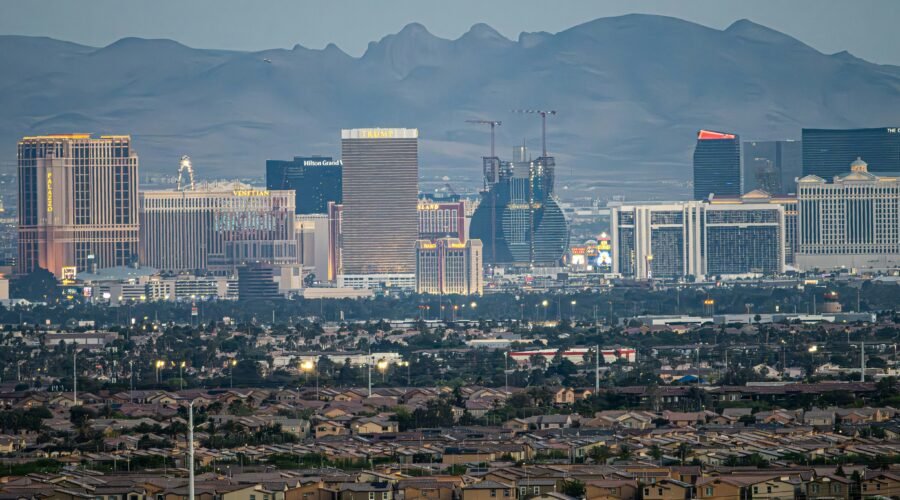
Las Vegas genuinely comes alive in the summer. The hotels are buzzing, the pools are packed, and there’s a constant stream of entertainment. If you enjoy a vibrant, energetic atmosphere and don’t mind sharing the space, this is the season for you.
Larger Crowds, Higher Prices
As expected during peak season, you’ll be sharing Nevada with a lot of other travelers. Las Vegas, in particular, will be crowded. This means longer lines for attractions, restaurants, and shows. Consequently, prices for flights and accommodations are at their highest during the summer months. Booking well in advance is crucial.
Ideal for Water Activities
If your Nevada dream involves water, summer is your only real option for comfortably enjoying places like Lake Tahoe. The crystal-clear waters are perfect for swimming, boating, kayaking, and paddleboarding. Even in the desert, many hotels offer elaborate pool complexes that become a central focus for staying cool.
Road Trips and Stargazing
The long daylight hours are excellent for hitting the road and exploring Nevada’s vast distances. With clear skies, summer nights in areas away from city lights offer incredible stargazing opportunities, especially in the more remote desert regions.
Fall: A Respite from the Heat and Festivals Galore

Autumn, typically September through November, is often considered by many Nevadans and seasoned travelers to be the absolute best time to visit. The oppressive summer heat gives way to comfortable temperatures, and the crowds begin to thin out, offering a more relaxed vacation experience.
Comfortable Temperatures Return
The transition from summer to fall brings a welcome relief from the heat. Southern Nevada, including Las Vegas, starts seeing daytime highs drop from the triple digits into the more manageable 70s and 80s Fahrenheit in September and October, cooling further into the 60s in November.
Crisp Air in the North
Northern Nevada, particularly around Lake Tahoe, experiences a beautiful autumn with crisp, cool air. Daytime temperatures are ideal for outdoor activities, often in the 50s and 60s Fahrenheit, with clear, sunny skies being common. This is perfect for enjoying the changing foliage.
Vibrant Fall Colors

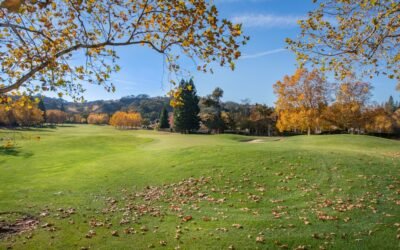
While not famous for deciduous forests like some other states, Nevada does offer fall color, especially in its higher elevations and along waterways in the northern part of the state. The leaves of aspens and cottonwoods can put on a lovely, though more subtle, display in late September and October.
Crowds Ease Up
As school returns to session and the intense summer heat subsides, the crowds in Las Vegas and other popular destinations begin to decrease significantly. You’ll find it easier to get around, secure restaurant reservations, and enjoy attractions without feeling overwhelmed by other tourists.
More Budget-Friendly Options Emerge
With the decrease in demand, you’ll typically start to see more reasonable prices for flights and hotels in the fall. While it’s not the absolute cheapest time to visit, you can often find good deals and packages, especially if you travel during the weekdays or in the shoulder months of September and November.
A Plethora of Events and Festivals
Fall is a fantastic season for events and festivals across Nevada. From art walks and food festivals to cultural celebrations and collegiate sports, there’s usually something happening. Las Vegas also sees a resurgence in major convention bookings, which can impact hotel occupancy, but also means a lively atmosphere.
Winter: The Unsung Hero for Budget Travelers and Snow Lovers
| Month | Weather | Crowds | Costs |
|---|---|---|---|
| January | Cool, some snow in higher elevations | Low | Low |
| April | Mild, spring weather | Medium | Medium |
| July | Hot, especially in desert areas | High | High |
| October | Pleasant, fall weather | Medium | Medium |
Winter, from December through February, might not be the first season that comes to mind for Nevada, but it holds some unique advantages, particularly for those seeking fewer crowds and lower costs, or for those who enjoy winter sports.
Mild Winters in the South
Nevada’s southern desert regions offer remarkably mild winters. Las Vegas, for example, rarely sees freezing temperatures; daytime highs are often in the 50s and 60s Fahrenheit, with plenty of sunshine. This is perfect for exploring the city and its surroundings without the intense heat of other seasons.
Snow in the Northern Mountains
For those who love winter sports, the northern part of Nevada, especially the Lake Tahoe area, transforms into a winter wonderland. Ski resorts like Heavenly, Squaw Valley, and Northstar offer excellent skiing and snowboarding conditions, with plenty of opportunities for snowshoeing and other winter activities.
Lowest Crowds of the Year
Outside of the Christmas and New Year’s holiday period, winter generally sees the lowest tourist numbers in Nevada, particularly in Las Vegas. This means a more relaxed pace, shorter lines, and a chance to experience the state without the overwhelming throngs of people.
Best Prices on Travel and Accommodation
Winter (excluding holidays) is hands-down the most budget-friendly time to visit Nevada. Flights and hotel rates in Las Vegas can be exceptionally low, offering significant savings. This is the perfect season to plan a more economical trip or to splurge on upgrades you might not normally consider.
Indoor Attractions Shine
When the weather is cooler, winter is an excellent time to focus on Nevada’s vast array of indoor attractions. From world-class shows and museums in Las Vegas to the many galleries and historical sites in Reno, there’s plenty to keep you entertained.
Specific Events and Unique Experiences
Winter in Nevada also brings unique events. The holidays are celebrated with elaborate decorations and shows in Las Vegas. Furthermore, the quiet desert landscapes can be particularly beautiful under a rare dusting of snow, creating a surreal and memorable experience.
If you’re planning a trip to Nevada, understanding the best time to visit can greatly enhance your experience, considering factors like weather, crowds, and costs. For more insights on how to make the most of your travel plans, you might find it helpful to read a related article that discusses essential tips for navigating the state’s attractions and activities throughout the year. You can check it out here for more information.
Considering Specific Destinations Within Nevada
Nevada is a large and diverse state, and the “best” time can vary significantly depending on where you plan to go. Thinking about your specific destination will help you narrow down your timing even further.
Las Vegas: Year-Round Appeal with Seasonal Nuances
Las Vegas is a destination that operates on its own clock, with attractions and entertainment available 24/7. However, you’ll notice the biggest differences in weather and crowd levels. For a balance of pleasant weather and manageable crowds, consider the shoulder seasons of spring (March-May) and fall (September-November). Summer is for those who thrive in heat and high energy, while winter offers the best deals and a more laid-back vibe, minus the holiday rush.
Lake Tahoe: Summer and Winter Dominate
Lake Tahoe is a tale of two seasons. Summer (June-August) is ideal for enjoying the lake’s pristine waters for swimming, boating, and all sorts of water sports. Fall (September-October) offers stunning autumn colors and fewer crowds before the winter snow arrives. Winter (December-March) is the prime time for skiers and snowboarders, with resorts offering prime conditions. Spring can be a bit of a transition, with some ski resorts still open and the lake starting to thaw, but often still chilly.
Great Basin National Park: Spring and Fall for Hiking
Great Basin National Park, with its Lehman Caves and ancient bristlecone pines, is best explored in spring (May-June) and fall (September-October). These periods offer pleasant hiking temperatures and fewer visitors. Winters can be harsh, with heavy snowfall making many of the park’s higher elevation roads and trails inaccessible. Summers can be quite warm at lower elevations.
Death Valley National Park: Fall to Spring for Cooler Exploration
Death Valley, notoriously the hottest place on Earth, is definitely not a summer destination for most. The absolute best time to visit Death Valley is during the cooler months, from roughly October through April. Temperatures are far more manageable, allowing for comfortable exploration of its unique landscapes. Even during these months, it’s crucial to be prepared for the desert heat, especially in late spring.
Reno and Northern Nevada: A Blend of Seasons
Reno and the surrounding northern Nevada landscape have a four-season climate. Spring offers blooming wildflowers and pleasant temperatures for exploring the city and nearby parks. Summer is warm and dry, perfect for exploring the Truckee River and enjoying outdoor events. Fall brings beautiful foliage and crisp air for hiking and wine tasting. Winter is cold with potential for snow, especially at higher elevations, making it suitable for those seeking winter activities.
FAQs
1. What is the best time to visit Nevada in terms of weather?
The best time to visit Nevada in terms of weather is during the spring (March to May) and fall (September to November) when temperatures are mild and comfortable. Summers can be extremely hot, especially in the desert areas, while winters can bring cold temperatures and occasional snowfall.
2. When is the best time to visit Nevada to avoid crowds?
To avoid crowds, it’s best to visit Nevada during the shoulder seasons of spring (March to May) and fall (September to November). These times typically see fewer tourists compared to the peak summer months and winter holidays.
3. What is the most cost-effective time to visit Nevada?
The most cost-effective time to visit Nevada is during the shoulder seasons of spring (March to May) and fall (September to November). During these times, you can often find better deals on accommodations and activities compared to the peak summer and winter seasons.
4. What are the busiest times to visit Nevada?
The busiest times to visit Nevada are during the summer months (June to August) and the winter holidays (December to January). These times attract the most tourists, leading to crowded attractions and higher prices for accommodations and activities.
5. What are some popular events and festivals in Nevada throughout the year?
Nevada hosts several popular events and festivals throughout the year, including the Burning Man festival in late August, the Reno Air Races in September, and the Las Vegas New Year’s Eve celebrations. Additionally, there are various music festivals, food events, and cultural celebrations that take place in different cities across the state.