Looking to visit Reno, Nevada? The best times are generally late spring (April-May) and early fall (September-October). These periods offer pleasant weather, manageable crowds, and reasonable prices for everything from flights to hotels. Avoid summer if you dislike intense heat, and winter if you’re not planning a ski trip.
1. Understanding Reno’s Climate: Hot and Dry
Reno’s high desert climate means distinct seasons. It’s generally dry, with low humidity, which makes extreme temperatures feel a bit more tolerable than in humid climates. However, “tolerable” is relative when it’s 100 degrees Fahrenheit.
1.1 Summer (June – August)
Get ready for some serious heat. Daily highs frequently push into the 90s and often exceed 100 degrees Fahrenheit. The dry air means evenings cool down, but don’t expect chilly nights. Sunlight is intense, and hydration is crucial. wildfires can be a concern in late summer, occasionally leading to smoky skies. Rainfall is minimal, mostly in the form of brief afternoon thunderstorms.
1.2 Fall (September – November)
This is arguably one of Reno’s most pleasant seasons. September can still be warm, but temperatures gradually cool to comfortable highs in the 70s and 60s by October and November. The air is crisp, and skies are generally clear. The leaves in the surrounding Sierra Nevada foothills offer some beautiful, though not extensive, fall colors. This is an excellent time for outdoor activities, from hiking to exploring Lake Tahoe.
1.3 Winter (December – February)
Reno winters are cold, with average daily highs in the 40s and lows often below freezing. Snowfall in Reno itself is variable; you might get a few inches that melt quickly, or you might see a more significant accumulation. However, the surrounding mountains, including Lake Tahoe, get heavy snowfall, making this prime ski season. If you’re not hitting the slopes, dress warmly in layers. Black ice can be a hazard on roads, especially in the mornings.
1.4 Spring (March – May)
Spring is a season of transition. March can still feel wintry, with occasional snow or cold snaps. By April and May, temperatures warm up significantly, with daily highs in the 60s and 70s. Wildflowers start to bloom, and the longer daylight hours make it ideal for exploring. Expect some windy days as storm systems pass through. This is another prime time for outdoor activities before the summer heat settles in.
If you’re planning a trip to Reno, Nevada, understanding the best time to visit can significantly enhance your experience. For insights on weather patterns, crowd sizes, and cost considerations, you might find it helpful to check out this related article on travel tips and recommendations. For more information, visit Lele Tours, where you can discover additional resources to help you plan your perfect getaway.
2. Navigating the Crowds: When Reno Gets Busy
Reno’s crowd levels fluctuate quite a bit, influenced by weather, local events, and the nearby Lake Tahoe ski season. Understanding these patterns can help you decide when to visit for a more relaxed or more lively experience.
2.1 Peak Season (Summer and Ski Season)
- Summer (June – August): While Reno itself can be hot, people still come for various events and as a gateway to Lake Tahoe. Many families travel during this time, so attractions, restaurants, and hotels can get busier, especially on weekends. Outdoor events, music festivals, and sports tournaments draw crowds. Expect longer lines and fuller parking lots at popular spots.
- Ski Season (December – March/April): When the snow falls heavily in the Sierra Nevada, Reno becomes a hub for skiers and snowboarders heading to resorts like Squaw Valley, Heavenly, and Northstar. Weekend traffic to Lake Tahoe can be significant, and Reno’s hotels often see an increase in bookings from those looking for more affordable lodging options than on the lake itself. Restaurants and casinos can also be busier, particularly on Friday and Saturday nights.
2.2 Shoulder Seasons (Late Spring and Early Fall)
- Late Spring (April – May): This is often an ideal time. The weather is warming up, but the summer crowds haven’t fully descended. You’ll find fewer people at attractions, and hotels might offer better rates. It’s perfect for exploring the city and surrounding natural areas without feeling overwhelmed.
- Early Fall (September – October): Similar to late spring, early fall offers a sweet spot. The intense summer heat is gone, the air is crisp, and the kids are back in school, leading to fewer family travelers. You’ll encounter manageable crowds, making it easier to enjoy things at your own pace. Many local events continue, but without the peak season intensity.
2.3 Off-Peak Season (Late Winter/Early Spring)
- Mid-Week in Winter (Not Ski-Focused): If you’re not planning to ski, visiting Reno specifically on weekdays during the winter (outside of major holidays) can mean very few crowds. Hotels will likely have vacancies, and popular spots will be less busy. However, some attractions might have reduced hours.
- Early Spring (March): This can be a bit of a gamble weather-wise, but if you hit a warm spell, you’ll find very light crowds before the spring break rush and general spring tourism picks up.
2.4 Event-Driven Crowds
Reno hosts numerous events throughout the year that can significantly impact crowd levels and prices, regardless of the season. Always check the local events calendar before planning your trip.
- Hot August Nights (August): This massive classic car festival draws huge crowds, filling hotels and making traffic a nightmare. Book well in advance if you plan to attend.
- The Great Reno Balloon Race (September): An early morning spectacle that brings many spectators. Traffic to the viewing areas can be heavy.
- Street Vibrations Motorcycle Festival (September): Another large event that fills the city with motorcycles and their enthusiasts.
- National Championship Air Races (September): Draws aviation fans, impacting local traffic and accommodation.
- Rib Cook-Off (Labor Day Weekend): A food festival that brings a lot of people to the area.
If you’re not interested in these specific events, it’s best to avoid Reno during these times to steer clear of inflated prices and massive crowds.
3. Understanding the Costs: From Flights to Fun
Reno can be a budget-friendly destination, especially compared to its glitzy neighbor Las Vegas or the upscale Lake Tahoe. However, costs can vary dramatically depending on when you visit and how you choose to spend your money.
3.1 Flights
- Peak Season (Summer & Major Events): Expect higher flight prices. Airlines know people travel during school breaks and for big events. Booking well in advance (3-6 months) can help, but prices will still generally be elevated.
- Shoulder Seasons (Late Spring & Early Fall): This is often the sweet spot for flight prices. Demand isn’t at its absolute highest, and airlines might offer more competitive rates. Booking 2-4 months out is a good strategy.
- Off-Peak (Winter, non-holiday/non-ski): Outside of holidays and peak ski weekends, you can often find good deals on flights to Reno, especially if you’re flexible with your travel days (mid-week flights are usually cheaper).
- Pro Tip: Consider flying into Sacramento (SMF) if flights to Reno (RNO) are significantly more expensive. Sacramento is about a 2-hour drive from Reno and often has more flight options from various carriers. Factor in car rental costs and time, of course.
3.2 Accommodation
- Hotels/Casinos: Reno’s core is dominated by casino-hotels. These often offer competitive rates, especially mid-week or during off-peak times, to attract gamblers. Look for deals directly on their websites. Prices skyrocket during major events (Hot August Nights, Air Races) and on weekends during ski season. Outside of these times, you can often find decent rooms for $70-$150/night.
- Airbnb/Vacation Rentals: These can be a good option for groups or longer stays, providing more space and amenities like kitchens. Prices vary wildly based on location, size, and demand. Check reviews carefully.
- Budget Motels: You’ll find plenty of budget-friendly motels outside the main casino corridor, especially along Virginia Street. Quality can vary, so read recent reviews before booking.
- RV Parks/Camping: If you’re traveling in an RV, Reno has several RV parks. For a more rustic experience, camping is available in the surrounding national forests, though these are seasonal.
3.3 Food & Drink
Reno offers a spectrum of dining options.
- Casino Buffets: A classic Reno experience, buffets can be a good value, especially for lunch or brunch. Prices typically range from $20-$40 per person.
- Casual Dining: You’ll find plenty of chain restaurants and local diners offering good meals for $15-$25 per person.
- Fine Dining: Many casino hotels also have upscale restaurants, with prices comparable to fine dining in other cities ($50+ per person for an entree).
- Bars & Nightlife: Drinks in casino bars can be relatively inexpensive, especially if you’re actively gambling (complimentary drinks are a thing). Craft breweries and independent bars have menus with prices similar to other mid-sized cities.
- Groceries: If you have access to a kitchen (e.g., Airbnb), buying groceries is always the most budget-friendly option.
3.4 Activities & Entertainment
- Gambling: Set a budget and stick to it! This is where costs can quickly spiral out of control. Many casinos offer loyalty programs and free play for new members.
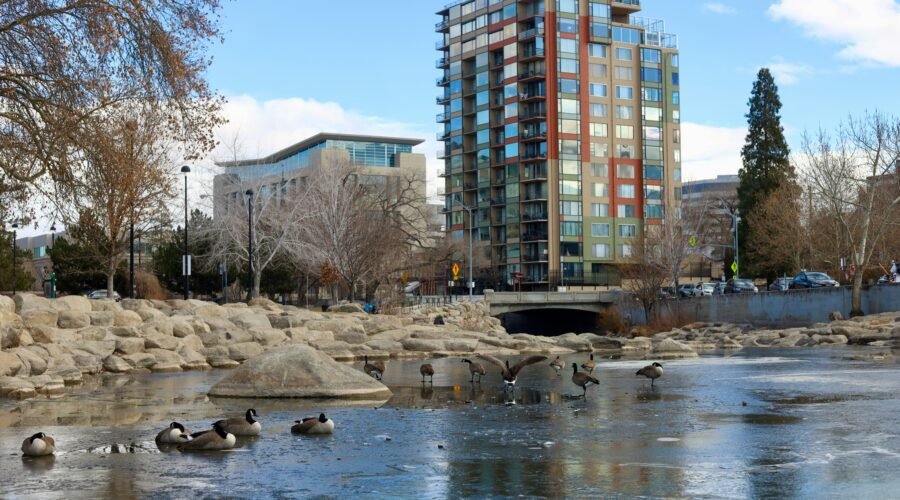
- Free Activities: Many of Reno’s attractions are free or low-cost: strolling the Riverwalk, exploring local parks, taking scenic drives (especially to Lake Tahoe, though gas is a cost). Window shopping in the unique local boutiques in areas like the California Avenue Arts District can also be fun without spending much.
- Museums: The Nevada Museum of Art and The National Automobile Museum are fairly priced (typically $10-$20 admission) and offer engaging experiences.
- Outdoor Activities: Hiking and biking trails are often free. Kayaking, paddleboarding, and boat rentals on Lake Tahoe will add to your costs (around $30-$100+ for rentals). Ski lift tickets are a significant expense, often $100-$200+ per day at major resorts.
- Shows/Concerts: Many casino-hotels host live entertainment, from stand-up comedy to concerts. Ticket prices vary widely.
3.5 Transportation
- Car Rental: Essential if you plan to explore beyond the immediate downtown area or venture to Lake Tahoe. Prices fluctuate based on demand, season, and how far in advance you book. Expect $40-$100+ per day.
- Rideshares/Taxis: Available but can add up quickly if you’re making frequent trips.
- RTC RIDE: Reno’s public bus system is affordable ($2 per ride, $5 for a day pass) and covers many main areas, but service can be less frequent in some residential zones.
- Walking: The downtown core and Riverwalk area are very walkable.
4. Best Times to Visit Reno: A Quick Summary
To recap, if you’re looking for that sweet spot of good weather, manageable crowds, and reasonable prices, target the shoulder seasons.
4.1 Late Spring (April – May)
- Weather: Pleasant, warming up, usually in the 60s-70s. Occasional windy days.
- Crowds: Generally lighter before the summer rush. Good for exploring.
- Costs: Flights and hotels are typically more affordable than peak summer. Activities like hiking and exploring are free.
4.2 Early Fall (September – October)
- Weather: Crisp, clear, comfortable days in the 60s-70s. Nights cool significantly.
- Crowds: School is back in session, so fewer families. Major events like the Balloon Race or Air Races can cause spikes, so check dates.
- Costs: Similar to late spring, good deals can be found, especially if avoiding major event weekends.
4.3 What to Avoid (Unless You Have a Specific Reason)
- Mid-Summer (July-August): Unless you love triple-digit heat or are attending Hot August Nights, it can be uncomfortably hot for outdoor activities. Prices for hotels will also be higher.
- Major Event Weekends: As mentioned, events like Hot August Nights or the Air Races will mean exorbitant hotel prices, heavy traffic, and crowded venues. Book months in advance if you plan to go.
- Peak Ski Season Weekends (December-March): If you’re not skiing, you’ll still contend with higher hotel prices (especially Friday/Saturday) and more traffic heading to/from Tahoe.
If you’re planning a trip to Reno, Nevada, understanding the best time to visit can greatly enhance your experience. Factors such as weather, crowds, and costs play a significant role in determining when to go. For more insights on travel planning, you might find this article on cookie policies helpful, as it discusses important considerations for online bookings and privacy. Be sure to check it out here to ensure a smooth travel experience.
5. Things to Consider When Planning Your Trip
Beyond the weather, crowds, and costs, a few other elements can shape your Reno experience.
5.1 Lake Tahoe Proximity
Reno is often called the “Gateway to Lake Tahoe,” and for good reason. The lake is a stunning natural wonder just a 45-minute to hour-long drive away.
- Summer & Fall: Great for hiking, boating, paddleboarding, and enjoying the beautiful scenery.
- Winter: World-class skiing and snowboarding.
- Consider a Split Trip: Many visitors stay a few days in Reno for the city experience, then spend a few days at Lake Tahoe for outdoor adventure. Factor in the cost of a rental car for this.
5.2 Outdoor Opportunities
Reno’s high-desert location tucked next to the Sierra Nevada offers a surprising array of outdoor activities.
- Hiking & Biking: Numerous trails ranging from easy strolls along the Truckee River to challenging mountain ascents. Check out destinations like Galena Creek Regional Park or Rancho San Rafael Regional Park for close-to-city options.
- Fishing: The Truckee River is a popular spot for fly fishing.
- Golf: Several golf courses in and around Reno.
- Rock Climbing: Areas around Lake Tahoe and farther south offer climbing opportunities.
- Winter Sports: Skiing, snowboarding, snowshoeing, and cross-country skiing are all easily accessible in the nearby mountains.
5.3 City Exploration
While gambling is a big draw, Reno has more to offer.
- The Riverwalk District: A pleasant area along the Truckee River with shops, restaurants, and art murals.
- MidTown District: Known for its eclectic collection of local boutiques, cafes, bars, and street art. A great place to wander.
- Museums: The Nevada Museum of Art, National Automobile Museum, and Terry Lee Wells Nevada Discovery Museum offer diverse cultural and educational experiences.
- Breweries & Food Scene: Reno’s culinary landscape is growing, with a good selection of craft breweries, farm-to-table restaurants, and diverse international cuisine options.
5.4 Driving & Transportation
- Rental Car: Highly recommended if you plan to explore outside the immediate downtown area, especially for trips to Lake Tahoe or surrounding parks.
- Parking: Downtown casino hotels usually offer parking, sometimes free, sometimes with a fee (especially during events). Street parking can be limited.
- Winter Driving: If visiting in winter, be prepared for potential snow and ice, especially on roads to Lake Tahoe. Check chain requirements for vehicles in the mountains.
By keeping these factors in mind, you can plan a Reno trip that perfectly matches your interests, budget, and desired level of activity. Enjoy “The Biggest Little City in the World!”
FAQs
1. What is the best time of year to visit Reno, Nevada for favorable weather?
The best time to visit Reno, Nevada for favorable weather is during the spring and fall months, specifically April to May and September to October. During these times, the weather is mild with comfortable temperatures and minimal precipitation.
2. When is the peak tourist season in Reno, Nevada?
The peak tourist season in Reno, Nevada is during the summer months, particularly from June to August. This is when the city experiences the highest number of visitors, resulting in larger crowds and higher accommodation costs.
3. What is the off-peak season in Reno, Nevada?
The off-peak season in Reno, Nevada is during the winter months, specifically from December to February. During this time, the city experiences fewer tourists, lower accommodation costs, and the opportunity to enjoy winter activities such as skiing and snowboarding in the nearby mountains.
4. How does the cost of visiting Reno, Nevada vary throughout the year?
The cost of visiting Reno, Nevada varies throughout the year, with higher accommodation costs and potential for increased airfare during the peak tourist season in the summer. Conversely, visiting during the off-peak winter season may result in lower accommodation costs and potential for discounted winter activities.
5. What are the major events and festivals in Reno, Nevada that may impact the best time to visit?
Reno, Nevada hosts several major events and festivals throughout the year, such as the Reno Rodeo in June, the Great Reno Balloon Race in September, and the Reno Air Races in September. These events may impact the best time to visit based on individual interests and preferences.