So, you’re thinking about a trip to Cotter Reserve in the Australian Capital Territory? It’s a lovely place for a riverside picnic, a scenic walk, or an easy escape from Canberra. But choosing the right time makes a difference. For comfortable weather and a more relaxed visit, late spring and early autumn are especially appealing. Summer suits warm-weather outings, while winter brings crisp air and quieter surroundings. Here’s how to choose the right season for your trip.
Quick Answer
The best time to visit Cotter Reserve is generally November or March to April, when Canberra’s weather is comfortable for picnics, walking and sightseeing. Summer is warmer but can bring busy weekends and intense heat. Winter offers crisp scenery and potentially quieter visits. Always check weather, river conditions and park alerts before travelling.
Key Takeaways
- Best overall: November and March–April offer a good balance of comfortable weather and outdoor activities.
- For warm-weather visits: December–February offers the warmest conditions, but plan around heat and busy holiday periods.
- For a quieter outing: Try a weekday outside ACT and NSW school holidays.
- For walking: Spring and autumn are generally more comfortable than hot summer afternoons.
- For your budget: A packed picnic and free day-use facilities help keep costs down.
- For safety: Cotter Reservoir is protected drinking-water storage. Do not treat it as a swimming, boating or fishing destination.
Best Time to Visit Cotter Reserve by Season
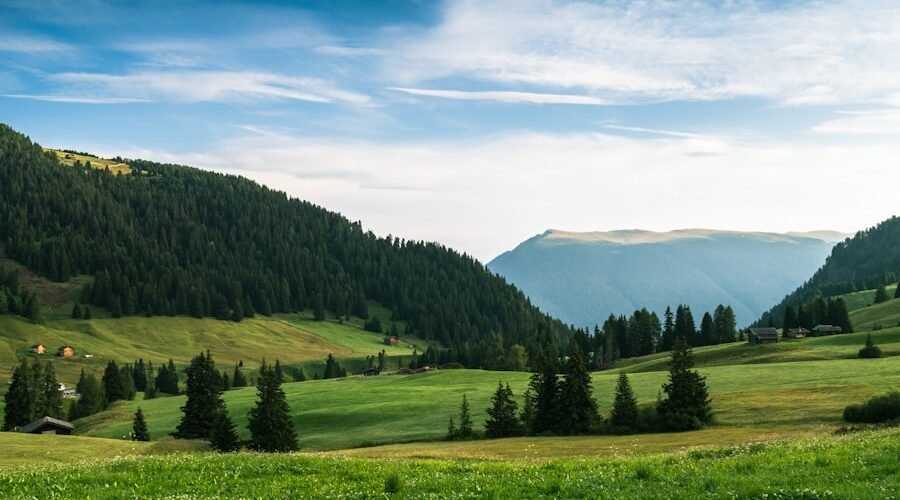
Cotter Reserve is known for its river scenery, picnic areas, walking tracks and access to the Cotter Dam viewing area. Each season offers a slightly different experience.
The following temperature figures use Canberra Airport climate records as a regional guide. Conditions at Cotter can differ from those recorded at the airport, so check the forecast for your actual travel date.
According to the Australian Bureau of Meteorology, average daytime maximum temperatures at Canberra Airport range from around 13°C in July to approximately 30°C in January.
Summer: Sunshine and Riverside Fun
Summer runs from December to February. It’s the warmest season and a popular time for families, picnics and outdoor gatherings.
The Heat Factor
Canberra’s average daytime maximum reaches about 30°C in January. Hotter days are possible, and exposed areas can feel uncomfortable during the afternoon.
Start your visit early, take plenty of drinking water and use shade whenever possible. If the forecast calls for extreme heat, consider changing your plans.
Water Activities and River Safety
Warm weather can make the river appealing, but water activities depend on the specific location and current conditions.
Cotter Avenue is an established recreation area where visitors considering a swim should first check the official water-quality report and any warning signs.
Cotter Campground also provides access to the river, including canoeing opportunities. However, access and water conditions must be checked before entering the water.
Do not swim, kayak, paddleboard or fish in Cotter Reservoir. The reservoir and protected Lower Cotter Catchment have restrictions designed to safeguard Canberra’s drinking-water supply.
See the official Lower Cotter Catchment Reserve information for the relevant activity restrictions.
Warning: River conditions can change quickly. Check water quality before swimming, avoid entering after heavy rainfall, and watch for strong currents, submerged rocks and sudden changes in depth. Cotter Avenue has no lifeguard on duty. Never assume that a designated recreation area is safe for swimming at all times.
Peak Visitor Season
Summer weekends and school holidays can attract families and groups looking for outdoor activities. Parking and popular picnic spots may become busier, especially on fine days.
Arriving in the morning is a practical way to enjoy cooler temperatures and have more choice of picnic areas.
What to Pack for Summer
- Sunscreen: Choose broad-spectrum sunscreen and reapply as directed.
- Hat: A wide-brimmed hat provides useful shade.
- Swimwear and towels: Bring these only if you plan to use a permitted swimming location and conditions are suitable.
- Insect repellent: Useful near the river, especially during warmer evenings.
- Drinking water: Carry enough for everyone in your group.
- Shade: Use existing shelters and trees where available.
Autumn: Comfortable Weather and Scenic Colours
March to May is an excellent period for a relaxed visit. Temperatures gradually cool, making walking and picnicking more comfortable.
The Pleasant Climate
Canberra Airport’s average daytime maximum falls from approximately 25°C in March to 21°C in April and 17°C in May.
Early autumn can still feel warm, while late autumn brings colder mornings and evenings. Carry a light jacket even if the daytime forecast looks pleasant.
A Photographer’s Dream
Cotter Avenue is particularly attractive in autumn because its European deciduous trees produce colourful seasonal foliage.
For photography, try the riverside picnic area, walking tracks and Cotter Dam viewing area.
Morning and late-afternoon light can add warmth to the landscape, although the quality of the light naturally depends on the day’s weather.
A Welcome Respite from Crowds
Outside school holidays and long weekends, autumn can offer a more relaxed outing than a busy summer holiday weekend.
There’s no need to rely on a specific seasonal crowd estimate. Your choice of weekday, arrival time and weather forecast will often matter more.
What to Pack for Autumn
- Layered clothing: Bring a T-shirt, jumper or fleece, and a light jacket.
- Comfortable walking shoes: Useful for paved paths and longer walking tracks.
- Sun protection: Sunscreen and a hat remain useful.
- Water bottle: Stay hydrated even in mild weather.
Winter: Crisp Air and Tranquil Landscapes
June, July and August bring Canberra’s coldest weather. Winter is well suited to visitors who enjoy short walks, cool air and a quieter style of outing.
The Cold Reality
Canberra Airport records an average daytime maximum of about 13°C in June and July.
July’s average minimum is close to 0°C, so frost is common in the wider Canberra region.
Cold mornings can make paths damp or slippery. Check the forecast before setting out, particularly if you plan to walk early.
Serene and Unspoiled
Winter can be a good choice if you prefer a peaceful atmosphere and don’t mind the cold.
The combination of open woodland, river scenery and surrounding hills makes the area attractive even without summer’s warm weather.
However, fine winter weekends can still attract visitors, so solitude is never guaranteed.
Indoor and Outdoor Options
Winter is better suited to walking, photography and sightseeing than swimming.
The Cotter Dam Discovery Trail is an easy option for visitors who want a short outing with a scenic destination.
You can also enjoy a drive through the surrounding area and stop at designated lookouts.
Bring a thermos of something warm and choose a sheltered picnic spot if you’re planning to stay for lunch.
What to Pack for Winter
- Warm layers: Thermal clothing, fleece and an insulated jacket.
- Gloves, scarf and beanie: Particularly useful early in the morning.
- Waterproof outerwear: Helpful when rain is forecast.
- Sturdy shoes: Choose footwear with good grip for damp paths.
- Thermos: A hot drink makes a cold-weather picnic more comfortable.
Spring: Blooming Nature and Mild Temperatures
September to November is another appealing time for Cotter Reserve. Temperatures gradually rise, the landscape becomes greener, and the weather is often comfortable for outdoor activities.
Warming Up Nicely
Canberra Airport’s average daytime maximum increases from approximately 18°C in September to 21°C in October and 25°C in November.
Early spring can still bring cold mornings, so pack layers rather than relying only on the daytime forecast.
Nature’s Reawakening
Spring offers opportunities to observe native vegetation, seasonal flowers and wildlife around the walking tracks.
Stay on designated paths and leave plants and natural materials where you find them.
Pleasant Visitor Flow
Spring is popular for outdoor outings, but weekdays outside school holidays can provide a more relaxed experience.
November is particularly appealing for visitors who want warmer weather without committing to the hottest part of summer.
What to Pack for Spring
- Layered clothing: A light jacket is useful for cooler mornings and evenings.
- Comfortable footwear: Choose shoes suitable for walking tracks.
- Sun protection: Bring sunscreen, sunglasses and a hat.
- Insect repellent: Useful as temperatures rise.
- Drinking water: Carry enough for your planned activities.
If you’re comparing seasonal travel conditions beyond Canberra, you can also explore the best time to visit Botan Valley. It covers a different destination, so its weather and visitor patterns should not be used as a guide to Cotter Reserve.
Considering the Crowds: When to Seek Solitude
If your ideal visit involves space for a picnic and a relaxed walk, the day and time you choose can make a real difference.
Weekends vs. Weekdays
Weekends: Fine-weather Saturdays and Sundays are popular times for outdoor gatherings. Arrive early if you want a picnic table or a convenient parking space.
Weekdays: Visiting outside holiday periods may provide more flexibility and a quieter atmosphere.
These are general planning patterns rather than official visitor-count statistics.
School Holidays and Public Holidays
ACT and NSW school holidays, public holidays and long weekends are worth checking before your visit.
Families travelling from Canberra and nearby regions may choose the same popular recreation areas during these periods.
Time of Day Matters
Early morning is a useful choice for cooler summer temperatures and photography.
Late afternoon can also offer attractive light, but leave enough time to finish your activities safely before dark.
Pro Tip: For a relaxed picnic and short walk, try a weekday in March, April or November. Check the weather the evening before and arrive early enough to enjoy the cooler part of the day.
Budgeting Your Visit: Costs to Consider
Cotter Reserve is an appealing destination for a relatively inexpensive day trip. Your main expenses will usually depend on transport, food and any additional activities you choose.
Entry and Parking Fees
Cotter Avenue provides day-use parking and recreation facilities. Parks ACT does not list a standard entry charge on its Cotter Avenue visitor page.
Check current signage and official visitor information before travelling, particularly if you’re using a different recreation area or arranging an overnight stay.
Fuel and Transport
Cotter Avenue is approximately 25 minutes’ drive west of Canberra’s city centre via Cotter Road, according to Parks ACT.
Your fuel cost will depend on where you’re travelling from, your vehicle and current fuel prices.
Driving directly to your chosen picnic area can help avoid unnecessary travel between locations.
Food and Picnic Supplies
For many visitors, groceries and drinks will be the main day-trip expense.
Bring a packed lunch, reusable water bottles and any cooking supplies you need. Cotter Avenue has electric barbecues, picnic tables and a shelter.
Use the provided facilities responsibly and take your rubbish home.
Activity Costs (Optional)
Walking, sightseeing, photography and enjoying the picnic areas generally do not require paid equipment or a booked activity.
Costs may arise if you arrange equipment hire elsewhere or choose additional recreation outside the main day-use area.
A recreational fishing licence is not required for ACT public waters. However, you must follow the relevant fishing seasons, equipment rules and location restrictions.
Fishing in Cotter Reservoir is prohibited. Consult the ACT Government recreational fishing guide and map before choosing where to fish.
Accommodation (If Overnight)
Cotter Avenue is a day-use recreation area, and camping is prohibited there.
For an overnight stay, consider the separate Cotter Campground, which has designated camping facilities and requires a booking.
The campground provides toilets, showers, drinking water, picnic facilities and access to nearby walking tracks.
Check the official Cotter Campground page for booking arrangements and current information.
Weather Nuances: Beyond the Seasonal Overview
Seasonal averages are useful, but the weather on your actual travel day matters more. Cotter’s outdoor setting means heat, wind, rain and fire conditions can all affect your plans.
Bushfire Season Awareness
Fire danger is an important consideration during warmer and drier conditions.
Check the ACT Emergency Services Agency for current fire danger ratings, Total Fire Bans and restrictions before leaving.
Some reserves and roads may close during periods of elevated fire danger.
Cotter Avenue prohibits open fires. Provided electric barbecues and permitted gas barbecues are subject to applicable restrictions, which may change during a Total Fire Ban.
Warning: Never light an open fire at Cotter Avenue. Check the current rules before using any barbecue, and follow all posted fire restrictions. On a Total Fire Ban day, do not assume that every barbecue or recreation area remains available.
Wind Factors
Wind can make a cool day feel colder and can turn an exposed picnic into an uncomfortable experience.
Bring a windproof layer and secure lightweight picnic items. Choose an established sheltered area where possible.
Avoid setting up temporary shelters or equipment in locations where they could create a hazard for other visitors.
Frost and Fog in Colder Months
Frost can occur during winter and the cooler parts of autumn and spring.
Fog may also reduce visibility in valleys and near waterways.
If you’re driving in these conditions, allow extra time and use appropriate caution. On walking tracks, watch for damp surfaces, frost and loose ground.
Cotter Reserve Weather and Cost Comparison
The table below compares representative months. Temperatures are approximate Canberra Airport averages, not forecasts for Cotter Reserve.
| Month | Weather | Crowd Considerations | Cost Considerations |
|---|---|---|---|
| January | Hot; average maximum around 30°C | Summer holidays and fine weekends may be busy. | Allow for transport, food and any optional activities. |
| April | Mild; average maximum around 21°C | Weekdays outside holidays may be quieter. | A packed picnic can keep costs low. |
| July | Cold; average maximum around 13°C | Potentially quieter in cold weather. | Budget for warm clothing and your usual travel costs. |
| October | Mild to warm; average maximum around 21°C | Spring weekends and holidays can attract visitors. | Day-trip expenses depend on your choices rather than a fixed seasonal price. |
For another example of how weather and visitor patterns affect travel planning in a different region, see the best time to visit Samsun. Its seasonal conditions are different from those in the ACT.
Getting to Cotter Reserve and Planning Your Visit
Before choosing a date, it helps to know exactly which part of Cotter you want to visit.
Cotter Avenue vs. Cotter Reservoir
Cotter Avenue is the developed riverside recreation area. It has picnic facilities, walking tracks, a playground and access to the Cotter Dam viewing trail.
Cotter Reservoir is protected drinking-water storage. It is not a general swimming or boating destination.
Lower Cotter Catchment Reserve is a protected landscape where additional restrictions apply, including prohibitions on swimming, watercraft, camping and dogs.
Cotter Campground is a separate designated camping area where bookings are essential.
Always follow the regulations for your exact location rather than assuming that the same activities are permitted throughout the Cotter area.
How to Get There
Cotter Avenue is located off Cotter Road, approximately 25 minutes west of central Canberra by car.
Parking is available at the recreation area.
If you’re travelling from outside Canberra, allow additional time for your journey and check road conditions before leaving.
Facilities at Cotter Avenue
Parks ACT lists the following visitor facilities:
- Picnic tables and shelters.
- Electric barbecues.
- Toilets.
- Drinking water.
- An adventure playground.
- Walking tracks.
- Wheelchair-accessible facilities and routes.
- Parking.
There are no rubbish bins listed at Cotter Avenue, so take your rubbish home with you.
Dogs and camping are prohibited at Cotter Avenue.
Mobile reception may be unreliable. Download any maps or information you need before travelling.
Walking Tracks and Lookouts
Walking is one of the most enjoyable activities at Cotter Reserve, especially in spring and autumn.
According to Parks ACT, several established tracks begin at or near Cotter Avenue.
| Walking Track | Distance | Suggested Time | Difficulty |
|---|---|---|---|
| Cotter Dam Discovery Trail | 1 km return | 1 hour | Easy; wheelchair-friendly |
| Cotter Explorer Track | 2 km return | 1 hour | Easy; wheelchair- and pram-friendly |
| Honyong-Cotter Track | 2.3 km return | 1 hour | Moderate |
| Cotter Catchment Lookout Track | 1.7 km return | 1 hour | Moderate |
See the official Cotter Avenue visitor guide for track information and current visitor advice.
Is Cotter Reserve Suitable for Families?
Yes. Cotter Avenue offers picnic facilities, an adventure playground and relatively short walking options.
The Cotter Explorer Track is described by Parks ACT as wheelchair- and pram-friendly, making it a practical option for families who prefer an easier walk.
Keep children close near the river and supervise them around playgrounds, paths and uneven ground.
Even where swimming is permitted, natural waterways have hazards and no lifeguard supervision.
Can You Bring Your Dog?
Dogs are not permitted at Cotter Avenue or in the Lower Cotter Catchment Reserve.
If you’re travelling with a dog, choose a designated dog-friendly recreation area instead and check its current rules before leaving.
Activities to Suit the Season
Your chosen time of year will influence which activities feel comfortable and enjoyable. The best approach is to match the weather to your plans while following the rules for each location.
Summer Activities
- Swimming and splashing: Consider designated swimming locations only after checking water quality, signs and current conditions. Swimming in Cotter Reservoir is prohibited.
- Picnics and BBQs: Enjoy Cotter Avenue’s established picnic facilities while following fire restrictions.
- Kayaking and paddleboarding: Check permitted watercraft locations before travelling. Watercraft are prohibited in the Lower Cotter Catchment Reserve.
- Fishing: Check the ACT fishing map, prohibited waters and seasonal rules before choosing a location.
- Bushwalking: Choose shorter, shaded walks and avoid strenuous activity during the hottest part of the day.
Autumn Activities
- Bushwalking: Mild temperatures make the Cotter Dam Discovery Trail and surrounding tracks appealing.
- Photography: Capture the deciduous autumn colours around Cotter Avenue and the scenery near the dam.
- Picnics: Enjoy comfortable daytime weather with a packed lunch.
- Scenic drives: Explore the surrounding roads and stop only at designated parking areas and lookouts.
Winter Activities
- Bushwalking: Enjoy a cool-weather walk, but watch for frost and damp surfaces.
- Birdwatching: Observe native birds from walking tracks and picnic areas without disturbing wildlife.
- Stargazing: Clear nights can offer opportunities in the wider region, but check access conditions and avoid assuming that day-use areas remain suitable for nighttime visits.
- Relaxing drives: Enjoy the landscape and nearby viewpoints while allowing for winter road conditions.
Spring Activities
- Bushwalking: Enjoy improving temperatures and fresh vegetation.
- Picnics and BBQs: Take advantage of mild weather and the provided facilities.
- Nature observation: Look for seasonal flowers, native plants and birds.
- Photography: Capture the landscape, river and changing seasonal colours.
What to Check Before Visiting Cotter Reserve
A little preparation can help you avoid unexpected changes to your day.
- Weather: Check the latest forecast for Canberra and the Cotter area.
- Fire danger: Review ACT fire-ban information and any reserve closures.
- Water quality: Check the current recreational-water status if you’re planning to swim or use a permitted watercraft location.
- River conditions: Avoid entering the water after heavy rainfall or when conditions appear unsafe.
- Fishing rules: Check prohibited waters, fishing seasons and permitted equipment.
- Facilities: Confirm the arrangements for your chosen recreation area.
- Camping: Book the designated Cotter Campground in advance if you’re staying overnight.
- Supplies: Pack food, drinking water, sun protection and suitable clothing.
- Rubbish: Bring a bag so you can take all waste home.
Note: Parks ACT provides current visitor information for Cotter Avenue, Cotter Campground and the Lower Cotter Catchment Reserve. Check the page for your specific destination, as the facilities and activity restrictions are not identical across these locations.
By considering the weather, likely visitor patterns, your budget and the activities you enjoy, you’ll be well equipped to choose a suitable time for your visit. For most people planning a picnic and a walk, November and March–April offer a particularly appealing balance.
Frequently Asked Questions
1. What is the best time to visit Cotter Reserve in the Australian Capital Territory?
November and March–April are generally excellent choices. They offer comfortable conditions for picnics, walking and sightseeing without relying on the hottest summer weather. September–November and March–May are also good broader seasonal windows.
2. What is the weather like at Cotter Reserve throughout the year?
The area experiences warm to hot summers and cold winters. Canberra Airport’s average maximum is approximately 30°C in January and 13°C in July. Spring and autumn bring milder conditions. Check the current forecast because local conditions can differ.
3. When are the crowds at Cotter Reserve the busiest?
Fine-weather weekends, public holidays and school holidays can attract more visitors. For a potentially quieter outing, try a weekday outside ACT and NSW holiday periods.
4. Are there any costs associated with visiting Cotter Reserve?
Parks ACT does not list a standard entry charge for Cotter Avenue. Visitors should budget for transport, food and any optional activities. Overnight camping is separate and requires a booking. Check current visitor information for the location you plan to use.
5. What activities are available at Cotter Reserve?
Popular activities include picnicking, walking, photography, birdwatching and visiting the Cotter Dam lookout. Swimming, fishing and watercraft activities depend on the exact location and current restrictions. Cotter Reservoir is not a permitted swimming, boating or fishing destination.
6. Can you swim at Cotter Reserve?
Swimming may be permitted at designated river recreation locations, subject to water quality and current conditions. Check official reports and on-site signs first. Swimming is prohibited in Cotter Reservoir and the protected Lower Cotter Catchment Reserve.
7. Can you camp at Cotter Reserve?
Camping is not permitted at Cotter Avenue or in the Lower Cotter Catchment Reserve. The separate Cotter Campground provides designated camping facilities, and advance bookings are essential.
8. Do you need a fishing licence at Cotter Reserve?
You do not need a recreational fishing licence for ACT public waters. However, fishing is prohibited in Cotter Reservoir and other specified waters. Legal fishing locations are subject to the ACT’s fishing seasons, equipment rules and catch limits.
9. How far is Cotter Reserve from Canberra?
Cotter Avenue is approximately 25 minutes west of Canberra’s city centre by car, according to Parks ACT. Actual travel time depends on your starting location, traffic and road conditions.
Sources
- Parks ACT — Cotter Avenue — Official visitor facilities, walking tracks, access information and activity restrictions.
- Parks ACT — Lower Cotter Catchment Reserve — Reservoir protection, prohibited activities and environmental management.
- Bureau of Meteorology — Canberra Airport Climate Statistics — Regional monthly temperature averages.
- ACT Government — Recreational Fishing in the ACT — Fishing licence requirements, prohibited waters, seasons and regulations.
- ACT Government — Checking Water Quality in Lakes, Ponds and Rivers — Recreational water-quality checks and swimming safety.
- Parks ACT — Cotter Campground — Official camping arrangements, facilities and booking requirements.