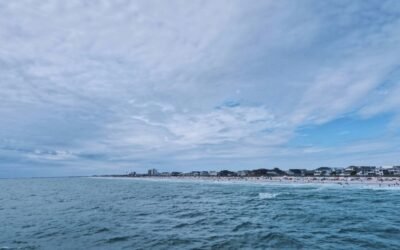
When’s the best time to visit Wales? Short answer: late spring (May-June) or early autumn (September-October) generally offers the sweet spot. You’ll usually find decent weather, manageable crowds, and reasonable prices. Now, let’s unpack that a bit more, because “best” really depends on what you’re hoping to do and what matters most to you.
1. Spring (March-May): A Time of Rebirth and Opportunity
Spring in Wales is a beautiful thing. After the long, often grey winter, the country bursts into life, and there’s a real sense of optimism in the air.
1.1. Weather in Spring
- March: Still a bit chilly and wet, though you’ll get some crisp, sunny days. Average temperatures hover around 5-9°C (41-48°F). Rain is frequent, but often in passing showers rather than all-day deluges. Think layers!
- April: Temperatures start to climb, typically 7-12°C (45-54°F). Daffodils and other spring flowers are everywhere. While showers are still common, you’ll definitely notice longer, brighter periods. It’s often referred to as “showery but bright.”
- May: This is arguably one of the best months. Average temperatures range from 9-15°C (48-59°F), and you can often get days much warmer. Sunshine hours increase significantly, and while you’ll still get rain, it’s generally less frequent and lighter than earlier in spring. The air is remarkably fresh and clear.
1.2. Crowds in Spring
- March: Generally quiet. You’ll encounter mostly locals and dedicated hikers. Popular spots will be uncrowded.
- April: Easter holidays can bring a significant spike in visitors, particularly to coastal areas and national parks. Outside of the school holidays, it remains relatively peaceful. Weekends will be busier than weekdays.
- May: The month starts to pick up, especially towards the latter half and during any bank holidays (early and late May). However, it’s still far less crowded than the peak summer months. You can typically find parking and enjoy attractions without feeling overwhelmed. Coastal towns and popular hiking trails will see more activity, but still allow for a relaxed pace.
1.3. Costs in Spring
- March: Generally good value. Accommodation prices will be at their lowest outside of winter, and flights/trains are usually cheaper.
- April: A slight bump in prices around the Easter holidays for accommodation and some attractions, but outside of that, still quite reasonable.
- May: Prices start to creep up, especially for popular accommodation types (self-catering cottages, B&Bs in prime locations) as demand increases. However, it’s still usually more affordable than July/August. You can often snag decent deals if you book in advance.
1.4. Best Activities for Spring
- Walking and Hiking: The perfect temperatures for exploring Snowdonia, the Brecon Beacons, or the Wales Coast Path before the summer heat. The air is crisp, and the scenery is vibrant green.
- Wildlife Spotting: May is fantastic for puffins on Skomer Island and other seabirds nesting along the coast.
- Gardens and Castles: Welsh gardens are stunning in spring bloom. Castles are less crowded, allowing for a more immersive visit.
- Cycling: Excellent conditions for both road cycling and mountain biking before the trails get too dusty or busy.
If you’re planning a trip to Wales and want to ensure you make the most of your visit, you might find it helpful to read our related article on the “Best Time to Visit Wales: Weather, Crowds, and Costs.” This guide provides valuable insights into the ideal seasons for travel, helping you navigate the varying weather conditions and crowd sizes throughout the year. For more information or to get in touch with us, feel free to visit our contact page at here.
2. Summer (June-August): The Peak Season Experience
Summer is when Wales comes alive with tourists, families, and outdoor enthusiasts. It’s the warmest time of year, but also the busiest and most expensive.
2.1. Weather in Summer
- June: Often a delightful month. Temperatures average 12-18°C (54-64°F), and you get long daylight hours. While rain is always a possibility in Wales, June often sees clearer, more settled weather than May.
- July: The warmest month, with averages of 14-19°C (57-66°F), although heatwaves can push temperatures much higher. Expect longer spells of sunshine. However, tropical downpours can still occur, so don’t leave the waterproofs at home.
- August: Similar to July in temperature, typically 13-19°C (55-66°F). There’s a slight tendency for more unsettled weather towards the end of the month as autumn approaches, but generally, it’s warm and pleasant.
2.2. Crowds in Summer
- June: Busy, especially towards the end of the month and during any school half-term holidays. Coastal resorts and national parks are popular. Still manageable compared to July/August.
- July: Peak season. Everywhere is busy. Expect queues at popular attractions, crowded car parks, and busy restaurants, especially in tourist hotspots like Tenby, Betws-y-Coed, and around Snowdon. Booking things well in advance is essential.
- August: Continues the trend of July. August is often the busiest month due to school summer holidays across the UK and Europe. If you dislike crowds, this might be a month to avoid unless you plan specific off-the-beaten-path activities.
2.3. Costs in Summer
- June: High season pricing kicks in. Accommodation costs increase significantly. Some attractions might have peak season pricing.
- July: The most expensive month. Expect top prices for accommodation, car rentals, and potentially some popular activities. Booking far in advance is crucial for getting any availability, let alone a good price.
- August: Similar to July, with prices remaining at their peak. Many self-catering cottages will only offer weekly bookings from Saturday to Saturday during these months.
2.4. Best Activities for Summer
- Beach Days: With warmer sea temperatures (relatively!) and sunny skies, Welsh beaches are fantastic for families. Surfing, paddleboarding, and swimming are popular.
- Outdoor Adventures: Kayaking, coasteering, gorge walking, and white-water rafting are in full swing. Longer daylight hours allow for extended exploration.
- Festivals and Events: Many outdoor music festivals, agricultural shows, and cultural events take place during the summer.
- Long-Distance Hiking: Ideal for tackling multi-day sections of the Wales Coast Path or national trails due to settled weather and extended daylight.
3. Autumn (September-November): Golden Hues and Quieter Trails
Autumn in Wales is truly magical. The landscape transforms into a riot of reds, oranges, and golds, and there’s a noticeable shift to a calmer, more reflective atmosphere.
3.1. Weather in Autumn
- September: Often feels like an extension of summer, with milder temperatures than you might expect, typically 10-16°C (50-61°F). The sea is often at its warmest from the summer’s heat. Days are still reasonably long, though noticeably shorter than in August. Can be quite dry and settled.
- October: The landscape is at its most vibrant with autumn colours. Temperatures drop to around 8-13°C (46-55°F). You’ll start to experience more rain and windy days, but also many gloriously crisp, sunny days.
- November: Definitely cooler and wetter. Average temperatures are 5-10°C (41-50°F). Daylight hours shorten dramatically, and the weather can be quite unpredictable, with more frequent strong winds and rain. Fog can also be common in upland areas.
3.2. Crowds in Autumn
- September: A fantastic month if you want fewer crowds without sacrificing good weather. School holidays are over, so families are mostly gone. Popular spots are significantly quieter than in summer.
- October: Still lovely and busy towards the start of the month, especially with walkers coming to enjoy the autumn colours. There might be a slight uptick in visitors during half-term holidays, but generally, it’s a peaceful time.
- November: Very quiet. You’ll feel like you have many places to yourself. Some smaller attractions or remote accommodation might start to close for the winter.
3.3. Costs in Autumn
- September: Prices drop noticeably compared to August for accommodation, flights, and car rentals. Often considered excellent value for money.
- October: Continues to offer good value, though some accommodation may have a slight price increase during half-term week. Overall, still significantly cheaper than summer.
- November: Generally the lowest prices outside of the deepest winter. Many places will offer off-season rates. A great month for budget travellers who don’t mind the chill.
3.4. Best Activities for Autumn
- Enjoying Autumn Colours: Forest parks like Betws-y-Coed, the Elan Valley, and the Brecon Beacons are simply stunning. Perfect for scenic drives and forest walks.
- Hiking and Mountain Biking: Ideal temperatures for exertion before the serious cold sets in. Less crowded trails mean a more tranquil experience.
- Coastal Walks: The Pembrokeshire Coast Path or the Llyn Peninsula are magnificent, with dramatic waves and clear air.
- Food and Drink: Many harvest festivals and food events take place in autumn. Pubs with roaring fires become incredibly inviting.
4. Winter (December-February): A Serene and Stark Beauty
Winter in Wales can be harsh, but it also offers a unique, stark beauty. If you’re prepared for the cold and embrace the possibility of snow, it can be a wonderfully tranquil time.
4.1. Weather in Winter
- December: Cold, with average temperatures 2-7°C (36-45°F). Frequent rain, and snow is possible, especially in higher elevations. Short daylight hours.
- January: The coldest month, often 1-6°C (34-43°F). Frosts are common, and snow can occur at lower levels, though it rarely lasts long in coastal areas. Can be very wet and windy, with powerful storms possible.
- February: Similar to January, sometimes a touch milder towards the end of the month. Still cold and wet, with temperatures around 1-7°C (34-45°F). The very first signs of spring (snowdrops, longer daylight) might appear towards the end of February.
4.2. Crowds in Winter
- December: Relatively quiet, apart from the Christmas and New Year period when a few dedicated holiday-makers might seek cosy getaways. Cities will be more active with festive markets.
- January: The quietest month of the year. You will have entire landscapes and attractions almost to yourself. Some smaller businesses might close for annual holidays.
- February: Still very quiet, particularly the first half. A slight increase in visitors towards the end of the month during half-term, but still far from busy.
4.3. Costs in Winter
- December: Generally low, though prices will spike significantly for the Christmas and New Year period for accommodation.
- January: The absolute cheapest month for travel and accommodation. Fantastic for budget travellers.
- February: Continues to be very affordable, with perhaps a small bump during half-term week.
4.4. Best Activities for Winter
- Cosy Retreats: Perfect for hunkering down in a self-catering cottage with a log fire, enjoying Welsh hospitality in traditional pubs, or exploring charming towns.
- Photography: The dramatic, moody skies, frosted landscapes, and potential for snow-capped mountains offer incredible photographic opportunities.
- Winter Walks: Crisp, invigorating walks on deserted beaches or through quiet forests. Ensure you have appropriate gear and check conditions before heading into the mountains.
- City Breaks: Explore cities like Cardiff (with its castle and museums) or Swansea without the summer crowds.
- Star Gazing: With longer nights and often clearer air (away from city lights), Wales offers fantastic dark sky locations.
If you’re planning a trip to Wales, you might also find it helpful to read about the best times to explore the stunning landscapes and vibrant culture of this region. A related article that delves into essential travel tips and insights can be found here, which discusses various aspects of visiting Wales, including weather patterns, crowd levels, and budget considerations. This information can greatly enhance your travel experience and ensure you make the most of your time in this beautiful country. For more details, check out the article on travel tips for Wales.
5. Final Considerations for Your Welsh Adventure
Beyond the general seasons, a few other things can influence your “best” time to visit.
5.1. Specific Event Dates
- Eisteddfods: These major Welsh cultural festivals (National Eisteddfod, International Eisteddfod) attract huge crowds, usually in late July or early August. If you want to experience them, plan for it; if you want to avoid crowds, know their dates and locations.
- Sporting Events: Major rugby matches in Cardiff can make the city incredibly busy and accommodation expensive. Check the calendar if you’re planning a city break during the Six Nations or autumn internationals.
- Bank Holidays: UK bank holidays (especially the two in May, one in August) and school half-term holidays (usually late May/early June, late October) will always lead to increased crowds and higher prices, particularly in popular tourist areas.
5.2. Personal Preferences
- Weather Tolerance: If you hate the cold, avoid winter. If you wilt in heat, avoid July/August.
- Budget: If cost is paramount, aim for January/February or November.
- Pace of Travel: If you prefer a relaxed, unhurried trip, spring or autumn are ideal. If you thrive on a lively atmosphere, summer might be for you.
- Activities: As highlighted above, certain activities (like puffin spotting or serious mountain hiking) have prime seasons.
5.3. Booking Ahead
Regardless of when you visit, if you’re set on particular accommodation (especially self-catering cottages, which are very popular) or want to eat at specific high-demand restaurants, always book in advance. This is particularly true during summer and around bank holidays. Even in quieter months, popular spots can fill up.
In summary: While late spring and early autumn often win out for a balance of good weather, fewer crowds, and reasonable costs, Wales is a country that offers something unique in every season. Think about what you want from your trip, and you’ll find your perfect time to explore this stunning nation.
FAQs
1. What is the best time to visit Wales in terms of weather?
The best time to visit Wales in terms of weather is during the summer months of June, July, and August. These months typically offer the warmest temperatures and the least amount of rainfall.
2. When is the peak tourist season in Wales?
The peak tourist season in Wales is during the summer months, particularly in July and August. During this time, popular attractions and accommodations may be more crowded and prices may be higher.
3. When is the off-peak season in Wales?
The off-peak season in Wales is during the winter months of December, January, and February. During this time, there are fewer tourists, and accommodations and attractions may offer lower prices.
4. What are the shoulder seasons in Wales?
The shoulder seasons in Wales are spring (March to May) and autumn (September to November). These seasons offer milder weather, fewer crowds, and potentially lower costs for accommodations and attractions.
5. Are there any major events or festivals that may impact the best time to visit Wales?
Yes, Wales hosts several major events and festivals throughout the year, such as the Hay Festival in May, the National Eisteddfod of Wales in August, and the Abergavenny Food Festival in September. These events may attract larger crowds and affect the availability and prices of accommodations.