

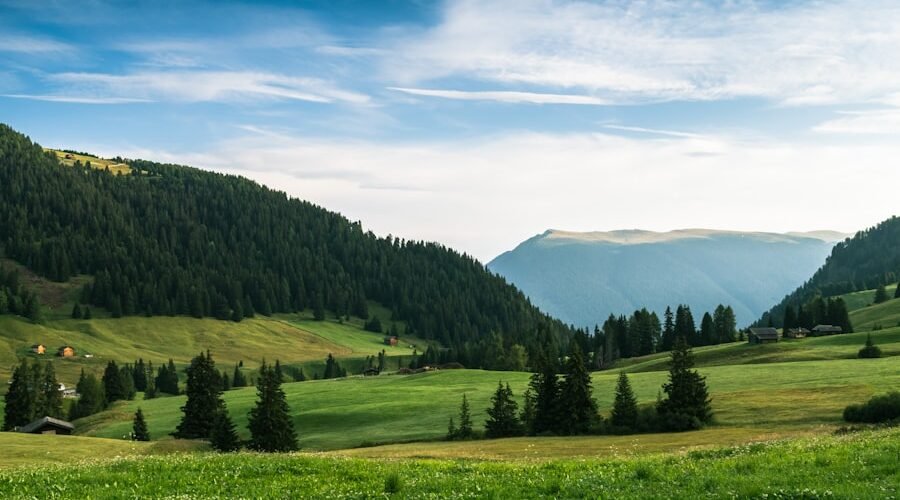
So, you’re thinking about heading to Botan Valley in Siirt? Smart move! It’s a pretty special place. People often wonder when’s the best time to go to avoid the worst weather, the biggest crowds, and to get the most bang for their buck. Honestly, the “best” time really depends on what you’re looking for in your trip. But we can break down the weather, crowd levels, and typical costs to help you figure out your ideal window.
Botan Valley sits in southeastern Turkey, and its weather isn’t exactly uniform throughout the year. You’re dealing with a continental-influenced climate, meaning summers can get quite warm, and winters can be chilly. Understanding these shifts is key to planning a comfortable visit.
Summer: The Sun-Soaked Season
Summer in Botan Valley, generally from June through August, is characterized by significant warmth. The days are long, the skies are usually clear, and it’s prime time for outdoor exploration.
June: A Gentle Warmth
June offers a pleasant entry into summer. Temperatures start to climb, but they’re typically not yet at their peak intensity. You can expect daytime highs in the mid-to-upper 20s Celsius (around 77-86°F). Evenings are usually mild and comfortable, making it perfect for enjoying the outdoors without feeling overwhelmed by heat. Rainfall is generally low, contributing to sunny and dry conditions. This is a good month if you want to experience the warmth without the extreme heat that can come later.
July & August: Peak Heat and Sunshine
July and August are the hottest months. Daytime temperatures frequently soar into the 30s Celsius, and can sometimes even touch the low 40s (90-104°F+). If you’re someone who thrives in the heat and enjoys basking in uninterrupted sunshine, these months are ideal. However, if you’re sensitive to high temperatures, it’s wise to plan your activities for the cooler parts of the day, like early mornings and late evenings. Hydration is absolutely crucial during this period.
Autumn: A Symphony of Colors and Cooler Breezes
As summer mellows, autumn rolls in, bringing a refreshing change and a visually stunning landscape to Botan Valley. This can be a particularly rewarding time for many visitors.
September: The Transition Month
September is a beautiful transition month. The intense heat of August begins to recede, with daytime temperatures settling back into the mid-to-upper 20s Celsius (77-86°F). The humidity also tends to drop, making the air feel much more pleasant. The evenings start to carry a hint of coolness, offering a welcome respite. The skies are still largely clear, and the natural beauty of the valley starts to show off with subtle shifts in foliage color.
October & November: Crisp Air and Vibrant Hues
October and November are when autumn truly comes into its own. Daytime temperatures become noticeably cooler, typically ranging from the mid-teens to the low 20s Celsius (59-68°F). Nights can get quite crisp, often dipping into single digits Celsius (below 50°F). This is when the surrounding hills and vegetation put on a spectacular show of autumnal colors – rich reds, oranges, and yellows. Rainfall might increase slightly during these months, but it’s usually not a constant downpour, often consisting of refreshing showers. The cooler temperatures make hiking and exploring particularly enjoyable.
Winter: A Quieter, Colder Experience
Winter in Botan Valley can be a stark contrast to its warmer months. It brings a quieter atmosphere and distinctly cooler temperatures, with the possibility of snow.
December – February: The Chill Sets In
December, January, and February are the coldest months. Daytime temperatures often hover around 5-10°C (41-50°F), and can sometimes drop below freezing, especially at night. Snowfall is common, transforming the valley into a serene, white landscape. While this might deter some visitors, it can be incredibly beautiful and peaceful for those who appreciate winter scenery and a more secluded travel experience. If you visit during this time, be prepared for cold weather, and check road conditions as they can sometimes be affected by snow.
Spring: Awakening and Mild Temperatures
Spring in Botan Valley is a time of renewal. The landscape awakens from its winter slumber, and the weather becomes increasingly pleasant, marking a popular travel period.
March: The First Signs of Spring
March marks the beginning of spring, but it’s still quite cool, especially early in the month. Daytime temperatures might range from 10-15°C (50-59°F). There’s a good chance of continued rainfall as the region shakes off its winter chill. However, you’ll start to see signs of life returning to the landscape, with early blossoms appearing. It’s a good time if you prefer fewer crowds and don’t mind cooler, potentially damp conditions.
April & May: Blooming Beauty and Pleasant Warmth
April and May are often considered ideal by many. The weather becomes delightfully mild, with daytime temperatures steadily climbing from the mid-teens into the low 20s Celsius (59-72°F). The valley truly comes alive with a vibrant explosion of green and wildflowers. The risk of significant rainfall decreases, and the days are becoming longer and sunnier. This period offers a perfect balance of comfortable temperatures for outdoor activities and beautiful natural scenery.
Navigating the Crowds: When to Visit for Solitude
Crowd levels in Botan Valley are generally not as intense as in some of Turkey’s more mainstream tourist destinations, but there are definitely peak times to be aware of.
Peak Tourist Season: Summer and Early Autumn
The warmest months, July and August, tend to see the highest influx of visitors. This coincides with school holidays and general vacation periods. Early autumn, specifically September and October, is also quite popular. Many people find the pleasant weather and beautiful autumnal colors irresistible, leading to a noticeable increase in visitors during this time. If you prefer a more serene experience, you might want to consider avoiding these months or opting for weekdays within them.
Shoulder Seasons: The Sweet Spot
The shoulder seasons offer a great compromise. Spring, particularly April and May, is a fantastic time to visit if you want to enjoy agreeable weather without the biggest crowds. You’ll still find other travelers, especially on weekends or around public holidays, but generally, you’ll have more space to explore and a more relaxed atmosphere. Late autumn, around early November, can also fall into this category, though weather becomes a bit more unpredictable then.
Off-Peak Season: For True Serenity
The real quietude can be found during the winter months, from December through March. While the weather is cold and potentially snow-covered, this is when you’ll experience Botan Valley at its most tranquil. You might encounter very few other tourists, allowing for an intimate connection with the natural landscape. Spring, specifically March, can also be considered off-peak, though it starts to pick up as the month progresses.
Budgeting Your Botan Valley Trip: Cost Considerations
Your travel dates significantly impact your budget. Generally, visiting during peak seasons means higher prices for accommodation and potentially other services, while off-peak times offer more budget-friendly options.
Accommodation Costs: Seasonal Fluctuations
Accommodation prices in and around Botan Valley will likely be highest during the summer months (July-August) and the popular early autumn period (September-October). Expect to pay more for hotels, guesthouses, and any other lodging options during these times.
During the shoulder seasons (April-May and late October/early November), you might find slightly more reasonable rates. For the most budget-conscious travel, the winter months (December-March) will likely offer the lowest accommodation prices.
Transportation Expenses: Year-Round Stability
Transportation costs (flights to nearby airports like Diyarbakır or Batman, and then onward travel to Botan Valley) are less directly influenced by the season for Botan Valley itself. Flight prices are more about booking in advance and general demand for flights into Turkey. Once you’re there, local transport costs for taxis or hired vehicles will remain relatively stable throughout the year. However, if visiting during winter, be aware that heavy snow could sometimes lead to temporary road closures or necessitate the use of vehicles with snow capabilities, which might have a slight impact on availability or cost.
Activity and Food Expenses: Mostly Consistent
The cost of activities like hiking, visiting local attractions, and eating at local restaurants or cafes is generally consistent year-round in Botan Valley. You won’t typically see major price hikes for these things based on the season. However, if you’re visiting during a very quiet period, some smaller establishments might have reduced operating hours. Always factor in personal spending for souvenirs or any unique local crafts you might find.
Best Times for Specific Interests: Tailoring Your Visit
Beyond general weather and crowds, your personal interests can help pinpoint the perfect time to visit Botan Valley.
For Hikers and Nature Lovers
For those who love to explore on foot, spring (April-May) and early autumn (September-October) are generally the best. The temperatures are mild, making long hikes comfortable, and the scenery is at its most spectacular. Spring offers blooming wildflowers and lush greenery, while autumn provides stunning fall foliage. Summer can be too hot for strenuous hiking, and winter can bring snow and ice, making trails potentially hazardous or impassable.
For Photographers
Photographers will find beauty in Botan Valley year-round, but different seasons offer distinct advantages. Spring offers vibrant colors and fresh growth. Summer provides long daylight hours and dramatic skies. Autumn is arguably the most visually dramatic, with its rich palette of colors blanketing the landscape. Winter offers unique opportunities for capturing dramatic landscapes under snow, with a stark, minimalist beauty. Your choice here depends on the specific aesthetic you’re hoping to achieve.
For Those Seeking Peace and Quiet
If your primary goal is to escape the hustle and bustle and experience true serenity, then winter (December-March) is your best bet. You’ll have a much greater chance of experiencing the valley with minimal human presence. Early spring (March) and late autumn (November) can also offer quiet experiences before or after the main tourist rushes.
For Experiencing Local Life and Culture
Botan Valley is home to local communities, and experiencing their way of life can be a highlight. While specific festivals are less widely publicized than in major cities, visiting during a period like late spring (May) or early autumn (September) might coincide with local agricultural activities or cultural gatherings that are not directly tied to tourism. It’s always a good idea to connect with local information points upon arrival for any insights into ongoing community events.
Planning Your Visit: Practical Tips for Botan Valley
| Month | Weather | Crowds | Costs |
|---|---|---|---|
| March | Mild temperatures, some rain | Low | Low |
| April | Warm temperatures, little rain | Low to moderate | Low |
| May | Hot temperatures, low rain | Moderate | Moderate |
| June | Hot temperatures, low rain | High | High |
Regardless of when you choose to visit Botan Valley, a little preparation goes a long way.
Booking in Advance
While Botan Valley isn’t overrun with tourists year-round, it’s always prudent to book your accommodation and any essential transportation in advance, especially if you’re traveling during the peak summer or early autumn periods. This ensures you get the best options and prices. For off-peak travel, you might have more flexibility, but booking ahead still offers peace of mind.
Packing Appropriately
Your packing list will depend heavily on the season. For summer, light, breathable clothing, sun protection (hat, sunscreen, sunglasses), and plenty of water bottles are essential. For autumn and spring, layers are key – a mix of light and medium-weight clothing, a waterproof jacket, and comfortable walking shoes. For winter, you’ll need warm, waterproof layers, thermal wear, a heavy coat, a hat, gloves, and sturdy, waterproof footwear.
Staying Hydrated and Sun Protected
This cannot be stressed enough, especially during the warmer months. Carry a reusable water bottle and refill it frequently. Seek shade during the hottest parts of the day and use sunscreen and wear a hat to protect yourself from the sun’s intense rays.
Checking Local Conditions
Before you travel, and even upon arrival, it’s worth checking local weather forecasts and any news regarding road conditions, particularly if you’re visiting during winter or the early spring transitional period. This can help you adjust your plans if necessary and ensure a safe and smooth trip.
Embracing Flexibility
While planning is great, sometimes the best travel experiences come from being open to spontaneity. Botan Valley offers a unique glimpse into a less-traveled part of Turkey. Be ready to embrace the unexpected, engage with locals if the opportunity arises, and savor the natural beauty and relative tranquility this special valley has to offer, no matter the season.
FAQs
1. What is the best time to visit Botan Valley, Siirt for favorable weather?
The best time to visit Botan Valley, Siirt is during the spring and autumn months, specifically from April to June and September to November. During these times, the weather is mild and pleasant, making it ideal for outdoor activities and sightseeing.
2. When is the peak tourist season in Botan Valley, Siirt?
The peak tourist season in Botan Valley, Siirt is during the summer months, from July to August. During this time, the valley experiences an influx of tourists, resulting in larger crowds and higher accommodation costs.
3. What is the off-peak season in Botan Valley, Siirt?
The off-peak season in Botan Valley, Siirt is during the winter months, from December to February. During this time, the weather is colder and less favorable for outdoor activities, resulting in fewer tourists and lower accommodation costs.
4. How does the cost of visiting Botan Valley, Siirt vary throughout the year?
The cost of visiting Botan Valley, Siirt is highest during the peak tourist season in the summer months, with higher accommodation costs and potentially increased prices for activities and tours. During the off-peak season in the winter, costs are generally lower due to decreased demand.
5. What are the weather conditions like in Botan Valley, Siirt during the different seasons?
During the spring and autumn months, the weather in Botan Valley, Siirt is mild and pleasant, with temperatures ranging from 15°C to 25°C. In the summer, temperatures can reach up to 35°C, while in the winter, temperatures can drop to around 5°C, with occasional snowfall.


[…] If you’re planning a trip to Cotter Reserve in the Australian Capital Territory, you might also find it helpful to read about the best time to visit Botan Valley, which offers insights into weather, crowds, and costs that can enhance your travel experience. For more information, check out this related article: Best Time to Visit Botan Valley. […]