Planning a trip to Rossland, British Columbia? The best time to visit depends on what you want most: deep-winter skiing at RED Mountain Resort, summer mountain biking and hiking, fall color, or a quieter shoulder-season getaway. This guide compares weather, snow, trail access, crowds, costs, events, and practical conditions so you can choose the months that fit your trip.
Quick Answer
January through March is the safest window for a ski-focused Rossland trip, while July through September is best for mountain biking and hiking. September and early October can balance pleasant trail weather with lighter crowds. May and October may offer better value, but trail access and seasonal services vary.
Key Takeaways
- Best for skiing: January through March generally offers the most dependable midwinter conditions, while December opening dates can vary with snowfall.
- Best for mountain biking: July through September; Tourism Rossland says the high-elevation Seven Summits Trail is normally best from July to early October.
- Best for hiking: July through September for the widest trail access, with lower-elevation trails available earlier and later depending on snow and mud.
- Best for fall scenery: September into October, with timing changing each year and by elevation.
- Best for fewer crowds: May, October, and November can be quieter, although some activities and seasonal services may be limited.
- Important summer check: Wildfire smoke, fire restrictions, and trail closures can change quickly, so confirm conditions before outdoor plans.
Winter: Best for Skiing and Snow
If your ideal Rossland trip involves snow-covered mountains, skiing, snowboarding, Nordic trails, or a cozy mountain-town atmosphere, winter is the obvious choice. RED Mountain Resort is the biggest draw, but Rossland also has cross-country skiing, snowshoeing, skating, fat biking, and community events.
Snowfall and Skiing Conditions
RED Mountain Resort lists average snowfall of about 760 cm (300 inches). That gives Rossland a strong reputation as a powder destination, but snow quality, base depth, terrain openings, and lift operations still vary from storm to storm and season to season.
RED Mountain Resort publishes an average annual snowfall figure of about 760 cm, or 300 inches.
- December: Treat December as an early-season month rather than a guaranteed peak-snow month. Opening dates depend on coverage and safe operating conditions. For example, RED’s 2025/26 lift season did not begin until December 24 after low early-season snowfall delayed operations.
- January-February: These are usually the safest months for travelers whose main goal is lift-served skiing or snowboarding. The mountain is deeper into its season, although storm timing and temperatures still vary.
- March: March can combine a well-established snow base with longer daylight and milder afternoons. It is one of the better choices for travelers who want skiing without relying on early-season conditions.
- April: Spring skiing may continue into early April, but never assume the resort will be operating for your dates. RED’s 2025/26 closing day was April 5. Check the resort’s current operating calendar before booking a late-season ski trip.
Note: A calendar month cannot guarantee snow quality. For a December or April trip, check RED Mountain Resort’s snow report, lift status, terrain openings, and operating dates before you commit to skiing on a specific day.
Winter Activities Beyond Skiing
Skiing may be Rossland’s headline winter activity, but it is not the only reason to visit.
- Cross-country skiing: Black Jack Ski Club provides groomed Nordic skiing near Rossland, while other winter trails in the area support a range of skill levels.
- Snowshoeing: Snow-covered trails around Rossland provide opportunities for short walks and longer winter outings. Conditions and avalanche exposure vary, so choose routes that match your experience.
- Ice skating: The City of Rossland says its outdoor rink operates yearly when weather permits, generally from about mid-December to mid-March.
- Fat biking: Tourism Rossland promotes winter fat biking as another way to use the local trail network when conditions allow.
- Town time: Cafes, pubs, shops, the Rossland Museum & Discovery Centre, and winter events give you alternatives when you want a rest day from the mountain.
Winter Crowds and Costs
Winter demand is usually strongest around Christmas, New Year, holiday weekends, school breaks, and major events. Lodging and lift-ticket prices are dynamic, so there is no fixed price difference that applies every year.
- Holiday periods: Book earlier if you are traveling around Christmas, New Year, or a major winter event.
- January and February: These are attractive ski months, so weekend lodging can fill faster than during quieter shoulder periods.
- March: Demand can remain strong, particularly during school-break periods, but the combination of longer days and established snow coverage can make March a useful compromise.
- Early or late season: Lodging may sometimes be cheaper, but the trade-off is more uncertainty around snow and operations.
For information about this site’s commercial relationships and disclosure practices, see the affiliate disclosure.
Spring: The Thaw and Transition
Spring in Rossland is a transition rather than one uniform season. March can still feel fully wintry at higher elevations, April may mix skiing with muddy lower trails, and May brings more reliable access to lower-elevation hiking and biking as snow retreats.
Spring Weather Patterns
Expect fast-changing mountain conditions. A warm afternoon in town does not mean high trails are snow-free.
- March: Skiing is normally still the main mountain activity. Lower elevations begin to thaw, but winter conditions can remain widespread.
- April: This is a true crossover month. Skiing may continue early in the month, while lower and sunnier trails begin to emerge. Wet soil and mud can make some trails unsuitable for riding or hiking.
- May: Lower elevations are greener and more accessible, while higher routes may still hold snow. Snowmelt can make creeks run high and shaded trails stay wet.
Tourism Rossland’s spring guidance notes that lower trails reappear as snow melts and that some lower-elevation and warmer areas become usable before the high country.
Spring Activities
- Late-season skiing: If the resort is still operating, early April can provide relaxed spring skiing. Confirm lift operations first.
- Lower-elevation biking: Tourism Rossland says lower and south-facing riding can begin as early as April in favorable conditions.
- Hiking and walking: Lower local trails are the better choice while snow lingers higher up.
- Fishing: Fishing opportunities return as waterways become more accessible, although anglers should check current regulations, licences, water conditions, and closures.
- Town exploration: Spring is a comfortable time to explore Rossland’s historic streets, shops, museum, cafes, and restaurants without building the whole trip around one outdoor activity.
Pro Tip: In April and May, check trail reports rather than judging conditions from downtown Rossland. A dry street in town can coexist with mud, snow, or freeze-thaw damage on higher trails.
Spring Crowds and Costs
Visitor numbers normally ease after the main ski season. May can be especially quiet, which may help budget-conscious travelers, but a lower room rate is not automatically a better trip if the activity you want is still out of season.
- March and early April: Ski visitors may still create busy periods.
- Late April and May: Often quieter, with a greater chance of lodging deals, but check seasonal operating hours before making plans.
Summer: The Outdoor Adventure Hub
If sunshine, mountain biking, hiking, golf, fishing, paddling, and long daylight hours are your priority, summer is one of the easiest seasons for building a full Rossland itinerary.
Summer Weather
Historical Environment and Climate Change Canada data for the Rossland MacLean station shows why July and August are attractive outdoor months. The older local climate normals record average daily highs of about 23.5°C in July and 23.4°C in August, with much cooler nights around 10–11°C. These figures are historical climate normals, not a forecast for your trip.
You can review the historical station data through Environment and Climate Change Canada.
- June: Days become warm, but some high routes can still be affected by lingering snow or wet conditions.
- July: Usually one of the strongest months for widespread hiking and biking access.
- August: Warm weather and broad trail access can continue, but wildfire smoke, fire danger, and restrictions deserve extra attention.
Warning: Wildfire smoke, fire bans, trail closures, and evacuation information can change quickly in summer. Check the BC Wildfire Service and local alerts before hiking, camping, or planning a long outdoor day.
Summer Activities Galore
Once the high-country snow clears, Rossland becomes especially strong for trail-based activities.
- Mountain biking: Tourism Rossland describes more than 200 km of singletrack in the area. It says July through September is generally the best mountain-bike season.
- Seven Summits Trail: Tourism Rossland lists July to early October as the normal best window for this high-elevation route. It is a remote trail with no water available and long sections without cell coverage, so it requires more preparation than a short ride near town.
- RED Mountain Bike Park: RED now adds lift-accessed summer riding to the area’s trail options. Its 2026 bike-park season opened June 20, but future operating dates should always be checked directly with the resort.
- Hiking: Local trail networks provide easier access than many high-alpine destinations. Wildflowers, forest trails, viewpoints, and longer high-country routes become options as snow disappears.
- Valhalla Provincial Park: The original article treated Valhalla as a casual nearby hike, but it is better considered a separate backcountry side trip. BC Parks says the park lies on the west shore of Slocan Lake and is reached by water, forest roads, or trails. Check access and advisories before planning it from Rossland.
- Road cycling: Climbs and mountain roads around the region provide scenic road-riding options for experienced cyclists.
- Golf: Summer is also the main season for nearby golf, including Redstone Resort and other South Kootenay courses.
- Fishing: The Columbia River near Trail is a major regional fishing option, while nearby lakes offer additional choices. Check provincial fishing rules and licensing requirements.
- Kayaking and paddleboarding: Nearby lakes and the Columbia River provide water activities, but current flow, weather, skill level, and personal flotation equipment matter.
- Festivals and events: Summer and early fall bring performances, races, community events, and outdoor programming. Check Tourism Rossland’s current calendar instead of relying on a year-old event list.
Summer Crowds and Costs
July and August generally attract more outdoor travelers, particularly on weekends and during events. Accommodation rates are not fixed, but stronger demand can mean fewer choices and higher prices.
- July-August: Reserve popular lodging earlier, especially for weekends.
- June: Can be a useful compromise if your preferred trails are already open.
- September: Often keeps much of the summer trail access while temperatures cool and peak-vacation demand begins to ease.
Fall: The Golden Season
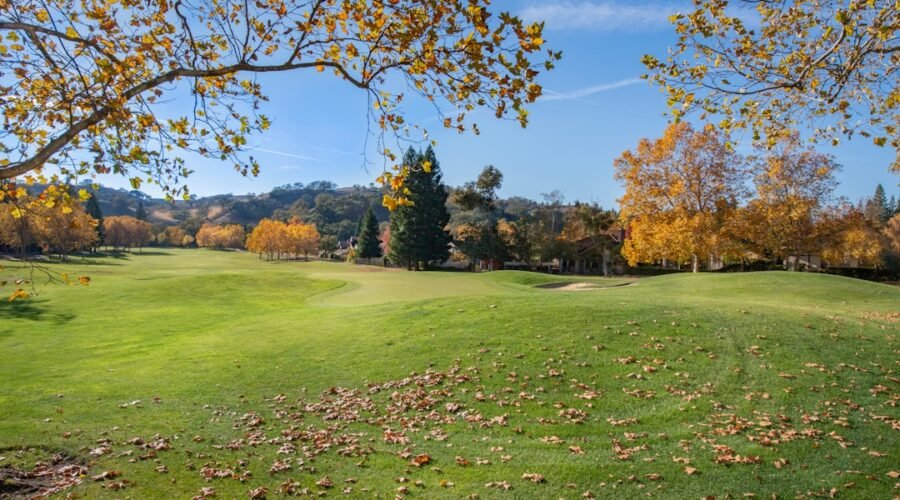
Fall is one of Rossland’s strongest shoulder seasons because hiking and biking can continue while temperatures cool and golden larches add seasonal color. The trade-off is increasing weather uncertainty as the season moves toward November.
Fall Weather and Foliage
- September: Often remains suitable for hiking and biking, with cooler nights and the beginning of fall color.
- October: Conditions become more variable. Lower trails may remain usable while higher terrain can see frost or early snow.
- November: This is a transition toward winter. Days are shorter, temperatures fall, and snow becomes more likely, especially at elevation.
There is no guaranteed “peak foliage” date. Color timing changes with elevation and weather, so travelers coming specifically for autumn scenery should check recent local photos and conditions shortly before the trip.
Fall Activities
- Hiking and mountain biking: September and early October can deliver excellent trail conditions. Tourism Rossland recommends staying aware of early snow on higher routes as fall progresses.
- Photography: Golden larches, cooler air, lower-angle light, and changing mountain weather can make fall visually rewarding.
- Wildlife viewing: You may encounter deer and other wildlife around the region. Keep your distance, never feed wildlife, and follow local bear-safety guidance.
- Fishing: The Columbia River remains an important regional option for anglers, subject to current regulations and conditions.
- Golf: Some area golf courses continue well into fall when weather permits.
- Town time: Cooler days make it easy to combine shorter outdoor activities with cafes, shops, heritage attractions, and local events.
- Seasonal events: Golden City Days is a September tradition. In 2026 it ran September 11-13, while future dates should be confirmed before booking around the festival.
- Peace and quiet: After the main summer holiday period, some dates can feel noticeably calmer.
Fall Crowds and Costs
Fall can offer a useful balance between access and value, but “low cost” is not guaranteed. Event weekends, good-weather weekends, and limited lodging inventory can still push rates higher.
- September: Moderate demand is still possible because biking, hiking, festivals, and warm-weather activities continue.
- October: Often quieter, making it a strong choice for travelers who accept cooler and less predictable weather.
- November: Usually one of the quietest periods, but it sits between the main bike/hike season and the dependable ski season.
For general limitations concerning the travel information published on this site, see the site disclaimer.
The “Actually Best” Time Depends on You
There is no single best month for every visitor. Your ideal timing depends on whether snow reliability, high-country trail access, fall color, lower demand, or budget matters most.
| Month | Typical Conditions | Visitor Demand | Cost Pressure | Best For |
|---|---|---|---|---|
| January | Cold, snowy, established winter | High | Higher | Skiing and snowboarding |
| February | Cold, snowy, midwinter | High | Higher | Skiing, Nordic skiing, winter events |
| March | Snowy mountains, longer days | Moderate to high | Moderate to higher | Spring skiing |
| April | Highly variable; snow, thaw, rain, mud | Lower after ski season | Lower to moderate | Late skiing and lower trails |
| May | Milder; wet or snowy higher up | Low | Often lower | Quiet trips and lower-elevation trails |
| June | Warm; high trails still opening | Moderate | Moderate | Early-summer hiking and biking |
| July | Warm with broad trail access | High | Higher | Hiking and mountain biking |
| August | Warm; smoke/fire risk can vary | High | Higher | Biking, hiking, golf and water activities |
| September | Mild to cool; early fall color | Moderate | Moderate | Biking, hiking, events and fall scenery |
| October | Cooler; rain, frost or early snow possible | Lower | Often lower | Fall scenery and quieter stays |
| November | Cold transition toward winter | Low | Often lower | Quiet getaway if activities are secondary |
| December | Cold and snowy, but early-season coverage varies | High around holidays | Higher around holidays | Winter atmosphere; skiing if conditions cooperate |
The crowd and cost columns are general planning guidance, not live price data. Accommodation rates, event demand, snow conditions, and seasonal operations can change from year to year.
So which time is really the best? Match the trip to your priority:
- For serious skiing and snowboarding: January through March is the safest planning window. December can be excellent, but early-season openings are less predictable.
- For mountain biking: July through September is prime, with the high-elevation Seven Summits Trail normally best from July into early October.
- For hiking and green mountain scenery: July through September gives you the broadest range of trail options, while June can work well for lower routes.
- For fall colors and cooler trail temperatures: September into October is the strongest window, but foliage timing varies every year.
- For budget-minded travelers: May and October can be attractive because demand is often lower, but some high trails or seasonal activities may be unavailable.
- For a cozy winter escape: January or March can provide a better balance of established snow and non-holiday timing than relying on early December.
Ultimately, Rossland offers something in every season, but each season comes with a trade-off. The best trip comes from matching your main activity to current snow, trail, weather, and operating conditions instead of choosing a month by calendar alone.
Season-by-Season Decision Guide:
- Winter (December-March): Best for skiing, snowboarding, Nordic skiing, snowshoeing, skating, and a classic snowy mountain-town trip. January-March is more dependable than early December.
- Spring (April-May): Best for quieter travel, late skiing when available, lower-elevation hiking and biking, and travelers willing to work around mud or lingering snow.
- Summer (June-August): Best for the widest mix of biking, hiking, golf, fishing, paddling, and long outdoor days. Check wildfire and smoke conditions.
- Fall (September-October): Best for cooler hiking and biking, golden larches, photography, and generally lighter demand as the season progresses.
- November: A quiet transition month, but often too late for dependable high-country biking and too early for guaranteed lift-served skiing.
Practical Planning Before You Choose Your Dates
Season averages help narrow your choice, but mountain conditions can change faster than a travel calendar. A few checks immediately before your trip can prevent most seasonal surprises.
Check Snow and Trail Conditions
For a ski trip, verify RED Mountain Resort’s operating dates, snow report, lifts, and open terrain. For hiking or biking, check current Tourism Rossland or local trail information, especially in spring and fall when one elevation can be dry while another remains snowy.
Pro Tip: If Seven Summits is a major reason for your trip, avoid booking only from a generic summer calendar. Tourism Rossland recommends July to early October, but the route is high, remote, weather-sensitive, has no water available, and includes long areas without cell service.
Check Road Conditions
Mountain highways can be affected by snow, ice, construction, crashes, or wildfire activity. Tourism Rossland specifically recommends checking current highway cameras and reports before driving into the region. Use DriveBC before departure, especially for winter or shoulder-season travel.
Check Wildfire and Air-Quality Conditions in Summer
Smoke conditions can change from clear to poor over a short period. If your trip depends on strenuous hiking, biking, or long days outside, review current wildfire activity, air-quality warnings, fire restrictions, and any evacuation information shortly before traveling.
Pack for Elevation Changes
Rossland sits high enough that mornings, evenings, and exposed mountain terrain can feel much colder than a warm afternoon in town. Even in summer, bring layers and rain protection. In spring and fall, prepare for a wider mix of sun, rain, frost, mud, and possibly snow at higher elevations.
Confirm Events Instead of Assuming Annual Dates
Rossland has recurring community events, but exact dates can move. The 2026 Rossland Winter Carnival ran January 22-25, while Golden City Days ran September 11-13. The Rossland Mountain Film Festival should not be described as a February event based on old information; its current 2026 listing places the festival in November. Check the current event calendar before booking a trip around one event.
Frequently Asked Questions
What is the best time to visit Rossland, British Columbia for favorable weather?
July through September is usually the easiest period for a warm-weather trip because hiking, biking, golf, and other outdoor activities have broad access. July and August are warmer, while September is cooler and can bring early fall color. Weather is never guaranteed, and wildfire smoke can sometimes affect summer conditions.
When is the peak tourist season in Rossland?
Rossland has two important demand periods rather than one simple peak: winter ski season, particularly holidays and strong midwinter weekends, and the July-August summer outdoor season. Major events can also make individual weekends busier.
What is the shoulder season in Rossland?
Late April through May and much of October through November function as shoulder periods. They can be quieter and less expensive, but weather, mud, snow, trail access, and seasonal operating hours create more uncertainty than in midwinter or midsummer.
When can visitors expect lower accommodation costs in Rossland?
May, October, and November often face less visitor demand than peak ski or summer periods, so better lodging value may be available. Rates are dynamic, however, and event weekends or limited inventory can change prices quickly.
What are some popular events and festivals in Rossland?
Recurring highlights include the Rossland Winter Carnival in winter, Golden City Days in September, music and cultural events, and the Rossland Mountain Film Festival. Exact dates change. In 2026, the Winter Carnival ran January 22-25, Golden City Days ran September 11-13, and the current Mountain Film Festival listing places its event in November.
What is the best month for skiing at RED Mountain Resort?
January through March is generally the safest period to plan a ski-focused trip because the resort is deeper into its operating season. December can deliver excellent snow, but early-season opening dates and terrain coverage are more variable.
When is the best time for mountain biking in Rossland?
Tourism Rossland says July through September is generally the best mountain-bike season. Lower and south-facing trails can open earlier, while the high-elevation Seven Summits Trail is normally best from July to early October.
Can wildfire smoke affect a summer trip to Rossland?
Yes. Wildfire smoke and air-quality conditions vary widely from year to year and can change quickly. Check BC Wildfire Service activity, provincial air-quality warnings, local alerts, and road conditions before strenuous outdoor plans.
Sources
- RED Mountain Resort — Mountain Stats — supports the resort’s published 760 cm / 300 in average snowfall figure.
- Tourism Rossland — Biking — supports the 200+ km trail network, July-September biking season, and Seven Summits timing and safety context.
- Tourism Rossland — Spring and Tourism Rossland — Fall — support seasonal trail access, biking, hiking, fishing, and shoulder-season guidance.
- Environment and Climate Change Canada — Rossland MacLean Climate Normals — supports historical monthly temperature context.
- City of Rossland — Parks, Fields & Outdoor Ice Rink — supports weather-dependent outdoor-skating information and the normal mid-December to mid-March season.
- BC Wildfire Service — Fire Prohibitions and Restrictions and BC Parks — Valhalla Park — support wildfire planning, restrictions, and corrected Valhalla access guidance.